Solar panel farm in dry Brazilian landscape
1344×768 · AVIF · CC BY 4.0
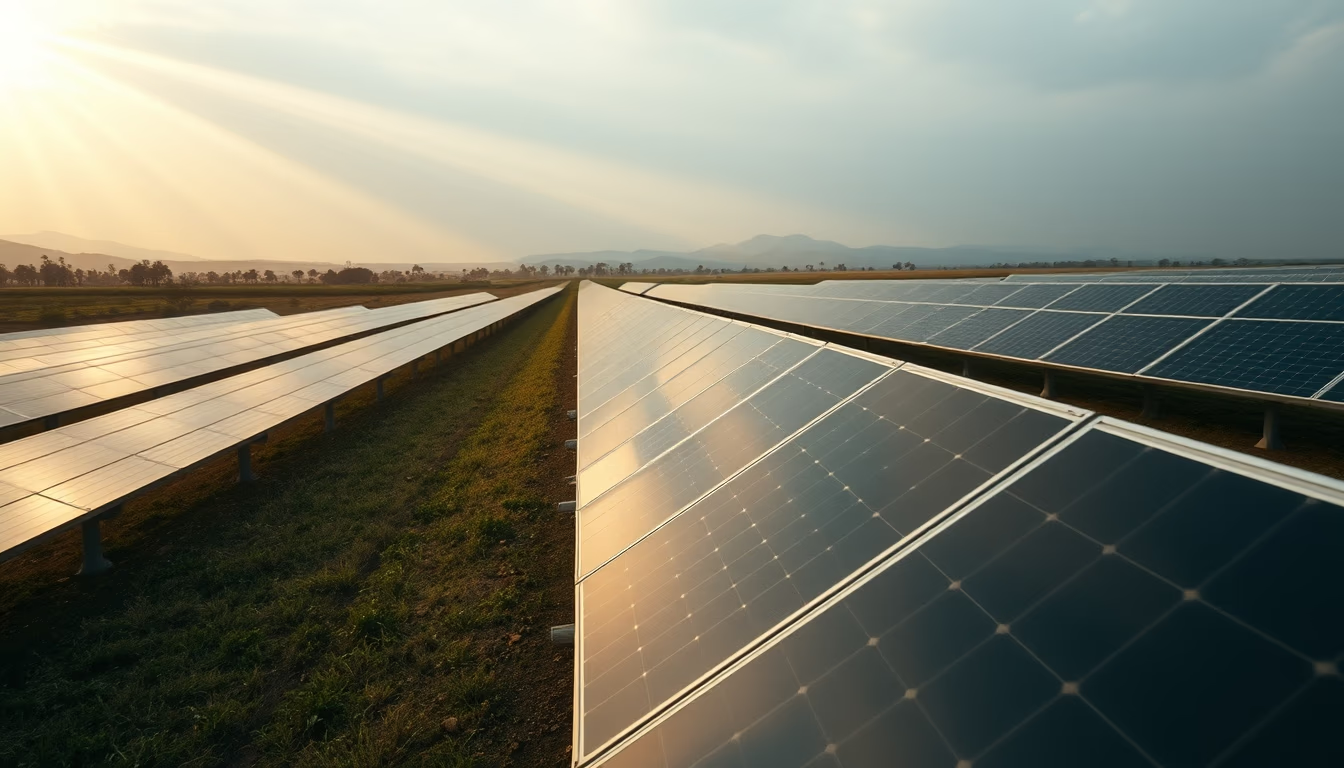
Solar panel farm in the Brazilian sertão harnesses high irradiation to generate clean energy in a semiarid region.
About this subject
The Brazilian sertão, a semiarid region covering much of the Northeast, is one of the areas with the highest solar energy generation potential in the world. With an average annual insolation exceeding 2,200 hours of sunshine, the area receives intense and constant solar radiation, ideal for large-scale solar farms. These developments transform the arid landscape, dominated by caatinga vegetation and dry soil, into hubs of renewable energy. The installation of photovoltaic panels in the sertão not only harnesses an abundant natural resource but also boosts local economic development, creating jobs during construction and operation. Additionally, the generated energy is fed into the National Interconnected System (SIN), contributing to Brazil's electricity matrix, which is already one of the cleanest in the world. Projects such as the Pirapora Solar Complex in Minas Gerais and the Juazeiro Solar Plant in Bahia exemplify how photovoltaic technology can coexist with dry and hot climates, requiring specific cleaning and cooling systems to maintain efficiency. The expansion of these solar farms in the sertão also helps diversify the regional economy, historically dependent on rainfed agriculture and extensive livestock farming, which suffer from periodic droughts. With growing investments in transmission infrastructure, the Brazilian sertão is consolidating itself as a protagonist in the global energy transition.
Frequently Asked Questions
Why is the Brazilian sertão ideal for solar farms?
The sertão has high solar incidence, with over 2,200 hours of sunshine per year, and low cloud cover, ensuring constant energy generation. Additionally, there are vast areas of available land at low cost.
What are the main challenges of operating solar panels in the sertão?
Dust and sand accumulation on panels reduces efficiency, requiring frequent cleaning. High temperatures can also decrease module performance, necessitating proper cooling systems.
How does solar energy impact the local economy of the sertão?
It creates direct and indirect jobs, attracts infrastructure investments, and diversifies the economy, reducing dependence on drought-vulnerable activities like agriculture and livestock.
Direct URL
https://pub-c7d6a6ea828543ac903a74a341ccb2e1.r2.dev/imagens/solar-panel-farm-in-brazilian-sertao-landscape-editorial-overcast-daytime-4.avifHow to credit
Include a visible link back to UtilizAí. Copy one of the snippets below:
<a href="https://xn--utiliza-eza.com/en/midia/imagens/solar-panel-farm-in-brazilian-sertao-landscape-editorial-overcast-daytime-4">Solar panel farm in dry Brazilian landscape</a> by <a href="https://xn--utiliza-eza.com">UtilizAí</a>, licensed under <a href="https://creativecommons.org/licenses/by/4.0/">CC BY 4.0</a>.
[Solar panel farm in dry Brazilian landscape](https://xn--utiliza-eza.com/en/midia/imagens/solar-panel-farm-in-brazilian-sertao-landscape-editorial-overcast-daytime-4) by [UtilizAí](https://xn--utiliza-eza.com), CC BY 4.0
License: CC-BY-4.0