Snowstorm blizzard
1344×768 · AVIF · CC BY 4.0
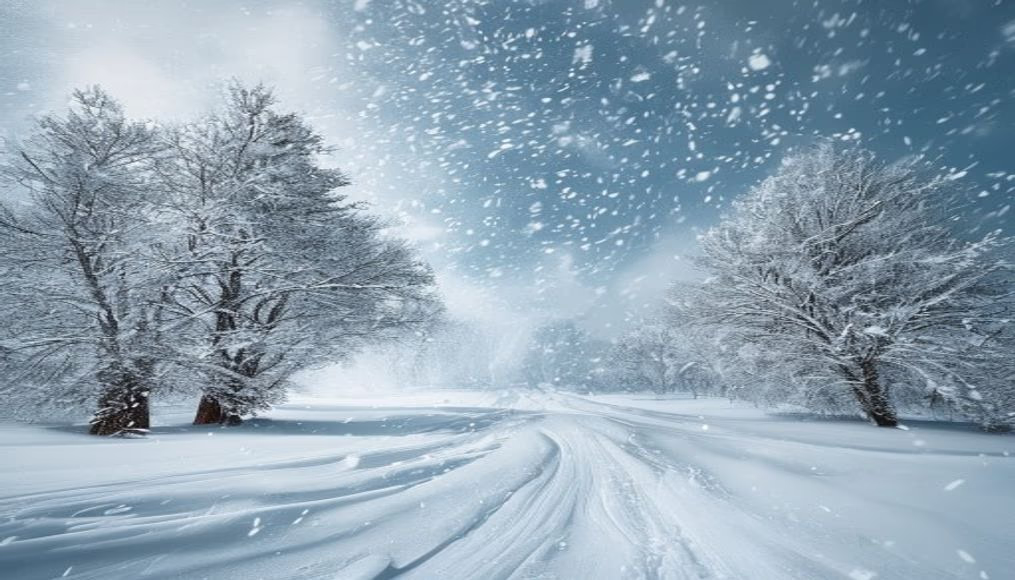
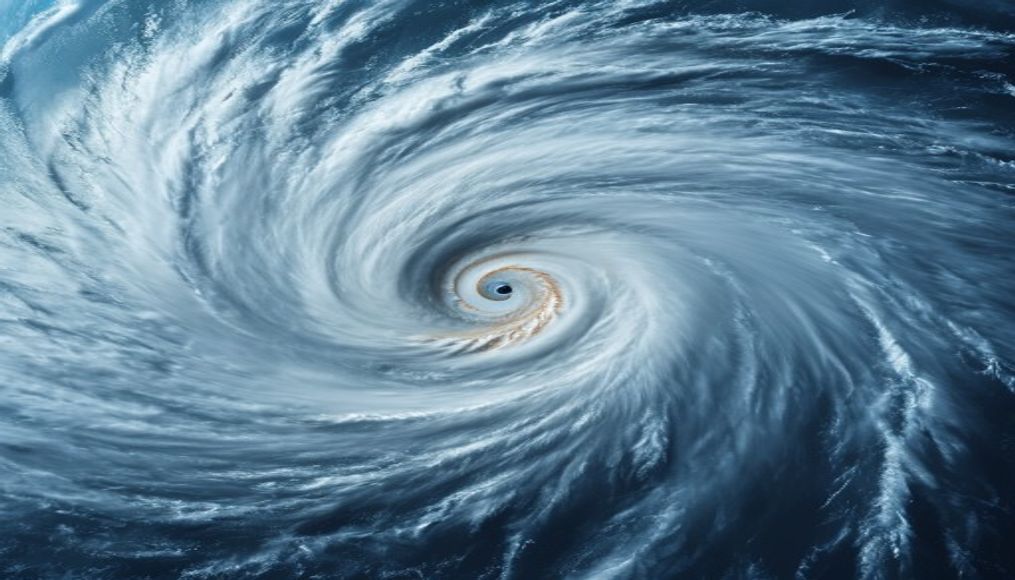
Snowstorms and blizzards are extreme weather phenomena that paralyze entire regions with strong winds and heavy snowfall.
About this subject
A blizzard is a snowstorm characterized by sustained winds or frequent gusts of at least 35 mph (56 km/h), visibility less than 0.25 miles (400 meters) due to blowing snow, and duration of at least three hours. The term is used meteorologically to distinguish this event from a simple snowstorm, which may have heavy snowfall but lacks the severe winds. Blizzards most frequently occur in mid-to-high latitudes, such as the northern United States, Canada, Russia, and northern Europe, during winter.
The formation of a blizzard depends on the meeting of cold air with sufficient moisture to produce snow, combined with atmospheric pressure differences that intensify winds. A winter storm can bring accumulations of several feet in hours. A historical example is the 1972 Iran Blizzard, which lasted a week, buried entire cities, and killed about 4,000 people. In the United States, the Great Blizzard of 1888 paralyzed the East Coast with over 4 feet of snow.
From an ecological perspective, blizzards affect the pollination of cold-adapted plants and the behavior of hibernating or migrating animals. Snow acts as thermal insulation for the soil, protecting roots and soil organisms. However, very severe storms can break branches and topple trees, altering habitats. Interestingly, the origin of the word "blizzard" is uncertain, possibly from a German or Old English word for lightning, but it became popular in the US after the Blizzard of 1880-1881.
Frequently Asked Questions
What is the difference between a snowstorm and a blizzard?
A blizzard requires sustained winds above 35 mph (56 km/h) and very low visibility for at least three hours, whereas a common snowstorm may have heavy snow but less severe winds.
Where do blizzards most frequently occur?
Blizzards are common in mid-to-high latitude regions such as the northern United States, Canada, Russia, and northern Europe during winter.
Do blizzards have any positive environmental impacts?
Yes, snow acts as thermal insulation for the soil, protecting roots and organisms. Some plants depend on the cold to germinate in spring.
Direct URL
https://pub-c7d6a6ea828543ac903a74a341ccb2e1.r2.dev/imagens/snowstorm-blizzard-national-geographic-style-p1.avifHow to credit
Include a visible link back to UtilizAí. Copy one of the snippets below:
<a href="https://xn--utiliza-eza.com/en/midia/imagens/snowstorm-blizzard-national-geographic-style-p1">Snowstorm blizzard</a> by <a href="https://xn--utiliza-eza.com">UtilizAí</a>, licensed under <a href="https://creativecommons.org/licenses/by/4.0/">CC BY 4.0</a>.
[Snowstorm blizzard](https://xn--utiliza-eza.com/en/midia/imagens/snowstorm-blizzard-national-geographic-style-p1) by [UtilizAí](https://xn--utiliza-eza.com), CC BY 4.0
License: CC-BY-4.0