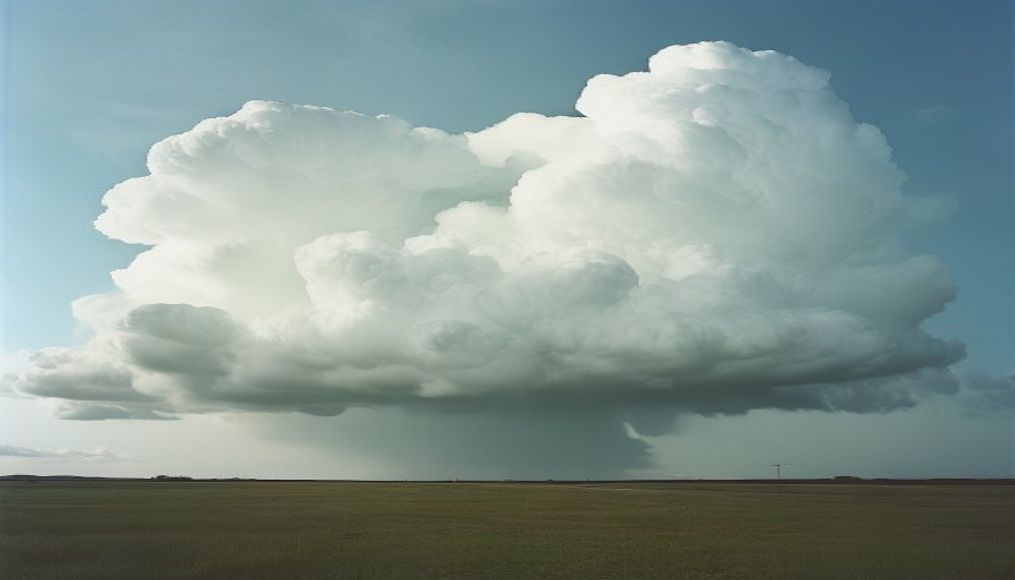
Lenticular cloud ufo
1344×768 · JPG · CC BY 4.0
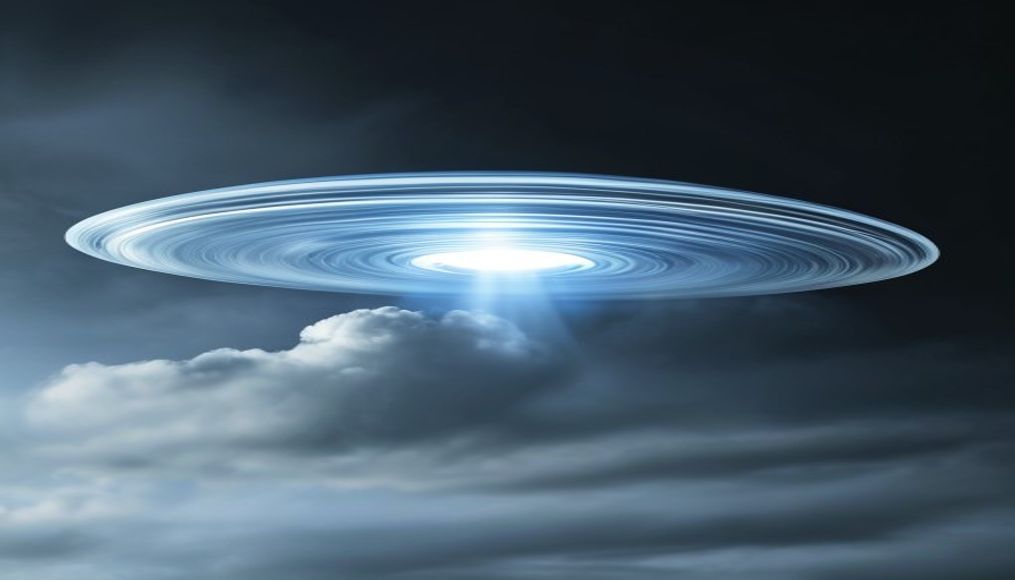
Lenticular clouds, shaped like lenses or flying saucers, are atmospheric phenomena that form in mountain waves, associated with strong winds and atmospheric stability.
About this subject
Lenticular clouds, scientifically known as altocumulus lenticularis, are stationary clouds that take the shape of a lens or disc. They form when moist, stable winds are forced to rise over mountain barriers, such as the Andes in South America or the Rocky Mountains in North America. As the air ascends, it cools and condenses, creating a cloud that appears motionless due to the continuous airflow. These clouds often appear in layers with well-defined edges, giving them an alien appearance that has been responsible for many historical UFO reports.
The occurrence of lenticular clouds is an important meteorological indicator: they signal the presence of strong winds at high altitudes and turbulence, posing a risk to aviation. On the other hand, glider pilots use the updrafts associated with these clouds to gain altitude and perform long-distance flights. Lenticular clouds can persist for hours, staying practically in the same place while the wind flows over the mountain.
Visually, they may display iridescent colors when containing ice crystals, resulting from light diffraction. The term 'lenticular' derives from the Latin 'lens', meaning lentil, in reference to their shape. Interestingly, the characteristic silhouette of these clouds has inspired experimental aircraft designs and even concepts for spacecraft. Lenticular clouds are common in mountainous regions worldwide and are often photographed due to their striking resemblance to flying saucers.
Frequently Asked Questions
What causes a lenticular cloud?
Lenticular clouds form when moist, stable winds are forced to rise over mountains, creating atmospheric waves. The moist air condenses at the crests of these waves, forming stationary clouds.
Are lenticular clouds dangerous?
Yes, because they indicate strong winds and turbulence at high altitudes, posing a risk to aviation. However, for glider pilots, the associated updrafts are beneficial.
Why do lenticular clouds look like UFOs?
Their disc shape, sharp edges, and stationary appearance make them resemble artificial objects. Many historical UFO sightings have actually been lenticular clouds.
Direct URL
https://pub-c7d6a6ea828543ac903a74a341ccb2e1.r2.dev/imagens/lenticular-cloud-ufo-studio-still-life-p4.jpgHow to credit
Include a visible link back to UtilizAí. Copy one of the snippets below:
<a href="https://xn--utiliza-eza.com/en/midia/imagens/lenticular-cloud-ufo-studio-still-life-p4">Lenticular cloud ufo</a> by <a href="https://xn--utiliza-eza.com">UtilizAí</a>, licensed under <a href="https://creativecommons.org/licenses/by/4.0/">CC BY 4.0</a>.
[Lenticular cloud ufo](https://xn--utiliza-eza.com/en/midia/imagens/lenticular-cloud-ufo-studio-still-life-p4) by [UtilizAí](https://xn--utiliza-eza.com), CC BY 4.0
License: CC-BY-4.0