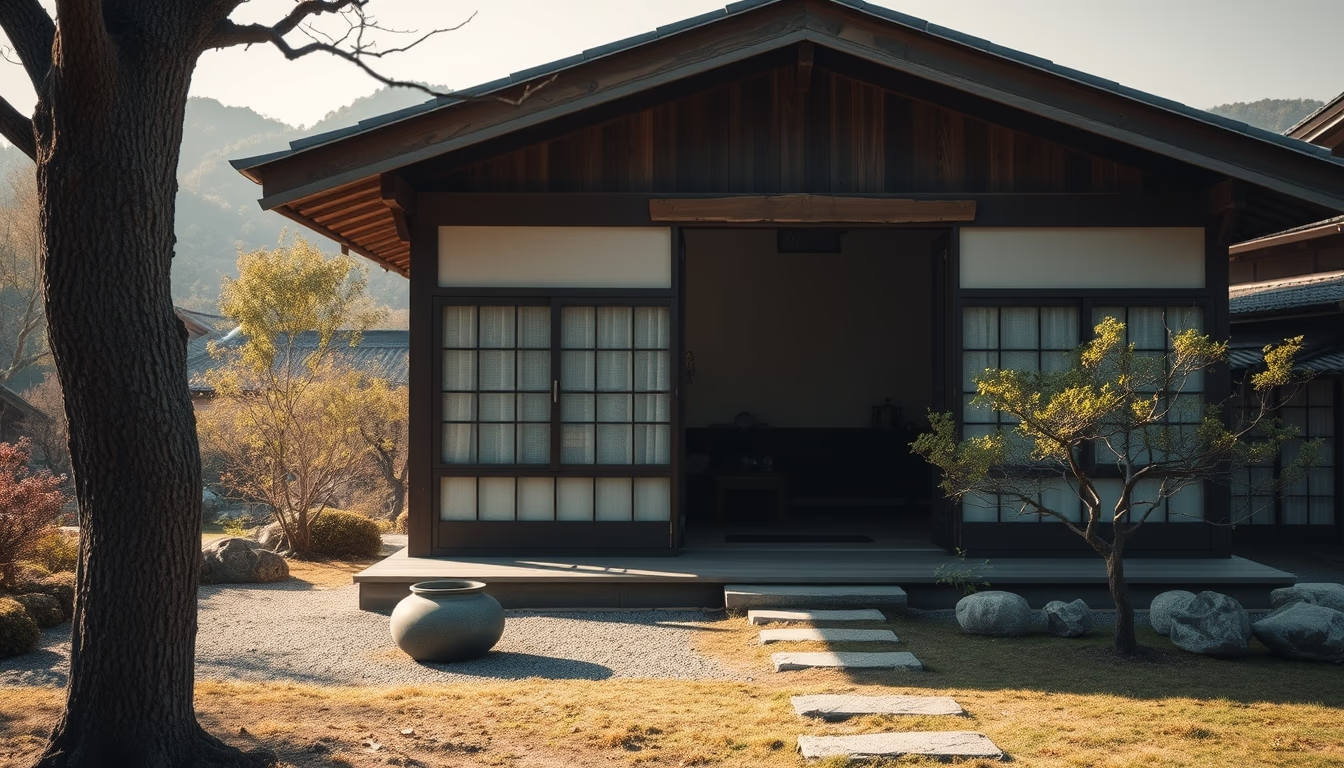
Shoji screen wooden
1344×768 · AVIF · CC BY 4.0
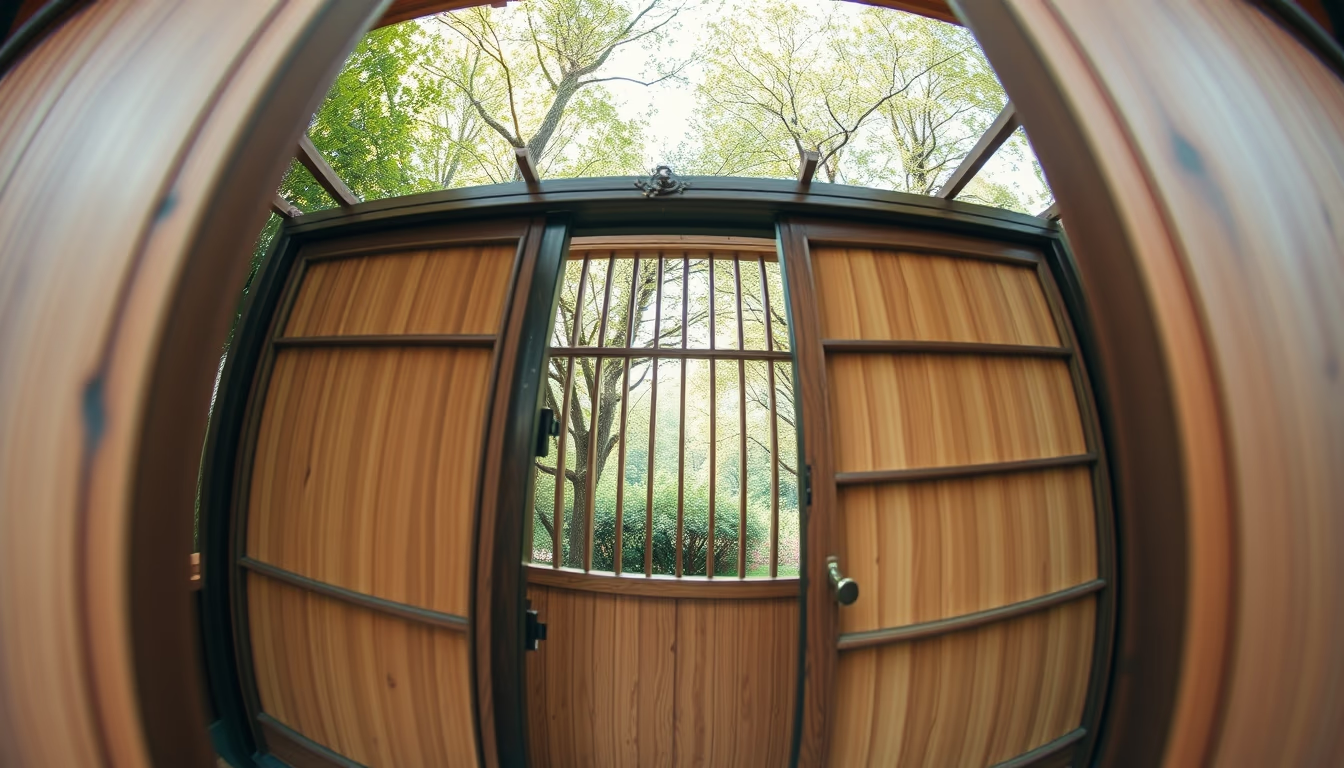
Wooden shoji screens are traditional sliding doors in Japanese architecture, prized for their lightness and natural light diffusion, key in Zen design.
About this subject
Shoji screens are sliding panels made of a wooden lattice (often cedar or hinoki) covered with translucent washi paper. Originating in feudal Japan, they became essential in homes, temples, and tea houses, particularly under the influence of Zen Buddhism. They allow division of spaces without blocking natural light, creating a soft, meditative atmosphere.
Unlike fusuma, which are opaque and decorated, shoji emphasize transparency and simplicity. The structure uses wooden joinery without nails, demonstrating high craftsmanship. Washi paper, made from mulberry fibers, is durable and diffuses light evenly.
Culturally, shoji represent the concept of ma, or negative space, which allows energy flow and contemplation. In wabi-sabi, impermanence and beauty of imperfections are valued, enhanced by the natural aging of paper and wood. In Zen temples, shoji help create an introspective environment by filtering the outdoor view.
Today, shoji are appreciated in global interior design, adapted for sliding doors, room dividers, and lampshades. Modern versions may use synthetic materials, but the traditional aesthetic remains a reference. Maintenance involves replacing the paper when damaged and periodically treating the wood.
Frequently Asked Questions
What is the difference between shoji and fusuma?
Shoji are translucent panels with washi paper, used to diffuse light and provide a subtle view. Fusuma are opaque, made of thick paper or cloth, used for full privacy and often decorated with paintings.
Is washi paper in shoji durable?
Yes, washi is surprisingly strong due to long mulberry fibers. It can withstand light impacts and is easy to repair. However, it is susceptible to tears from sharp objects and excessive humidity.
How do you maintain a shoji screen?
Basic maintenance includes cleaning with a dry cloth or gentle vacuum to remove dust. The paper can be replaced individually. The wood should be treated with a specific oil to prevent drying and warping.
Direct URL
https://pub-c7d6a6ea828543ac903a74a341ccb2e1.r2.dev/imagens/shoji-screen-wooden-fish-eye-wide-angle-fresh5.avifHow to credit
Include a visible link back to UtilizAí. Copy one of the snippets below:
<a href="https://xn--utiliza-eza.com/en/midia/imagens/shoji-screen-wooden-fish-eye-wide-angle-fresh5">Shoji screen wooden</a> by <a href="https://xn--utiliza-eza.com">UtilizAí</a>, licensed under <a href="https://creativecommons.org/licenses/by/4.0/">CC BY 4.0</a>.
[Shoji screen wooden](https://xn--utiliza-eza.com/en/midia/imagens/shoji-screen-wooden-fish-eye-wide-angle-fresh5) by [UtilizAí](https://xn--utiliza-eza.com), CC BY 4.0
License: CC-BY-4.0