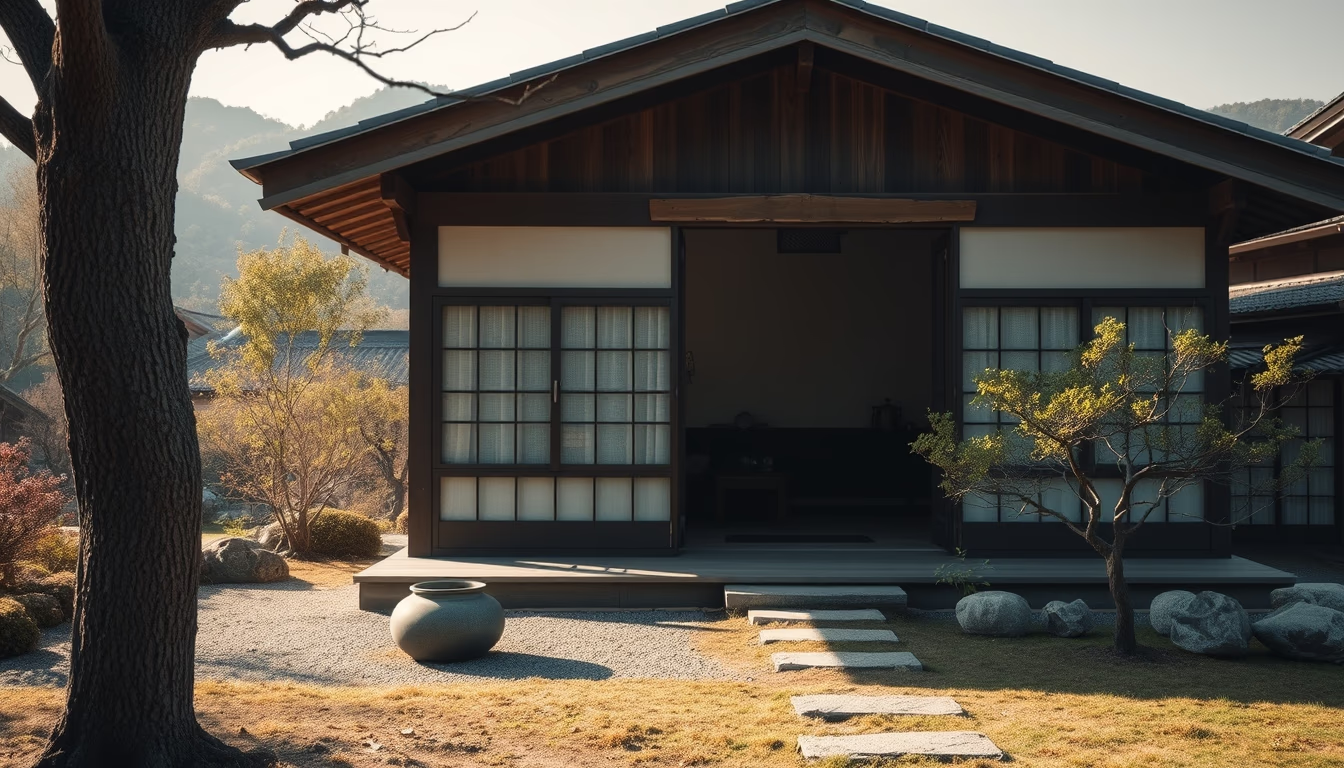
Shoji screen wooden
1344×768 · AVIF · CC BY 4.0

Wooden shoji screen: traditional Japanese sliding panels that blend functionality with zen aesthetics.
About this subject
Shoji is a traditional Japanese sliding panel made of a wooden frame (kumiko) and translucent washi paper. These partitions are widely used in Japanese architecture to separate rooms, filter natural light, and create a serene atmosphere. The wooden frame is typically crafted from cedar or Japanese cypress (hinoki), with fine slats forming geometric patterns. The washi paper, made from kozo (mulberry) fibers, allows soft light to pass through, casting delicate shadows and promoting a calm space.
Historically, shoji emerged during the Heian period (794, 1185) and evolved under the influence of Zen Buddhism, which values simplicity and harmony with nature. Unlike Western doors, shoji slide along wooden tracks, optimizing space. They are common in traditional homes, temples, and museums. In the Zen context, shoji represents impermanence (mujo), as the paper is fragile and must be replaced regularly, reminding users of life's transience.
Notable details: the kumiko patterns often feature diamond or lattice motifs, each with symbolic meaning. The washi paper can be dyed with natural pigments. Modern shoji may incorporate glass or plastic, but traditional ones remain highly valued for their aesthetic and spiritual qualities. Beyond practical use, they are appreciated as works of art embodying Japanese minimalism.
Frequently Asked Questions
What is the difference between shoji and fusuma?
Shoji uses translucent washi paper and a thin wooden frame, allowing light to pass through. Fusuma is thicker, opaque, with fabric or thick paper, used for complete privacy.
How is a shoji screen maintained?
The washi paper needs periodic replacement, typically every 5-10 years, depending on sun and humidity exposure. The wooden frame should be dusted with a dry cloth and kept away from excessive moisture.
Are shoji screens used only in Japan?
While traditional in Japan, shoji design has influenced Western architects and is used in contemporary homes worldwide, especially in minimalist or zen-inspired interiors.
Direct URL
https://pub-c7d6a6ea828543ac903a74a341ccb2e1.r2.dev/imagens/shoji-screen-wooden-fine-art-photography-fresh14.avifHow to credit
Include a visible link back to UtilizAí. Copy one of the snippets below:
<a href="https://xn--utiliza-eza.com/en/midia/imagens/shoji-screen-wooden-fine-art-photography-fresh14">Shoji screen wooden</a> by <a href="https://xn--utiliza-eza.com">UtilizAí</a>, licensed under <a href="https://creativecommons.org/licenses/by/4.0/">CC BY 4.0</a>.
[Shoji screen wooden](https://xn--utiliza-eza.com/en/midia/imagens/shoji-screen-wooden-fine-art-photography-fresh14) by [UtilizAí](https://xn--utiliza-eza.com), CC BY 4.0
License: CC-BY-4.0