Sculpture marble white
1344×768 · AVIF · CC BY 4.0
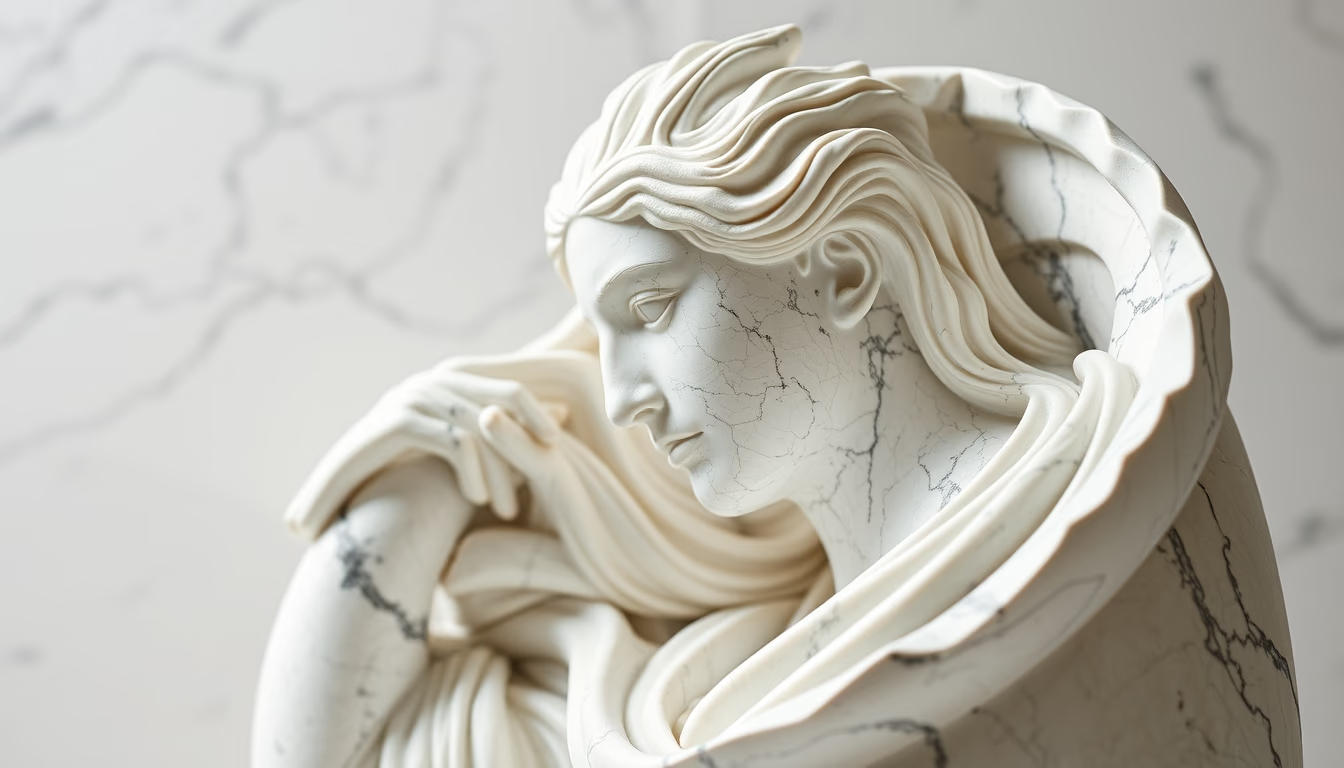
White marble sculptures represent one of the pinnacles of classical art, combining refined technique and timeless beauty.
About this subject
White marble is one of the most iconic materials in the history of sculpture. Used since Ancient Greece, it reached its peak in the classical period with works like the Venus de Milo and the Discobolus. The Greeks favored Parian marble, known for its translucency and fine grain, ideal for anatomical details. During the Renaissance, artists such as Michelangelo revived the tradition, creating masterpieces like David and the Pietà, carved from Carrara marble, a region in Tuscany that still supplies the most coveted stone.
The choice of white marble is not merely aesthetic: its neutral color enhances the play of light and shadow, allowing the viewer to focus on form and expression. Additionally, the material is durable but relatively soft to work with chisels and hand tools. Each block of marble requires meticulous planning, as there is no margin for error. The sculptor progressively removes the excess, revealing the figure that would already be “imprisoned” in the stone, according to Michelangelo.
Culturally, white marble sculptures symbolize purity, eternity, and status. They were commissioned by emperors, popes, and nobles throughout the centuries, adorning temples, squares, and gardens. In the 19th century, white marble became synonymous with academic art, although modern artists like Constantin Brâncuși subverted the material, creating abstract and polished forms. Today, the tradition continues with contemporary sculptors who explore themes such as identity and nature, keeping the ancient technique alive.
Frequently Asked Questions
Why is white marble so commonly used for sculptures?
White marble has a uniform texture, translucency, and moderate hardness, allowing fine details and a polished finish that reflects light softly. Its neutral color highlights forms without distraction.
What are the most famous white marble sculptures in the world?
Among the most famous are Michelangelo's David and Pietà, the Venus de Milo, Myron's Discobolus, and the Dying Gaul. All are examples of technical and artistic mastery achieved with this material.
How is the marble sculpture process carried out?
The sculptor starts with a clay or plaster model, then transfers measurements to the marble block using compasses and pointing tools. Material removal is done with chisels and hammers, followed by files and sandpaper for final polishing.
Direct URL
https://pub-c7d6a6ea828543ac903a74a341ccb2e1.r2.dev/imagens/sculpture-marble-white-national-geographic-style-p0.avifHow to credit
Include a visible link back to UtilizAí. Copy one of the snippets below:
<a href="https://xn--utiliza-eza.com/en/midia/imagens/sculpture-marble-white-national-geographic-style-p0">Sculpture marble white</a> by <a href="https://xn--utiliza-eza.com">UtilizAí</a>, licensed under <a href="https://creativecommons.org/licenses/by/4.0/">CC BY 4.0</a>.
[Sculpture marble white](https://xn--utiliza-eza.com/en/midia/imagens/sculpture-marble-white-national-geographic-style-p0) by [UtilizAí](https://xn--utiliza-eza.com), CC BY 4.0
License: CC-BY-4.0