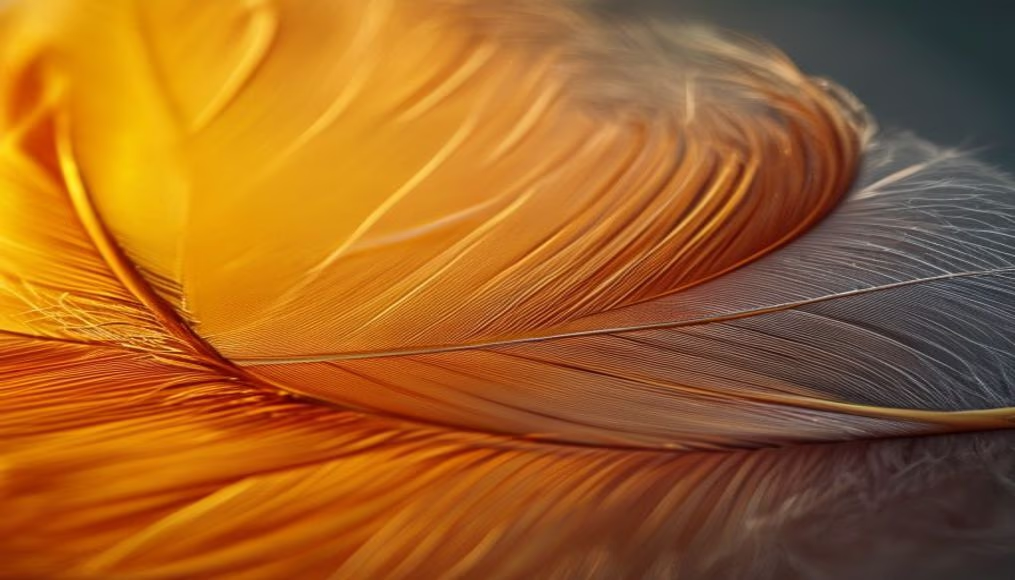
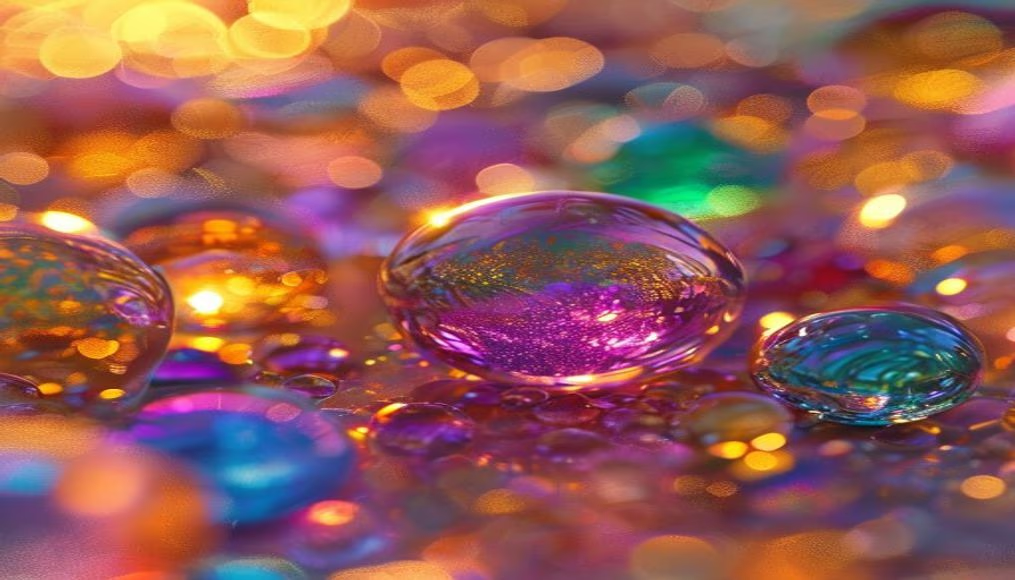
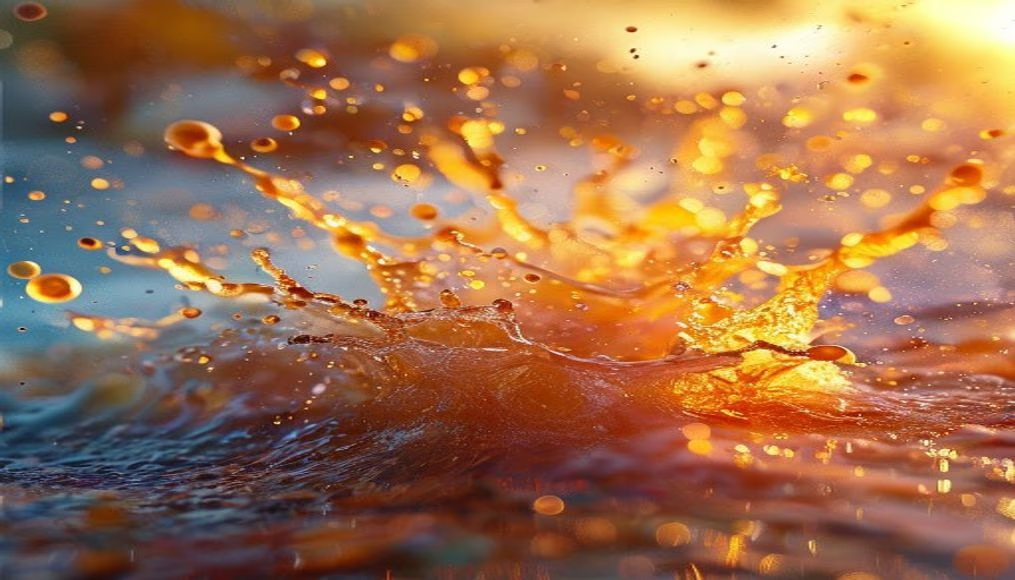
Fluid art swirling colors
1344×768 · AVIF · CC BY 4.0
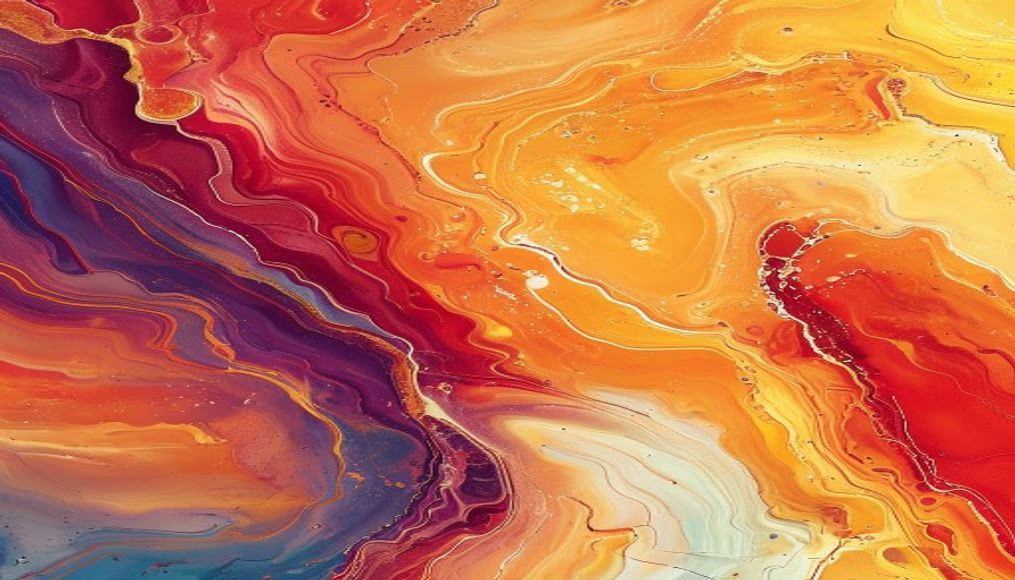
Fluid art, also known as pouring painting, is an abstract technique that creates organic patterns using fluid acrylic paint on canvas.
About this subject
Fluid art, also known as acrylic pouring, is an abstract painting technique that gained widespread popularity in the early 2010s through viral social media videos. It involves mixing acrylic paint with a flow medium (such as Floetrol or water) and pouring it onto a canvas, which is then tilted or moved so the colors spread and blend organically. The result is unpredictable patterns of cells, layers, and swirls that resemble marble, waves, or cellular structures.
This technique has roots in the action painting of Jackson Pollock and drip painting, but differs in that no brushes or direct contact with the paint are used. The process is highly experimental, and no two works are identical. Contemporary artists like Ann Upton and Rinske Douna have popularized variations such as the swipe, dirty pour, and flip cup, each creating distinct textures. In Brazil, pouring has thrived in workshops and painting groups, being accessible to beginners due to low material costs.
The science behind fluid art involves density, viscosity, and surface tension of the paints. Adding silicone creates the characteristic cells, bubbles that burst and form circular outlines. The choice of colors and the order of application directly influence the final pattern, making each piece an unpredictable experience. Beyond canvases, the technique is used on objects like furniture, phone cases, and even clothing, expanding into design and crafts.
Critics argue that fluid art is more decorative than fine art, but proponents highlight the technical complexity and expressive role of chance as legitimate aesthetic values. In 2023, an Etsy survey ranked fluid art items among the top-selling original artworks, confirming its commercial appeal. The technique continues to evolve, with artists experimenting with resins, alcohol inks, and mixed media to create hybrid works.
Frequently Asked Questions
What do you need to start fluid art?
You need acrylic paint, a flow medium (such as Floetrol or water), canvases or smooth surfaces, disposable cups, and mixing sticks. Silicone can be used to create cells. It is a low-cost technique suitable for beginners.
How does fluid art differ from traditional painting?
In fluid art, no brush is used: paint is poured and manipulated by gravity and canvas tilting. The result is abstract and unpredictable, while traditional painting allows more control and figurative representation.
How do cells form in fluid art?
Cells are created by density differences between colors and by adding silicone, which forms bubbles. When the paint is moved, bubbles burst and create concentric rings of contrasting colors.
Direct URL
https://pub-c7d6a6ea828543ac903a74a341ccb2e1.r2.dev/imagens/fluid-art-swirling-colors-travel-photography-v10.avifHow to credit
Include a visible link back to UtilizAí. Copy one of the snippets below:
<a href="https://xn--utiliza-eza.com/en/midia/imagens/fluid-art-swirling-colors-travel-photography-v10">Fluid art swirling colors</a> by <a href="https://xn--utiliza-eza.com">UtilizAí</a>, licensed under <a href="https://creativecommons.org/licenses/by/4.0/">CC BY 4.0</a>.
[Fluid art swirling colors](https://xn--utiliza-eza.com/en/midia/imagens/fluid-art-swirling-colors-travel-photography-v10) by [UtilizAí](https://xn--utiliza-eza.com), CC BY 4.0
License: CC-BY-4.0