Sculpture marble white
1344×768 · AVIF · CC BY 4.0
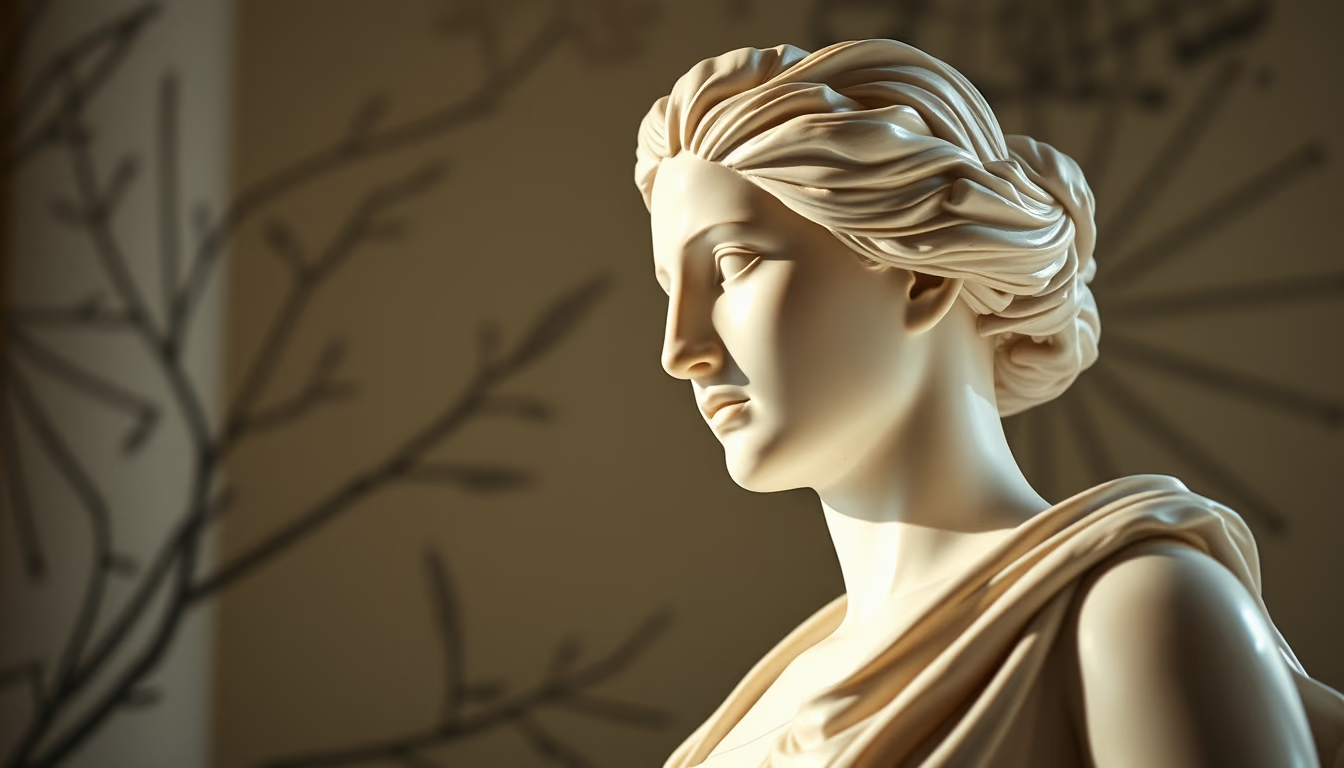
White marble sculptures are icons of classical art, symbolizing perfection and timelessness since Ancient Greece.
About this subject
White marble is one of the most noble and durable materials used in sculpture, prized for its aesthetic purity and light-reflecting qualities. Its quarrying dates back to antiquity, with famous sources like Paros in Greece and Carrara in Italy supplying blocks for masterpieces such as the Venus de Milo and Michelangelo's David. The white hue is not merely a visual choice; it symbolizes virtue, divinity, and the idealization of the human form.
The technique of carving marble requires precision and patience, as the material is both hard and brittle. Artists use chisels, hammers, and abrasives to remove chips and polish the surface, revealing forms that seem to emerge from the stone. During the Renaissance, masters like Michelangelo perfected the art of bringing marble to life, creating figures that appear to breathe. The 'Pietà' in Vatican City is a notable example of the delicacy achieved.
In Brazil, white marble appears in historical works like Victor Brecheret's Monument to the Bandeiras and in various architectural ornaments. Contemporary artists explore the contrast between classical white and abstract or minimalist forms, keeping the tradition alive. Preservation of these sculptures is challenging due to pollution and weather, requiring constant restoration.
Interestingly, many Greek and Roman statues were originally painted, but the pigment faded over centuries, leaving the bare marble we now associate with antiquity. This pure appearance influenced generations of artists and continues to inspire admirers worldwide.
Frequently Asked Questions
What is the difference between white marble and other stones used in sculpture?
White marble is purer and more crystalline, allowing greater translucency and shine when polished. It is also softer than granite, making carving easier.
Why are many ancient sculptures white if they were originally painted?
The colors on Greek and Roman statues were made with organic pigments that degraded over time, revealing the natural marble. Modern excavations find traces of paint.
Where can I find famous white marble works in Brazil?
Works like the Monument to the Bandeiras in São Paulo and the Christ the Redeemer statue in Rio de Janeiro (cladding) use marble. Many Baroque churches also have imported marble altars.
Direct URL
https://pub-c7d6a6ea828543ac903a74a341ccb2e1.r2.dev/imagens/sculpture-marble-white-documentary-photography-p5.avifHow to credit
Include a visible link back to UtilizAí. Copy one of the snippets below:
<a href="https://xn--utiliza-eza.com/en/midia/imagens/sculpture-marble-white-documentary-photography-p5">Sculpture marble white</a> by <a href="https://xn--utiliza-eza.com">UtilizAí</a>, licensed under <a href="https://creativecommons.org/licenses/by/4.0/">CC BY 4.0</a>.
[Sculpture marble white](https://xn--utiliza-eza.com/en/midia/imagens/sculpture-marble-white-documentary-photography-p5) by [UtilizAí](https://xn--utiliza-eza.com), CC BY 4.0
License: CC-BY-4.0