Samurai katana
1344×768 · AVIF · CC BY 4.0
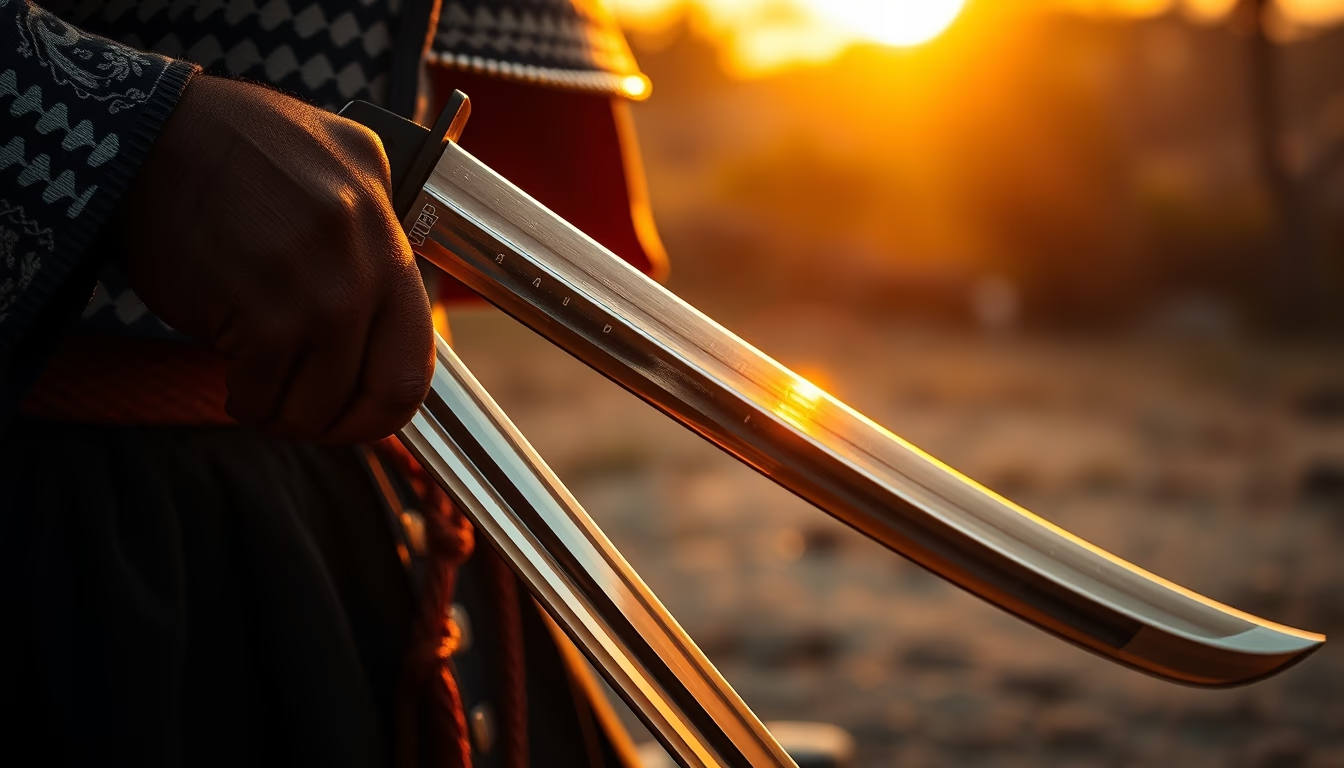
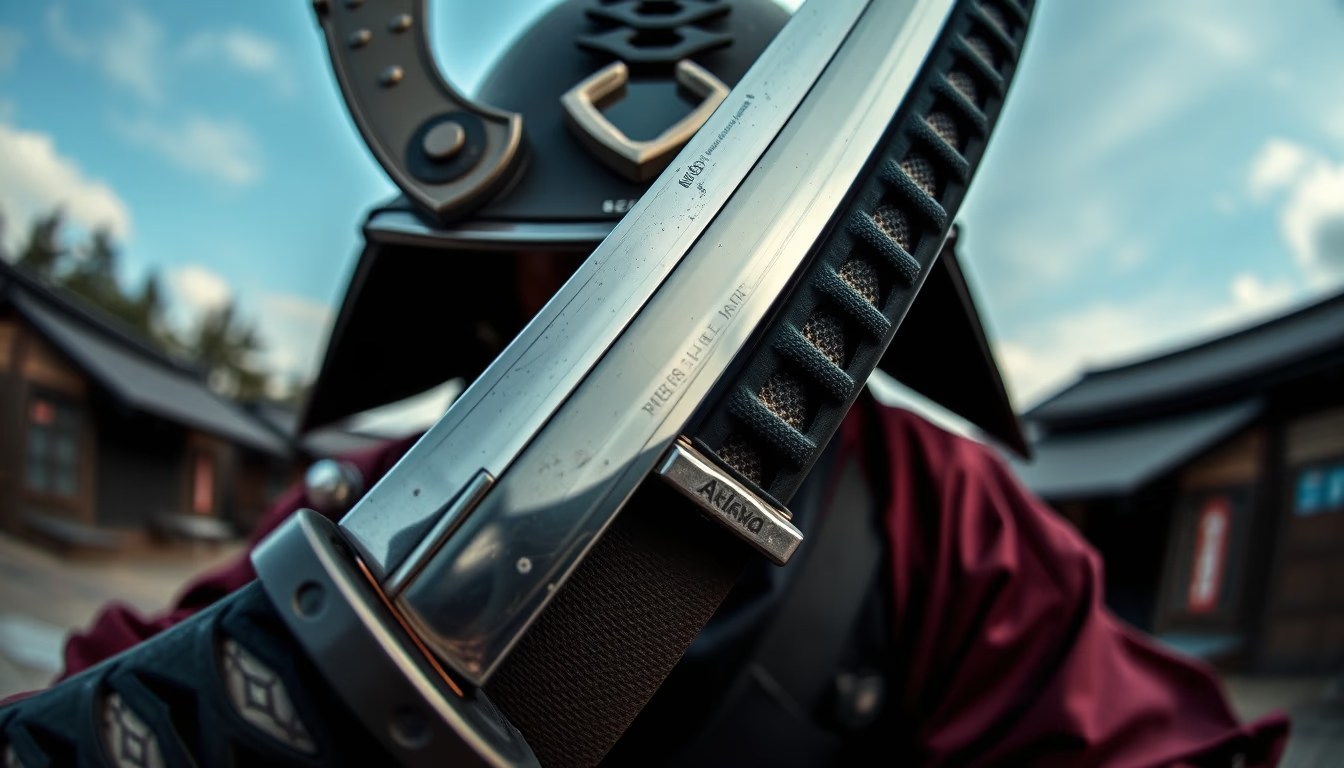
The samurai katana is a curved, single-edged Japanese sword, symbol of the feudal warrior class and a masterpiece of metallurgy.
About this subject
The katana emerged during the Kamakura period (1185, 1333), when samurai needed a faster, more efficient weapon for mounted combat. Unlike earlier straight swords like the tachi, its curvature allowed quicker draws and cuts. The blade was forged from high-carbon steel (tamahagane), folded repeatedly to eliminate impurities and create layers that provided both strength and flexibility.
The differential hardening process produced a harder edge and a softer spine, resulting in the distinctive hamon (temper line). This technique required extreme skill, and each sword was unique. The katana was not merely a weapon; it was considered the samurai's soul. Fittings such as the tsuka (hilt) and tsuba (guard) were elaborately decorated and often passed down as family heirlooms.
During the Edo period, carrying a katana became a privilege exclusive to the samurai class, symbolizing status and honor. With the Meiji Restoration in 1868, sword use was restricted, and many artisans lost their livelihoods. However, the tradition survived. Today, katana production is regulated in Japan, and the finest examples are designated National Treasures.
The katana also exerts great influence on global pop culture, appearing in films, anime, and games. Its design and mystique make it a globally recognized icon. Despite its fame, few people know that an authentic katana can take months to be forged by a master swordsmith.
Frequently Asked Questions
What differentiates a katana from other Japanese swords?
The katana is distinguished by its moderate curvature, single-edged blade, and length of about 60 to 80 cm. It is wielded with both hands and has a long grip. Unlike the tachi, which was worn suspended edge-down, the katana is worn edge-up, allowing a quick draw.
How is a traditional katana made?
A traditional katana is forged from tamahagane steel, obtained from iron sand. The steel is heated, hammered, and folded repeatedly to remove impurities and create layers. A clay coating is applied before quenching, resulting in the hamon. The process can take months and involves meticulous polishing to reveal the steel's texture.
What is the cultural importance of the katana to samurai?
The katana was more than a weapon to samurai; it was a symbol of their soul and honor. It represented the warrior spirit and was treated with near reverence. Losing the katana in battle was a great dishonor. Additionally, the sword was often an art object and family heirloom passed down through generations.
Direct URL
https://pub-c7d6a6ea828543ac903a74a341ccb2e1.r2.dev/imagens/samurai-katana-travel-photography-p2.avifHow to credit
Include a visible link back to UtilizAí. Copy one of the snippets below:
<a href="https://xn--utiliza-eza.com/en/midia/imagens/samurai-katana-travel-photography-p2">Samurai katana</a> by <a href="https://xn--utiliza-eza.com">UtilizAí</a>, licensed under <a href="https://creativecommons.org/licenses/by/4.0/">CC BY 4.0</a>.
[Samurai katana](https://xn--utiliza-eza.com/en/midia/imagens/samurai-katana-travel-photography-p2) by [UtilizAí](https://xn--utiliza-eza.com), CC BY 4.0
License: CC-BY-4.0