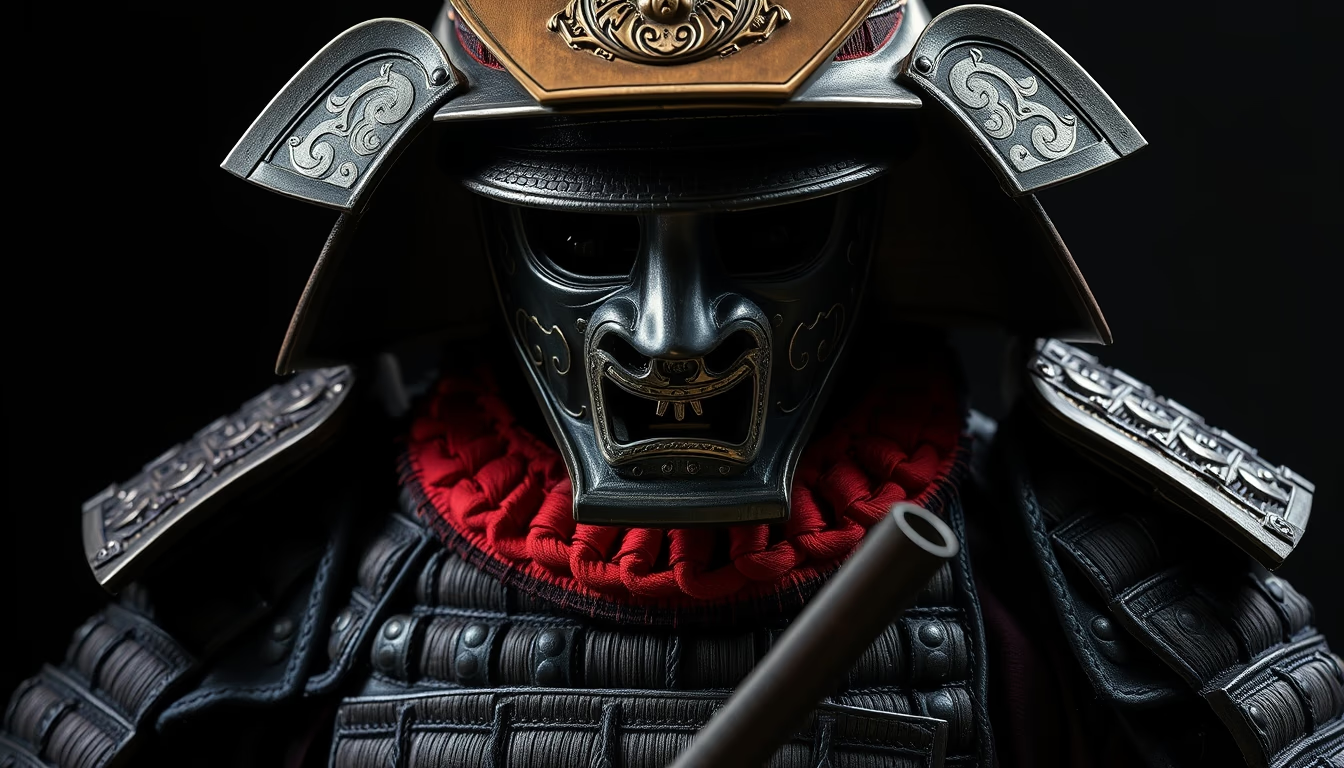
Samurai katana
1344×768 · AVIF · CC BY 4.0
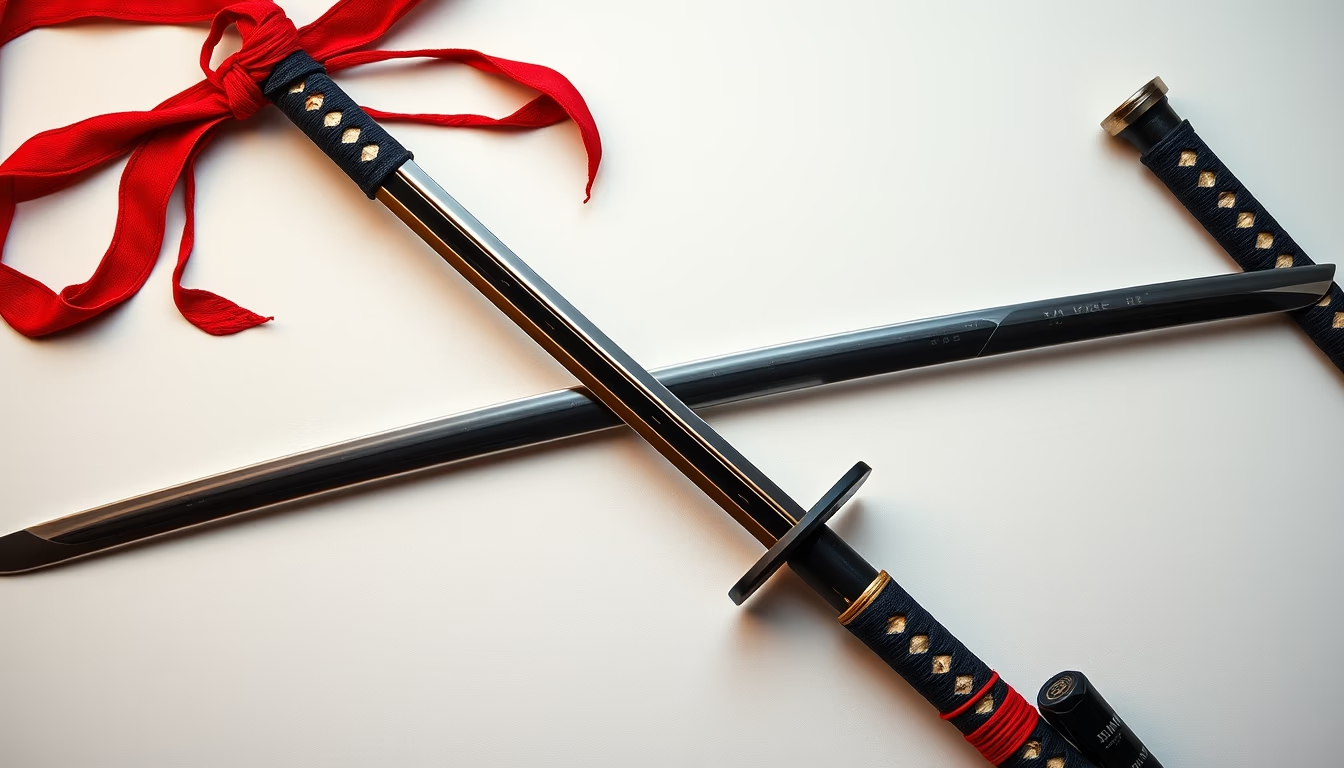
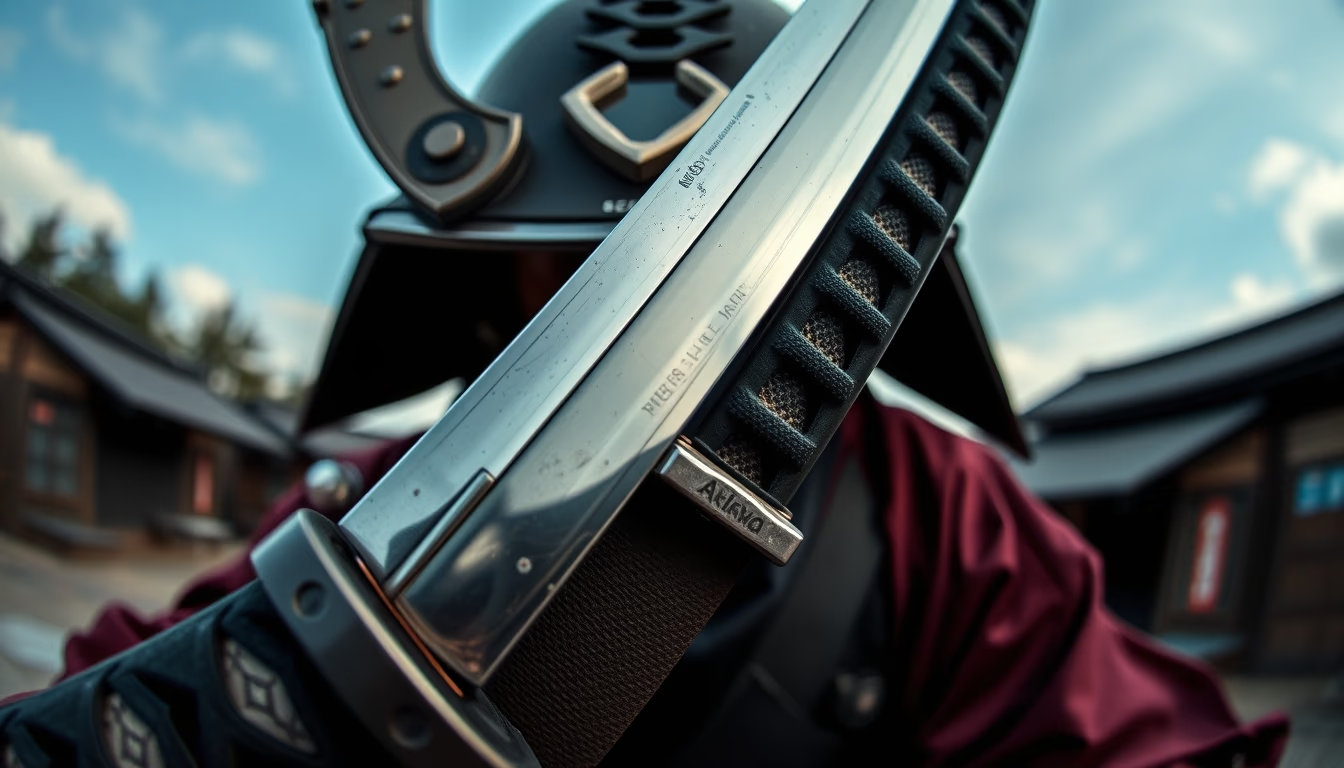
The katana is a curved Japanese sword used by samurai, symbolizing honor and martial skill in feudal Japan.
About this subject
The katana is a Japanese sword characterized by its curved, single-edged blade, designed for precise and swift cuts. Its history dates back to the Kamakura period (1185, 1333), when samurai needed an effective weapon on horseback. The forging process involves repeated folding of steel, creating a blade with thousands of layers that combine hardness and flexibility. This artisanal technique is recognized worldwide as an intangible cultural heritage by UNESCO.
In feudal Japan, the katana was not merely a weapon but the soul of the samurai. It was worn daily and considered an extension of the warrior. The bushido code emphasized respect for the sword, and rituals such as test cutting (tameshigiri) were practiced to assess the wielder's skill. During the Edo period (1603, 1868), the katana became a status symbol and was often adorned with decorative fittings, such as the guard (tsuba) and the hilt (tsuka) wrapped in stingray skin.
The katana blade has a characteristic curvature (sori) that enables powerful strikes and facilitates quick drawing. Unlike Western swords, the katana is wielded with both hands and its tip (kissaki) is sharpened with precision. Traditional steel, called tamahagane, is produced in clay furnaces from iron sand. Differential hardening creates an undulating line (hamon) that reveals the beauty and quality of the smith's work.
Today, antique katanas are valuable collector's items and objects of study in Japanese museums. While modern production exists, only swords made with traditional techniques and signed by registered smiths are considered genuine. Many belong to samurai families and are passed down as heirlooms. The katana remains a cultural icon, inspiring films, anime, and martial arts such as kendo and iaido.
Frequently Asked Questions
What is the difference between a katana and a tachi?
The katana has a shorter blade and a gentle curve, worn edge-up through the obi. The tachi is longer and more curved, worn suspended edge-down, typical of cavalry.
How long does it take to forge a traditional katana?
The process can take months, from preparing tamahagane steel to final polishing. A skilled smith produces only a few swords per year.
Can a katana truly cut an enemy in half?
Yes, in trained hands, a katana can cut through human bodies and even light armor, but this depends on technique and blade quality.
Direct URL
https://pub-c7d6a6ea828543ac903a74a341ccb2e1.r2.dev/imagens/samurai-katana-isometric-flat-lay-p10.avifHow to credit
Include a visible link back to UtilizAí. Copy one of the snippets below:
<a href="https://xn--utiliza-eza.com/en/midia/imagens/samurai-katana-isometric-flat-lay-p10">Samurai katana</a> by <a href="https://xn--utiliza-eza.com">UtilizAí</a>, licensed under <a href="https://creativecommons.org/licenses/by/4.0/">CC BY 4.0</a>.
[Samurai katana](https://xn--utiliza-eza.com/en/midia/imagens/samurai-katana-isometric-flat-lay-p10) by [UtilizAí](https://xn--utiliza-eza.com), CC BY 4.0
License: CC-BY-4.0