Samurai katana
1344×768 · AVIF · CC BY 4.0
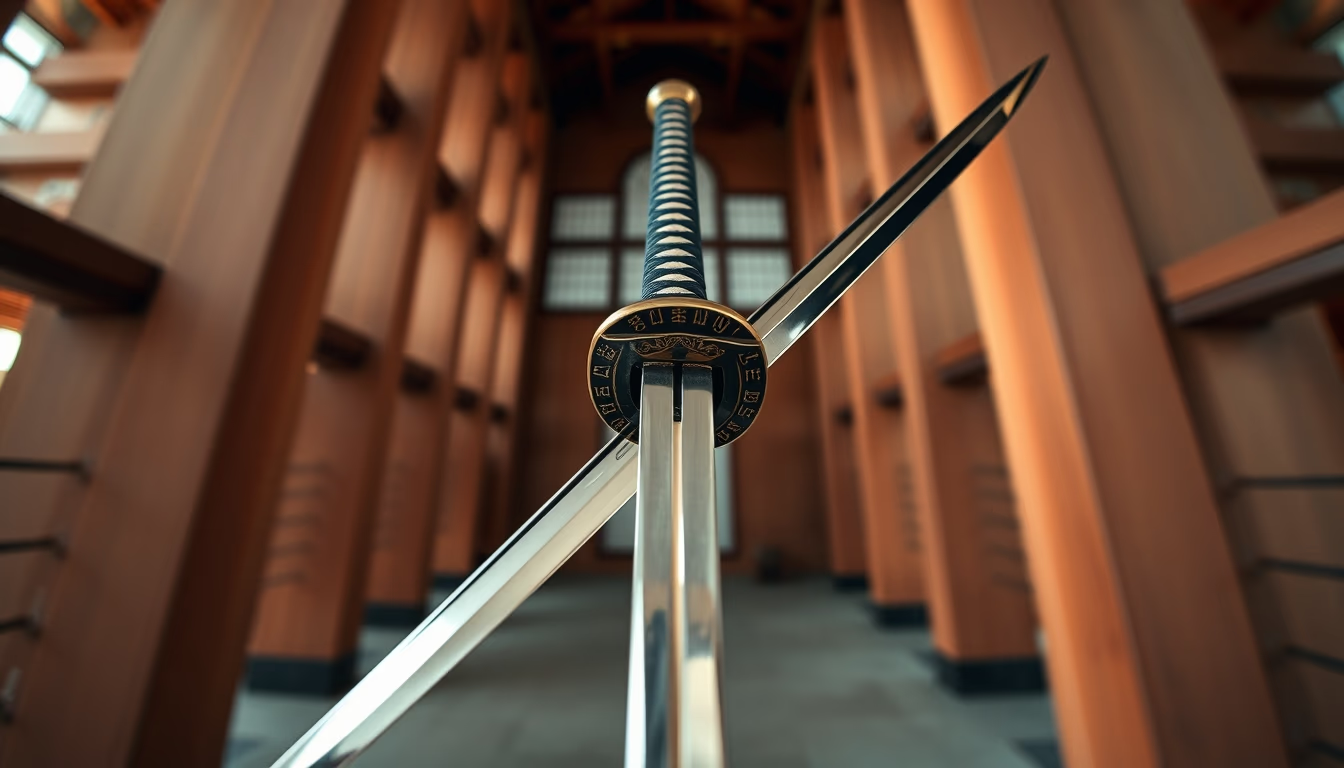
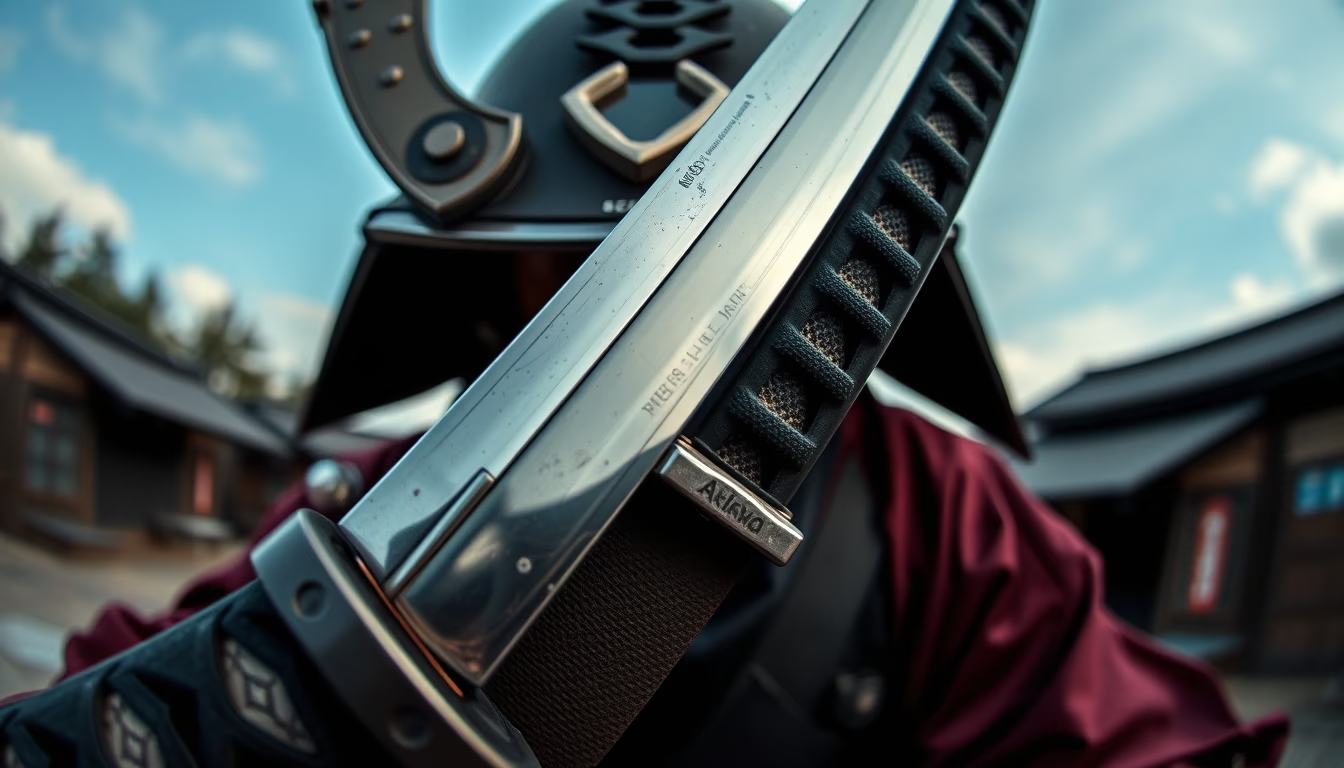
The katana is a curved Japanese sword, symbol of the samurai class and a masterpiece of traditional Japanese metallurgy.
About this subject
The katana is traditionally classified as a long sword (daitō) with a curved, single-edged blade forged from high-carbon steel. It was the primary weapon of the samurai during Japan's feudal period (12th, 19th centuries). The curvature (sori) and differential hardening process produce an extremely sharp edge and a resilient spine.
Crafting a katana involves repeatedly folding and hammering the steel (tamahagane) to remove impurities and create layers, resulting in a characteristic grain pattern (hada). The blade edge (ha) is coated with clay and then heated, creating a unique temper line (hamon) on each sword. After forging, the katana undergoes polishing (togishi) to reveal the luster and texture of the steel.
Samurai regarded the katana not only as a weapon but as an extension of their soul. It was used as a status symbol and in rituals as a meditation object. The katana was also central to the bushido code, emphasizing honor and discipline. After the Meiji Restoration (1868), sword carrying was restricted, but the art of swordsmanship (kendo and iaido) kept the tradition alive.
Today, antique katanas are National Treasures in Japan, and those forged by modern masters follow rigorous ancestral techniques. The katana has also influenced Western pop culture, appearing in films, anime, and video games, solidifying its status as a global icon of Japanese culture.
Frequently Asked Questions
What is the difference between a katana and a common samurai sword?
The katana is a specific type of samurai sword, characterized by a long blade (over 60 cm), pronounced curvature, and two-handed grip. Other swords like wakizashi (short) and tanto (knife) were also used by samurai.
How many folds of steel are needed to forge a katana?
Traditionally, the steel is folded and hammered 8 to 16 times, creating tens of thousands of layers. Each fold removes impurities and homogenizes carbon, resulting in a strong yet flexible blade.
Is it allowed to use a katana as a real combat weapon today?
No. Modern katanas are typically made for display, martial arts practice (such as iaido), or collection. Actual combat weapons are subject to specific regulations in each country.
Direct URL
https://pub-c7d6a6ea828543ac903a74a341ccb2e1.r2.dev/imagens/samurai-katana-architectural-photography-p5.avifHow to credit
Include a visible link back to UtilizAí. Copy one of the snippets below:
<a href="https://xn--utiliza-eza.com/en/midia/imagens/samurai-katana-architectural-photography-p5">Samurai katana</a> by <a href="https://xn--utiliza-eza.com">UtilizAí</a>, licensed under <a href="https://creativecommons.org/licenses/by/4.0/">CC BY 4.0</a>.
[Samurai katana](https://xn--utiliza-eza.com/en/midia/imagens/samurai-katana-architectural-photography-p5) by [UtilizAí](https://xn--utiliza-eza.com), CC BY 4.0
License: CC-BY-4.0