Samurai armor detail
1344×768 · AVIF · CC BY 4.0
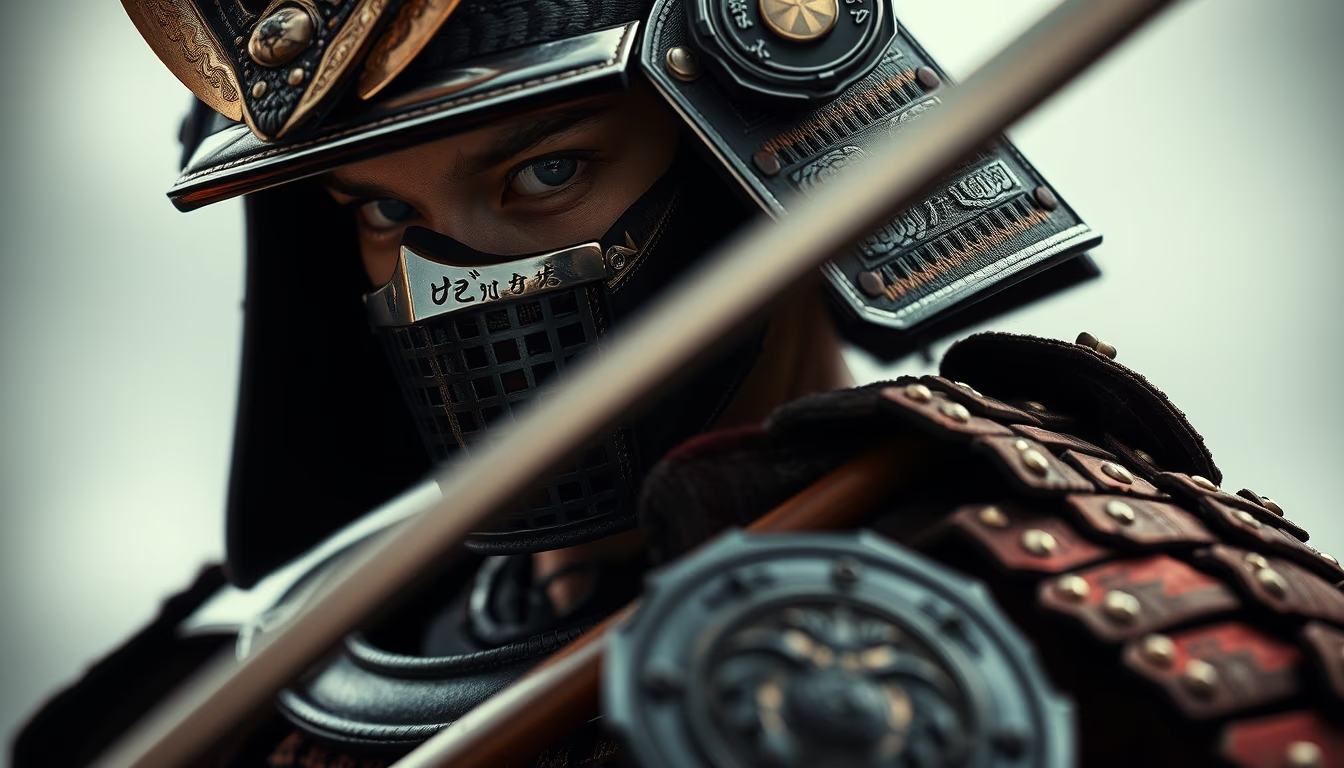
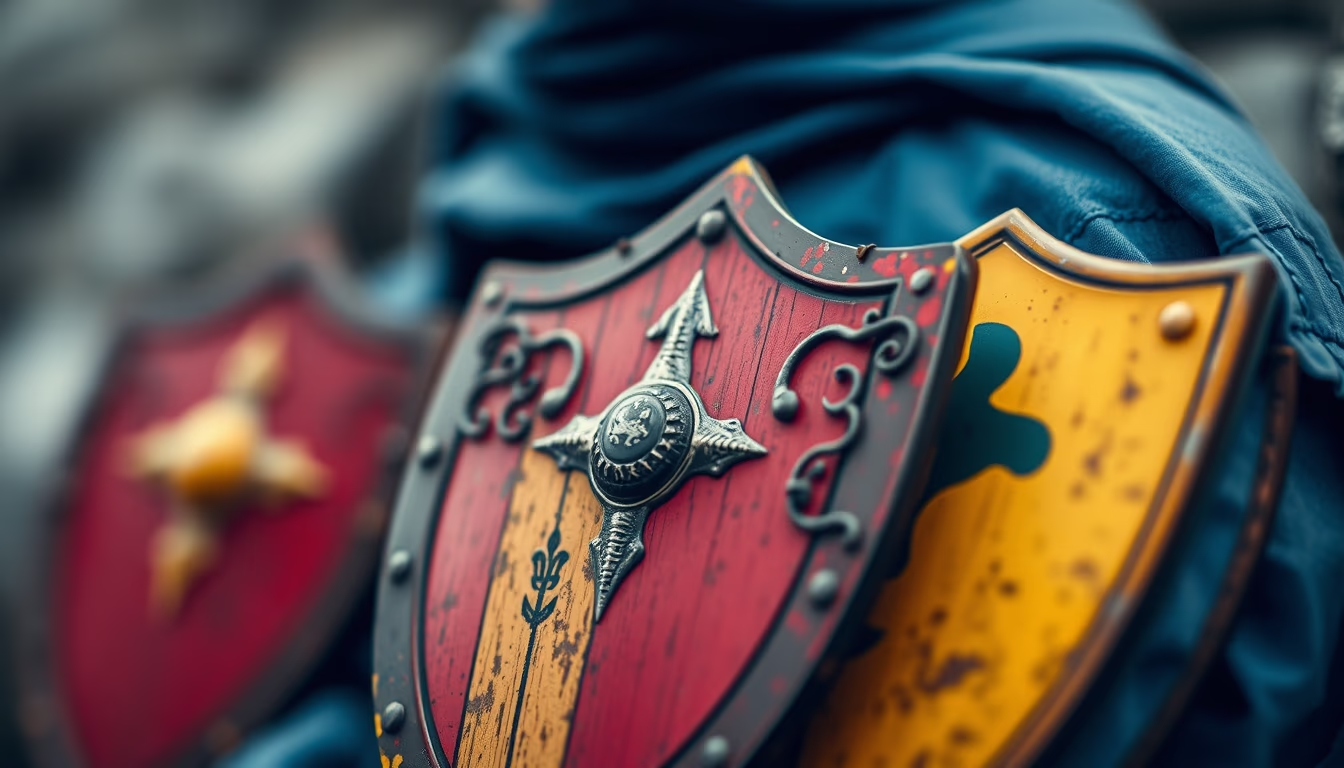
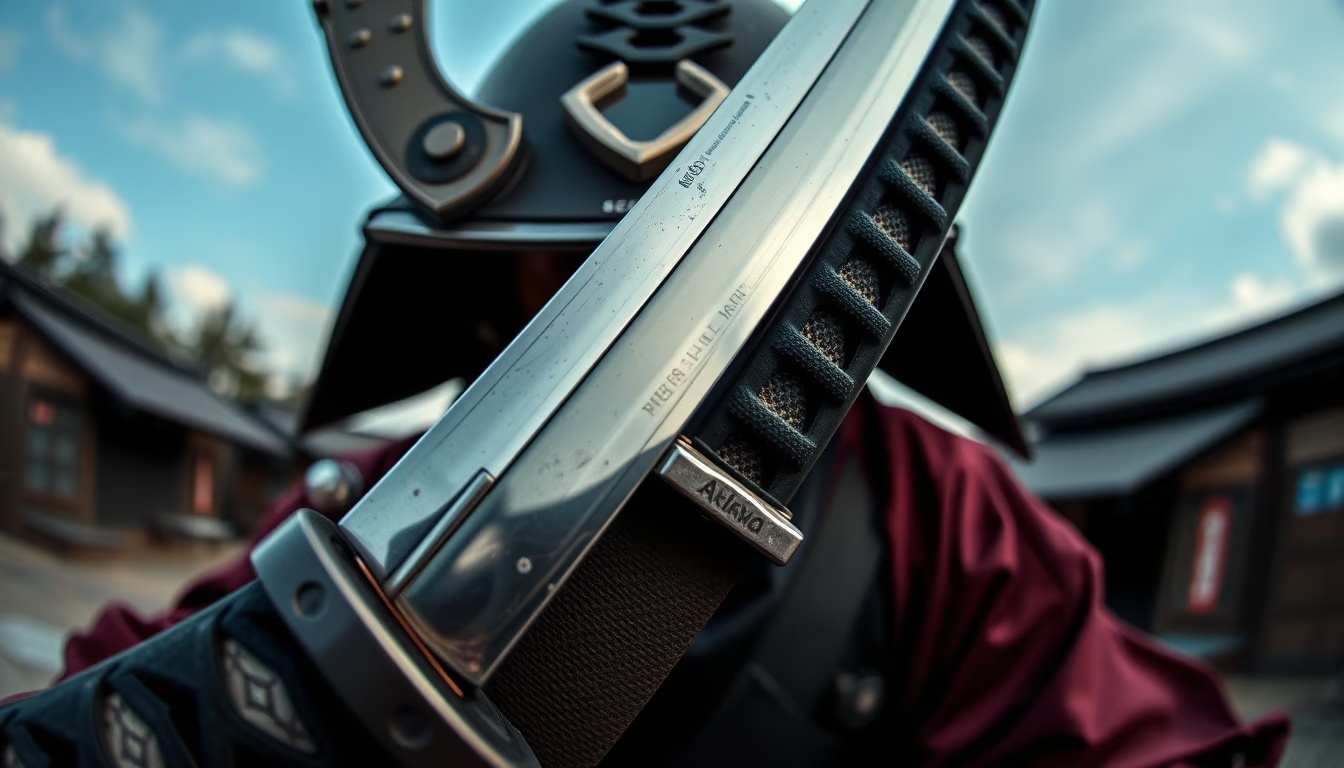
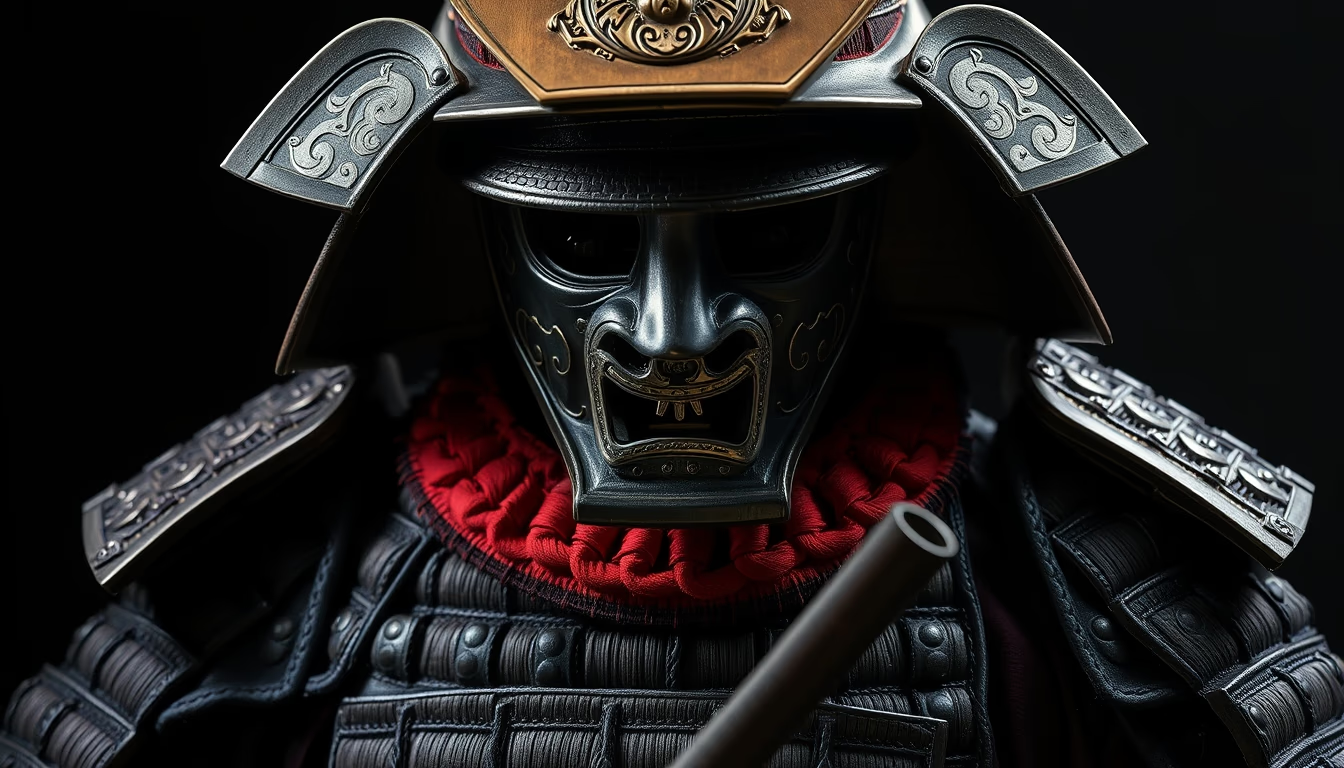
Details of samurai armor reveal the technical and artistic sophistication of Japanese warriors.
About this subject
Samurai armor, known as yoroi, is a masterpiece of functionality and aesthetics that evolved over centuries in feudal Japan. Composed of lacquered metal plates and leather interwoven with silk cords, it protected the warrior without sacrificing mobility. Each component, from the kabuto (helmet) to the mempo (face guard), was meticulously designed and decorated with clan symbols, dragons, or Buddhist motifs, reflecting status and beliefs. The manufacturing process involved specialized artisans in metalworking, blacksmithing, lacquering, and weaving, who could take months to complete a single set.
The armor's details are not merely ornamental: the odoshi (lacing) cords had a structural function, while the urushi lacquer protected against rust and moisture. Kabuto often featured crests (maedate) that identified the wearer on the battlefield. The armor's evolution reflects Japan's tactical changes, from the heavy cavalry armor of the Heian period (794-1185) to the lighter, more ceremonial armor of the Edo period (1603-1868).
The influence of samurai aesthetics transcends Japan: contemporary fashion designers like Alexander McQueen and Yohji Yamamoto have incorporated yoroi elements into haute couture collections. The contrast between metal rigidity and cord fluidity inspired modern tailoring. In Brazil, exhibitions of samurai armor can be seen at the São Paulo Museum of Art and the National Historical Museum in Rio de Janeiro, highlighting the precision of Eastern artisans.
Interestingly, samurai armor was not only used in war: during the Edo period, it became a display of power and family legacy, with pieces passed down through generations. Today, well-preserved examples are collector's items and key pieces in Asian art auctions, potentially reaching millions of dollars. The beauty of details such as gold inlays and dragon carvings continues to fascinate historians and enthusiasts.
Frequently Asked Questions
What is the function of the laced cords on samurai armor?
The odoshi cords not only decorate but also connect the metal and leather plates, allowing flexibility and impact absorption. They were made of braided silk and dyed in colors indicating the warrior's clan.
How does samurai armor influence modern fashion?
Designers like Alexander McQueen and Yohji Yamamoto use the yoroi silhouette and lacing in haute couture. The contrast between rigid and pliable materials inspires contemporary pieces that evoke protection and elegance.
Where can I see samurai armor in Brazil?
At the São Paulo Museum of Art (MASP) and the National Historical Museum in Rio de Janeiro, there are exhibitions with original Japanese armor. Temporary shows also occur at cultural centers like Centro Cultural Banco do Brasil.
Direct URL
https://pub-c7d6a6ea828543ac903a74a341ccb2e1.r2.dev/imagens/samurai-armor-detail-high-fashion-editorial-p7.avifHow to credit
Include a visible link back to UtilizAí. Copy one of the snippets below:
<a href="https://xn--utiliza-eza.com/en/midia/imagens/samurai-armor-detail-high-fashion-editorial-p7">Samurai armor detail</a> by <a href="https://xn--utiliza-eza.com">UtilizAí</a>, licensed under <a href="https://creativecommons.org/licenses/by/4.0/">CC BY 4.0</a>.
[Samurai armor detail](https://xn--utiliza-eza.com/en/midia/imagens/samurai-armor-detail-high-fashion-editorial-p7) by [UtilizAí](https://xn--utiliza-eza.com), CC BY 4.0
License: CC-BY-4.0