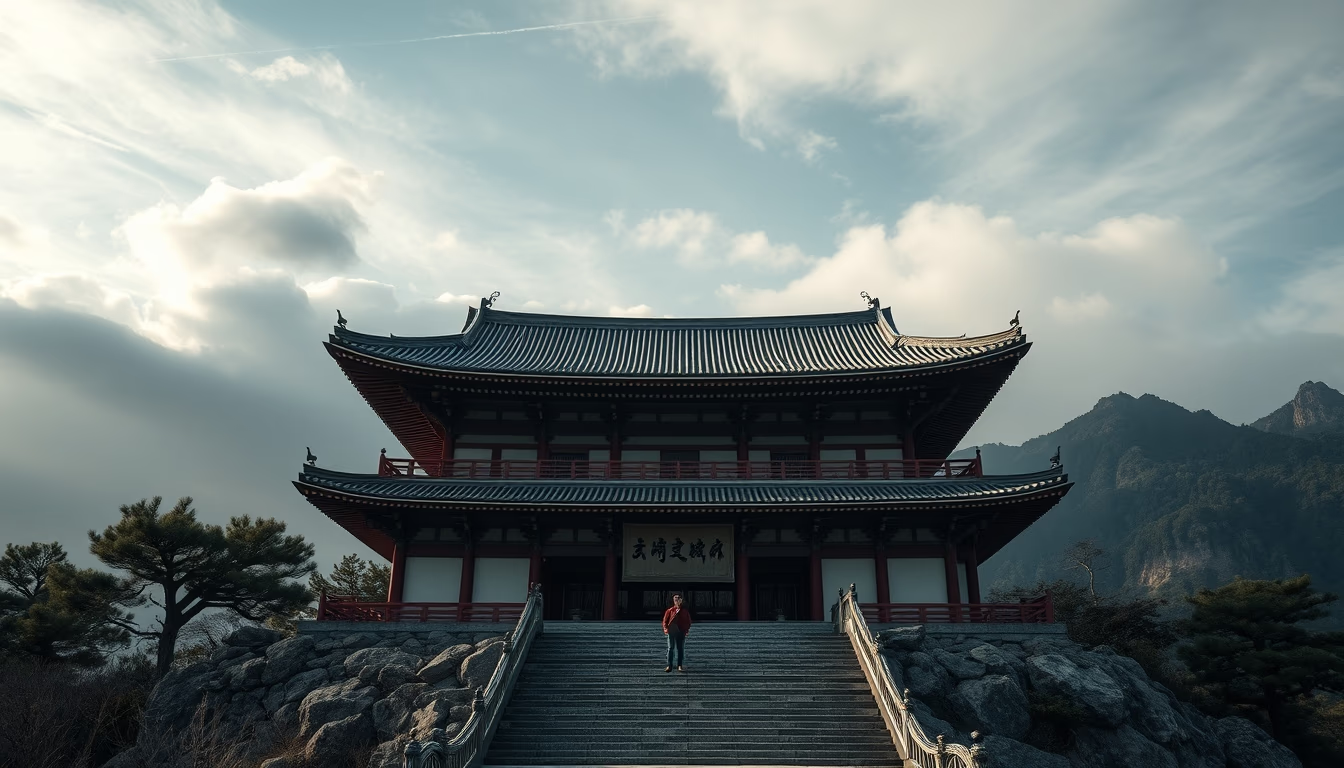
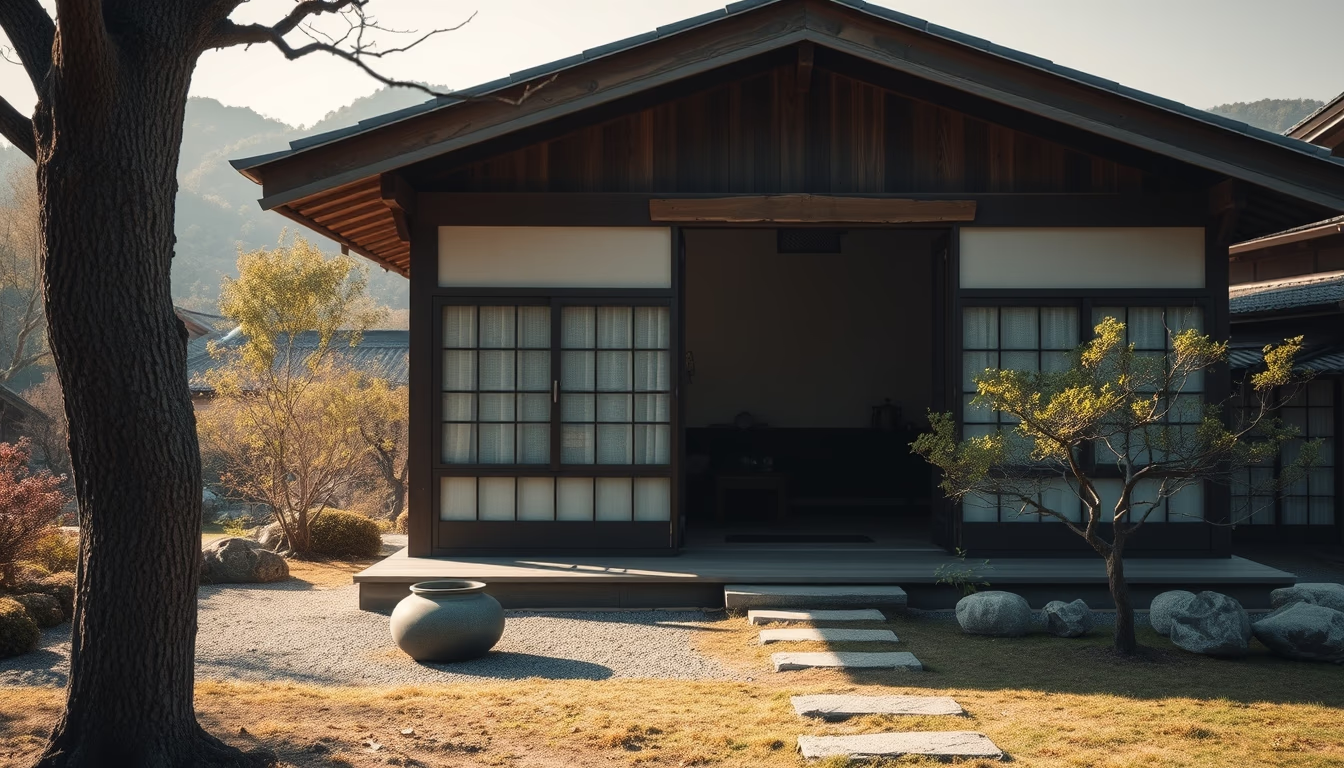
Rock garden raked patterns
1344×768 · AVIF · CC BY 4.0
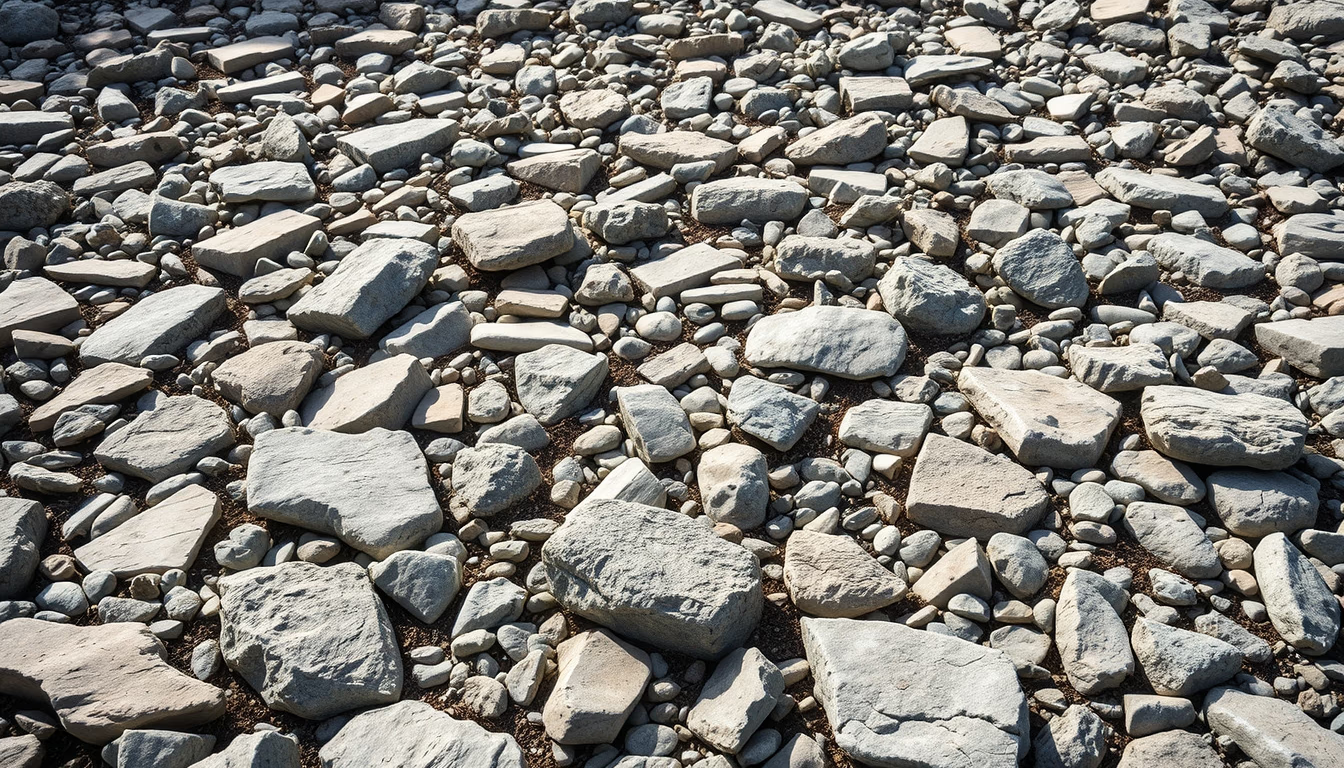
Raked sand patterns in Japanese zen rock gardens symbolize water and the fluidity of mind, an ancient art blending aesthetics and meditation.
About this subject
Japanese rock gardens, known as karesansui (dry landscape), are a form of Zen minimalism that emerged during the Muromachi period (14th-16th centuries). The raked sand pattern, often called suibyo (water painting), mimics waves, currents, or whirlpools, abstractly representing water. The act of raking sand with a wooden rake is a meditative practice requiring focus and precision. Zen monks use long, fluid strokes to create straight lines or concentric curves, each stroke intentional. The famous Ryoan-ji temple in Kyoto houses one of the most iconic examples, where 15 stones are placed on a bed of meticulously raked white gravel. Daily maintenance is essential, as patterns are easily disturbed by wind or animals. This practice not only beautifies the space but also serves as mind training, encouraging present-moment awareness. Patterns vary: straight parallel lines symbolize calmness, while concentric circles around stones represent islands or mountains. The choice of gravel is important, with white granite or quartz preferred for its neutral color and light reflection. Rock gardens are found in Buddhist temples across Japan and have inspired Western landscape designers. The blend of simplicity and symbolic depth makes these gardens an icon of Eastern design and Zen philosophy.
Frequently Asked Questions
What is the meaning of sand patterns in a zen garden?
Sand patterns, especially wavy lines, symbolize water and the fluidity of the mind. They represent rivers, oceans, or the transience of existence, aiding meditation and introspection.
How are raked patterns made in rock gardens?
A wooden rake with wide teeth is used to create straight or curved lines. The gardener walks with steady, fluid movements, adjusting pressure for even depth.
What do concentric circles around stones represent?
Concentric circles often represent islands or mountains rising from the sea, suggesting stability and permanence within the flowing landscape.
Direct URL
https://pub-c7d6a6ea828543ac903a74a341ccb2e1.r2.dev/imagens/rock-garden-raked-patterns-minimalist-composition-fresh14.avifHow to credit
Include a visible link back to UtilizAí. Copy one of the snippets below:
<a href="https://xn--utiliza-eza.com/en/midia/imagens/rock-garden-raked-patterns-minimalist-composition-fresh14">Rock garden raked patterns</a> by <a href="https://xn--utiliza-eza.com">UtilizAí</a>, licensed under <a href="https://creativecommons.org/licenses/by/4.0/">CC BY 4.0</a>.
[Rock garden raked patterns](https://xn--utiliza-eza.com/en/midia/imagens/rock-garden-raked-patterns-minimalist-composition-fresh14) by [UtilizAí](https://xn--utiliza-eza.com), CC BY 4.0
License: CC-BY-4.0