Robotic prosthesis hand
1344×768 · AVIF · CC BY 4.0
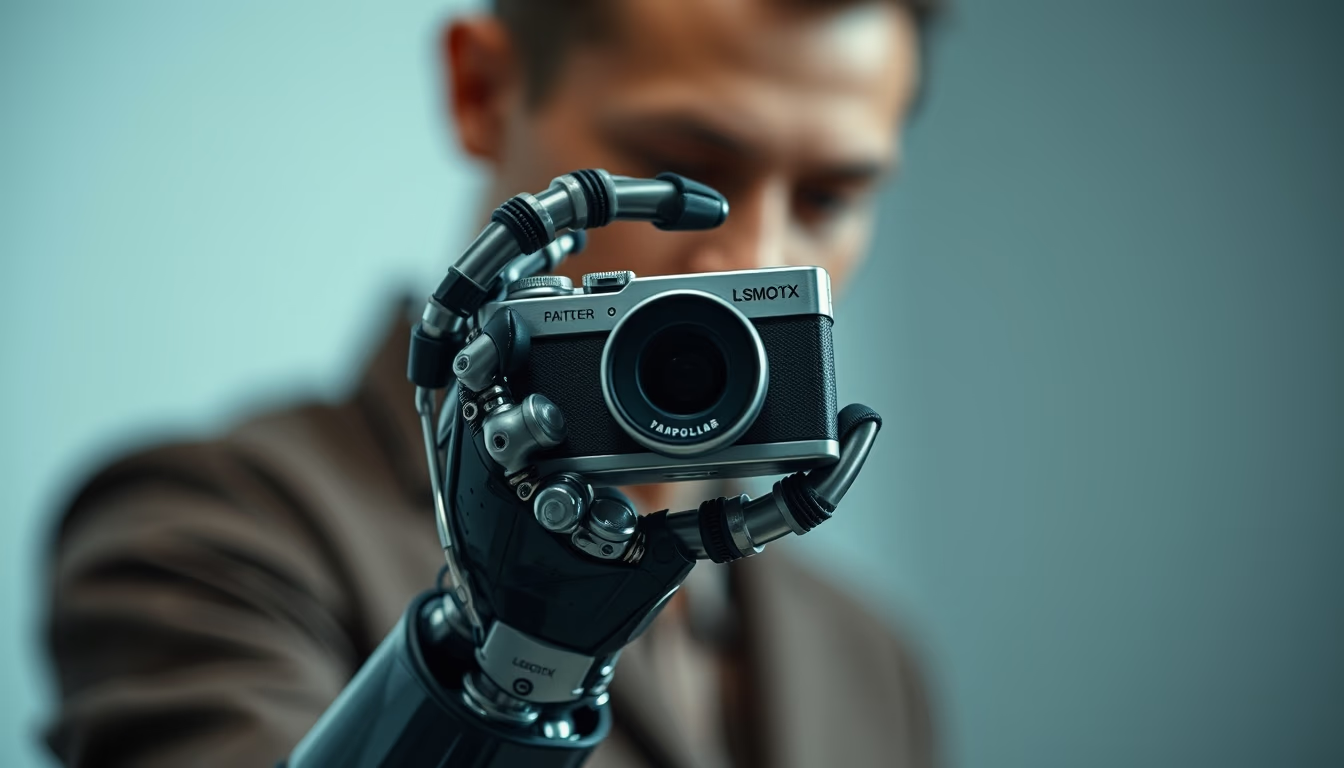
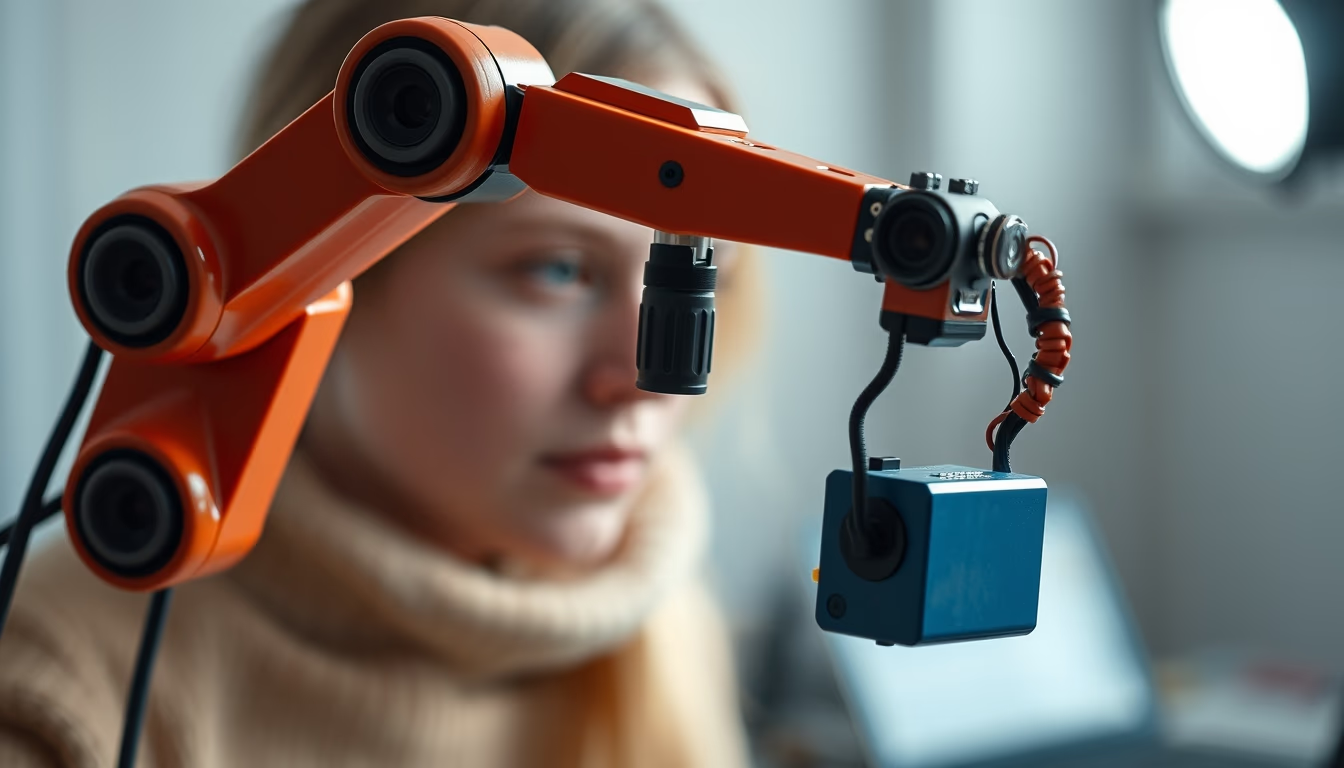
Mãos protéticas robóticas restauram movimentos e sensações, integrando tecnologia e reabilitação para amputados.
Sobre o tema
Uma mão protética robótica é um dispositivo avançado que substitui uma mão natural perdida, utilizando motores, sensores e inteligência artificial para imitar movimentos biológicos. Diferente das próteses passivas tradicionais, essas mãos biónicas permitem a realização de tarefas cotidianas, como segurar objetos e escrever, por meio da captura de sinais elétricos dos músculos remanescentes do usuário, técnica conhecida como controle mioelétrico.
Os primeiros modelos modernos surgiram na década de 1960, mas foi nas últimas duas décadas que a miniaturização dos componentes, o desenvolvimento de baterias mais eficientes e a integração com sensores táteis impulsionaram o campo. Empresas como Össur (Islândia), Touch Bionics (Reino Unido) e Ottobock (Alemanha) oferecem mãos protéticas que proporcionam até 14 tipos de garras e pinças, além de feedback sensorial limitado. Pesquisas da Universidade de Utah e do MIT avançam na conexão direta com o sistema nervoso, permitindo sensações de toque e temperatura.
No Brasil, a tecnologia ainda é restrita a centros especializados e convênios de alto custo, mas iniciativas como o projeto Prótese Nacional do SUS e laboratórios universitários (USP, UFSC) buscam reduzir os custos. A demanda por essas próteses cresce com o aumento de amputações por diabetes e acidentes de trânsito. A expectativa de vida dos dispositivos, atualmente de cerca de 3 a 5 anos, e a necessidade de ajuste fino (muscle tuning) são desafios constantes.
Curiosamente, a ficção científica das décadas de 1970 e 1980, como o personagem Luke Skywalker em "O Império Contra-Ataca", previu mãos robóticas, mas a realidade ainda não alcançou a destreza e a sensibilidade naturais. Apesar dos avanços, o custo elevado (de R$ 50 mil a mais de R$ 300 mil) e a complexidade da adaptação psicológica impedem a democratização total. No entanto, cada nova geração de próteses robóticas representa um passo significativo na melhoria da qualidade de vida dos amputados.
Perguntas frequentes
Como funciona uma mão protética robótica?
Ela capta sinais elétricos dos músculos do usuário por meio de sensores na pele. Esses sinais são processados por um microcontrolador que aciona motores, realizando movimentos como abrir e fechar a mão.
Quanto custa uma mão protética robótica no Brasil?
Os preços variam de R$ 50 mil a mais de R$ 300 mil, dependendo da tecnologia e do fabricante. Próteses mais simples pelo SUS podem ser gratuitas, mas com funcionalidade reduzida.
Qual a durabilidade de uma mão protética robótica?
A vida útil média é de 3 a 5 anos, com necessidade de manutenção periódica e substituição de componentes, como baterias e motores.
URL direta
https://pub-c7d6a6ea828543ac903a74a341ccb2e1.r2.dev/imagens/robotic-prosthesis-hand-lo-fi-disposable-camera-p3.avifComo creditar
Inclua um link visível de volta pro UtilizAí. Copie um dos snippets abaixo:
<a href="https://xn--utiliza-eza.com/midia/imagens/robotic-prosthesis-hand-lo-fi-disposable-camera-p3">Robotic prosthesis hand</a> by <a href="https://xn--utiliza-eza.com">UtilizAí</a>, licensed under <a href="https://creativecommons.org/licenses/by/4.0/">CC BY 4.0</a>.
[Robotic prosthesis hand](https://xn--utiliza-eza.com/midia/imagens/robotic-prosthesis-hand-lo-fi-disposable-camera-p3) by [UtilizAí](https://xn--utiliza-eza.com), CC BY 4.0
Licença: CC-BY-4.0