Robotic prosthesis hand
1344×768 · AVIF · CC BY 4.0
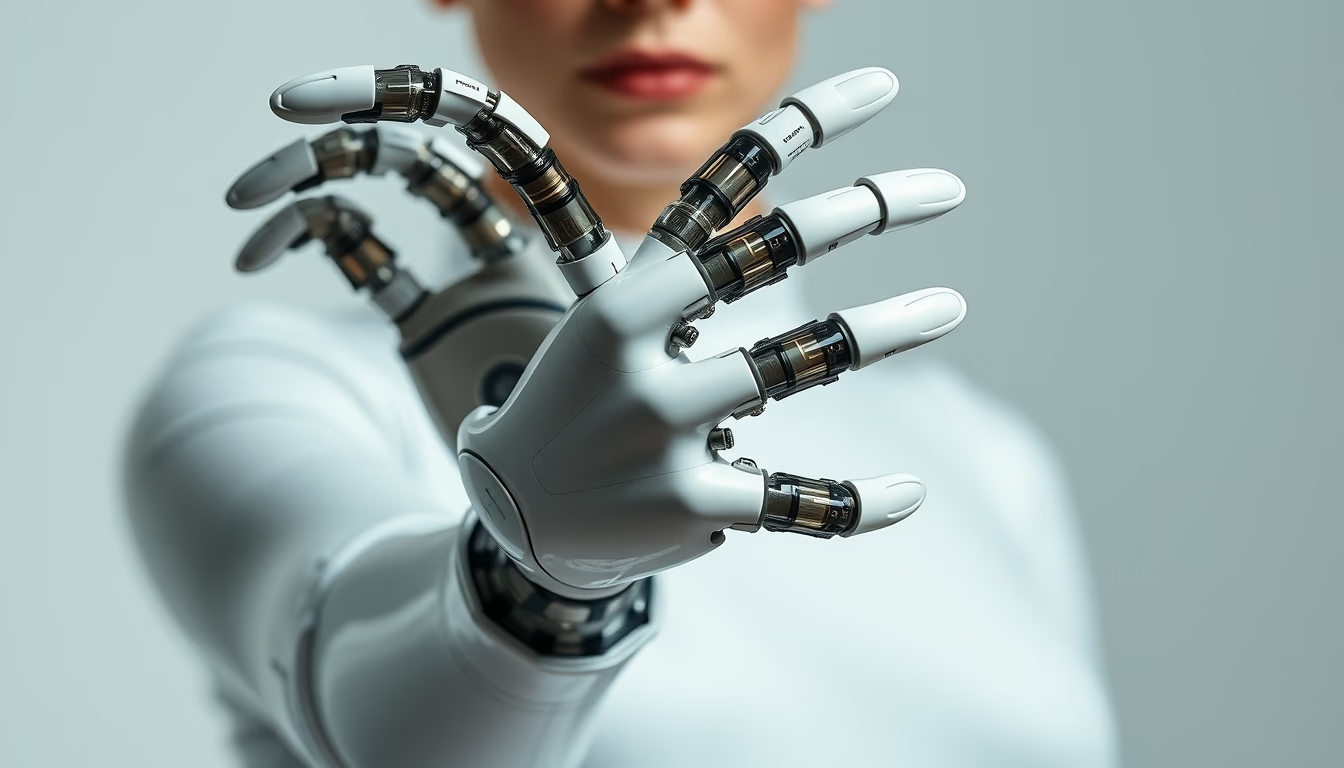
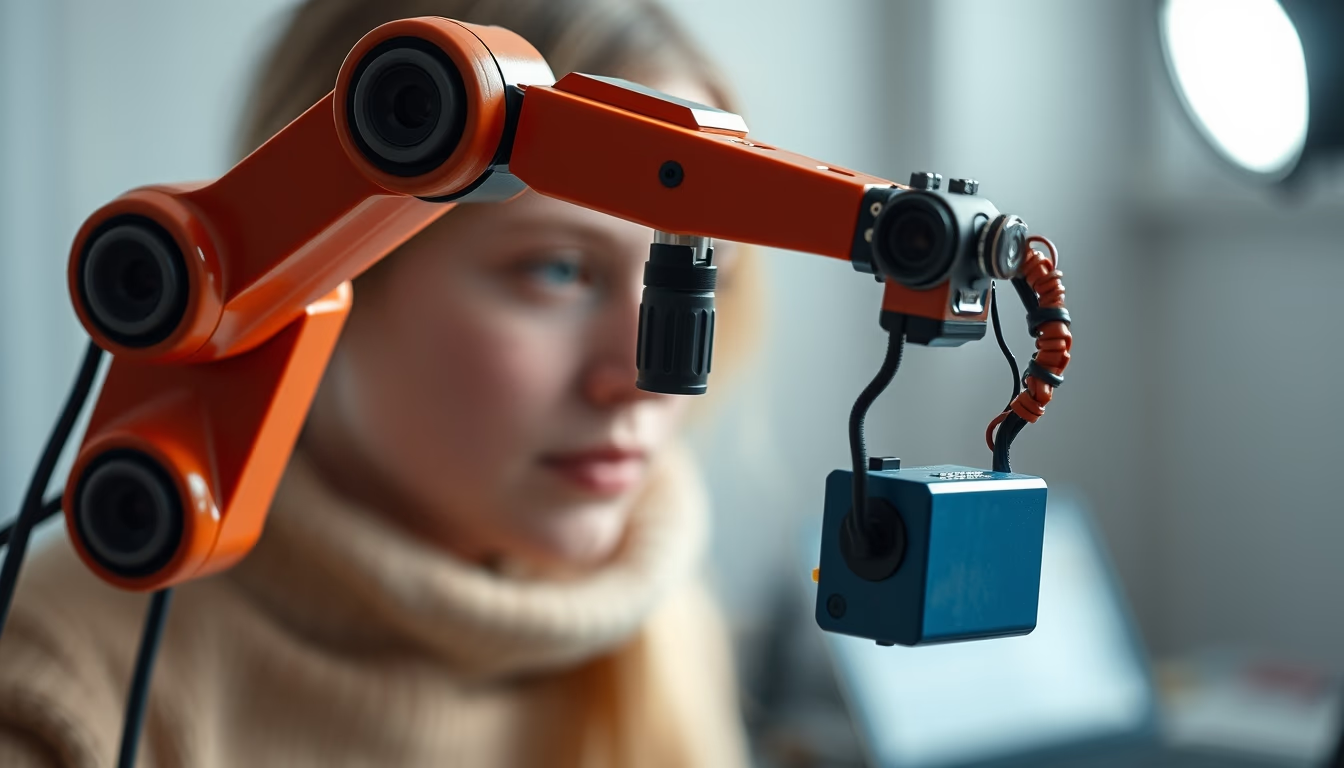
Robotic prosthetic hands combine precision engineering with design, restoring function and style to amputees.
About this subject
Robotic prosthetic hands represent a significant advance in rehabilitative medicine and assistive technology. Unlike traditional static prostheses, these devices use myoelectric sensors that capture electrical signals from the user's remaining muscles, enabling individual finger movements and precise grips. Modern models such as the i-limb or the Michelangelo Hand integrate microprocessors that can learn usage patterns and automatically adjust grip force, providing a more natural and intuitive experience.
The development of these prostheses involves areas such as robotics, materials science, and industrial design. Many are manufactured with lightweight materials like carbon fiber and aerospace aluminum, reducing weight without sacrificing strength. Lithium-ion battery autonomy can last a full day of moderate use, and charging is done via magnetic induction, eliminating exposed connectors. Beyond functionality, there is a growing aesthetic concern: some companies offer custom covers with 3D printing, patterns, or metallic finishes, allowing users to express their personality.
In the context of high fashion and editorial design, robotic prosthetic hands have appeared in fashion campaigns and photo shoots, challenging the stigma associated with disability. This intersection of technology and fashion not only promotes inclusion but also inspires new approaches in medical device design. Partnerships between companies like Open Bionics and designers have resulted in prostheses themed after movies and games, showing that functionality and aesthetics can go hand in hand.
Current research seeks to integrate tactile sensors that transmit sensations of pressure and temperature to the user, as well as neural implant control systems. Although still experimental, these innovations promise to make robotic prostheses even more indistinguishable from biological hands. Cost, however, remains a barrier: the most advanced models can exceed $100,000, limiting access in countries with restricted public health systems. Open-source initiatives and 3D printing have lowered costs, but quality and durability are still inferior.
Frequently Asked Questions
How does a robotic prosthetic hand work?
It uses myoelectric sensors to detect electrical signals from the user's muscles and converts them into finger movements. A microprocessor interprets these signals and controls motors to open, close, and position the hand.
What is the cost of a robotic hand prosthesis?
The most advanced models can cost between $50,000 and $100,000. Open-source or 3D-printed versions are more affordable but offer fewer features and less durability.
Are these prostheses used in fashion?
Yes, high-fashion brands have included robotic prosthetic hands in editorials and runway shows to promote inclusion and aesthetic innovation. Examples include collaborations with Open Bionics.
Direct URL
https://pub-c7d6a6ea828543ac903a74a341ccb2e1.r2.dev/imagens/robotic-prosthesis-hand-high-fashion-editorial-p0.avifHow to credit
Include a visible link back to UtilizAí. Copy one of the snippets below:
<a href="https://xn--utiliza-eza.com/en/midia/imagens/robotic-prosthesis-hand-high-fashion-editorial-p0">Robotic prosthesis hand</a> by <a href="https://xn--utiliza-eza.com">UtilizAí</a>, licensed under <a href="https://creativecommons.org/licenses/by/4.0/">CC BY 4.0</a>.
[Robotic prosthesis hand](https://xn--utiliza-eza.com/en/midia/imagens/robotic-prosthesis-hand-high-fashion-editorial-p0) by [UtilizAí](https://xn--utiliza-eza.com), CC BY 4.0
License: CC-BY-4.0