Robotic exoskeleton
1344×768 · AVIF · CC BY 4.0

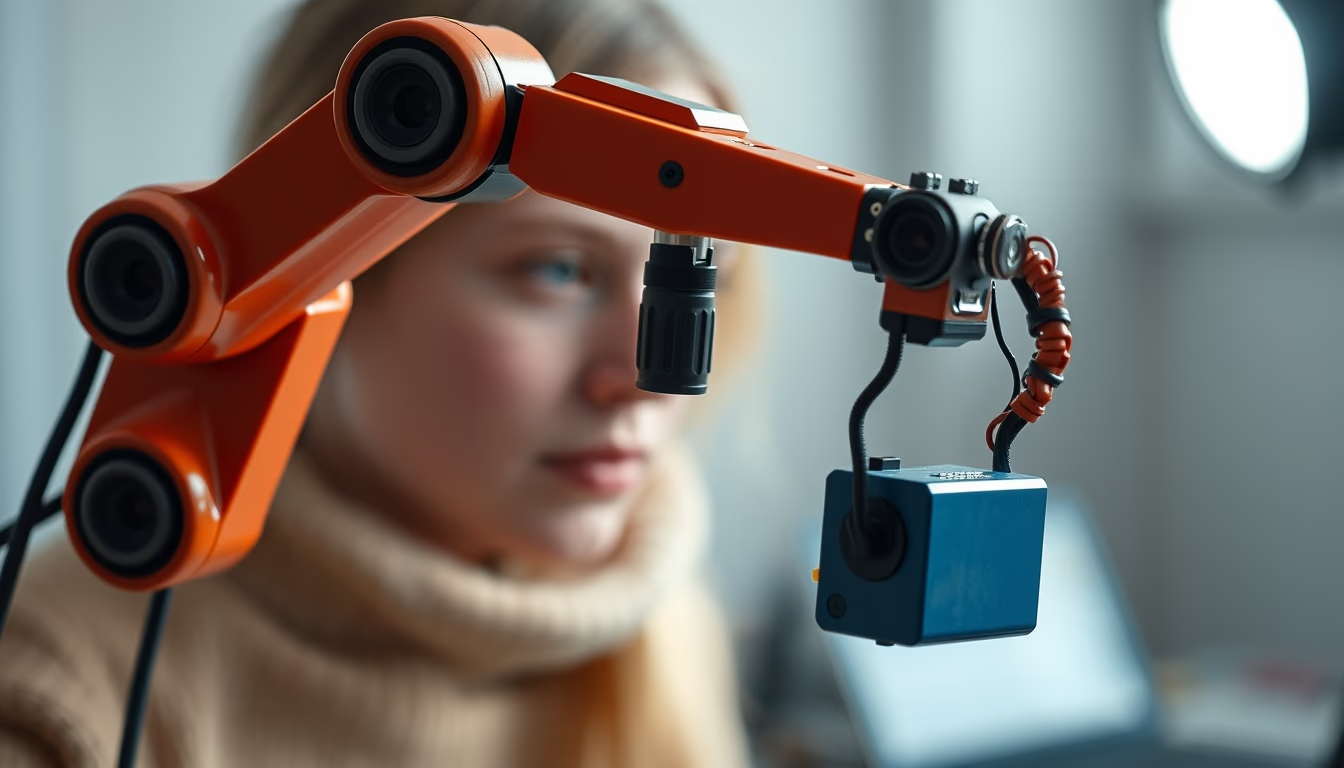
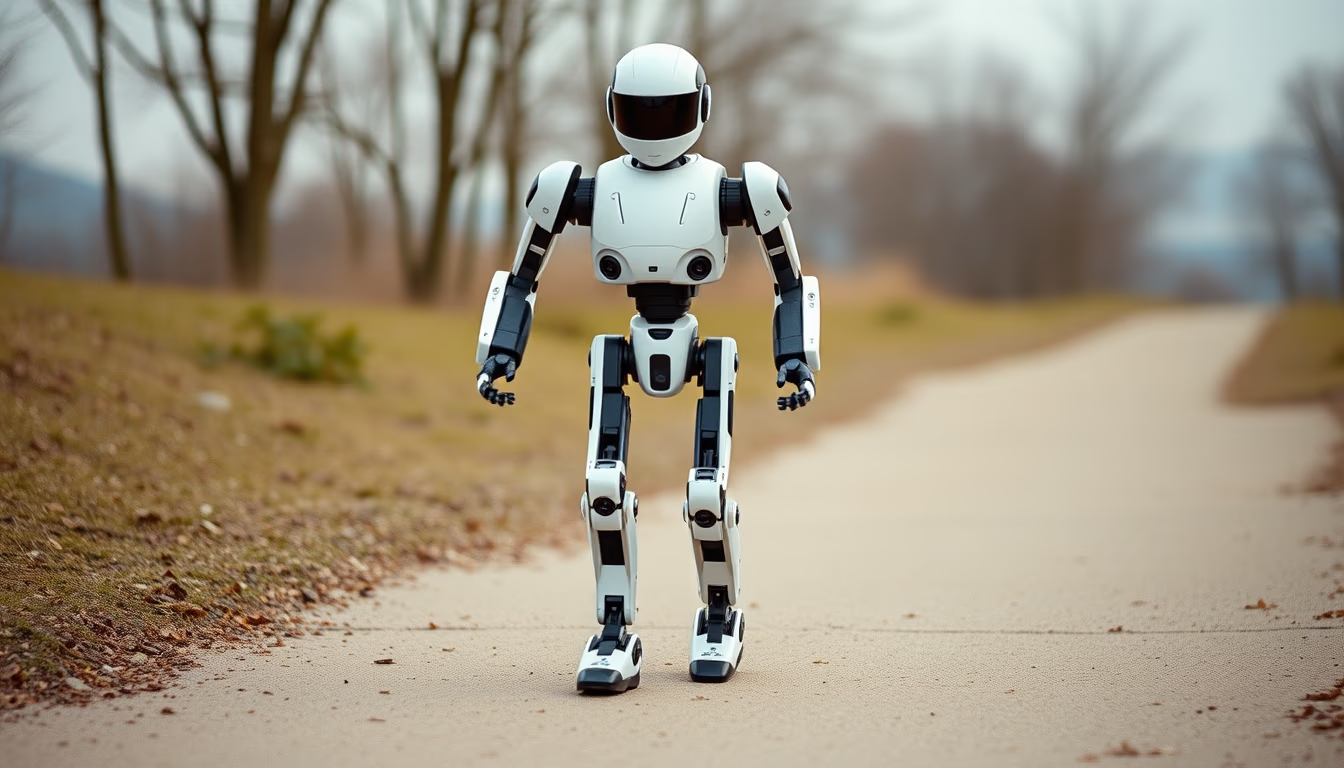
Robotic exoskeleton, wearable technology enhancing human strength and mobility, used in rehabilitation, industry, and exploration.
About this subject
Robotic exoskeletons are powered wearable devices that augment a user's physical capabilities, providing mechanical support and enhancing strength, endurance, and precision. They can be rigid, with metallic frames, or soft, made of fabrics and pneumatic actuators. The concept dates back to the 1960s with General Electric's Hardiman project, but only in recent decades have advances in sensors, lithium batteries, and intelligent control algorithms made these devices practical.
In medicine, exoskeletons like ReWalk and Ekso GT enable individuals with paraplegia or spinal cord injuries to walk again. These devices detect shifts in the center of gravity and initiate controlled steps. In industry, models such as EksoVest and SuitX reduce fatigue in workers performing overhead repetitive tasks, preventing injuries. Companies like Ford have already deployed these suits on assembly lines.
In the military, projects like the US Tactical Assault Light Operator Suit (TALOS) aim to enhance soldier endurance and protection, though power autonomy and weight remain persistent challenges. Current research focuses on lighter materials such as carbon fiber and titanium alloys, and on AI-driven control systems that adapt to user movement. Brain-machine interfaces, as seen in the European Mindwalker project, represent the cutting edge of exoskeleton control.
Japan leads development, with institutions like Keio University and companies like Cyberdyne (creator of the HAL suit) at the forefront. Costs remain prohibitive for home use, ranging from $30,000 to $100,000, but scale production and competition are expected to lower prices in the coming years. Integration with exergames and virtual reality also opens possibilities for more engaging training and rehabilitation.
Frequently Asked Questions
How much does a robotic exoskeleton cost?
Prices range from $30,000 to $100,000 depending on complexity and application. Medical models are more expensive than industrial ones, but costs are expected to decrease with technological advancements and mass production.
Can exoskeletons be used by healthy people to boost strength?
Yes, there are models designed for workers and soldiers that enhance endurance and reduce fatigue. However, recreational use is still limited by weight, cost, and the need for training.
What is the battery life of a robotic exoskeleton?
Typical battery life ranges from 2 to 8 hours of continuous use, depending on the battery type and movement intensity. Research aims to extend this with fuel cells and lighter materials.
Direct URL
https://pub-c7d6a6ea828543ac903a74a341ccb2e1.r2.dev/imagens/robotic-exoskeleton-travel-photography-p11.avifHow to credit
Include a visible link back to UtilizAí. Copy one of the snippets below:
<a href="https://xn--utiliza-eza.com/en/midia/imagens/robotic-exoskeleton-travel-photography-p11">Robotic exoskeleton</a> by <a href="https://xn--utiliza-eza.com">UtilizAí</a>, licensed under <a href="https://creativecommons.org/licenses/by/4.0/">CC BY 4.0</a>.
[Robotic exoskeleton](https://xn--utiliza-eza.com/en/midia/imagens/robotic-exoskeleton-travel-photography-p11) by [UtilizAí](https://xn--utiliza-eza.com), CC BY 4.0
License: CC-BY-4.0