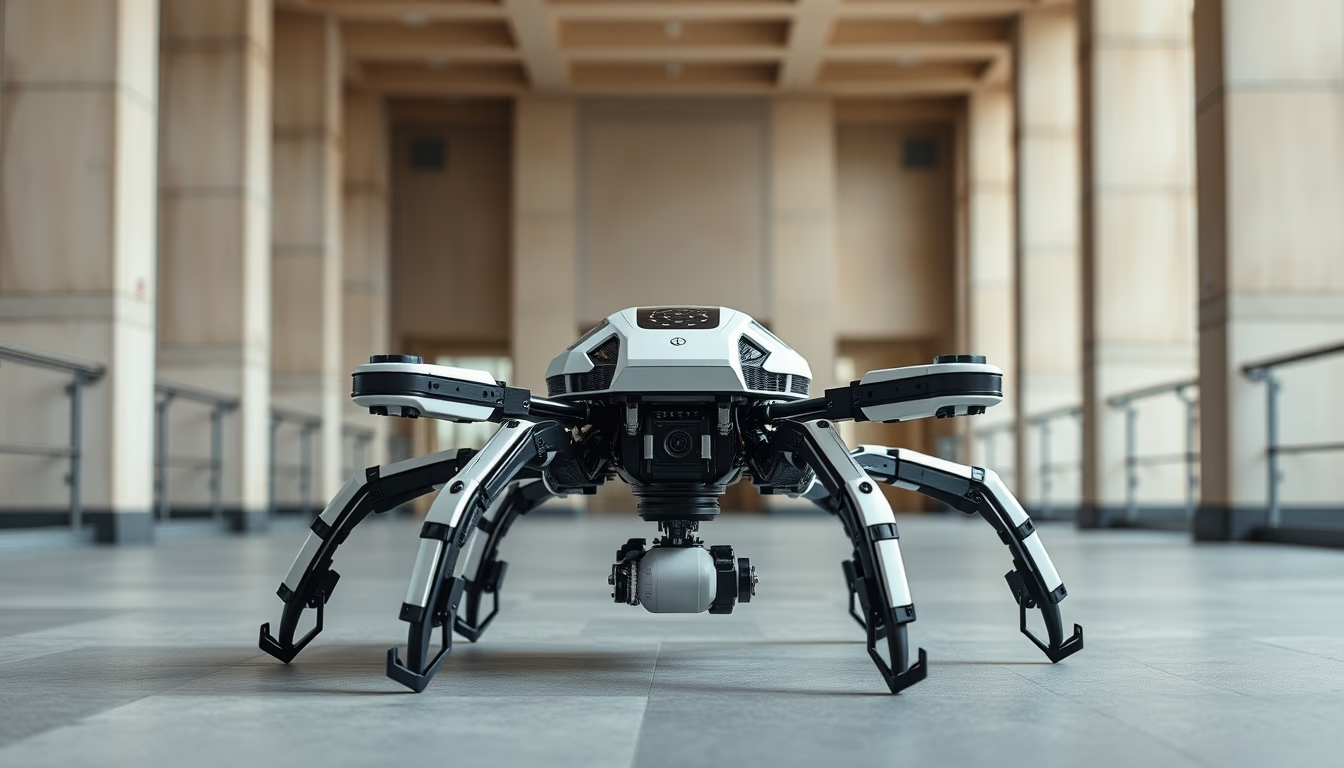
Robotic exoskeleton
1344×768 · AVIF · CC BY 4.0
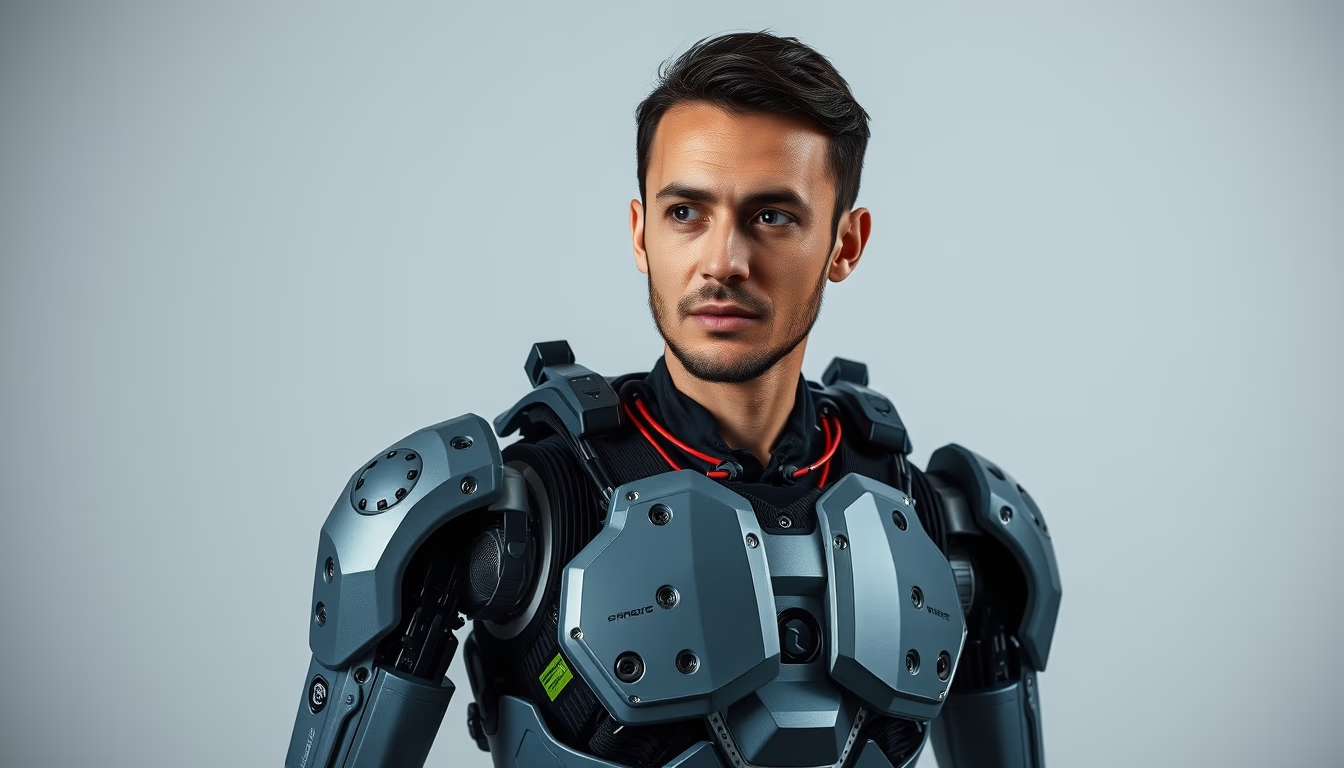
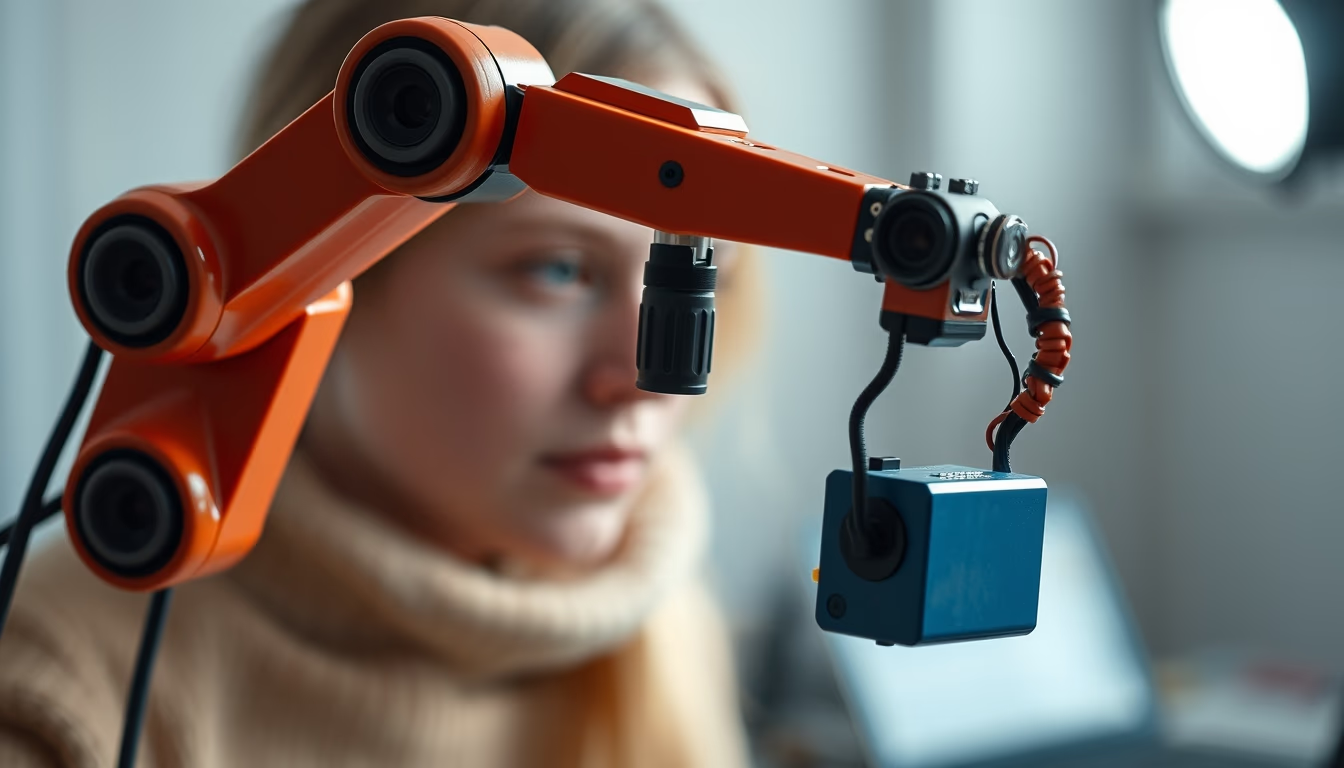
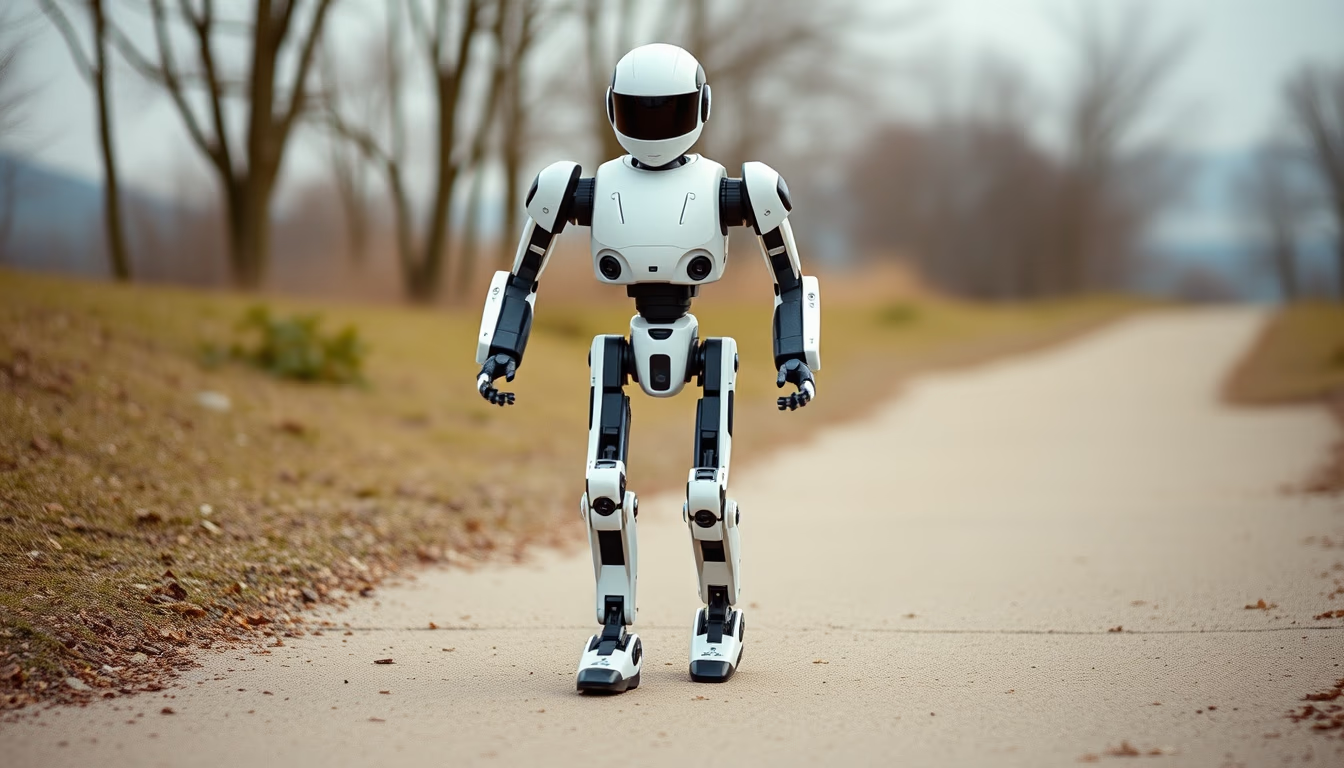
Exoesqueletos robóticos são dispositivos vestíveis que aumentam a força e a resistência humanas, com aplicações na reabilitação, indústria e militar.
Sobre o tema
Os exoesqueletos robóticos são estruturas mecânicas vestíveis que amplificam as capacidades físicas do usuário. Eles podem ser usados para restaurar a mobilidade de pacientes com lesões na medula espinhal, como nos modelos ReWalk e Ekso, que permitem que pessoas paraplégicas fiquem em pé e andem. No ambiente industrial, exoesqueletos passivos ou ativos reduzem o esforço repetitivo e previnem lesões musculoesqueléticas, sendo adotados por montadoras como Ford e Toyota. Na área militar, projetos como o Tactical Assault Light Operator Suit (TALOS) dos EUA buscam aumentar a proteção e a força dos soldados.
O primeiro exoesqueleto motorizado foi o Hardiman, desenvolvido pela General Electric nos anos 1960, mas era pesado e instável. Avanços em materiais leves, sensores e inteligência artificial permitiram sistemas mais práticos. O exoesqueleto HAL (Hybrid Assistive Limb), da Cyberdyne, capta sinais elétricos da pele para prever movimentos. Outras abordagens usam sensores de força ou ângulo para sincronizar com o usuário. O mercado global de exoesqueletos foi avaliado em cerca de 350 milhões de dólares em 2020 e deve ultrapassar 6 bilhões até 2030, impulsionado pelo envelhecimento populacional e pela automação industrial.
No Brasil, a pesquisa em exoesqueletos é liderada por universidades como a USP e a UnB. Um exemplo é o ExoR, desenvolvido pela USP de São Carlos, focado em reabilitação de membros inferiores. Os desafios incluem a autonomia das baterias, o custo elevado e a necessidade de adaptação individual. Tecnologias emergentes, como interfaces cérebro-máquina e impressão 3D de componentes, prometem tornar os exoesqueletos mais acessíveis e eficientes. A integração com inteligência artificial permite que o dispositivo aprenda os padrões de movimento do usuário, oferecendo assistência personalizada.
Além das aplicações funcionais, os exoesqueletos levantam questões éticas e sociais. O potencial de aumentar a capacidade humana além dos limites naturais gera debates sobre igualdade e regulamentação. No entanto, o foco atual está em melhorar a qualidade de vida de pessoas com deficiência e reduzir lesões no trabalho. Com o avanço da robótica suave e dos atuadores, os exoesqueletos tendem a se tornar mais leves, confortáveis e integrados ao corpo humano.
Perguntas frequentes
Para que serve um exoesqueleto robótico?
Exoesqueletos robóticos servem para amplificar a força, resistência ou mobilidade do usuário. São usados em reabilitação de lesões medulares, prevenção de lesões na indústria e aumento de desempenho militar.
Quais são os principais tipos de exoesqueletos?
Os principais tipos são: ativos (com motores), passivos (sem motores, usam molas ou amortecedores), e híbridos. Podem ser para membros inferiores, superiores ou corpo inteiro.
O exoesqueleto robótico já é acessível para uso doméstico?
Alguns modelos como o ReWalk e o Ekso são aprovados para uso doméstico, mas o custo ainda é alto (dezenas de milhares de dólares). Programas de financiamento e seguros têm ampliado o acesso.
URL direta
https://pub-c7d6a6ea828543ac903a74a341ccb2e1.r2.dev/imagens/robotic-exoskeleton-studio-editorial-portrait-p4.avifComo creditar
Inclua um link visível de volta pro UtilizAí. Copie um dos snippets abaixo:
<a href="https://xn--utiliza-eza.com/midia/imagens/robotic-exoskeleton-studio-editorial-portrait-p4">Robotic exoskeleton</a> by <a href="https://xn--utiliza-eza.com">UtilizAí</a>, licensed under <a href="https://creativecommons.org/licenses/by/4.0/">CC BY 4.0</a>.
[Robotic exoskeleton](https://xn--utiliza-eza.com/midia/imagens/robotic-exoskeleton-studio-editorial-portrait-p4) by [UtilizAí](https://xn--utiliza-eza.com), CC BY 4.0
Licença: CC-BY-4.0