Robot arm assembling car
1344×768 · AVIF · CC BY 4.0
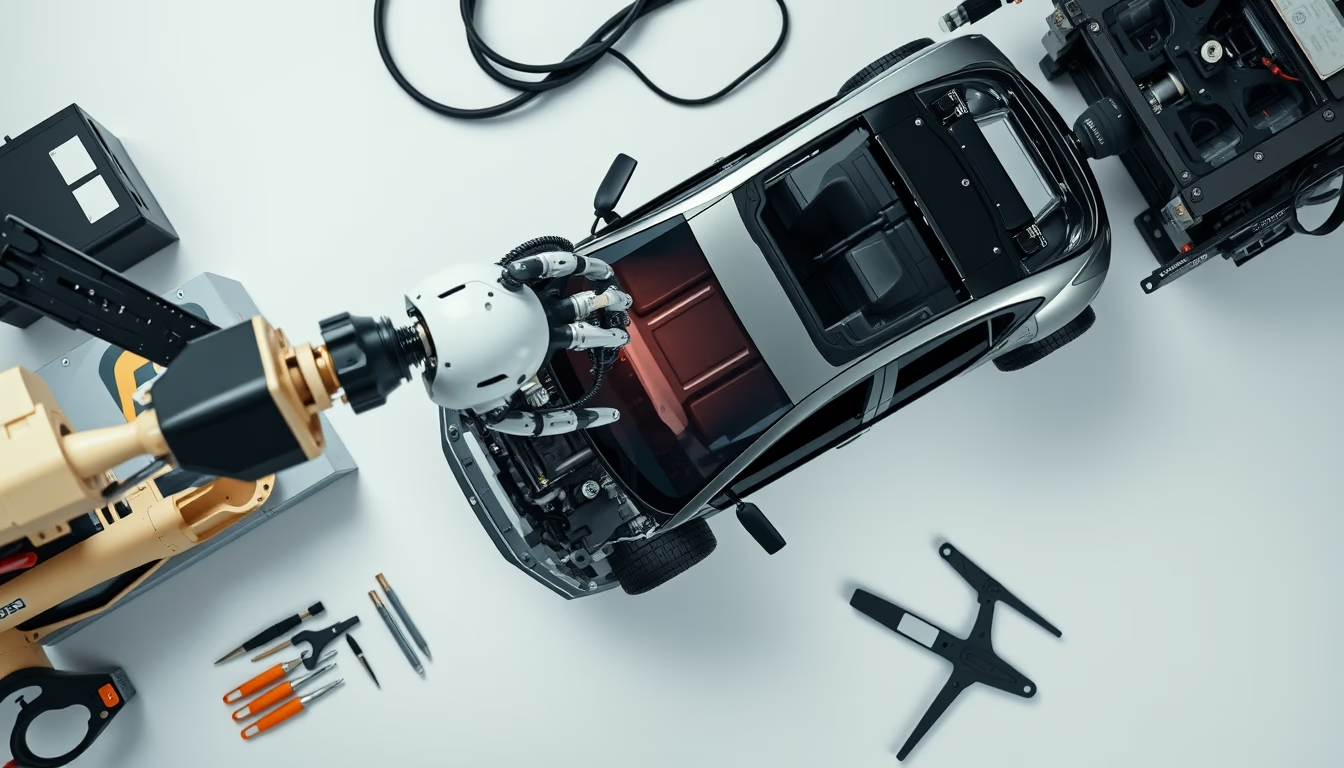
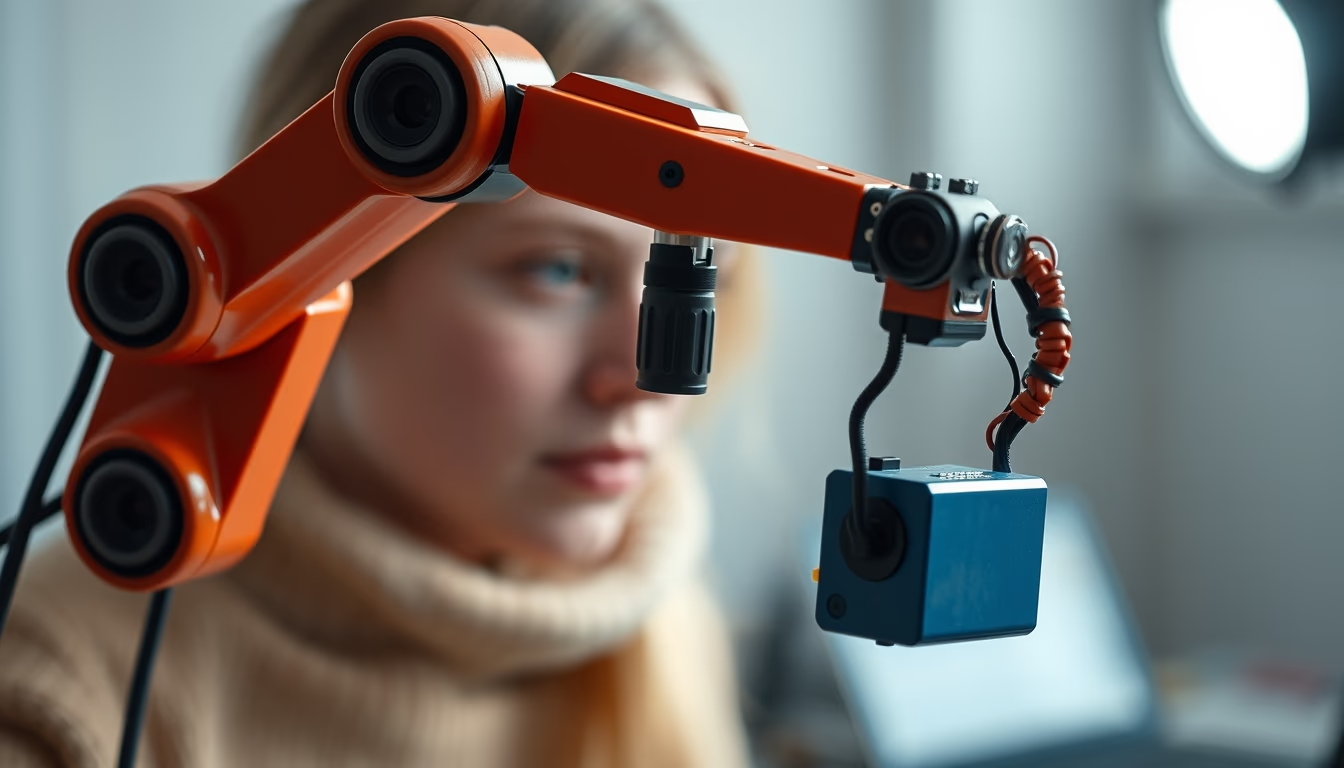
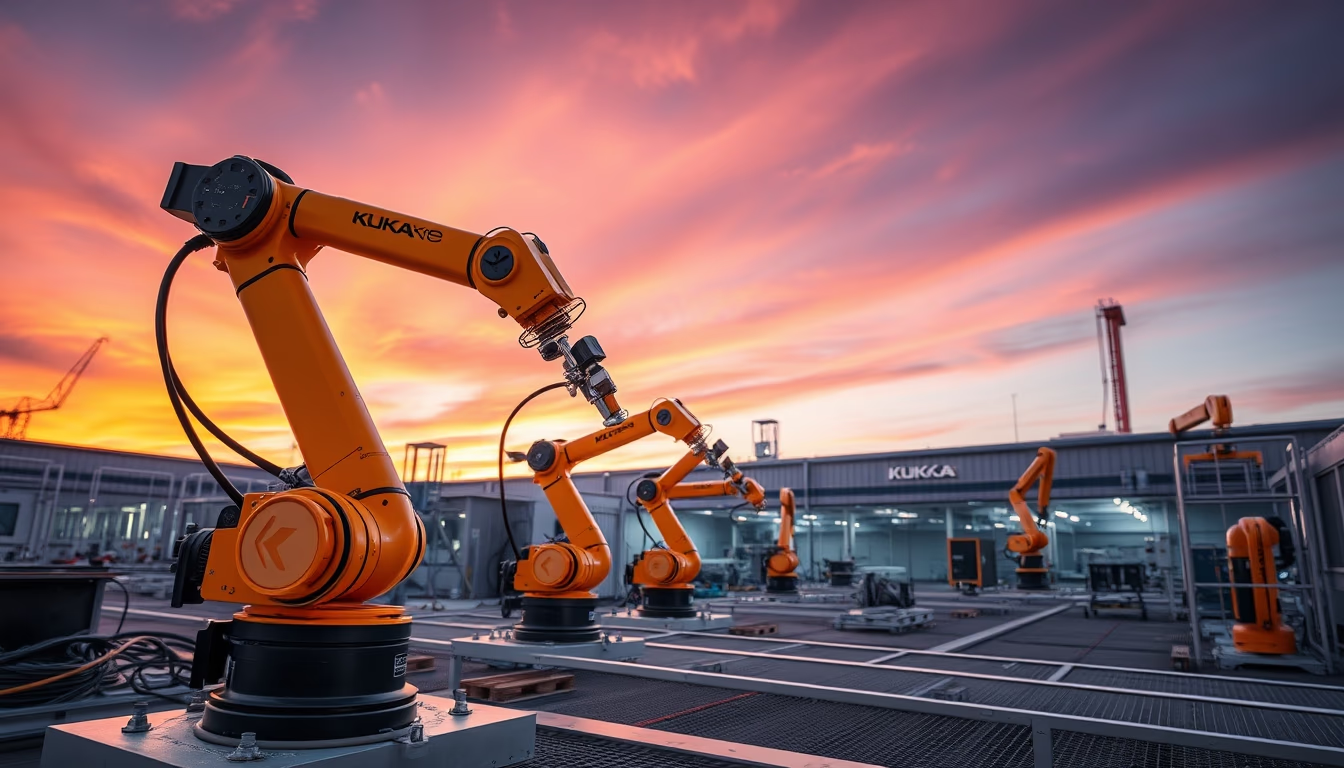
Braços robóticos realizam montagem de carros em linhas de produção modernas, combinando precisão e eficiência.
Sobre o tema
Os braços robóticos são essenciais na indústria automotiva desde 1961, quando a General Motors instalou o primeiro robô industrial, o Unimate, para tarefas de soldagem. Esses equipamentos são normalmente braços articulados com seis eixos de movimento, capazes de realizar operações repetitivas com altíssima precisão, como montagem de peças, pintura e soldagem. Na montagem de um carro, robôs podem apertar parafusos, instalar painéis e até mesmo manipular componentes pesados, como motores, com margem de erro inferior a 0,1 milímetro.
Hoje, aproximadamente 70% da montagem de veículos é automatizada, com robôs colaborativos (cobots) trabalhando lado a lado com humanos. A programação é feita por teach pendants ou simulação offline, permitindo ajustes finos para cada modelo de carro. Sensores de força e visão garantem que o robô se adapte a variações nas peças, evitando danos. A tendência atual é a integração com inteligência artificial para otimizar rotas e detectar falhas em tempo real.
Apesar da automação, a mão de obra humana ainda é necessária para supervisão, manutenção e tarefas que exigem flexibilidade. Empresas como Tesla e Toyota utilizam robôs KUKA, FANUC e ABB, que são capazes de operar 24 horas por dia, aumentando a produção em até 50% comparado a linhas manuais. A segurança é garantida por barreiras físicas e sensores de parada de emergência.
Perguntas frequentes
Como os robôs são programados para montar carros?
Os robôs são programados por teach pendants (controles manuais) ou simulação offline em computador. O programador guia o braço robótico pelos movimentos desejados ou cria rotas virtualmente, ajustando velocidade, ângulos e forças para cada tarefa específica.
Qual a precisão típica de um braço robótico na montagem automotiva?
A precisão repetitiva de robôs industriais modernos é de cerca de 0,02 a 0,1 mm, dependendo do modelo e aplicação. Isso permite apertar parafusos com torque controlado e posicionar painéis com exatidão.
Os robôs substituíram completamente os humanos na linha de montagem?
Não. Embora robôs realizem tarefas repetitivas e pesadas, humanos ainda são necessários para supervisão, manutenção, inspeção de qualidade e operações que exigem flexibilidade cognitiva. A colaboração homem-máquina é cada vez mais comum.
URL direta
https://pub-c7d6a6ea828543ac903a74a341ccb2e1.r2.dev/imagens/robot-arm-assembling-car-isometric-flat-lay-p10.avifComo creditar
Inclua um link visível de volta pro UtilizAí. Copie um dos snippets abaixo:
<a href="https://xn--utiliza-eza.com/midia/imagens/robot-arm-assembling-car-isometric-flat-lay-p10">Robot arm assembling car</a> by <a href="https://xn--utiliza-eza.com">UtilizAí</a>, licensed under <a href="https://creativecommons.org/licenses/by/4.0/">CC BY 4.0</a>.
[Robot arm assembling car](https://xn--utiliza-eza.com/midia/imagens/robot-arm-assembling-car-isometric-flat-lay-p10) by [UtilizAí](https://xn--utiliza-eza.com), CC BY 4.0
Licença: CC-BY-4.0