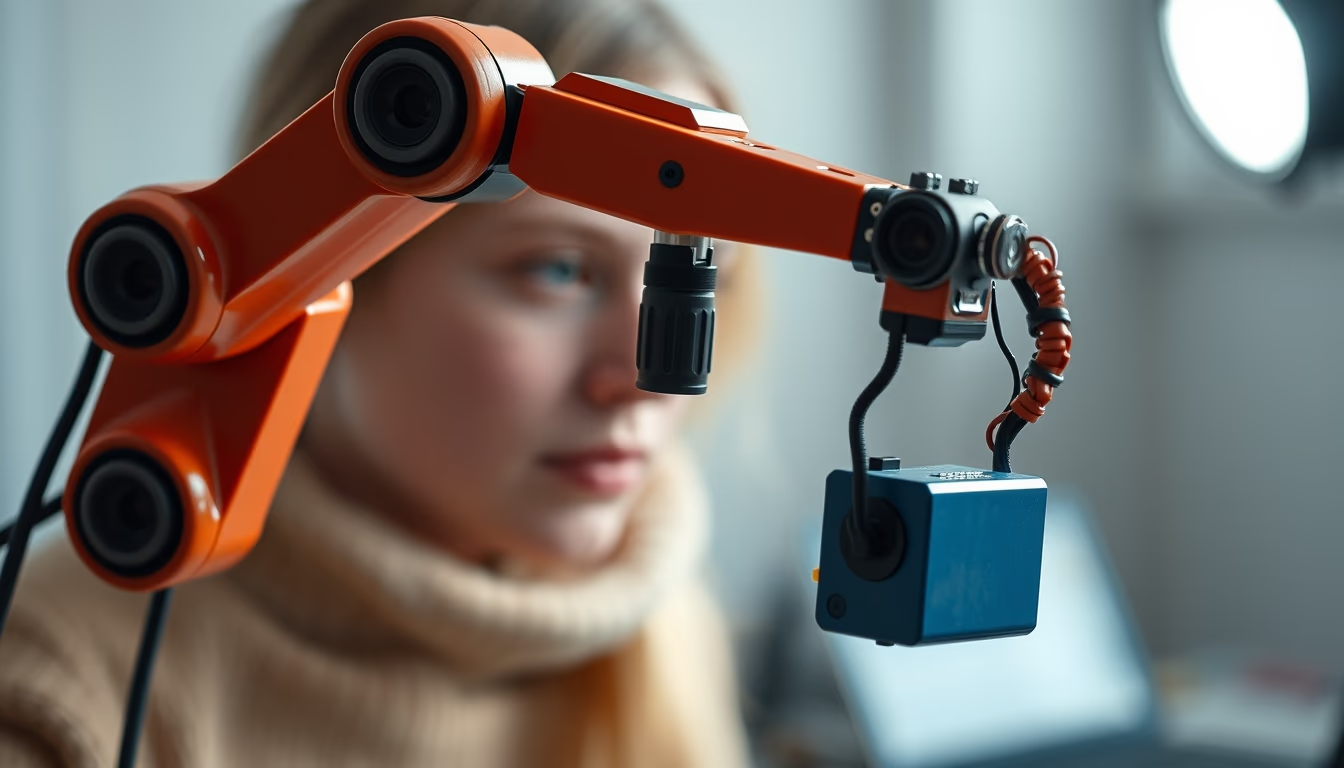
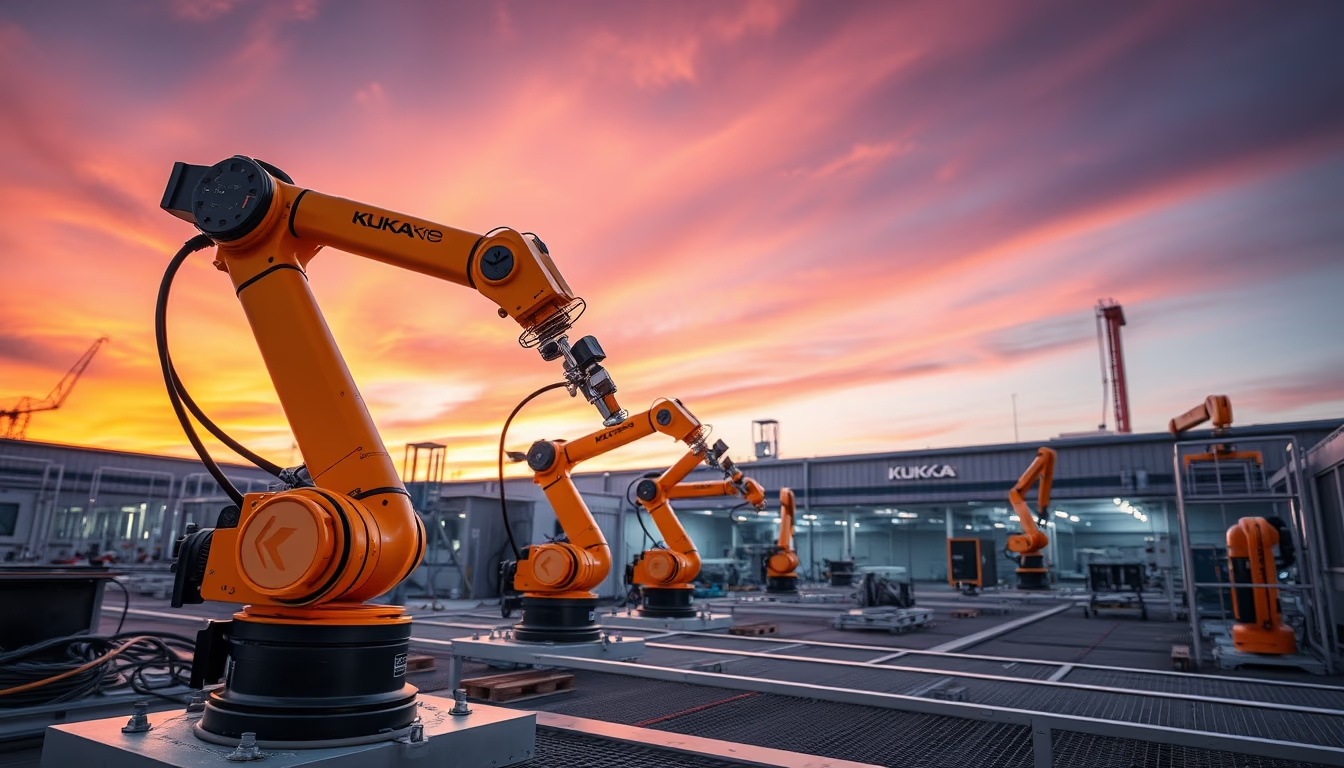
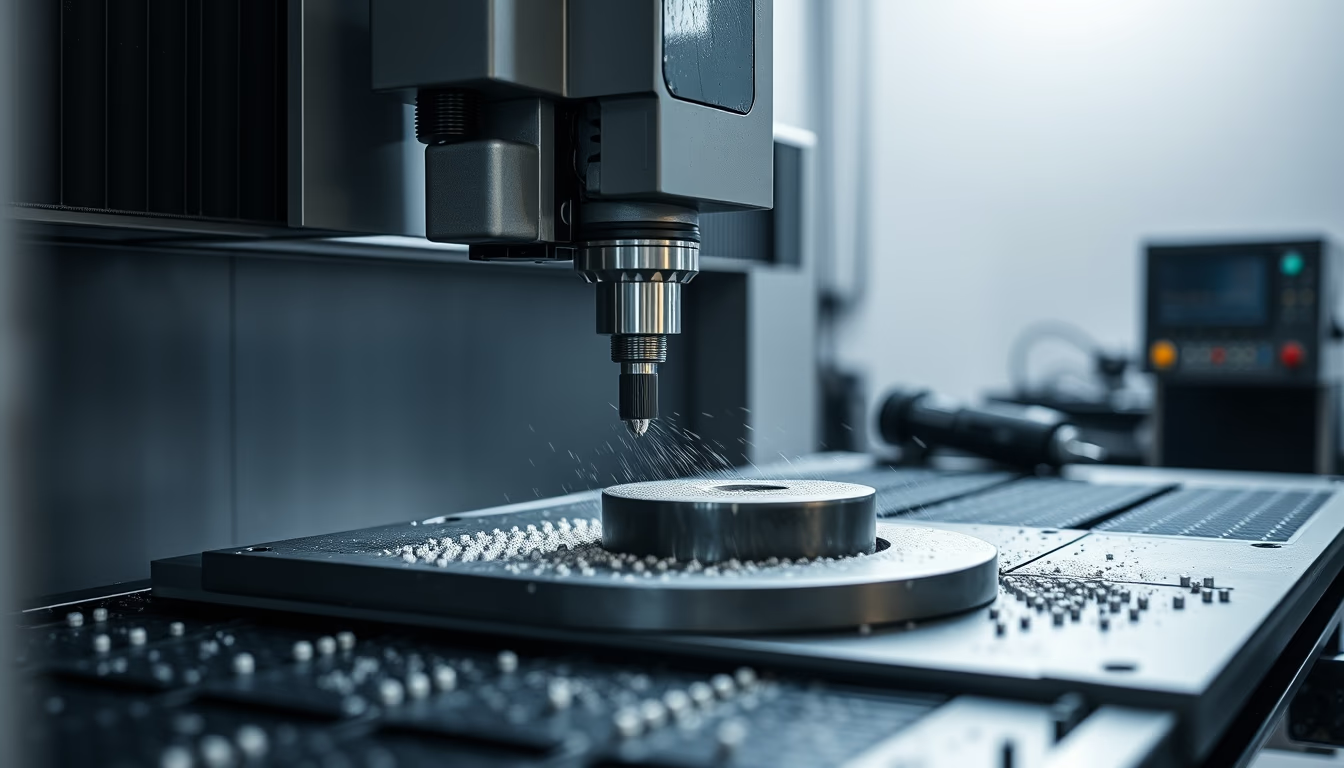
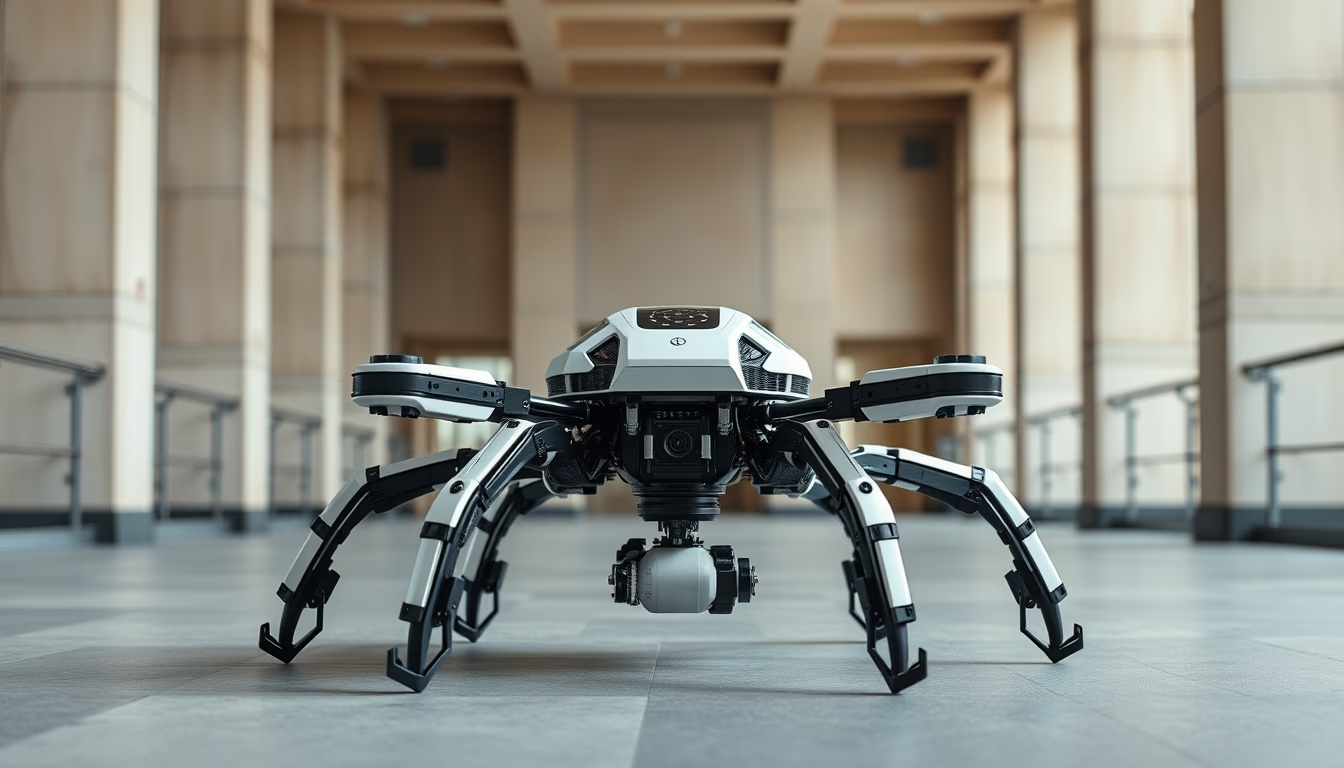
Robot arm assembling car
1344×768 · AVIF · CC BY 4.0
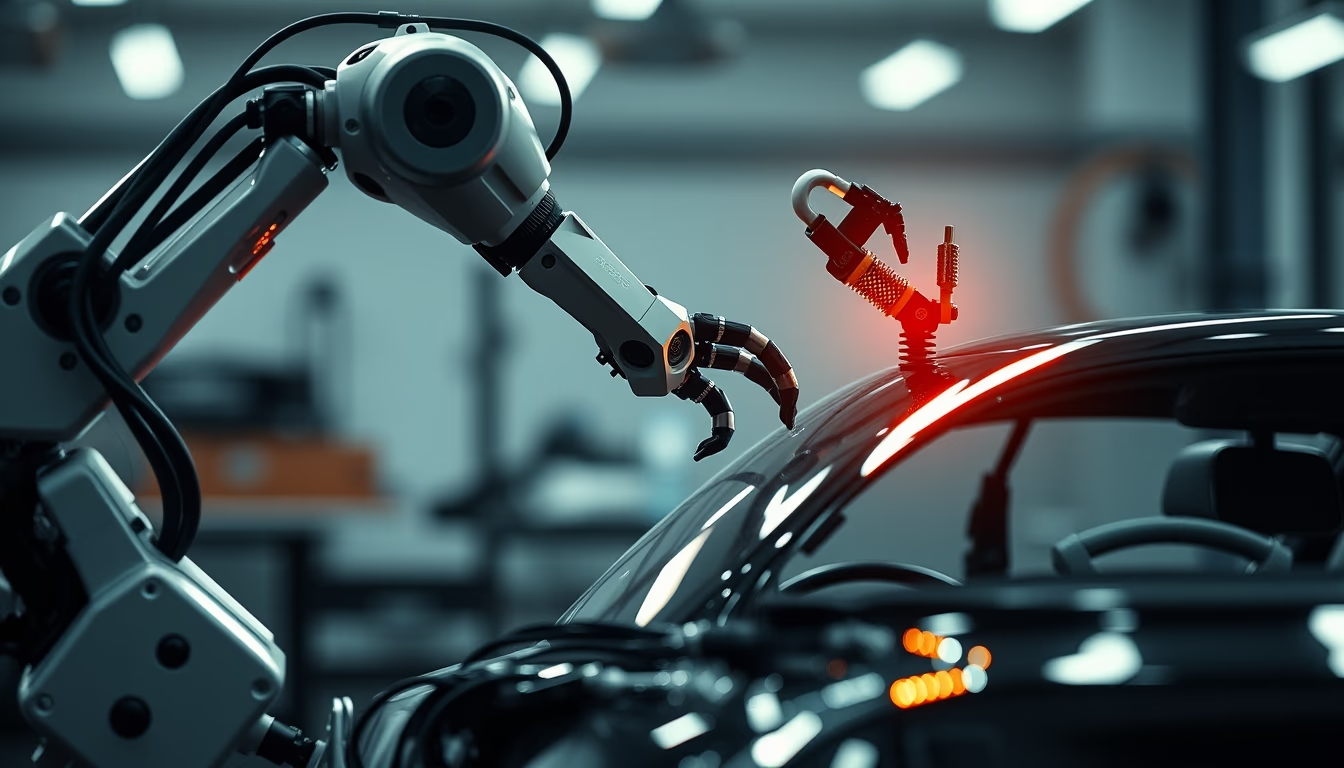
Braços robóticos na linha de montagem automotiva transformaram a produção de veículos, aumentando precisão e velocidade.
Sobre o tema
Os braços robóticos são componentes essenciais na fabricação de automóveis modernos. Desde a soldagem de carrocerias até a montagem de componentes internos, esses dispositivos automatizados realizam tarefas repetitivas com alta precisão e consistência. A introdução da robótica na indústria automotiva começou na década de 1960, quando a General Motors instalou o primeiro robô industrial, o Unimate, para manusear peças fundidas. Hoje, montadoras como Toyota, Volkswagen e Tesla utilizam milhares de robôs em suas fábricas, capazes de operar 24 horas por dia sem fadiga.
A precisão dos braços robóticos é fundamental para garantir a qualidade dos veículos. Eles podem apertar parafusos com torque exato, aplicar adesivos com milimétrica exatidão e soldar pontos com repetibilidade inalcançável por humanos. Além disso, robôs colaborativos, ou cobots, trabalham lado a lado com funcionários, aumentando a segurança ao assumir tarefas perigosas, como levantar peças pesadas ou lidar com materiais quentes.
A evolução tecnológica trouxe braços robóticos com visão computacional e inteligência artificial, permitindo inspeção visual de qualidade e adaptação a variações nas peças. No Brasil, montadoras como a Ford em Camaçari e a Volkswagen em São Bernardo do Campo empregam extensivamente robôs para competir globalmente. Estima-se que a indústria automotiva seja o maior mercado de robótica industrial, respondendo por cerca de 30% das vendas mundiais de robôs.
Curiosidade: o braço robótico mais rápido já fabricado para montagem automotiva consegue fazer a troca de ferramentas em menos de um segundo. Essa agilidade reduz o tempo de ciclo e aumenta a produtividade. A robótica continua evoluindo, com tendências para maior flexibilidade e integração com sistemas de Internet das Coisas (IoT).
Perguntas frequentes
Por que braços robóticos são tão importantes na montagem de carros?
Eles proporcionam precisão, repetibilidade e velocidade superiores ao trabalho manual, garantindo qualidade consistente e aumentando a produtividade nas linhas de montagem.
Qual foi o primeiro robô usado na indústria automotiva?
O Unimate, instalado pela General Motors em 1961, foi o primeiro robô industrial, utilizado para manusear peças fundidas.
Os robôs substituem completamente os humanos nas montadoras?
Não, muitos robôs colaborativos (cobots) trabalham lado a lado com humanos, e ainda há tarefas que requerem flexibilidade e julgamento humano.
URL direta
https://pub-c7d6a6ea828543ac903a74a341ccb2e1.r2.dev/imagens/robot-arm-assembling-car-high-fashion-editorial-p4.avifComo creditar
Inclua um link visível de volta pro UtilizAí. Copie um dos snippets abaixo:
<a href="https://xn--utiliza-eza.com/midia/imagens/robot-arm-assembling-car-high-fashion-editorial-p4">Robot arm assembling car</a> by <a href="https://xn--utiliza-eza.com">UtilizAí</a>, licensed under <a href="https://creativecommons.org/licenses/by/4.0/">CC BY 4.0</a>.
[Robot arm assembling car](https://xn--utiliza-eza.com/midia/imagens/robot-arm-assembling-car-high-fashion-editorial-p4) by [UtilizAí](https://xn--utiliza-eza.com), CC BY 4.0
Licença: CC-BY-4.0