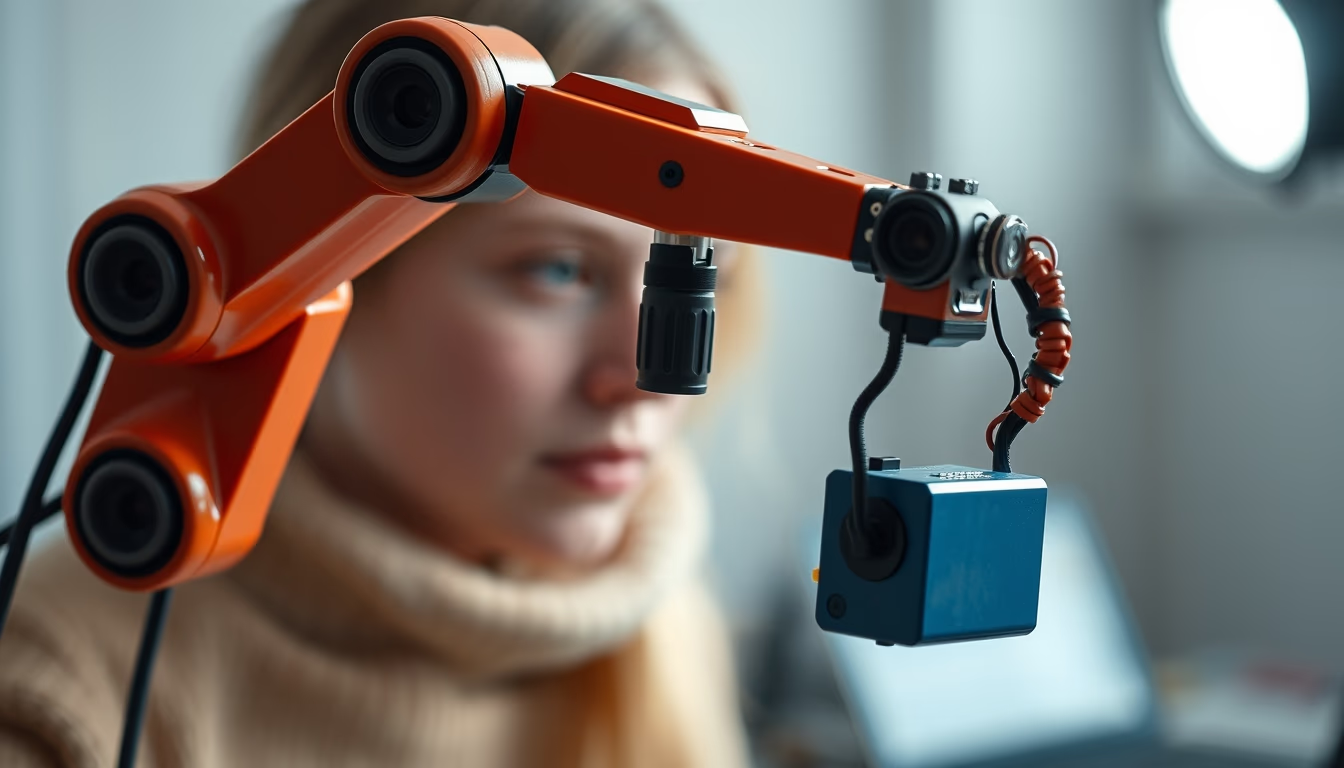
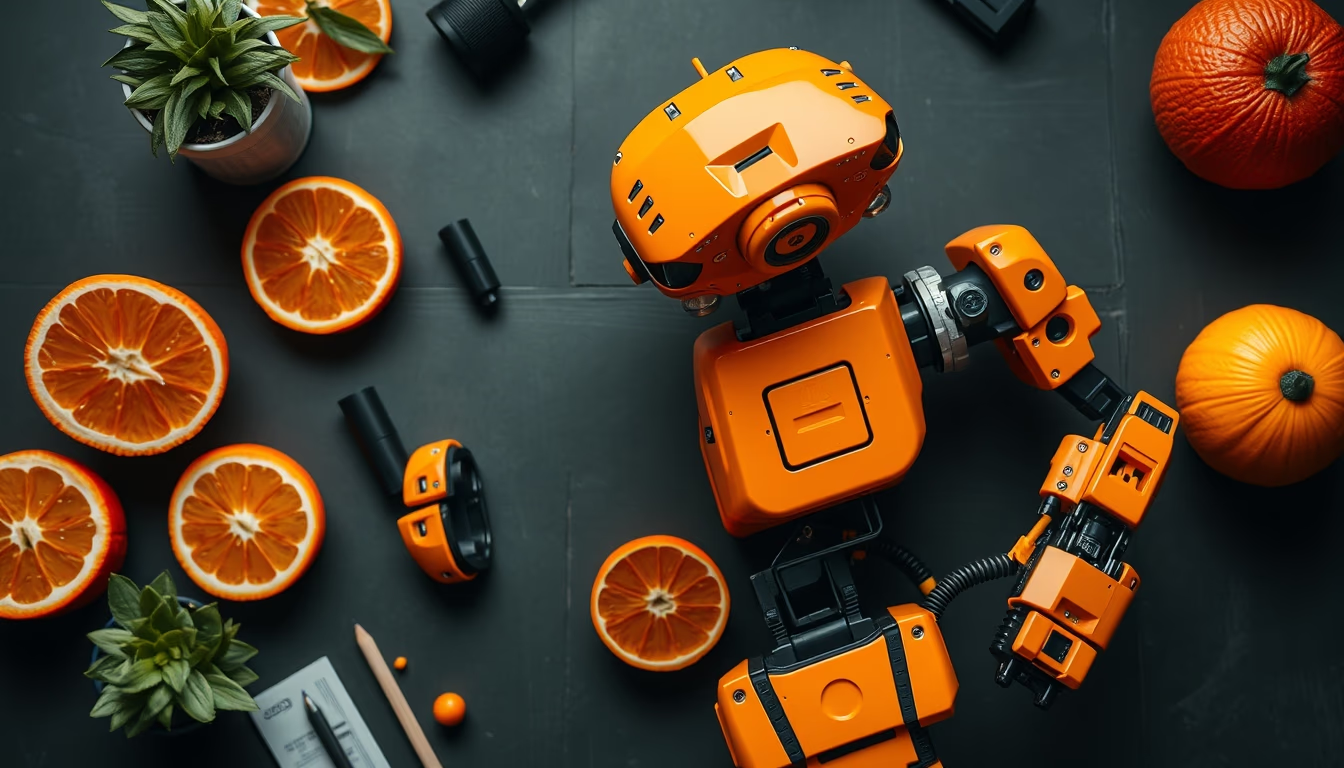
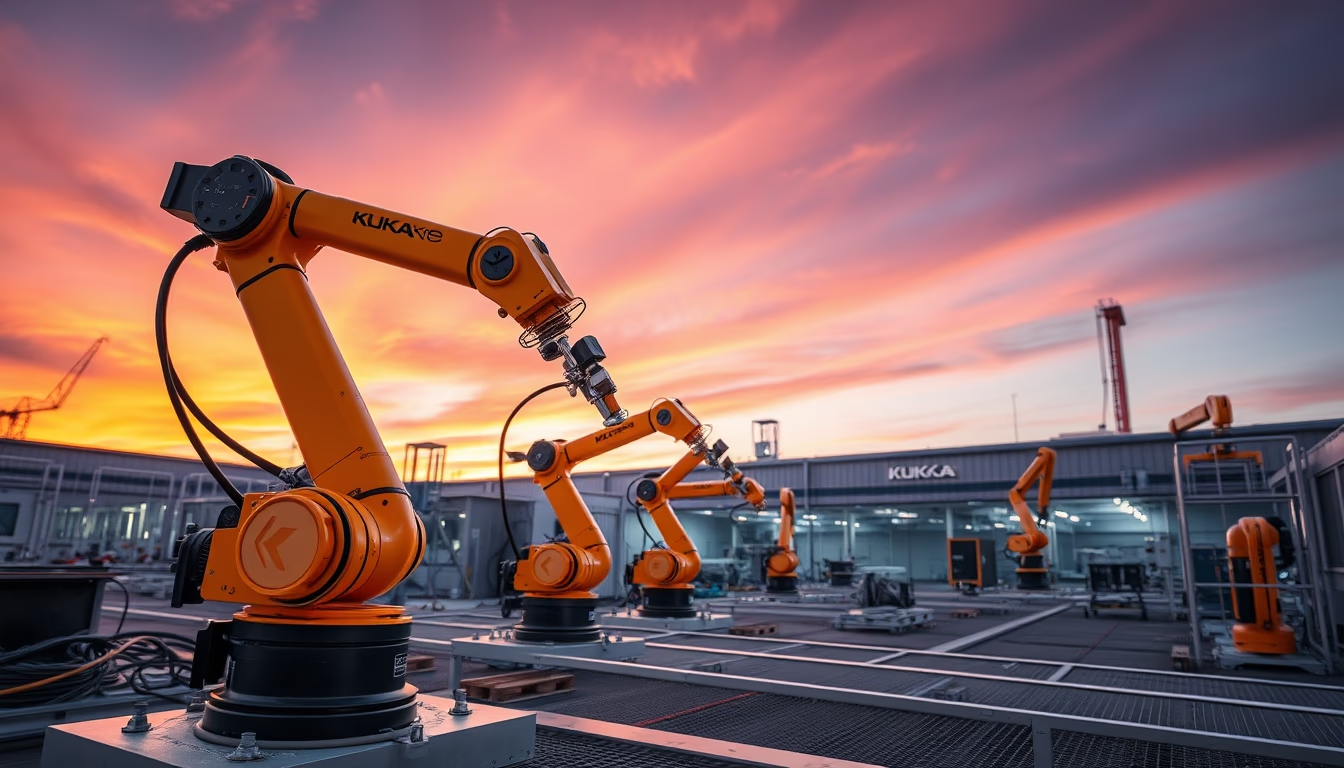
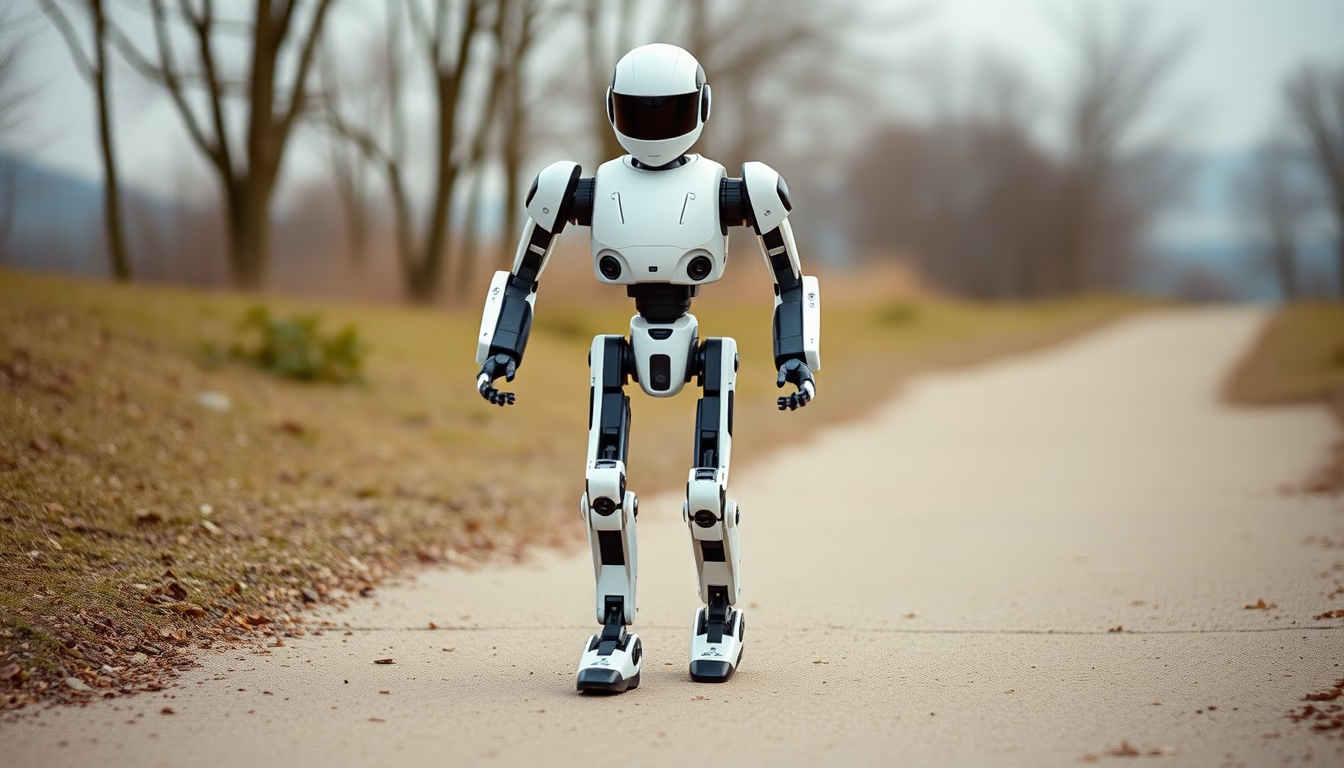
Quadruped robot dog
1344×768 · AVIF · CC BY 4.0
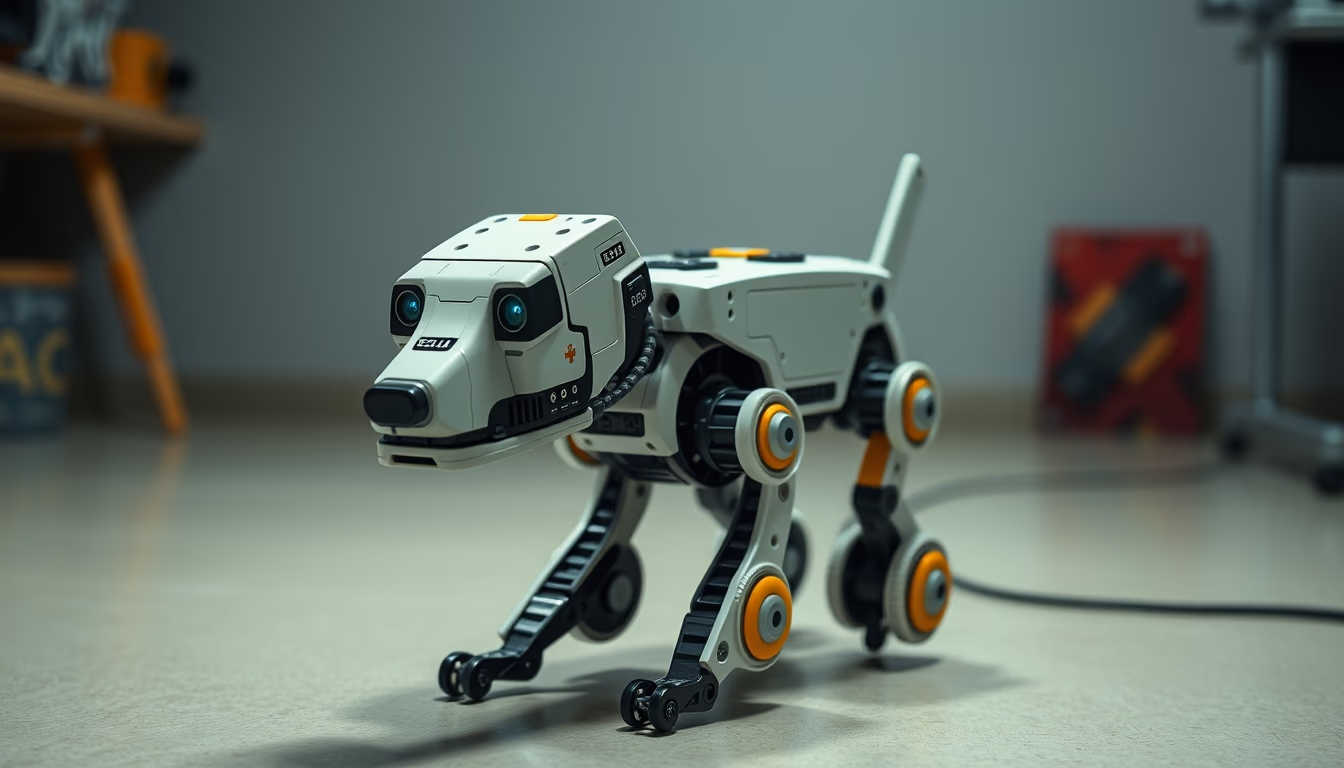
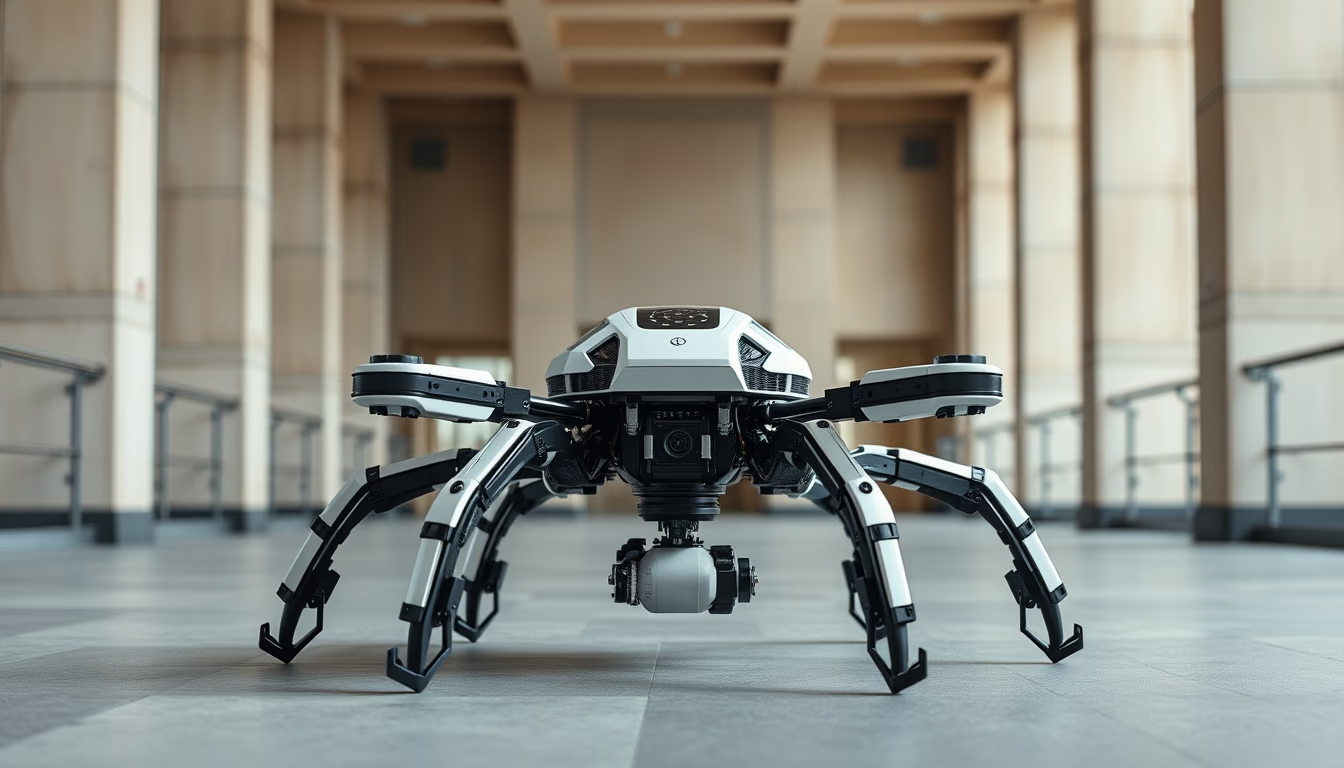
Cachorro-robô quadrúpede: máquinas inspiradas na natureza que revolucionam inspeção industrial, resgate e entretenimento.
Sobre o tema
Os robôs quadrúpedes, popularmente chamados de cachorros-robô, são plataformas móveis com quatro pernas que imitam a locomoção animal. O modelo mais famoso é o Spot, da Boston Dynamics, lançado comercialmente em 2019. Spot já foi usado em inspeção de plataformas de petróleo, monitoramento de obras e até mesmo em patrulhas de segurança em locais como a Praia de Copacabana, no Rio de Janeiro, em parceria com a prefeitura. Diferente de robôs sobre rodas, os quadrúpedes conseguem subir escadas, andar em terrenos irregulares e se equilibrar mesmo após empurrões. Eles são equipados com sensores como LiDAR, câmeras 360° e microfones, permitindo mapeamento de ambientes e detecção de anomalias.
A história dos robôs quadrúpedes começou na década de 1960 com o projeto GE Walking Truck, mas foi a Boston Dynamics, fundada em 1992 como spin-off do MIT, que consolidou a tecnologia. O BigDog (2005) foi o primeiro a demonstrar locomoção dinâmica estável. Hoje, além do Spot, existem concorrentes como o ANYmal da Suíça (ANYbotics), usado em inspeções offshore, e o AlienGO da China (Unitree). No Brasil, pesquisas da Escola Politécnica da USP desenvolvem versões de baixo custo para monitoramento agrícola. A autonomia média desses robôs é de 90 minutos, com baterias substituíveis.
Culturalmente, os cachorros-robô viraram ícones pop. Spot apareceu em séries como The Mandalorian e em shows de rock (U2). A versão com braço articulado pode abrir portas e manipular objetos. Preocupações éticas surgem quanto ao uso militar, o governo dos EUA testou Spot equipado com rifle em 2021, gerando debates sobre autonomia letal. No Brasil, o Exército Brasileiro avalia o modelo chinês AlienGO para desarmamento de bombas. O preço de um Spot básico começa em US$ 75 mil, tornando-o inacessível para uso doméstico, mas já existem alternativas open-source como o Stanford Doggo.
Curiosidade: os movimentos dos quadrúpedes são programados com algoritmos de controle inspirados em reflexos de animais reais, como o 'reflexo de tropeço' que ajusta passos automaticamente. A indústria de seguros utiliza esses robôs para vistoria de áreas de risco, reduzindo exposição humana a ambientes perigosos.
Perguntas frequentes
Qual é a autonomia de um robô quadrúpede como o Spot?
A autonomia média é de 90 minutos de operação contínua, mas varia conforme a carga (como sensores adicionais) e o terreno. As baterias são substituíveis, permitindo operação prolongada em campo.
Os robôs quadrúpedes podem ser usados para segurança residencial?
Atualmente, o custo elevado (a partir de US$ 75 mil) inviabiliza o uso doméstico, mas empresas como a Unitree oferecem modelos mais baratos (cerca de US$ 5 mil) para desenvolvedores. Para segurança residencial, ainda não são práticos.
Existem robôs quadrúpedes desenvolvidos no Brasil?
Sim, a Escola Politécnica da USP desenvolve protótipos de baixo custo para monitoramento agrícola e inspeção de dutos. Também há iniciativas no ITA e na UFSC, focadas em robótica móvel e controle de locomoção.
URL direta
https://pub-c7d6a6ea828543ac903a74a341ccb2e1.r2.dev/imagens/quadruped-robot-dog-lo-fi-disposable-camera-p1.avifComo creditar
Inclua um link visível de volta pro UtilizAí. Copie um dos snippets abaixo:
<a href="https://xn--utiliza-eza.com/midia/imagens/quadruped-robot-dog-lo-fi-disposable-camera-p1">Quadruped robot dog</a> by <a href="https://xn--utiliza-eza.com">UtilizAí</a>, licensed under <a href="https://creativecommons.org/licenses/by/4.0/">CC BY 4.0</a>.
[Quadruped robot dog](https://xn--utiliza-eza.com/midia/imagens/quadruped-robot-dog-lo-fi-disposable-camera-p1) by [UtilizAí](https://xn--utiliza-eza.com), CC BY 4.0
Licença: CC-BY-4.0