Paper texture fiber macro
1344×768 · AVIF · CC BY 4.0
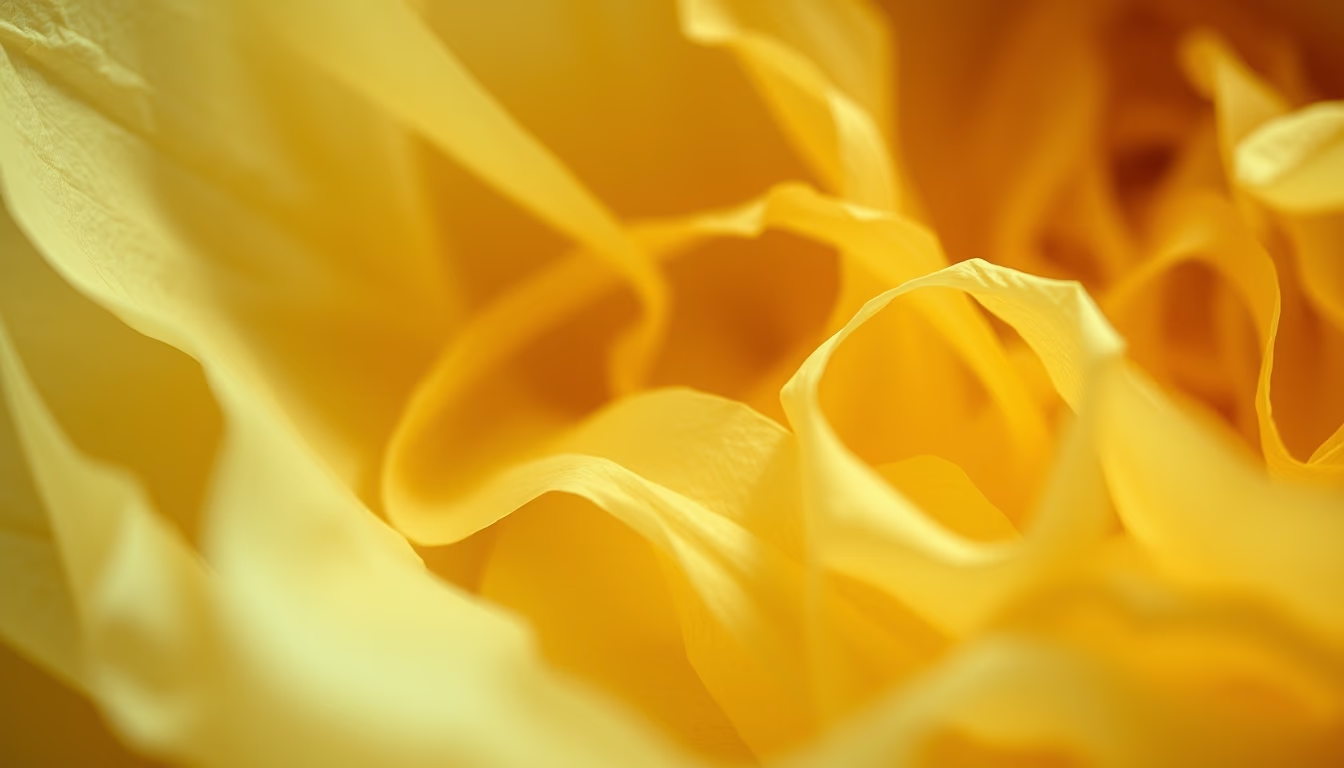
At a macro level, paper fibers reveal a complex organic structure blending cellulose, lignin, and both handmade and industrial production techniques.
About this subject
Paper is an ancient material composed mainly of plant cellulose fibers. These fibers come from various sources such as pine, eucalyptus, cotton, flax, and even hemp. Each source gives different properties of strength, texture, and absorbency. In macro photography, the random, interwoven arrangement of fibers becomes visible, creating patterns that vary according to the manufacturing process.
The papermaking process begins by separating fibers from raw material through mechanical or chemical methods. The fibers are then refined, diluted in water, and pressed into sheets. In handmade paper, fibers are longer and less compacted, resulting in an irregular, organic texture. Industrial paper undergoes intense refining and hot pressing, producing shorter, more homogeneous fibers with a smoother surface.
In fine art photography, paper fiber texture is often used as an abstract element or textured background. Artists use raking light to highlight the reliefs and shadows of fibers, creating compositions reminiscent of microscopic landscapes, fabrics, or geological formations. The 2026 trend points to a renewed interest in macro photography of natural materials as part of a sustainable, organic aesthetic.
Interestingly, different paper types reveal very distinct fibers. Rice paper, used in calligraphy, has extremely fine, translucent fibers. Kraft paper, common in packaging, has long, strong pine fibers. Microcrystalline cellulose, derived from paper, is even used as an additive in food and medicine. These variations show how the fibrous structure of paper goes far beyond what the naked eye can see.
Frequently Asked Questions
What are the main types of fibers used in papermaking?
The most common fibers are cellulose from wood (pine, eucalyptus), cotton, flax, and hemp. Each type gives different properties of strength, texture, and absorbency.
How is macro photography of paper fibers used in art?
Fine art photographers use such images to create abstract textures, minimalist compositions, or light studies. The fibrous structure reveals patterns resembling landscapes or organic fabrics.
Does handmade paper differ from industrial paper in fiber structure?
Yes. In handmade paper, fibers are longer and less compacted, creating an irregular, unique texture. Industrial paper undergoes intense refining, resulting in shorter, more homogeneous fibers.
Direct URL
https://pub-c7d6a6ea828543ac903a74a341ccb2e1.r2.dev/imagens/paper-texture-fiber-macro-fine-art-photography-p6.avifHow to credit
Include a visible link back to UtilizAí. Copy one of the snippets below:
<a href="https://xn--utiliza-eza.com/en/midia/imagens/paper-texture-fiber-macro-fine-art-photography-p6">Paper texture fiber macro</a> by <a href="https://xn--utiliza-eza.com">UtilizAí</a>, licensed under <a href="https://creativecommons.org/licenses/by/4.0/">CC BY 4.0</a>.
[Paper texture fiber macro](https://xn--utiliza-eza.com/en/midia/imagens/paper-texture-fiber-macro-fine-art-photography-p6) by [UtilizAí](https://xn--utiliza-eza.com), CC BY 4.0
License: CC-BY-4.0