Paint splash water
1344×768 · AVIF · CC BY 4.0
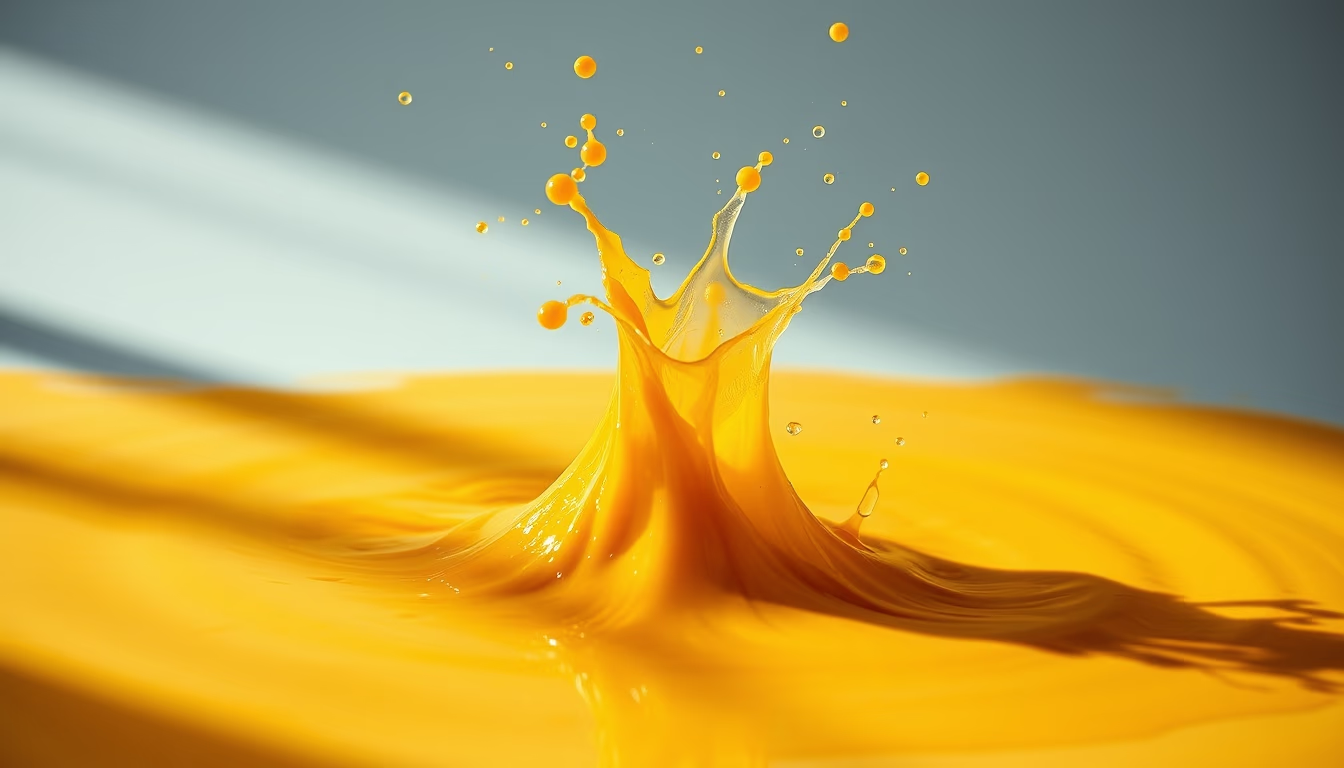
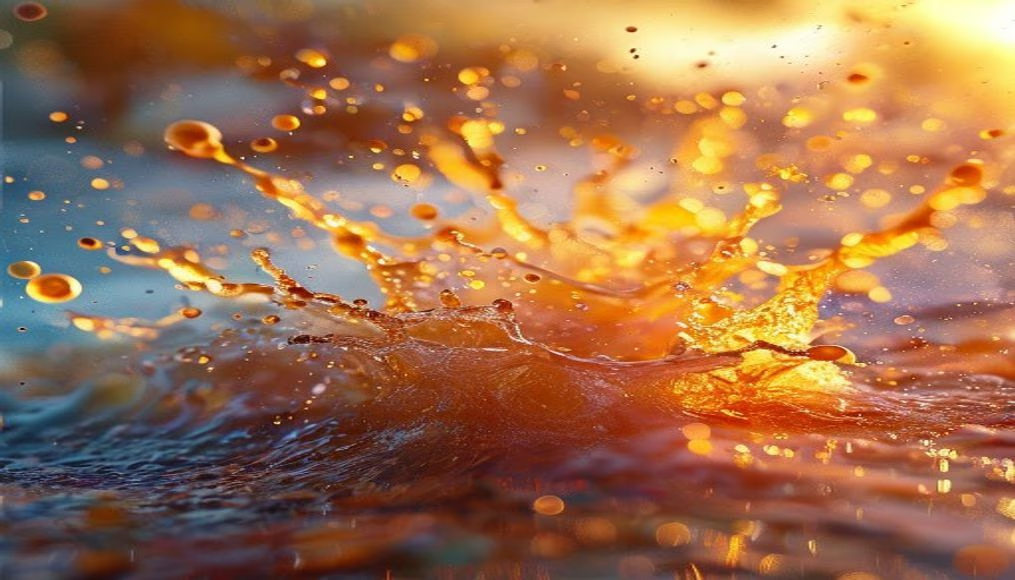
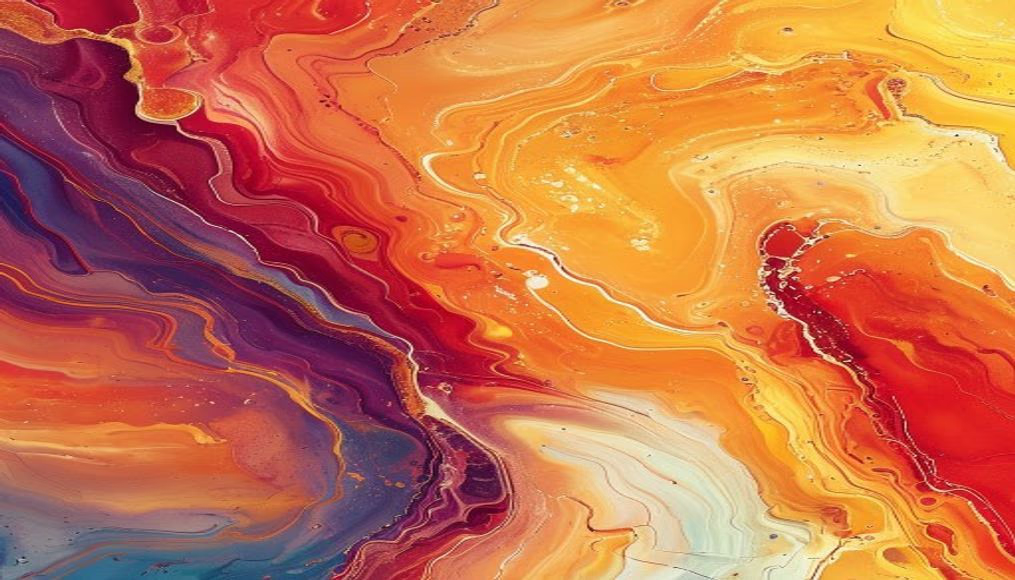
The technique of paint splashing in water creates unique and ephemeral patterns, explored in fluid art and high-speed photography.
About this subject
Fluid art, also known as paint pouring, is a contemporary technique that involves pouring acrylic paints onto a liquid surface, typically water or a thickening medium, to create organic and cellular patterns. The process exploits differences in density and surface tension: paints, lighter than water, form layers that expand and blend slowly, generating forms reminiscent of nebulae, marble, or cell clusters.
Execution requires careful preparation: acrylic paint is mixed with a flow agent (such as Floetrol) to increase fluidity and prevent overmixing. Over a base of water with glue or cornstarch, paints are poured in sequence; a slight tilt or blow can direct the flow, creating the desired effect. Once the patterns stabilize, paper or canvas is gently laid on the surface to transfer the paint film.
Historically, similar techniques date back to Japanese suminagashi (12th century) and Turkish ebru, where paint floats on viscous water and is then transferred to paper. In contemporary art, fluid art gained popularity in the 2010s through viral tutorials and exhibitions by artists like Holton Rower. Each splash is unique and irreproducible, attracting collectors and enthusiasts interested in the meditative process and unpredictable results.
High-speed photography captures the exact moment of paint impact on water, freezing color explosions. This approach reveals fluid physics: waves, splashes, and bubbles forming in milliseconds. Combining science and art, such images are used in editorials, magazine covers, and advertising campaigns seeking to convey creativity and motion.
Frequently Asked Questions
What is the difference between fluid art and marbling?
Fluid art is more abstract and usually done on canvas or paper, while marbling (like ebru) is a traditional technique of decorating paper with wavy patterns transferred from water.
How to achieve a splash effect instead of cells?
For splashes, use more diluted paint and pour with more force onto the water, or use a straw/bellows to blow the colors. Cells appear with silicone and gentle movements.
Which paints are recommended for fluid art in water?
Liquid acrylic paints (not thick) with a flow additive. Avoid very thick paints. Popular brands are Liquitex, Amsterdam, and Acrilex.
Direct URL
https://pub-c7d6a6ea828543ac903a74a341ccb2e1.r2.dev/imagens/paint-splash-water-magazine-editorial-p4.avifHow to credit
Include a visible link back to UtilizAí. Copy one of the snippets below:
<a href="https://xn--utiliza-eza.com/en/midia/imagens/paint-splash-water-magazine-editorial-p4">Paint splash water</a> by <a href="https://xn--utiliza-eza.com">UtilizAí</a>, licensed under <a href="https://creativecommons.org/licenses/by/4.0/">CC BY 4.0</a>.
[Paint splash water](https://xn--utiliza-eza.com/en/midia/imagens/paint-splash-water-magazine-editorial-p4) by [UtilizAí](https://xn--utiliza-eza.com), CC BY 4.0
License: CC-BY-4.0