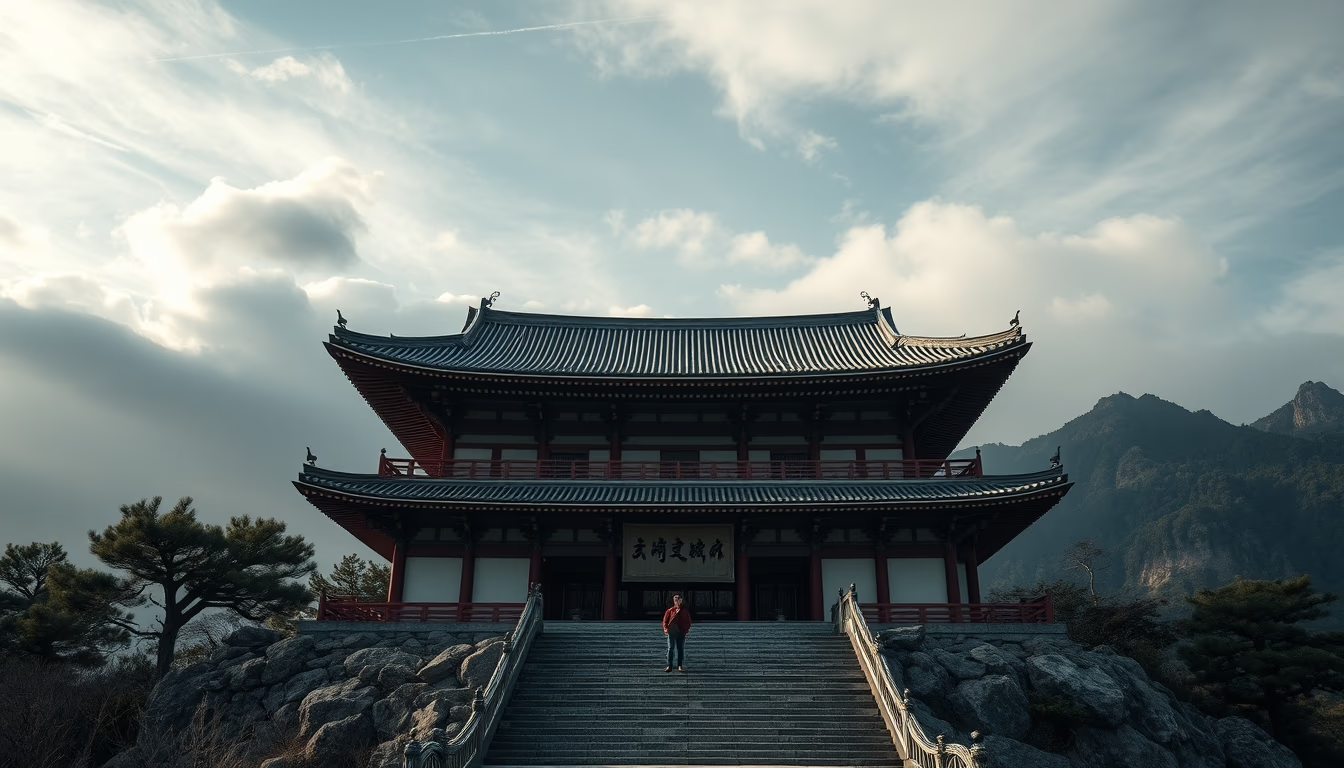
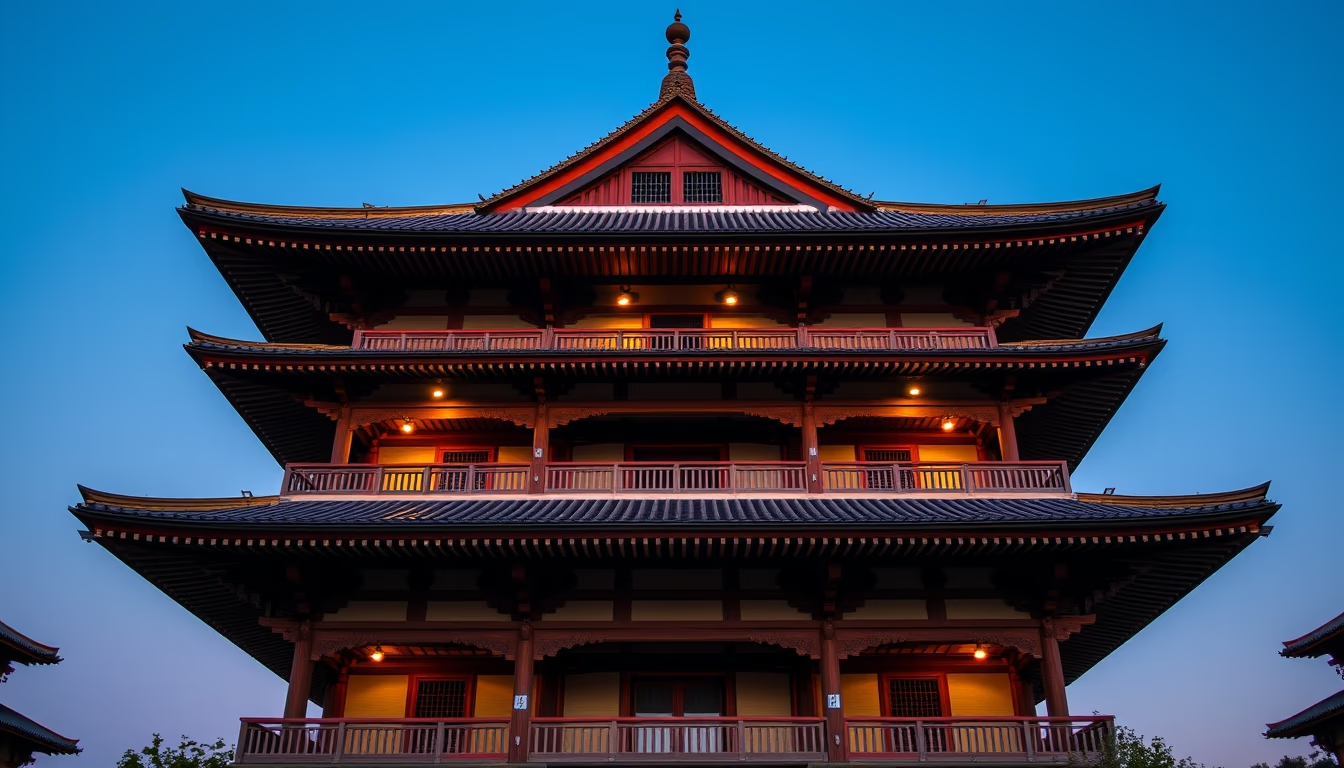
Pagoda multiple stories
1344×768 · AVIF · CC BY 4.0
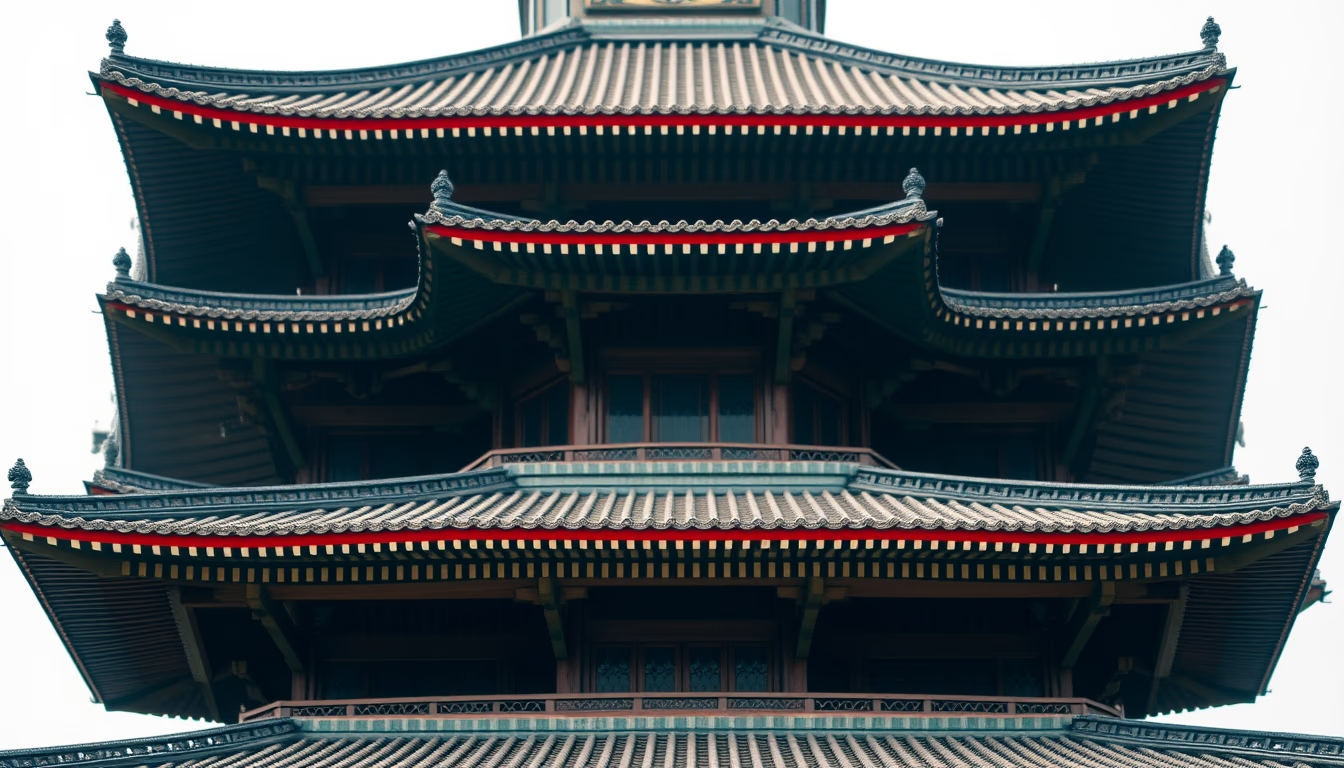
Multi-story pagoda: iconic structure of Asian architecture, symbol of spirituality and harmony with nature.
About this subject
A pagoda is a multi-story tower common in East and Southeast Asia, originating from Indian stupas of the 3rd century BCE. Unlike solid stupas, pagodas have open floors and curved roofs, influenced by Chinese architecture. They are typically made of wood, brick, or stone, and each floor represents a level of enlightenment in Buddhism.
In Japan, five-story pagodas (gojunoto) symbolize the five elements: earth, water, fire, air, and void. Famous examples include Toji Pagoda in Kyoto, standing 54 meters tall, and Horyuji Pagoda, one of the oldest wooden structures in the world. In China, the Iron Pagoda in Kaifeng (1049 CE) is made of glazed bricks that resemble iron, resisting earthquakes.
Pagodas also served as repositories for sacred relics and scriptures. Many feature a central pillar (shinbashira) that helps absorb tremors. In Korea, the Dabotap Pagoda at Bulguksa Temple (8th century) is renowned for its symmetry and granite details. These structures are not only religious; many are located in parks and gardens, such as Chureito Pagoda, which offers a view of Mount Fuji.
Fun fact: the tallest pagoda in the world is Tianning Pagoda in Changzhou, China, at 153 meters. To-ji Pagoda, at 55 meters, is the tallest wooden tower in Japan. The multi-story design has even influenced modern architecture, such as the Canton Tower in Guangzhou, reminiscent of a pagoda.
Frequently Asked Questions
What is the difference between a stupa and a pagoda?
Stupas are hemispherical mounds that house relics, originating in India. Pagodas evolved from them but have a tower shape with multiple stories and curved roofs, typical of East Asia.
Why do pagodas in Japan have five stories?
The five stories represent the five elements of Buddhist cosmology: earth, water, fire, air, and void. Each story has a spiritual meaning.
What is the oldest standing pagoda?
Horyuji Pagoda in Japan, built around 607 CE, is one of the oldest wooden structures in the world and still stands.
Direct URL
https://pub-c7d6a6ea828543ac903a74a341ccb2e1.r2.dev/imagens/pagoda-multiple-stories-macro-closeup-fresh10.avifHow to credit
Include a visible link back to UtilizAí. Copy one of the snippets below:
<a href="https://xn--utiliza-eza.com/en/midia/imagens/pagoda-multiple-stories-macro-closeup-fresh10">Pagoda multiple stories</a> by <a href="https://xn--utiliza-eza.com">UtilizAí</a>, licensed under <a href="https://creativecommons.org/licenses/by/4.0/">CC BY 4.0</a>.
[Pagoda multiple stories](https://xn--utiliza-eza.com/en/midia/imagens/pagoda-multiple-stories-macro-closeup-fresh10) by [UtilizAí](https://xn--utiliza-eza.com), CC BY 4.0
License: CC-BY-4.0