Pagoda multiple stories
1344×768 · AVIF · CC BY 4.0

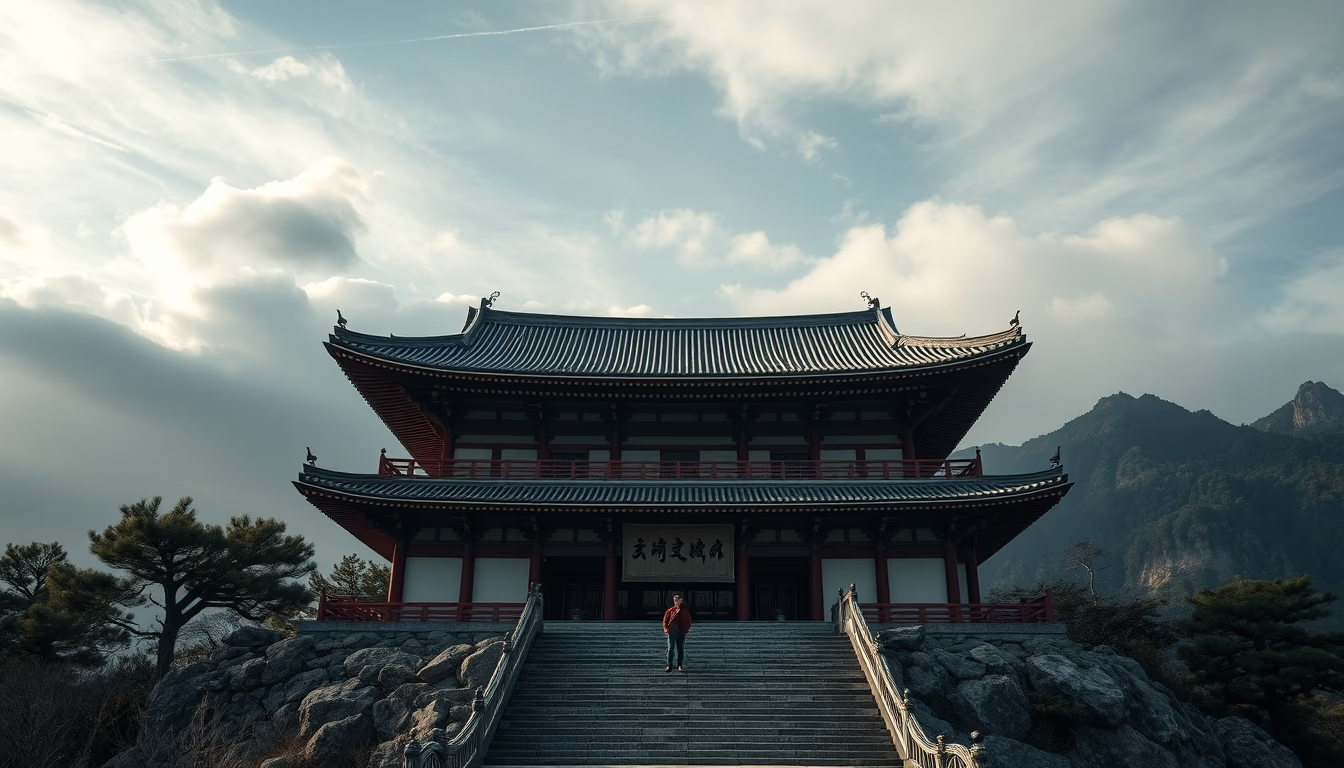
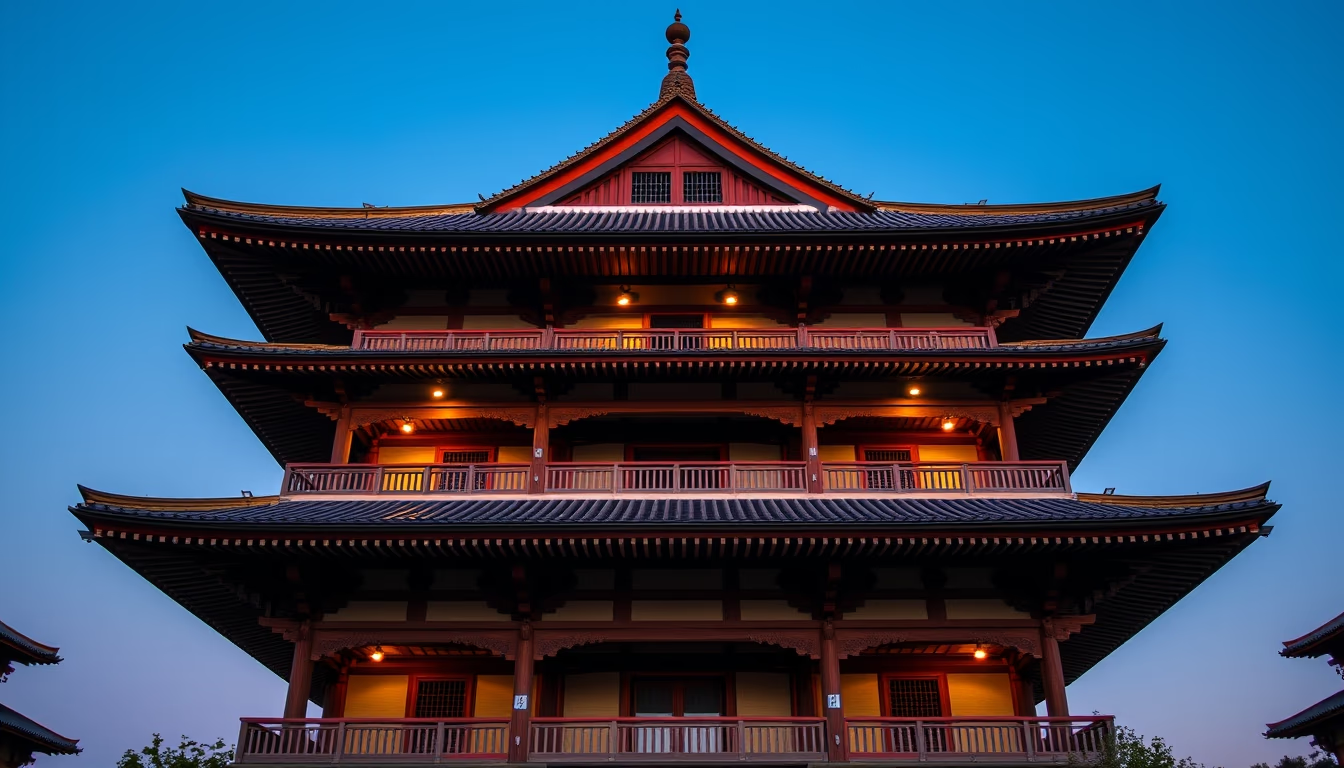
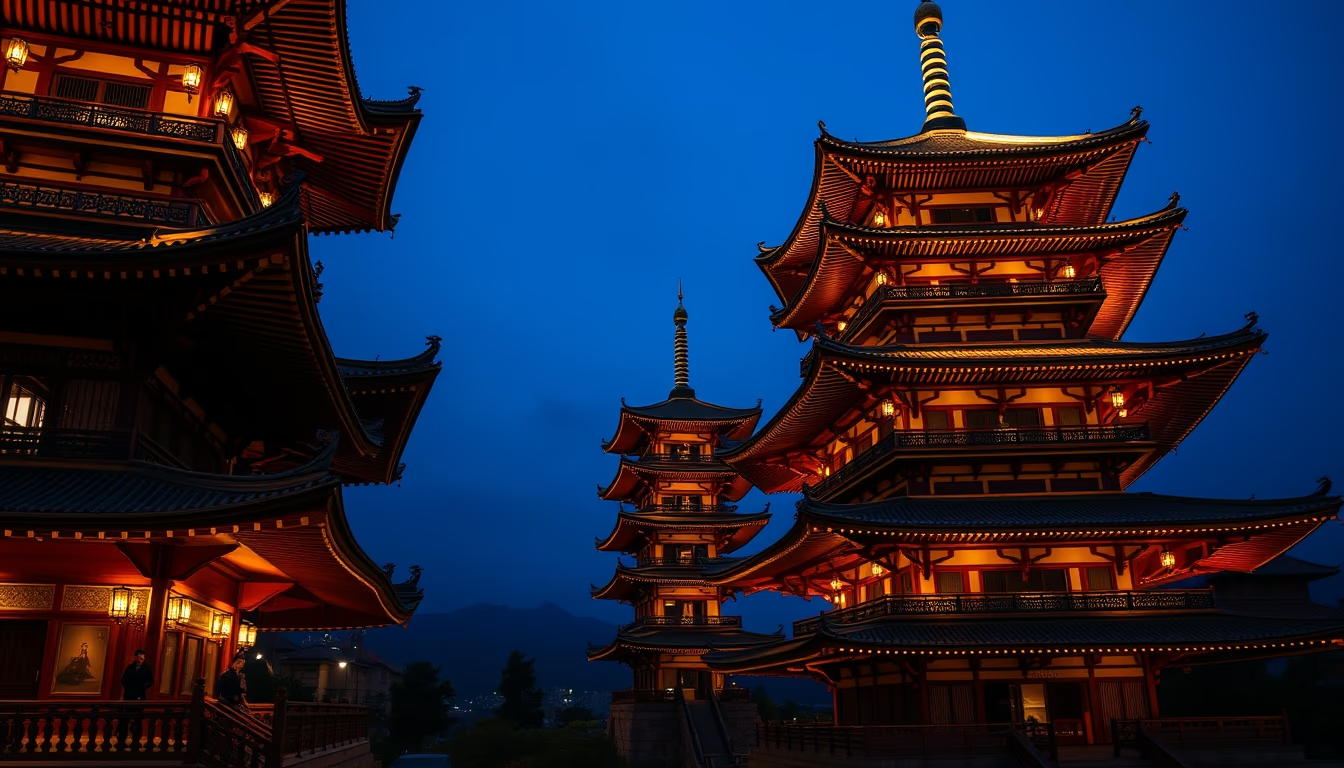
Pagodes com múltiplos andares são ícones da arquitetura budista, simbolizando a jornada espiritual rumo à iluminação.
Sobre o tema
Os pagodes são torres escalonadas originárias do subcontinente indiano, onde evoluíram dos antigos stupas. A estrutura de múltiplos andares, comum na China, Japão, Coreia e outros países do Leste Asiático, representa os estágios da ascensão espiritual. Cada andar pode simbolizar um dos cinco elementos (terra, água, fogo, ar e vazio) ou as dez virtudes do budismo. O número de andares é frequentemente ímpar, pois números ímpares são considerados auspiciosos na cultura chinesa.
Um exemplo notável é o Pagode de Yingxian, na província de Shanxi, China. Construído em 1056 d.C., é a mais antiga estrutura de madeira de múltiplos andares do mundo, com nove andares e 67 metros de altura. Diferentemente de muitos pagodes chineses, que são de tijolo ou pedra, o de Yingxian é inteiramente de madeira, demonstrando técnicas avançadas de carpintaria. Já no Japão, pagodes de cinco andares, como o do templo Horyuji, são comuns e simbolizam os cinco elementos na tradição esotérica budista.
Os pagodes não são apenas símbolos religiosos, mas também funcionais. Muitos foram construídos para abrigar relíquias sagradas, como fragmentos de ossos de Buda ou textos sutra. Sua estrutura em camadas permitia que os sinos nos beirais emitissem sons ao vento, purificando o ambiente. A altura e a forma também serviam como marcos paisagísticos e pontos de observação em cidades antigas.
A construção de pagodes de múltiplos andares exigia engenharia sofisticada. Eles frequentemente são erguidos sem pregos, usando encaixes de madeira que permitem flexibilidade durante terremotos. O Pagode de Pedra do Templo Songyue, na China, é um exemplo antigo de pagode de tijolos com doze andares, datado do século VI. Cada andar diminui em tamanho, criando uma silhueta cônica que melhora a estabilidade estrutural.
Perguntas frequentes
Quantos andares um pagode geralmente tem?
O número de andares varia, mas frequentemente é ímpar, como 3, 5, 7 ou 9, por simbolizarem auspiciosidade na cultura chinesa. Pagodes japoneses comuns têm 5 andares, representando os cinco elementos.
Qual é o pagode de madeira mais antigo ainda existente?
O Pagode de Yingxian, na China, construído em 1056 d.C., é o mais antigo pagode de madeira de múltiplos andares do mundo, com nove andares e 67 metros de altura.
Por que os pagodes têm múltiplos andares?
Os andares simbolizam estágios de elevação espiritual ou os elementos da natureza. Funcionalmente, permitiam abrigar relíquias sagradas e criar pontos de observação.
URL direta
https://pub-c7d6a6ea828543ac903a74a341ccb2e1.r2.dev/imagens/pagoda-multiple-stories-documentary-photography-fresh6.avifComo creditar
Inclua um link visível de volta pro UtilizAí. Copie um dos snippets abaixo:
<a href="https://xn--utiliza-eza.com/midia/imagens/pagoda-multiple-stories-documentary-photography-fresh6">Pagoda multiple stories</a> by <a href="https://xn--utiliza-eza.com">UtilizAí</a>, licensed under <a href="https://creativecommons.org/licenses/by/4.0/">CC BY 4.0</a>.
[Pagoda multiple stories](https://xn--utiliza-eza.com/midia/imagens/pagoda-multiple-stories-documentary-photography-fresh6) by [UtilizAí](https://xn--utiliza-eza.com), CC BY 4.0
Licença: CC-BY-4.0