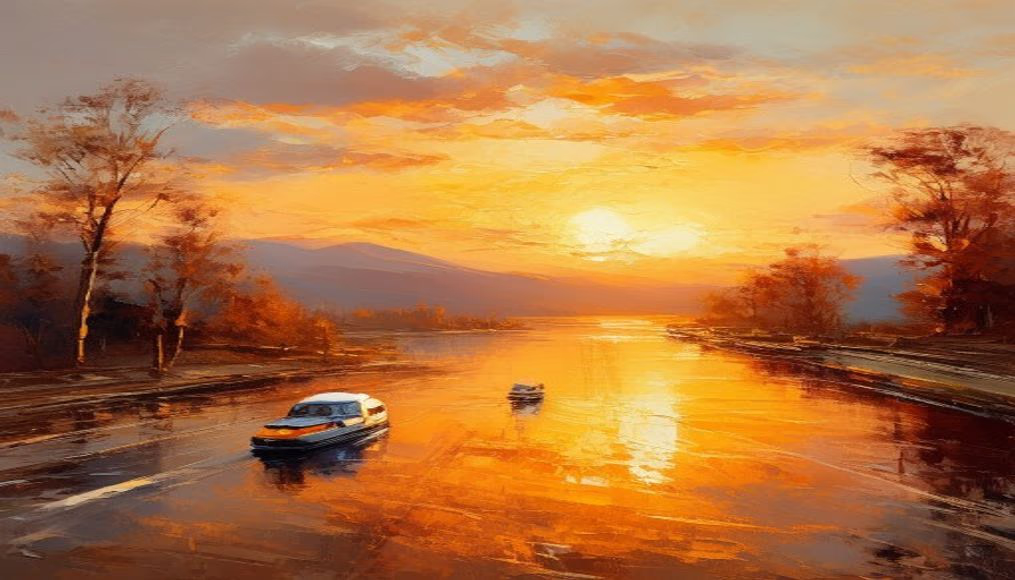
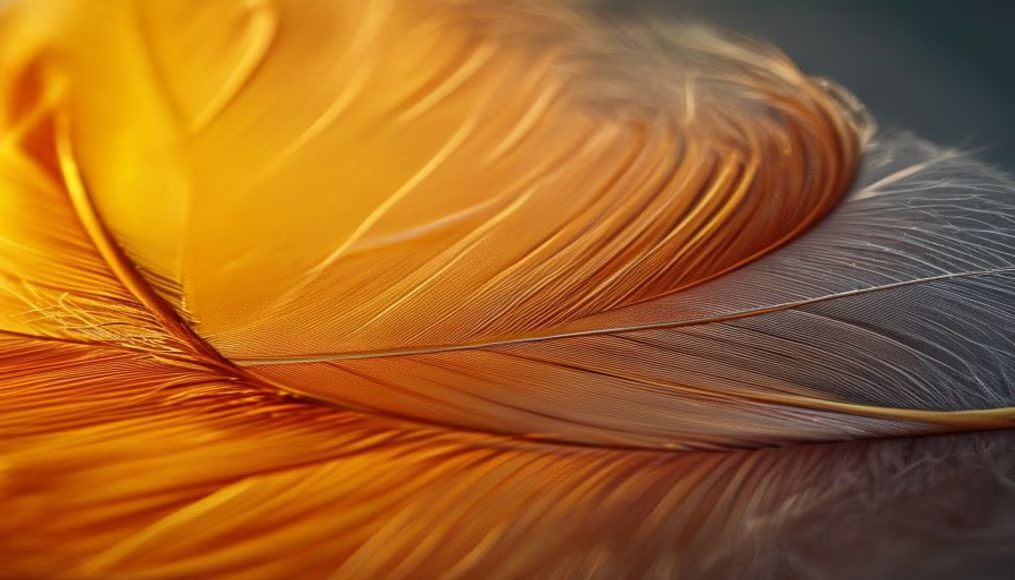
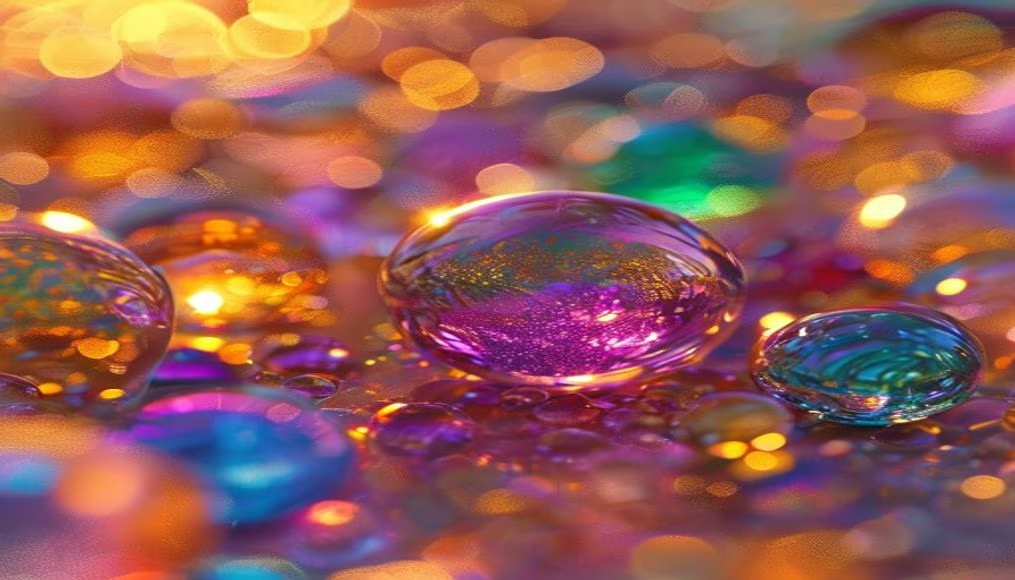
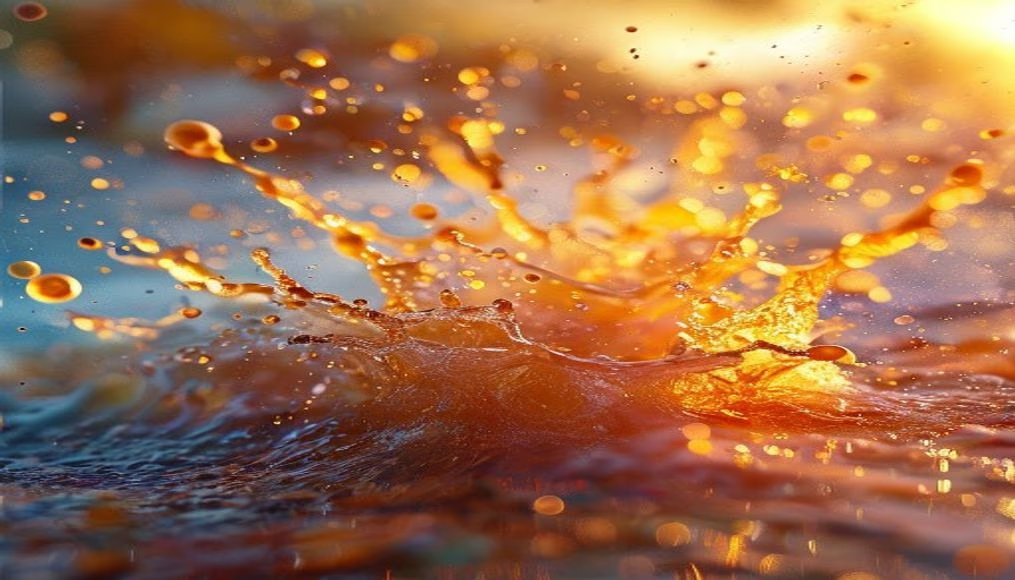
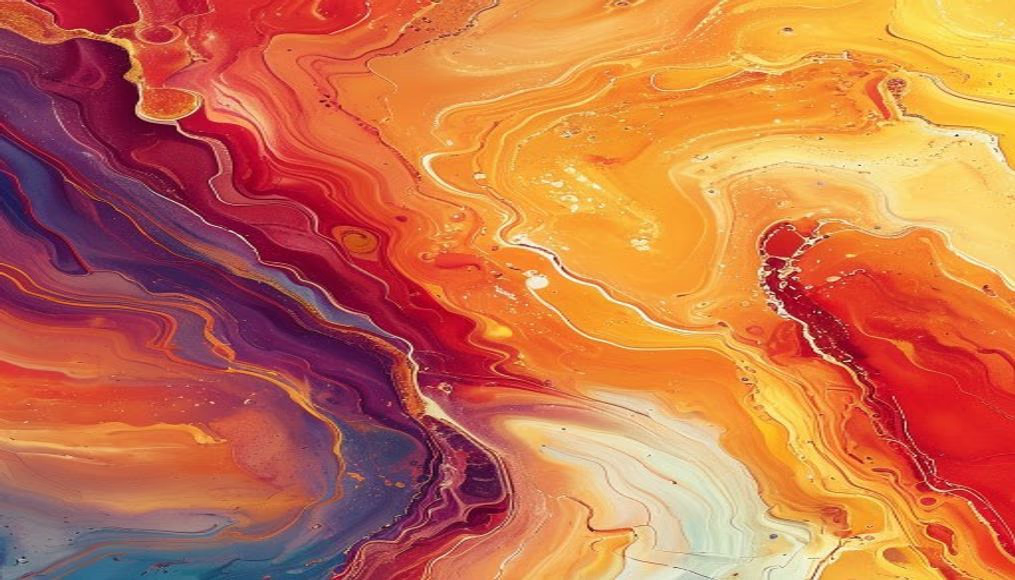
Oil paint texture
1344×768 · AVIF · CC BY 4.0

Oil paint texture reveals the materiality and centuries-old techniques that define classical and contemporary painting.
About this subject
Oil paint texture is one of the most distinctive elements of classical and contemporary painting. Unlike other techniques such as watercolor or acrylic, oil paint allows the creation of thick layers and reliefs, known as impasto, which add volume and depth to the work. This feature was widely explored by masters like Rembrandt and Van Gogh, who used texture to express emotion and movement. The composition of oil paint, based on pigments ground in linseed or walnut oil, results in slow drying, allowing the artist to work on details for hours or days.
Historically, oil painting emerged in Europe during the 15th century, attributed to Jan van Eyck, although earlier experiments existed. The technique quickly gained popularity for its versatility and durability. The final texture depends on factors such as paint viscosity, brush or palette knife type, and canvas surface. Modern artists like Jackson Pollock took texture to another level using drip techniques that create irregular reliefs. Documentary photography of oil paint textures serves as a record for conservation studies and aesthetic appreciation, as each layer tells the story of the painter's gesture.
Interestingly, texture also influences color perception: areas with more relief reflect light diffusely, altering the perceived hue. In famous works like Van Gogh's "The Starry Night," thick brushstrokes create a three-dimensional effect that draws the viewer's eye. Texture analysis is essential for artwork authentication, as each artist has a unique application pattern. Additionally, texture can reveal later interventions, such as overpaints or inadequate restorations.
In the context of documentary photography, capturing oil paint texture requires side lighting and macro photography to highlight reliefs. These images are used in art catalogs, educational materials, and even textile design, where texture patterns are digitally reproduced. Texture is not just an aesthetic detail but a historical document of the technique and style of each artistic period.
Frequently Asked Questions
What is impasto in oil painting?
Impasto is a technique in oil painting where paint is applied in thick layers, creating visible reliefs and textures. Artists like Van Gogh and Rembrandt used this technique to add volume and expressiveness to their works.
Why is oil paint texture important for artwork authentication?
Texture reveals the unique pattern of brushstrokes and application of each artist. Texture analysis can identify overpaints, restorations, or forgeries, helping to verify the authenticity and conservation state of the artwork.
How does documentary photography capture oil paint texture?
Documentary photography uses side lighting and macro photography to highlight reliefs and details of the texture. These images are used in catalogs, conservation studies, and educational materials.
Direct URL
https://pub-c7d6a6ea828543ac903a74a341ccb2e1.r2.dev/imagens/oil-paint-texture-documentary-photography.avifHow to credit
Include a visible link back to UtilizAí. Copy one of the snippets below:
<a href="https://xn--utiliza-eza.com/en/midia/imagens/oil-paint-texture-documentary-photography">Oil paint texture</a> by <a href="https://xn--utiliza-eza.com">UtilizAí</a>, licensed under <a href="https://creativecommons.org/licenses/by/4.0/">CC BY 4.0</a>.
[Oil paint texture](https://xn--utiliza-eza.com/en/midia/imagens/oil-paint-texture-documentary-photography) by [UtilizAí](https://xn--utiliza-eza.com), CC BY 4.0
License: CC-BY-4.0