Mosaic tile detail
1344×768 · AVIF · CC BY 4.0
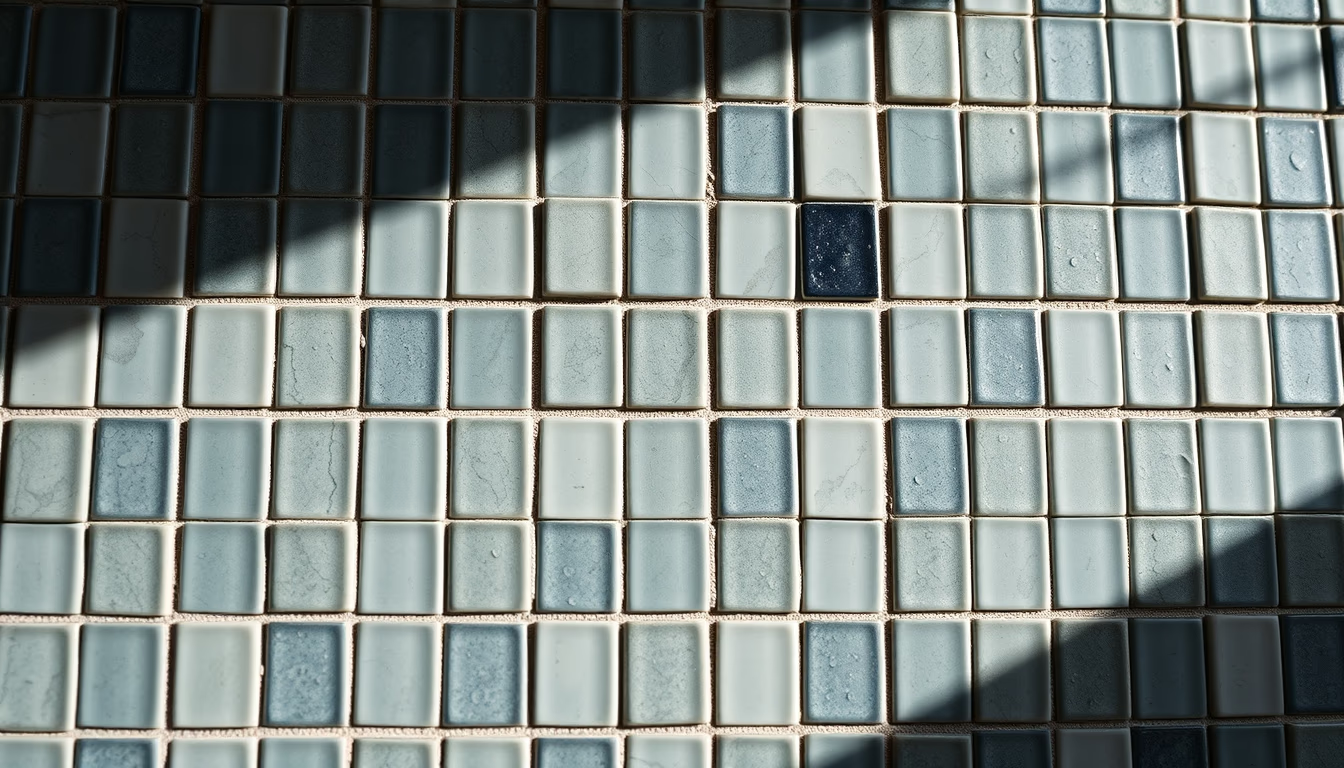
A detailed mosaic tile image reveals the intricate beauty of this ancient art form, using small colored pieces to create enduring patterns.
About this subject
Mosaic is a decorative art form that dates back millennia, with early examples found in Mesopotamia, ancient Greece, and Rome. The technique involves embedding small pieces of materials such as glass, stone, or ceramic, known as tesserae, into a surface to create images or patterns. Byzantine mosaics, particularly in Ravenna, Italy, are renowned for their gold backgrounds and religious depictions. Roman mosaics often illustrated daily life and mythology. In Islamic art, geometric and arabesque mosaics adorn mosques and palaces, avoiding human figures.
In Brazil, mosaic is prominent in Portuguese-style stone sidewalks (calcetaria), such as those at Copacabana Beach in Rio de Janeiro, and in modernism, like Athos Bulcão's panels in Brasília. The technique also thrives in contemporary art, with artists using recycled or industrial materials. Mosaics require patience and precision; each tessera is carefully placed. Color and texture choices determine the visual effect, including shadows and sheen.
A fascinating fact: the oldest known mosaic dates to around 3000 BCE in Uruk (modern Iraq). In Pompeii, ruins preserve stunning mosaics like the famous "Alexander Mosaic". Today, the technique is used in both public and private projects, from pool tiles to museum installations. A detailed mosaic image allows one to appreciate the meticulous craftsmanship that makes each piece unique.
Frequently Asked Questions
What is the origin of mosaic art?
Mosaic originated in Mesopotamia around 3000 BCE, but it was in ancient Greece and Rome that the technique flourished, used in floors and walls.
What materials are used to make tesserae?
Common materials include glass, stone (marble, granite), ceramic, and shells. Byzantine mosaics often used gold leaf between glass layers.
Is mosaic art used in Brazil?
Yes, in Portuguese-style stone sidewalks like Copacabana and in modernist panels by Athos Bulcão in Brasília. The technique is also used in contemporary art.
Direct URL
https://pub-c7d6a6ea828543ac903a74a341ccb2e1.r2.dev/imagens/mosaic-tile-detail-magazine-editorial-p0.avifHow to credit
Include a visible link back to UtilizAí. Copy one of the snippets below:
<a href="https://xn--utiliza-eza.com/en/midia/imagens/mosaic-tile-detail-magazine-editorial-p0">Mosaic tile detail</a> by <a href="https://xn--utiliza-eza.com">UtilizAí</a>, licensed under <a href="https://creativecommons.org/licenses/by/4.0/">CC BY 4.0</a>.
[Mosaic tile detail](https://xn--utiliza-eza.com/en/midia/imagens/mosaic-tile-detail-magazine-editorial-p0) by [UtilizAí](https://xn--utiliza-eza.com), CC BY 4.0
License: CC-BY-4.0