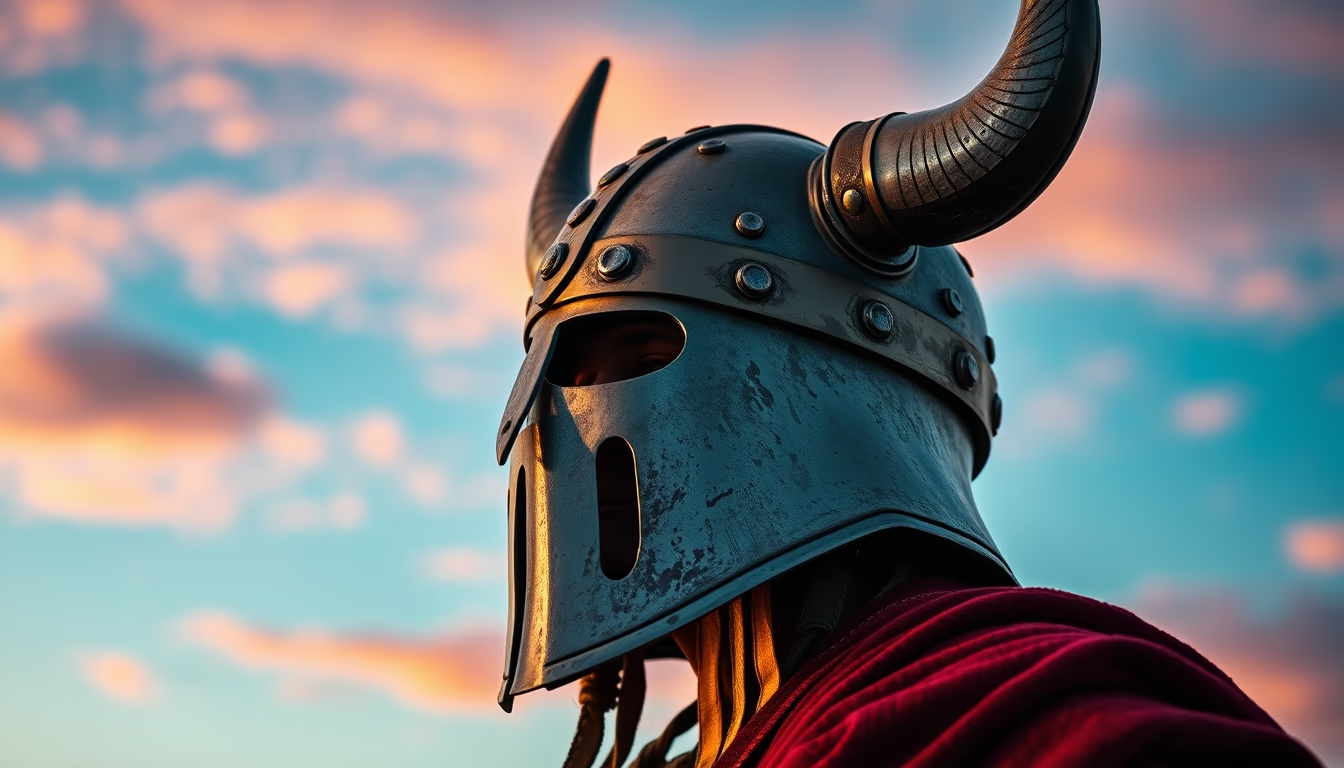
Medieval armor display
1344×768 · AVIF · CC BY 4.0
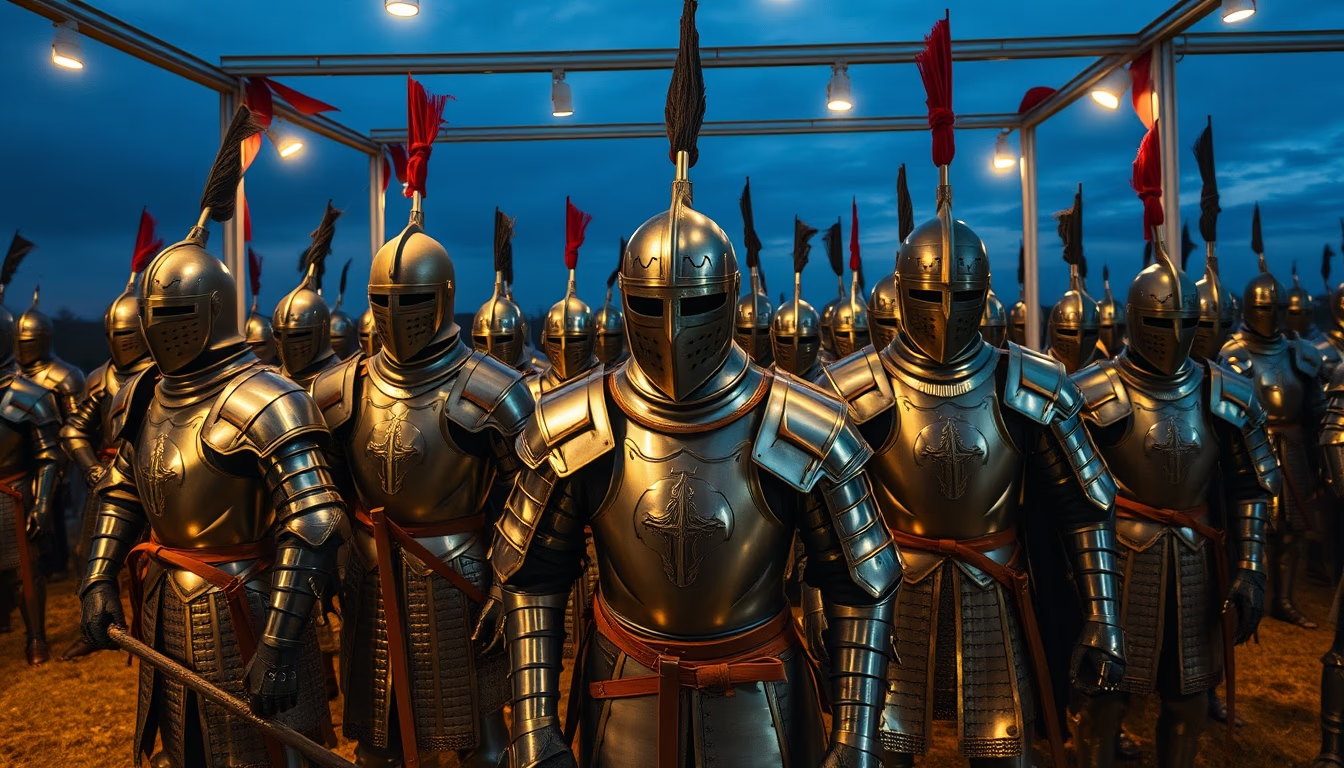
Aerial view of a medieval armor display, highlighting the careful arrangement of historical pieces in a museum or collection.
About this subject
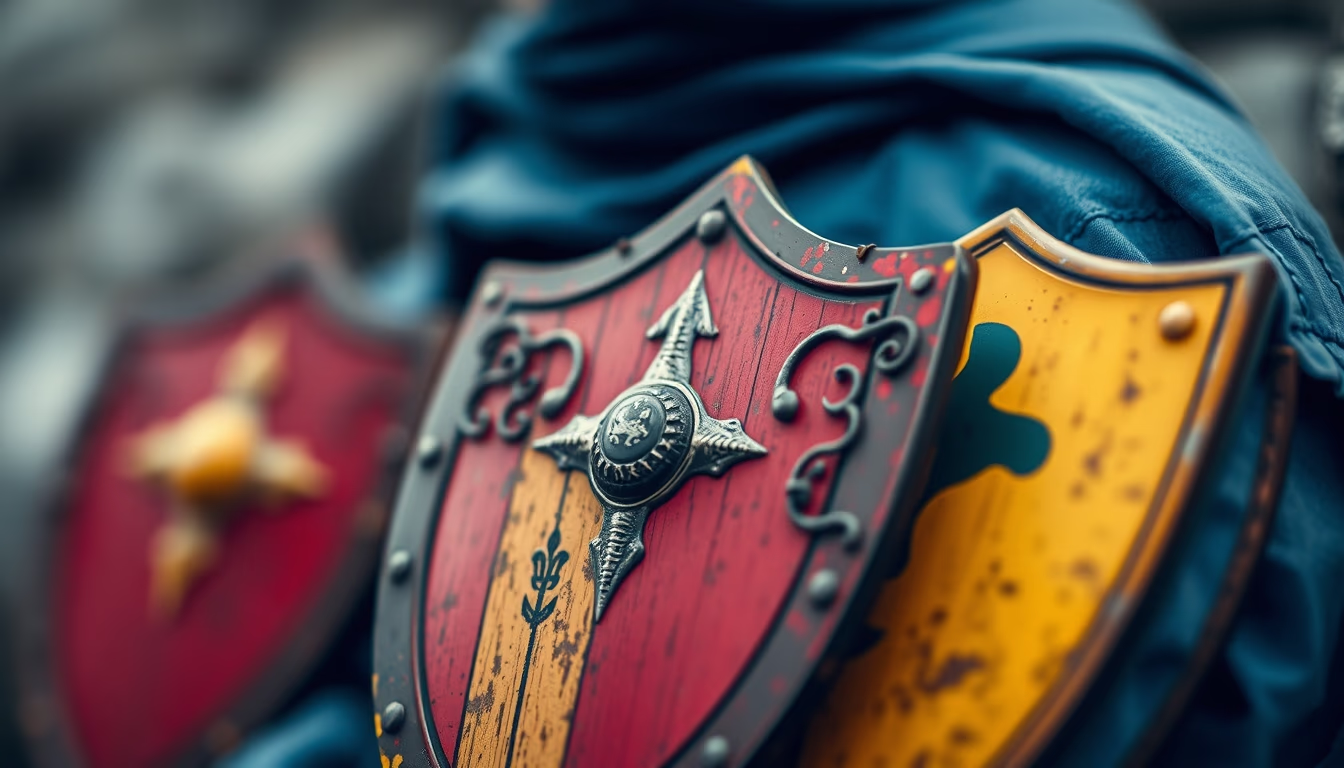
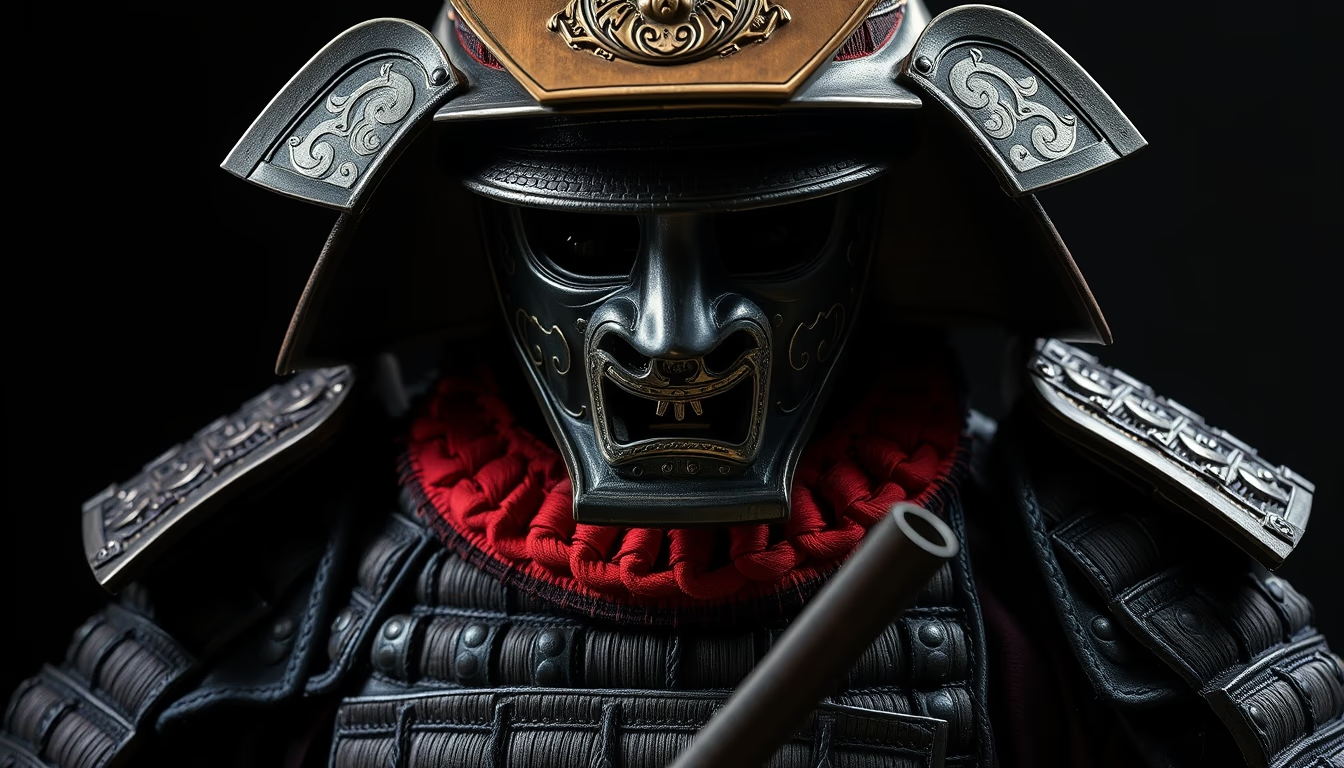
Medieval armor is one of the most iconic symbols of the European Middle Ages, representing both the technological evolution of warfare and the social status of its wearers. An aerial display of armor, such as captured in this image, allows appreciation of the meticulous arrangement of pieces including helmets, gorgets, breastplates, gauntlets, and greaves. These sets varied by period and region; for example, full plate armor (white armor) emerged in the 15th century and was common among knights from France and Germany. Meanwhile, chainmail, made of interlinked metal rings, was used from antiquity through the High Middle Ages.
Organizing an armor exhibition requires specialized knowledge in conservation and history. Pieces are typically mounted on mannequins or structures that replicate the human posture, arranged in groups simulating battles, formations, or jousts. In many museums, such as the Musée de l'Armée in Paris or the Royal Armouries in Leeds, armor is displayed chronologically to show the evolution of materials and forging techniques. Tempered steel gradually replaced softer iron, and the polished finish reflected not only protection but also the owner's wealth.
An interesting fact is that a complete armor could take months to produce and involved several artisans: blacksmiths, chasers, coppersmiths, and goldsmiths. The most ornate pieces, used in ceremonies, were decorated with reliefs, inlays of precious metals, and even enamels. The average weight of a field armor was around 25 kilograms, distributed across the body, requiring the knight to have intense physical training to ride and fight. Contrary to popular belief, a well-fitted armor allowed good mobility, one could perform somersaults and stand up without assistance.
Today, medieval armor displays are tourist attractions in castles, museums, and historical fairs. They not only preserve heritage but also educate the public about the material culture of the Middle Ages. The aerial view, as recorded, offers a unique perspective that highlights the symmetry and spatial planning of the exhibition, inviting the viewer to reflect on life and war in that era.
Frequently Asked Questions
What is the typical weight of a complete medieval armor?
A full field armor weighed on average 25 kilograms, distributed among helmet, breastplate, arm guards, gauntlets, greaves, and other components. This weight was mainly supported by the shoulders and hips, allowing reasonable mobility.
How were medieval armors preserved to prevent rust?
Armors were cleaned with fine sand or ashes and then oiled with linseed oil or pork fat to create a protective layer. In modern museums, humidity and temperature control are essential; pieces are often treated with waxes or corrosion-inhibiting coatings.
What types of armor exist besides full plate?
Besides plate armor, there were chainmail (chain mail), brigandine (plates riveted to fabric), padded gambeson, and hardened leather armor (cuir bouilli). Each type had a specific function: protection against cuts, flexibility, or low cost.
Direct URL
https://pub-c7d6a6ea828543ac903a74a341ccb2e1.r2.dev/imagens/medieval-armor-display-aerial-drone-shot-p0.avifHow to credit
Include a visible link back to UtilizAí. Copy one of the snippets below:
<a href="https://xn--utiliza-eza.com/en/midia/imagens/medieval-armor-display-aerial-drone-shot-p0">Medieval armor display</a> by <a href="https://xn--utiliza-eza.com">UtilizAí</a>, licensed under <a href="https://creativecommons.org/licenses/by/4.0/">CC BY 4.0</a>.
[Medieval armor display](https://xn--utiliza-eza.com/en/midia/imagens/medieval-armor-display-aerial-drone-shot-p0) by [UtilizAí](https://xn--utiliza-eza.com), CC BY 4.0
License: CC-BY-4.0