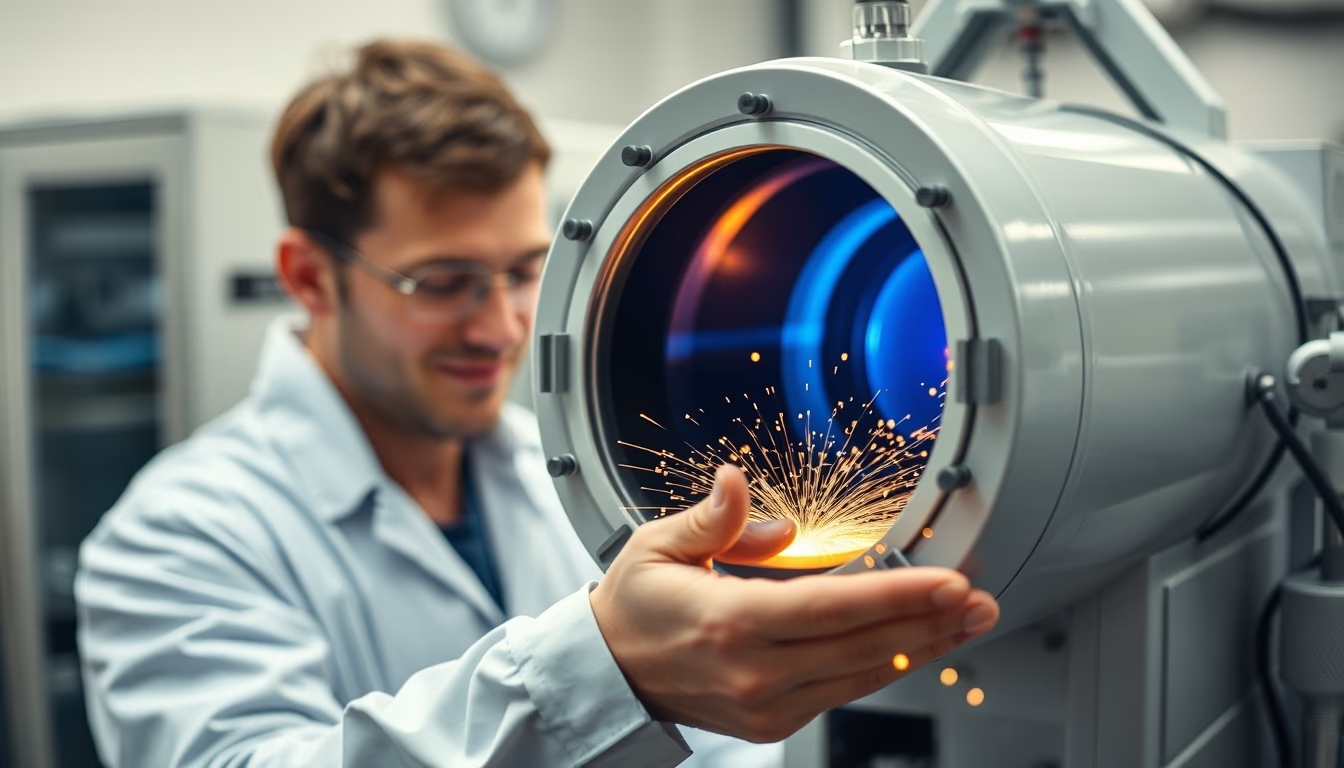
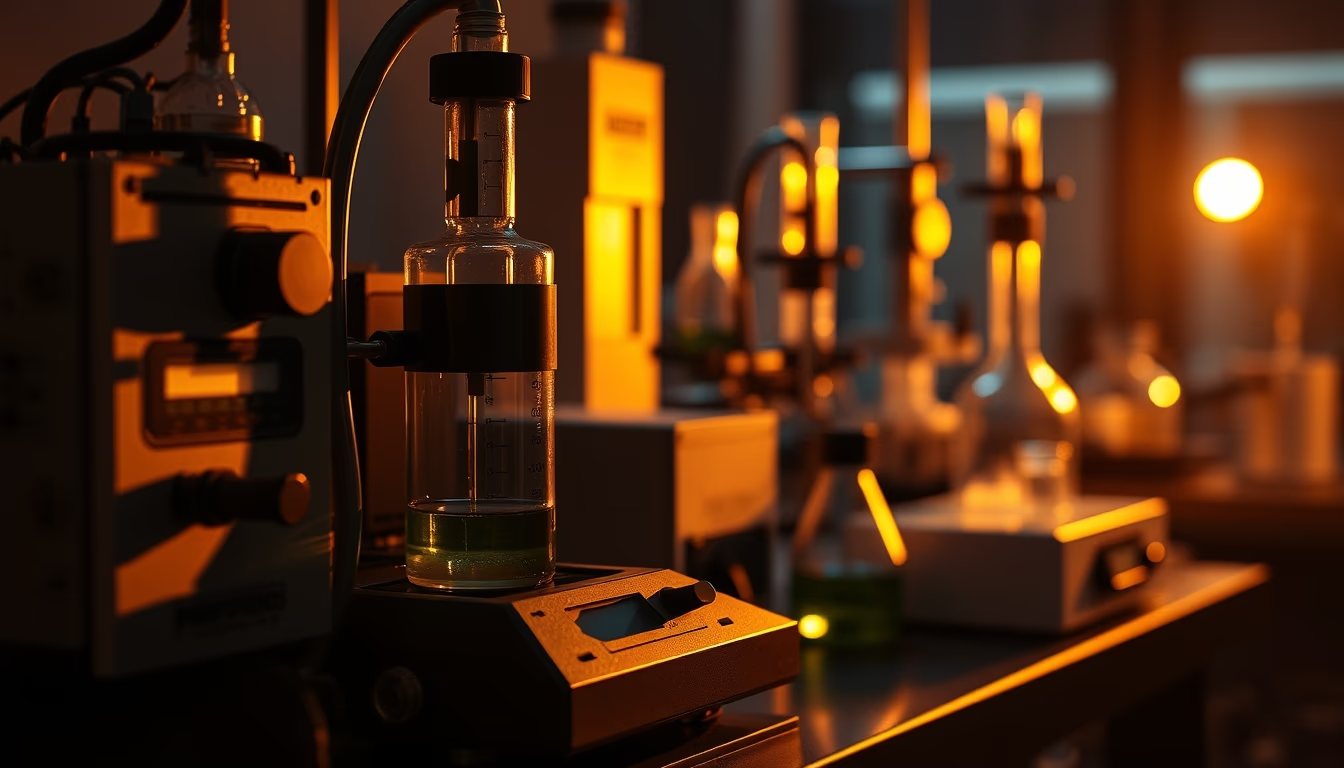
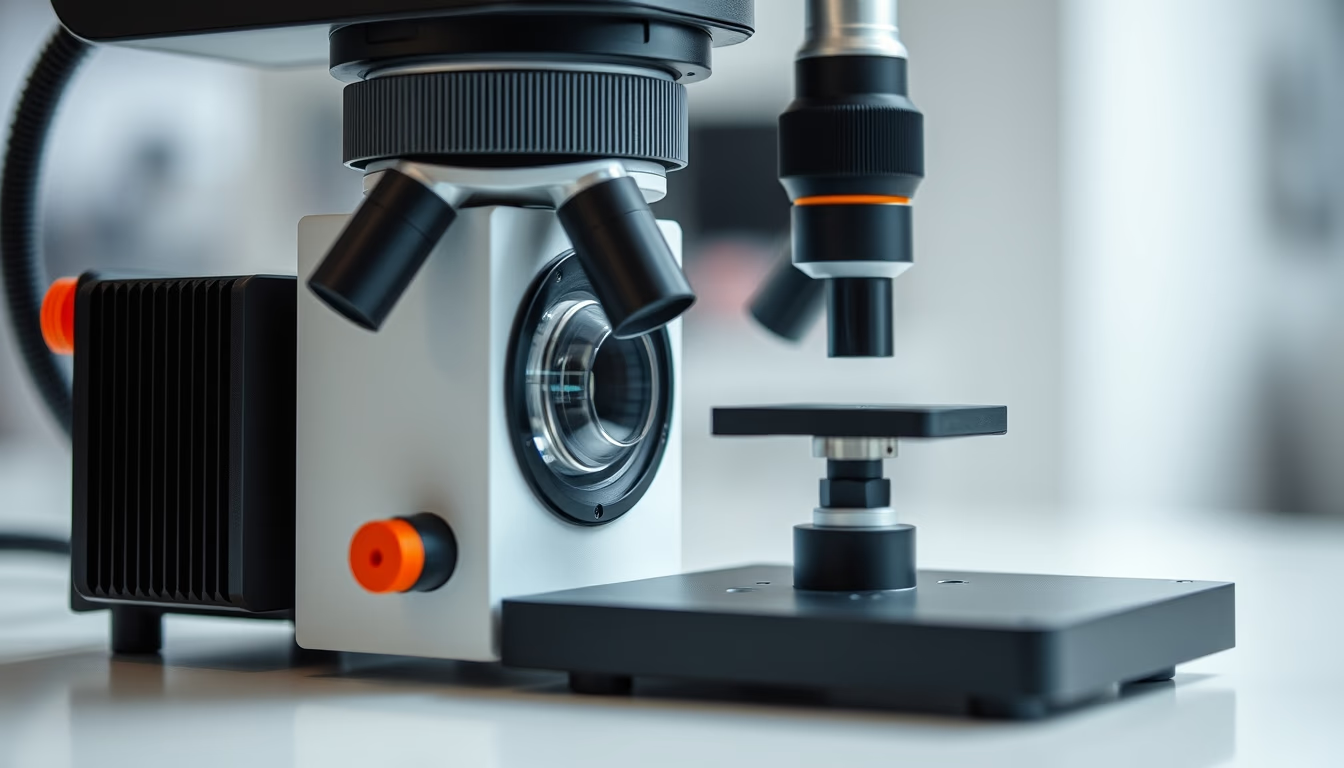
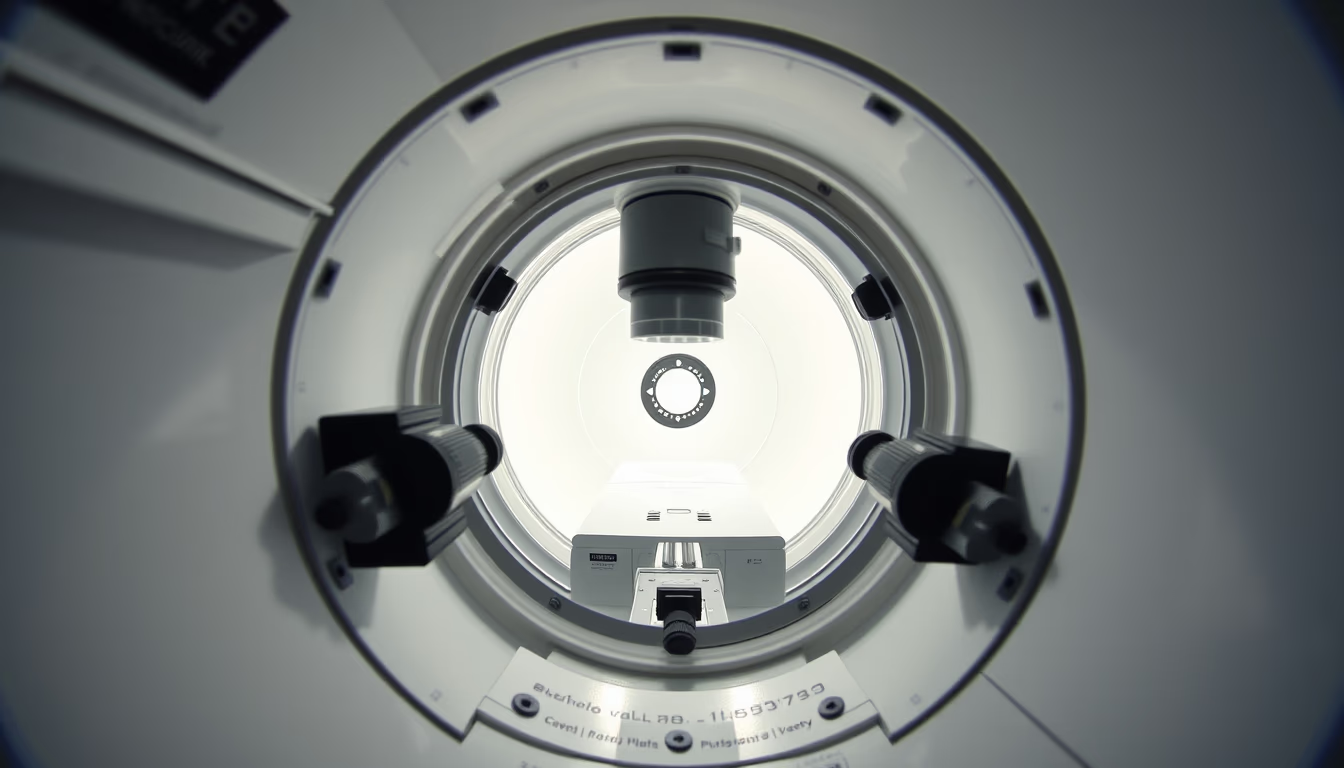
Mass spectrometer device
1344×768 · AVIF · CC BY 4.0
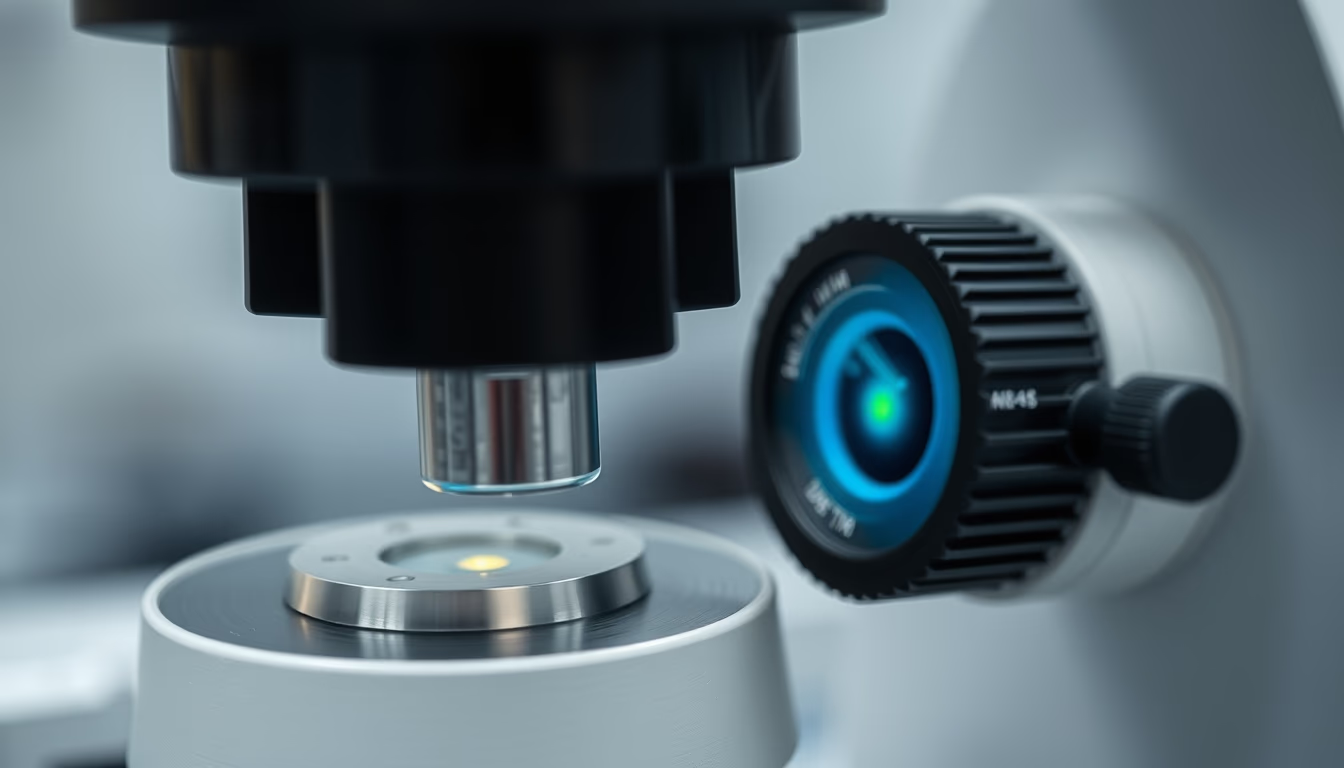
Mass spectrometer: analytical instrument that separates ions by mass-to-charge ratio, essential in analytical chemistry, biology and pharmacology.
About this subject
A mass spectrometer is a fundamental analytical instrument that measures the mass-to-charge ratio (m/z) of ions. Its principle was established by J.J. Thomson in the early 20th century, and since then it has evolved into techniques such as MALDI-TOF, tandem mass spectrometry (MS/MS), and electrospray ionization. The basic operation involves three steps: ionization of the sample, separation of ions based on their mass and charge, and detection. Ionization can be achieved by methods such as electron impact, chemical ionization, or matrix-assisted laser desorption. Separation occurs in analyzers such as quadrupole, time-of-flight (TOF), or ion trap.
This equipment is crucial in various scientific fields. In chemistry, it identifies unknown compounds and quantifies substances in complex mixtures. In biology and medicine, it enables analysis of proteins, metabolites, and biomarkers for disease diagnosis. In pharmacology, it is used for drug development and quality control. Additionally, mass spectrometry has applications in environmental science for detecting pollutants, in forensic science for analyzing drugs and explosives, and in geochronology for dating rocks.
The development of hyphenated techniques, such as liquid chromatography-mass spectrometry (LC-MS) and gas chromatography-mass spectrometry (GC-MS), has greatly expanded its applicability. High sensitivity and specificity allow detection of trace amounts of analytes, in the femtogram range. Recent advances include ion mobility mass spectrometry and mass spectrometry imaging, which maps the spatial distribution of molecules in biological tissues.
Frequently Asked Questions
What is a mass spectrometer used for?
It is used to identify and quantify molecules based on their mass. Applications include analysis of proteins, metabolites, drugs, pollutants, and many others.
How does a mass spectrometer work?
The sample is ionized, the ions are separated by their mass-to-charge ratio in an analyzer, and then detected. The result is a mass spectrum showing the abundance of each ion.
What are the main components of a mass spectrometer?
Ion source, mass analyzer (such as quadrupole or TOF), and detector. Advanced systems also include a sample introduction system and analysis software.
Direct URL
https://pub-c7d6a6ea828543ac903a74a341ccb2e1.r2.dev/imagens/mass-spectrometer-device-macro-closeup-fresh3.avifHow to credit
Include a visible link back to UtilizAí. Copy one of the snippets below:
<a href="https://xn--utiliza-eza.com/en/midia/imagens/mass-spectrometer-device-macro-closeup-fresh3">Mass spectrometer device</a> by <a href="https://xn--utiliza-eza.com">UtilizAí</a>, licensed under <a href="https://creativecommons.org/licenses/by/4.0/">CC BY 4.0</a>.
[Mass spectrometer device](https://xn--utiliza-eza.com/en/midia/imagens/mass-spectrometer-device-macro-closeup-fresh3) by [UtilizAí](https://xn--utiliza-eza.com), CC BY 4.0
License: CC-BY-4.0