Mass spectrometer device
1344×768 · AVIF · CC BY 4.0
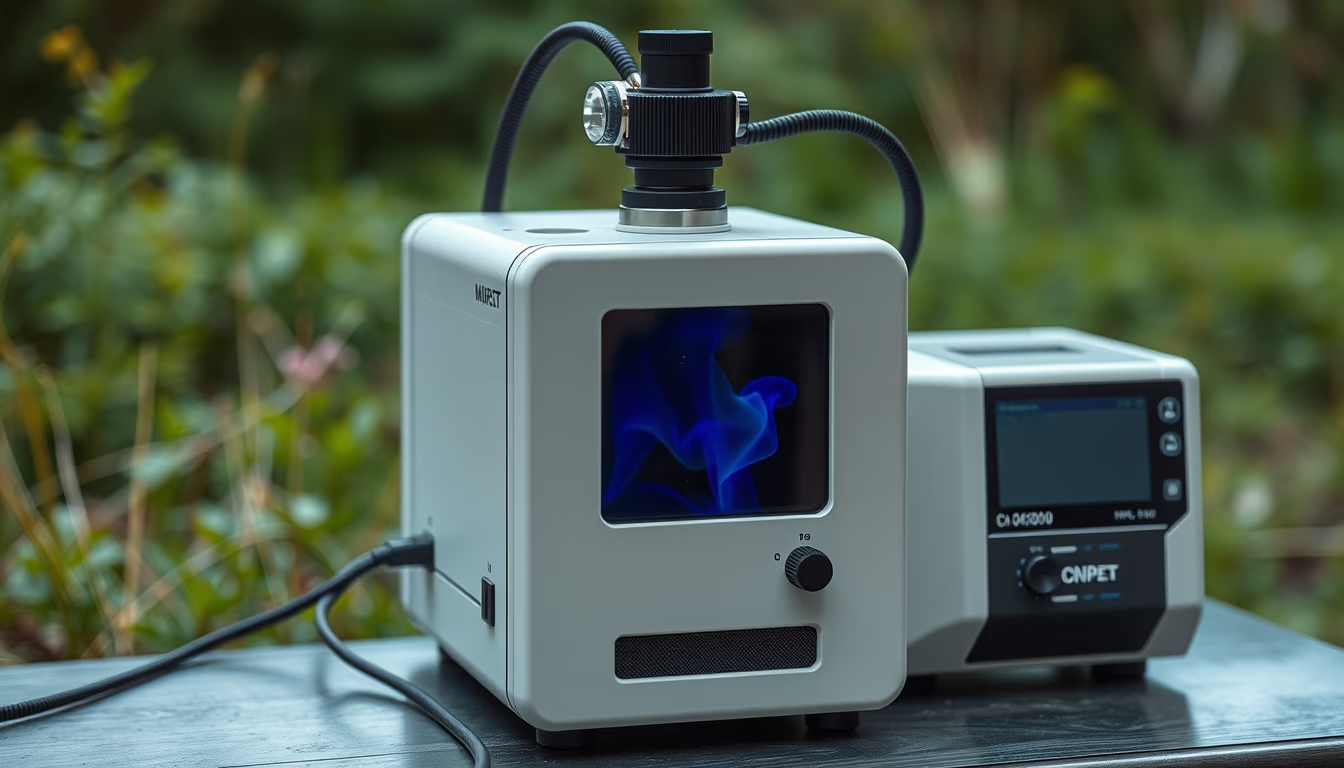
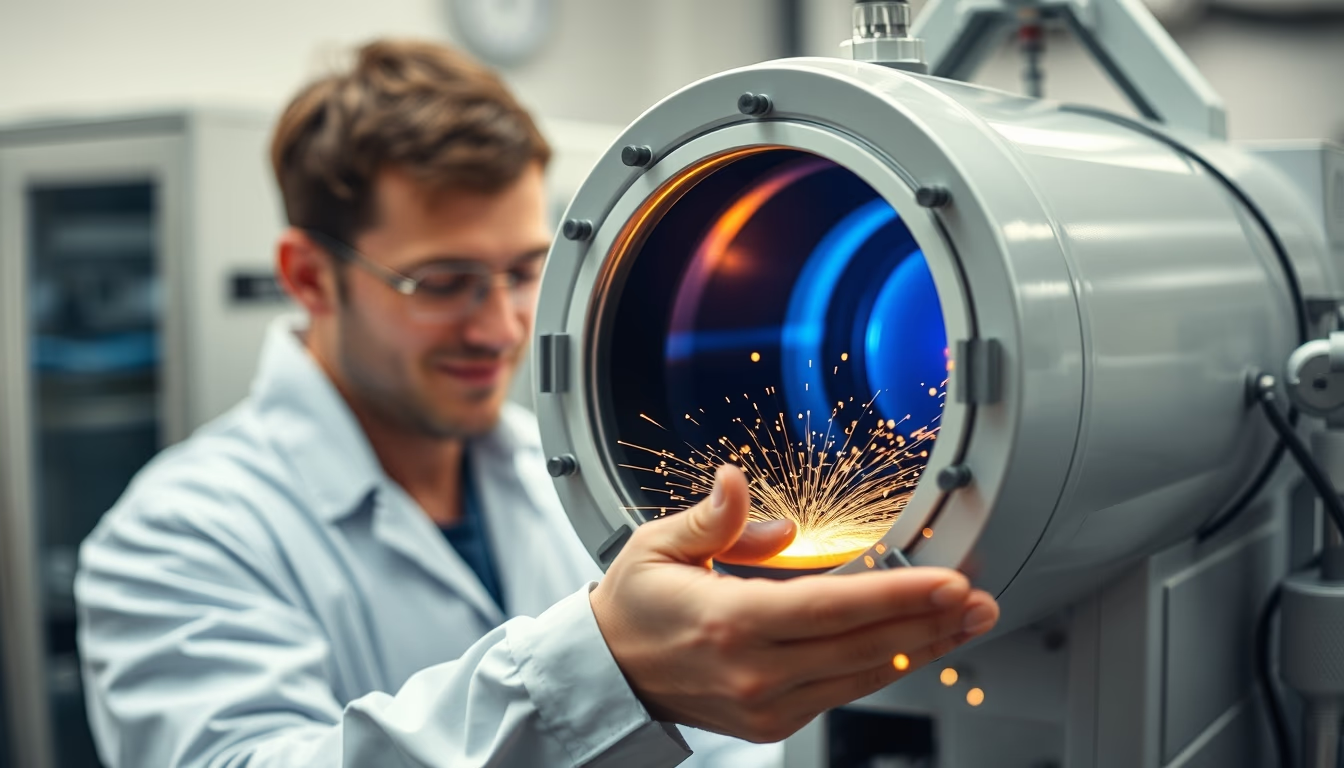
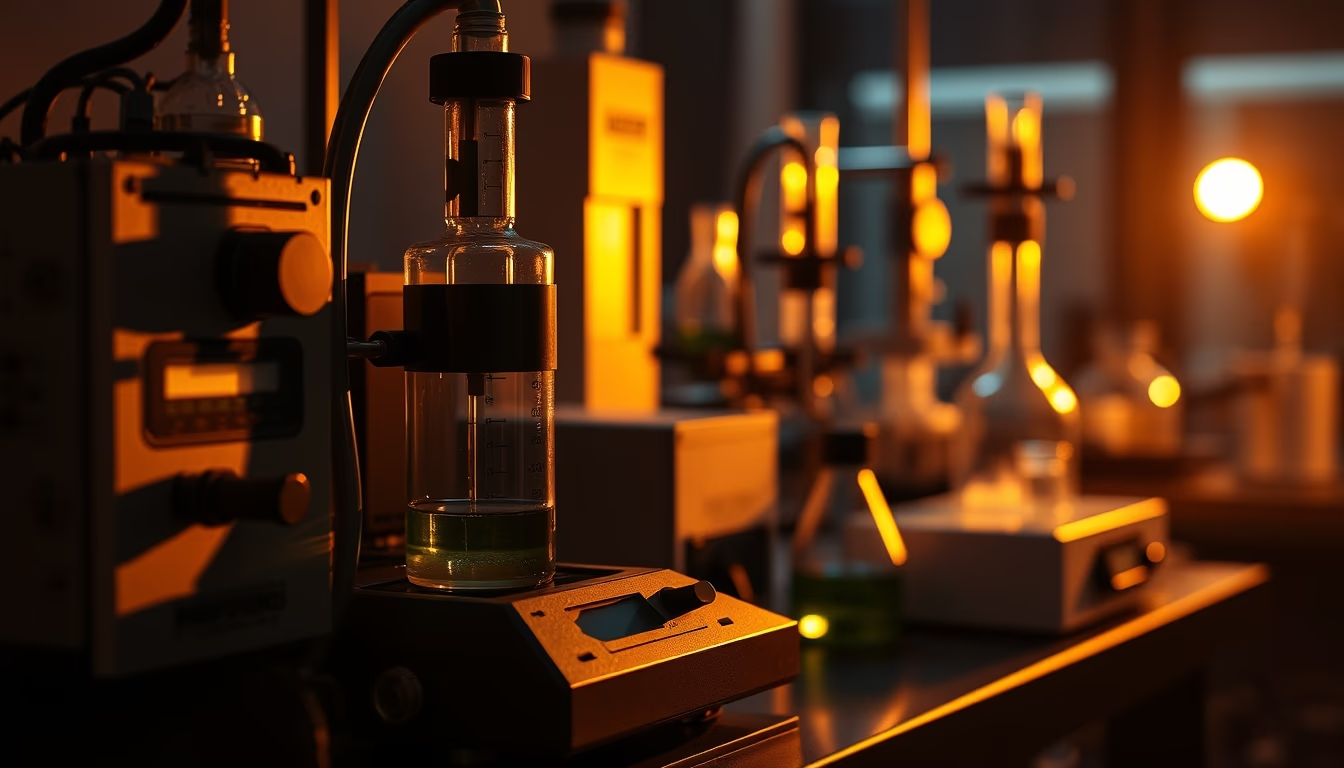
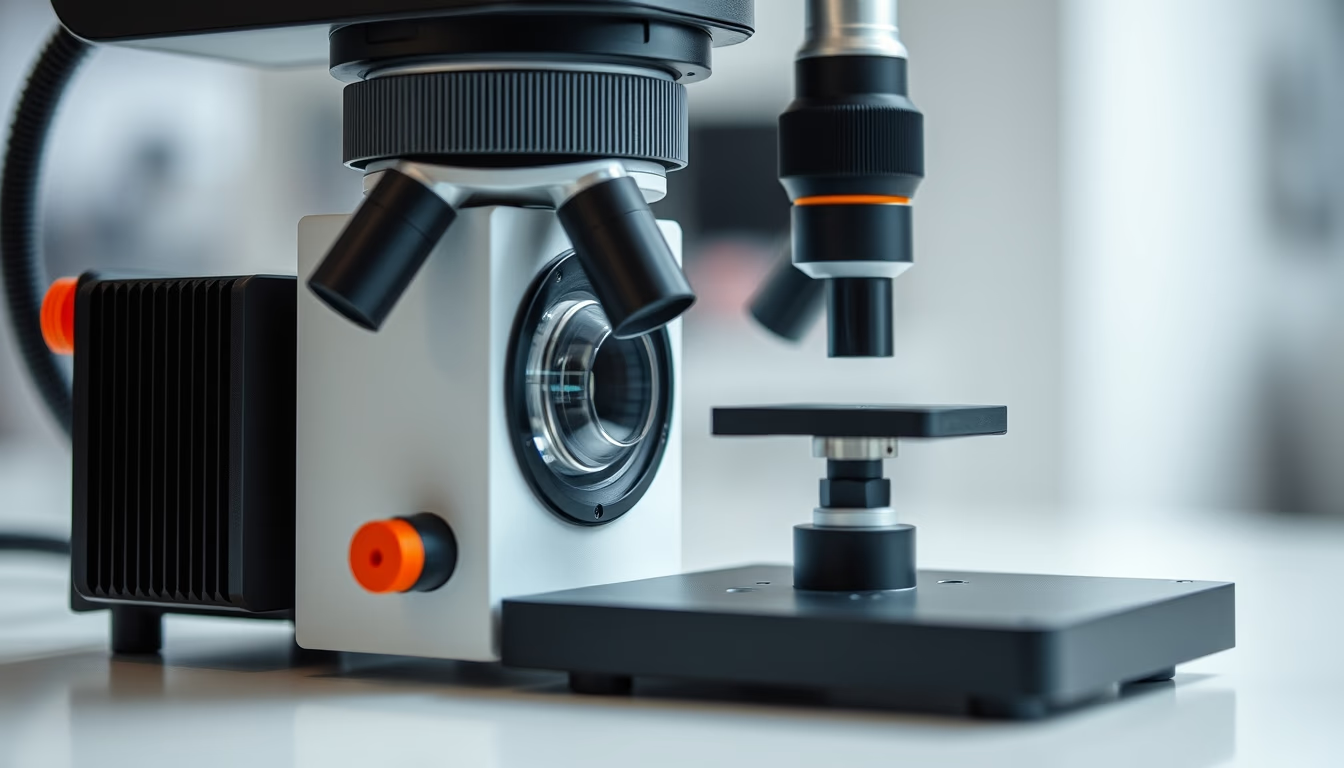
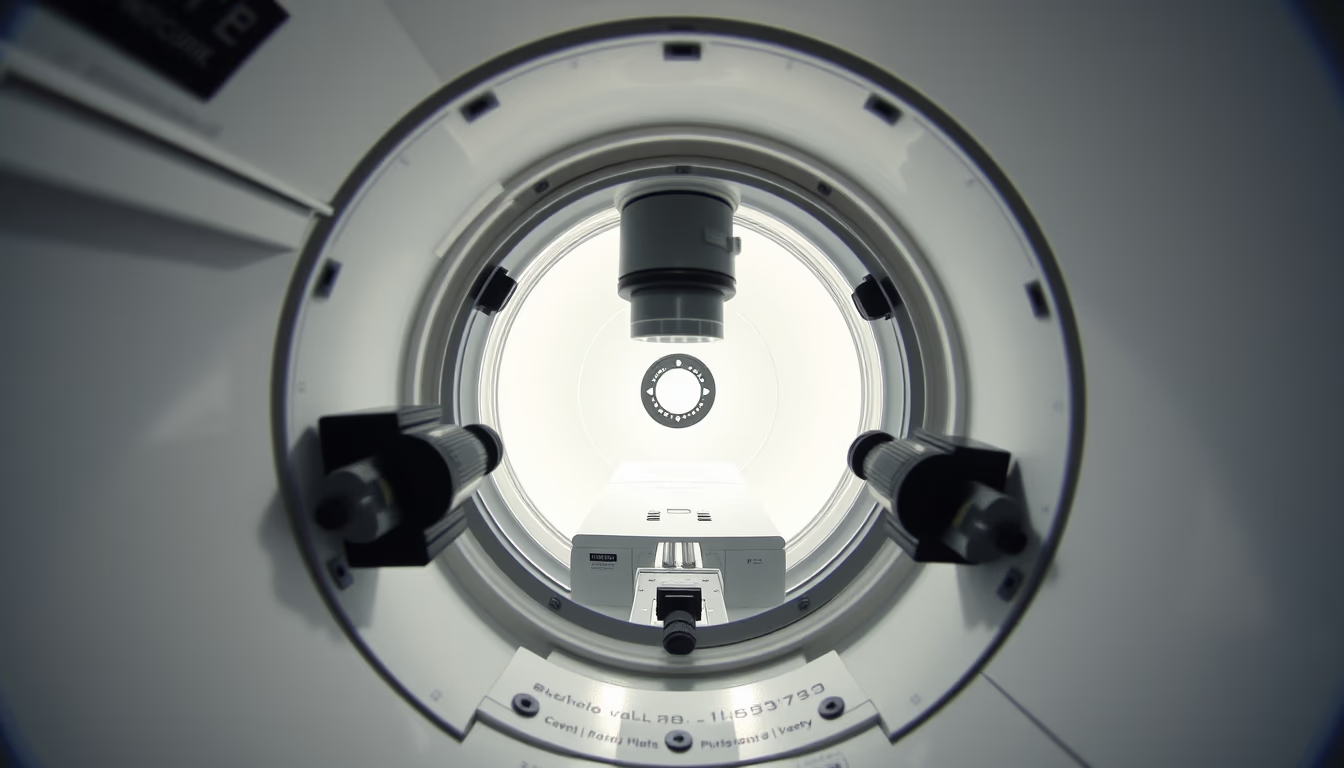
A mass spectrometer is an analytical instrument that measures the mass-to-charge ratio of ions, crucial for identifying chemical and biological substances.
About this subject
A mass spectrometer is a scientific instrument that ionizes chemical compounds and separates the resulting ions based on their mass-to-charge ratio. This principle allows determination of the elemental and molecular composition of samples with high precision. The first functional mass spectrometer was developed by Francis Aston in 1919, for which he received the Nobel Prize in Chemistry in 1922. Since then, the technology has evolved into diverse applications including environmental, pharmaceutical, forensic, and space analysis.
Different types of mass spectrometers exist, such as quadrupole, time-of-flight, and magnetic sector instruments, each suited to specific needs. In a quadrupole, ions are filtered by oscillating electric fields, while in time-of-flight, the time ions take to travel a tube is measured. The mass spectrometer is often coupled to liquid or gas chromatographs to separate complex mixtures before analysis, forming LC-MS or GC-MS systems.
In biological research, mass spectrometry revolutionized proteomics and metabolomics. It enables identification of proteins and metabolites in biological samples, aiding biomarker discovery and drug development. In space, instruments like the Sample Analysis at Mars (SAM) aboard the Curiosity rover use mass spectrometry to analyze the composition of Martian rocks and soils. Additionally, mass spectrometry is fundamental in carbon-14 dating, where isotope ratios are measured to determine the age of organic materials.
A key curiosity is that mass spectrometers can detect substances in infinitesimal quantities, down to parts per trillion. This makes them indispensable in quality control, sports doping analysis, and food safety. The instrument's precision and sensitivity depend on components such as the ionizer, mass analyzer, and detector, which operate under vacuum to avoid unwanted collisions.
Frequently Asked Questions
How does a mass spectrometer work?
The mass spectrometer ionizes the sample, separates the ions by their mass-to-charge ratio using electric or magnetic fields, and detects the ions to generate a mass spectrum. Each compound produces a unique fragmentation pattern.
What are the main applications of mass spectrometry?
Used in environmental analysis, pharmaceuticals, forensics, proteomics, metabolomics, carbon-14 dating, space exploration, and industrial quality control. It detects substances at extremely low concentrations.
What is the difference between a mass spectrometer and a spectrophotometer?
A mass spectrometer measures the masses of ions based on mass-to-charge ratio, while a spectrophotometer measures absorption or emission of light at different wavelengths. They are complementary techniques.
Direct URL
https://pub-c7d6a6ea828543ac903a74a341ccb2e1.r2.dev/imagens/mass-spectrometer-device-documentary-nature-style-fresh8.avifHow to credit
Include a visible link back to UtilizAí. Copy one of the snippets below:
<a href="https://xn--utiliza-eza.com/en/midia/imagens/mass-spectrometer-device-documentary-nature-style-fresh8">Mass spectrometer device</a> by <a href="https://xn--utiliza-eza.com">UtilizAí</a>, licensed under <a href="https://creativecommons.org/licenses/by/4.0/">CC BY 4.0</a>.
[Mass spectrometer device](https://xn--utiliza-eza.com/en/midia/imagens/mass-spectrometer-device-documentary-nature-style-fresh8) by [UtilizAí](https://xn--utiliza-eza.com), CC BY 4.0
License: CC-BY-4.0