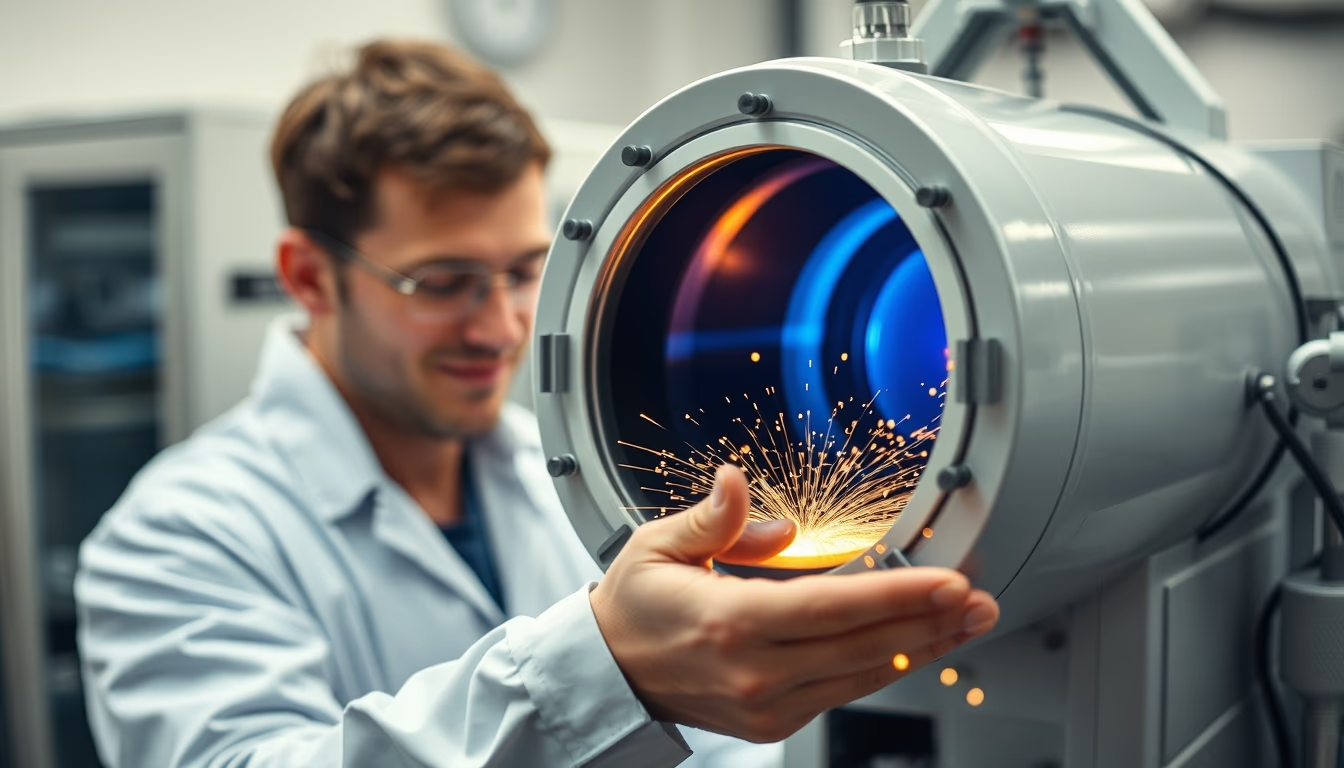
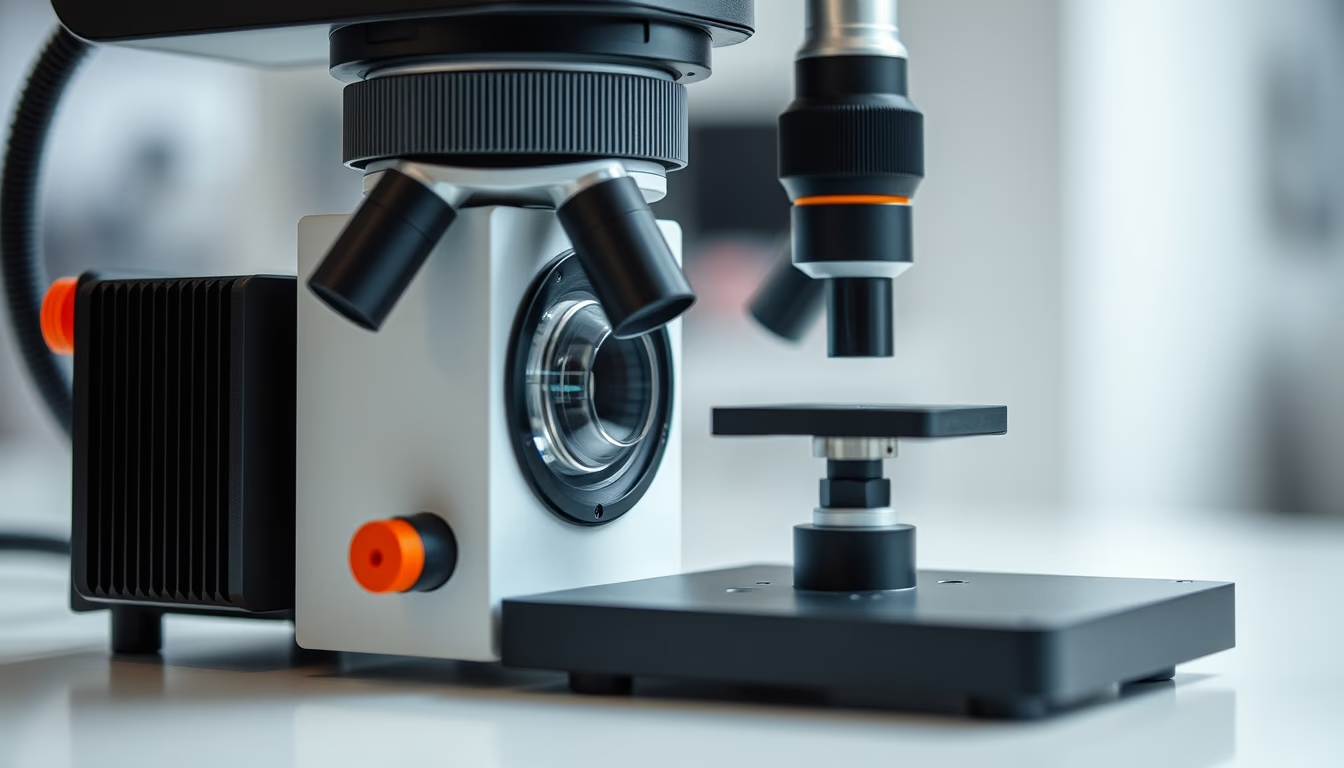
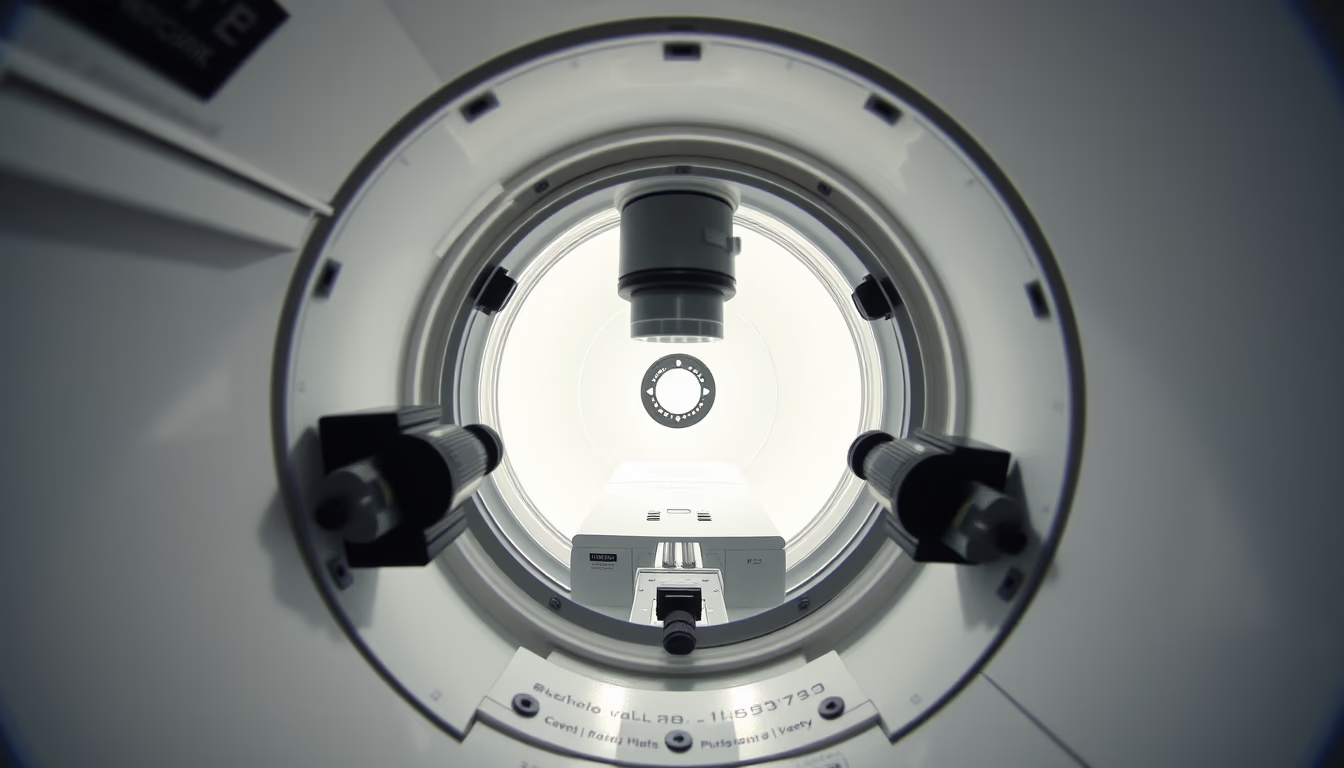
Mass spectrometer device
1344×768 · AVIF · CC BY 4.0
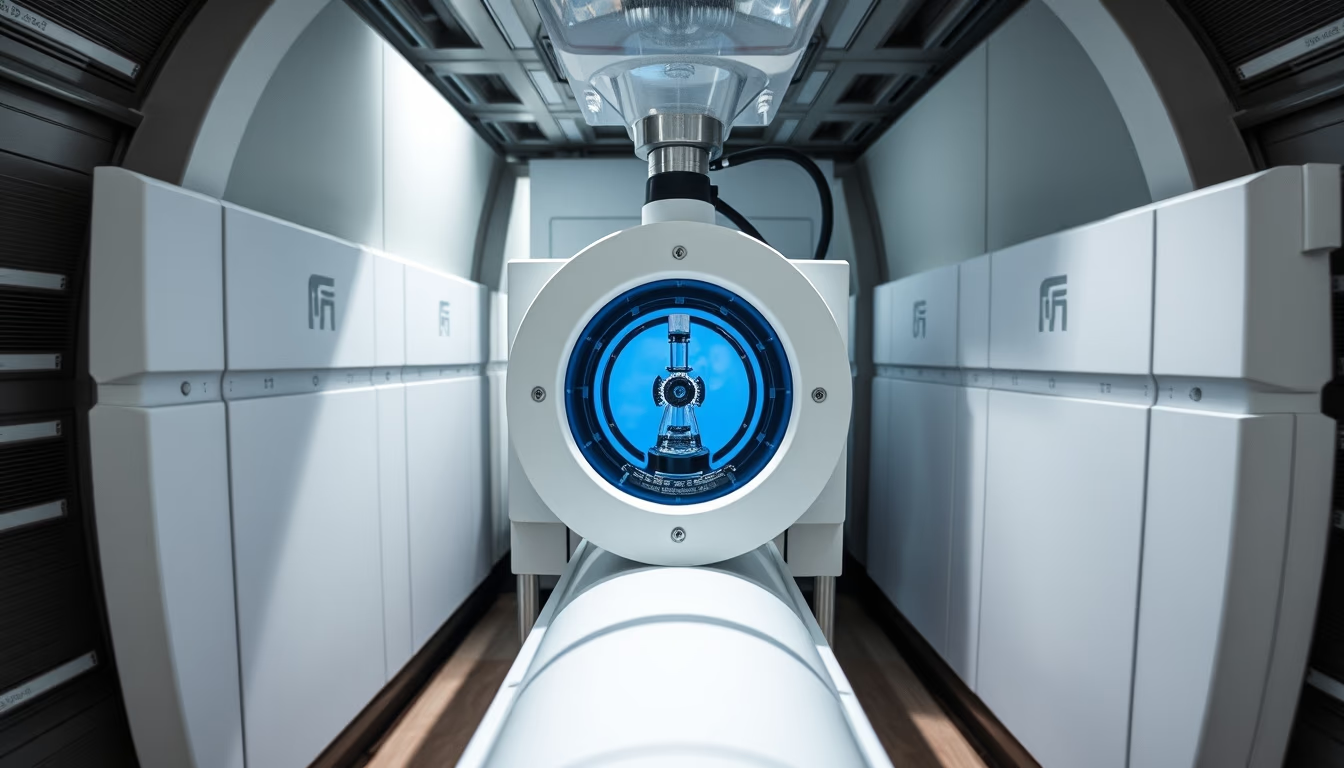
A mass spectrometer is a scientific instrument that measures the mass-to-charge ratio of ions to identify and quantify molecules in a sample.
About this subject
A mass spectrometer is a critical analytical tool in chemistry, biology, and medicine. Its principle involves ionizing molecules, separating the ions based on their mass-to-charge ratio (m/z), and subsequent detection. The process begins with an ion source, such as electrospray ionization (ESI) or matrix-assisted laser desorption/ionization (MALDI), which converts neutral molecules into ions. These ions are then accelerated and directed into a mass analyzer, which can be a quadrupole, time-of-flight (TOF), or ion trap (Orbitrap). The detector records the abundance of each ion, generating a characteristic mass spectrum.
The development of the mass spectrometer dates back to the early 20th century, with Joseph John Thomson and Francis Aston receiving Nobel Prizes for their work. Since then, the technology has evolved significantly, allowing high resolution and accuracy. Today, these instruments are indispensable in proteomics to identify proteins, in metabolomics to analyze metabolites, in doping tests, and in environmental monitoring of pollutants.
Different configurations meet specific needs. The quadrupole mass spectrometer is common in routine analyses, while TOF offers high speed and a wide mass range. The Orbitrap provides exceptional resolution for detailed studies. Tandem mass spectrometry (MS/MS) allows fragmentation of selected ions, providing additional structural information. The technique is also coupled with liquid chromatography (LC-MS) or gas chromatography (GC-MS) to separate complex mixtures before analysis.
Mass spectrometry has transformed biological and chemical research. For example, in medicine, it is used to diagnose metabolic diseases and monitor drugs. In archaeology, radiocarbon dating with accelerator mass spectrometers speeds up analyses. The ability to detect molecules at extremely low concentrations, in the femtomole range, makes the technique essential for modern scientific discoveries.
Frequently Asked Questions
How does a mass spectrometer work?
A mass spectrometer ionizes molecules, separates ions based on mass-to-charge ratio in an analyzer (e.g., quadrupole or TOF), and detects each ion's abundance, producing a mass spectrum.
What are the main applications of mass spectrometry?
Mass spectrometry is used in proteomics, metabolomics, doping tests, environmental monitoring, diagnosis of metabolic diseases, and radiocarbon dating, among others.
What is the difference between MALDI-TOF and LC-MS?
MALDI-TOF uses laser desorption to ionize solid samples and measures time of flight, ideal for large proteins. LC-MS couples liquid chromatography for separation before electrospray ionization, suitable for complex mixtures.
Direct URL
https://pub-c7d6a6ea828543ac903a74a341ccb2e1.r2.dev/imagens/mass-spectrometer-device-architectural-photography-fresh10.avifHow to credit
Include a visible link back to UtilizAí. Copy one of the snippets below:
<a href="https://xn--utiliza-eza.com/en/midia/imagens/mass-spectrometer-device-architectural-photography-fresh10">Mass spectrometer device</a> by <a href="https://xn--utiliza-eza.com">UtilizAí</a>, licensed under <a href="https://creativecommons.org/licenses/by/4.0/">CC BY 4.0</a>.
[Mass spectrometer device](https://xn--utiliza-eza.com/en/midia/imagens/mass-spectrometer-device-architectural-photography-fresh10) by [UtilizAí](https://xn--utiliza-eza.com), CC BY 4.0
License: CC-BY-4.0