Raio sky
1344×768 · AVIF · CC BY 4.0
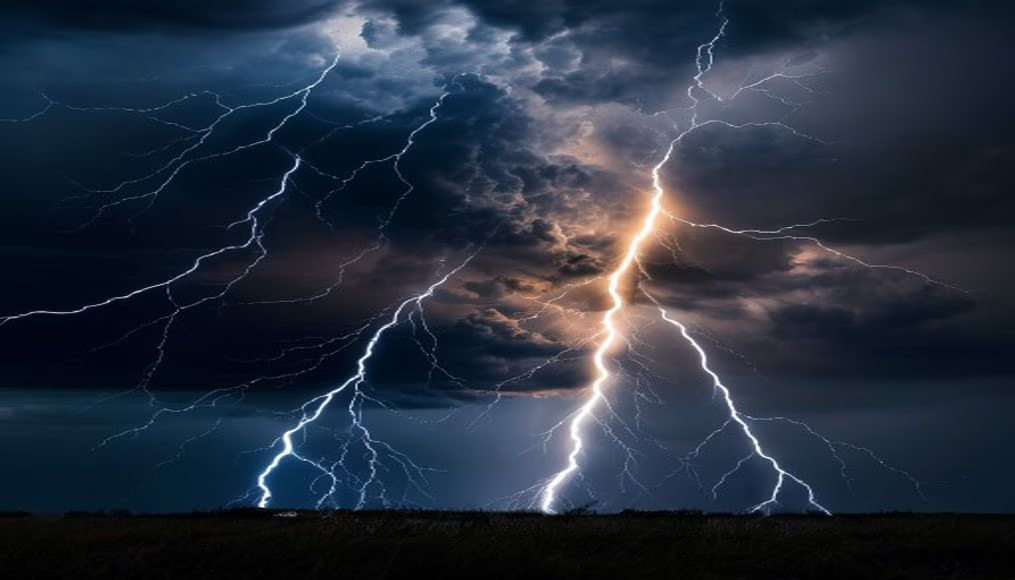
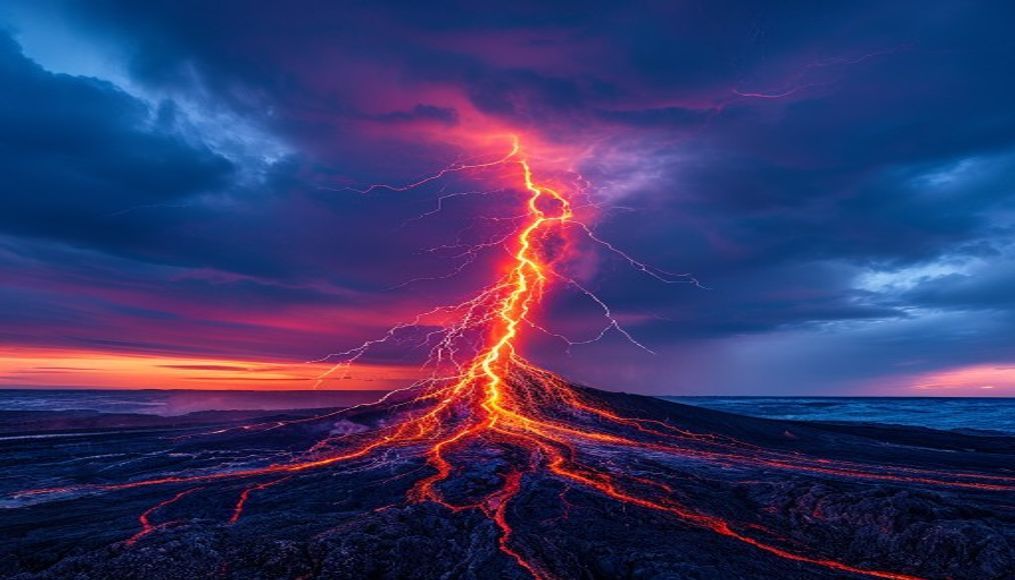
Raios são descargas elétricas intensas na atmosfera, comuns em tempestades, que atingem temperaturas cinco vezes mais altas que a superfície do Sol.
Sobre o tema
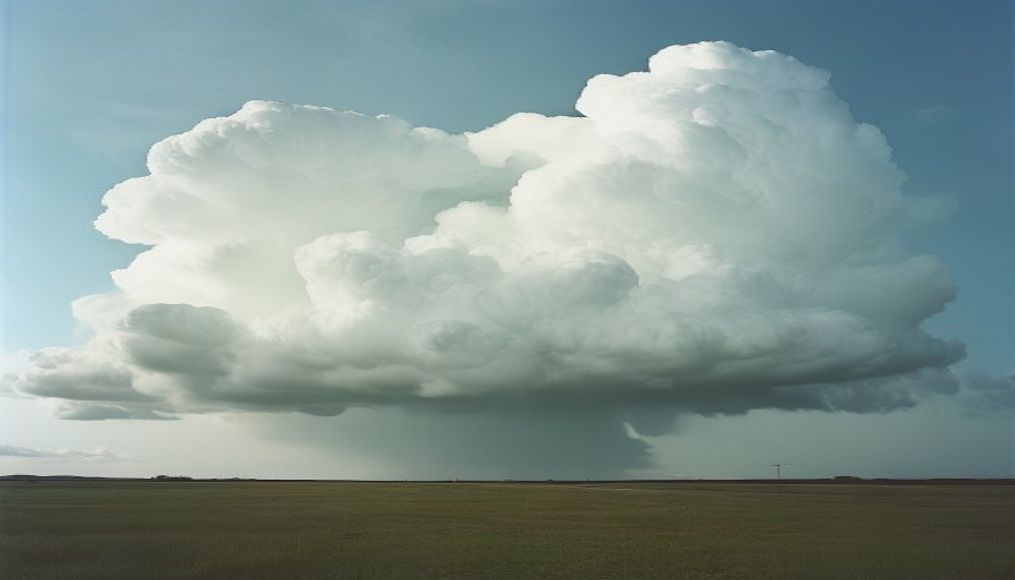
Raios são fenômenos naturais impressionantes, resultado da separação de cargas elétricas dentro de nuvens de tempestade, especialmente nas cumulonimbus. Cada descarga pode transportar até 30 mil amperes e aquecer o ar ao redor a cerca de 30 mil graus Celsius, causando a rápida expansão que ouvimos como trovão. Globalmente, estima-se que ocorram cerca de 8 milhões de raios por dia, concentrados em regiões tropicais como a Bacia do Congo, o Sudeste Asiático e a Flórida nos Estados Unidos.
Culturalmente, os raios são associados a mitologias diversas: na grega, Zeus os usava como arma; na nórdica, Thor brandia seu martelo Mjölnir para controlar tempestades. No Brasil, o raio é um símbolo de energia e transformação, sendo comum em expressões como 'para-raio' para indicar proteção contra descargas. Curiosamente, o Brasil lidera o ranking de incidência de raios, com o estado do Amazonas registrando a maior densidade, segundo o Grupo de Eletricidade Atmosférica do INPE.
Tecnicamente, os raios podem ser classificados em vários tipos: nuvem-solo (os mais perigosos), solo-nuvem, intra-nuvem e nuvem-ar. A fotografia Fine Art de raios captura a beleza caótica desses eventos, exigindo técnicas de longa exposição e sorte para registrar o momento exato. Embora belos, os raios são perigosos: no Brasil, causam cerca de 100 mortes por ano, tornando essenciais medidas de segurança como evitar áreas abertas durante tempestades.
Perguntas frequentes
Qual é a temperatura de um raio?
A temperatura de um raio pode atingir aproximadamente 30.000 graus Celsius, cinco vezes mais quente que a superfície do Sol, o que provoca a expansão explosiva do ar e o som do trovão.
Onde ocorre a maior incidência de raios no mundo?
As regiões com maior incidência de raios são os trópicos, destacando-se a Bacia do Congo na África, o Sudeste Asiático e a Venezuela. No Brasil, a região amazônica tem a maior densidade de raios.
É seguro fotografar raios?
Fotografar raios pode ser perigoso. Recomenda-se usar equipamento com proteção contra descargas elétricas, manter distância segura e nunca fotografar em locais abertos ou perto de objetos altos durante tempestades.
URL direta
https://pub-c7d6a6ea828543ac903a74a341ccb2e1.r2.dev/imagens/lightning-bolt-sky-fine-art-photography-p1.avifComo creditar
Inclua um link visível de volta pro UtilizAí. Copie um dos snippets abaixo:
<a href="https://xn--utiliza-eza.com/midia/imagens/lightning-bolt-sky-fine-art-photography-p1">Raio sky</a> by <a href="https://xn--utiliza-eza.com">UtilizAí</a>, licensed under <a href="https://creativecommons.org/licenses/by/4.0/">CC BY 4.0</a>.
[Raio sky](https://xn--utiliza-eza.com/midia/imagens/lightning-bolt-sky-fine-art-photography-p1) by [UtilizAí](https://xn--utiliza-eza.com), CC BY 4.0
Licença: CC-BY-4.0