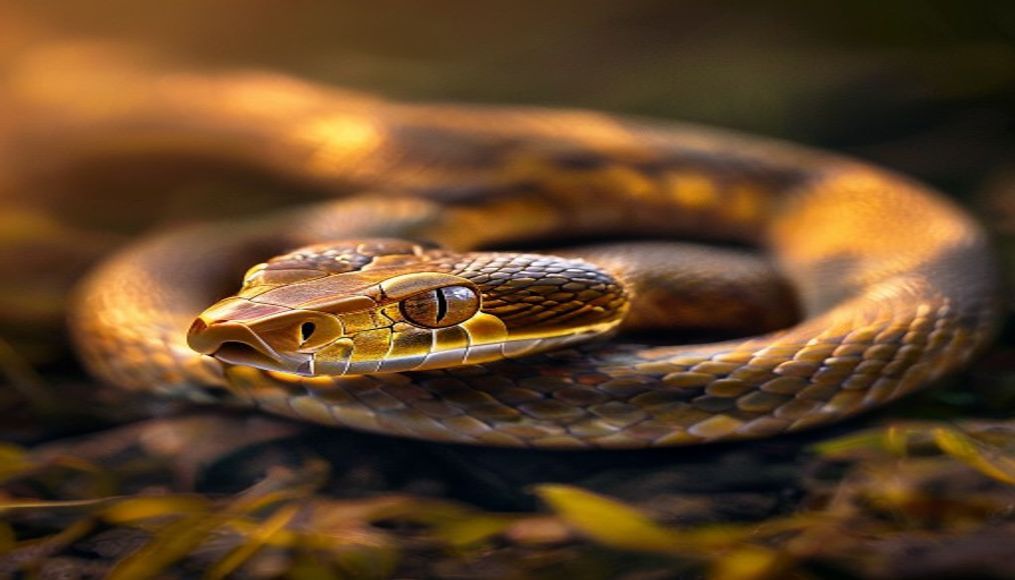
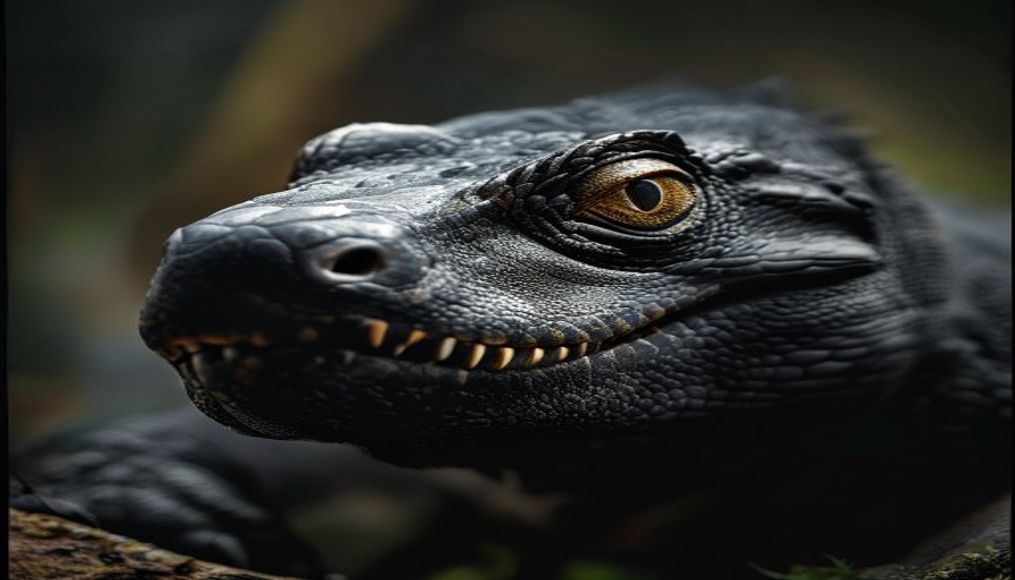
Komodo dragon close
1344×768 · AVIF · CC BY 4.0
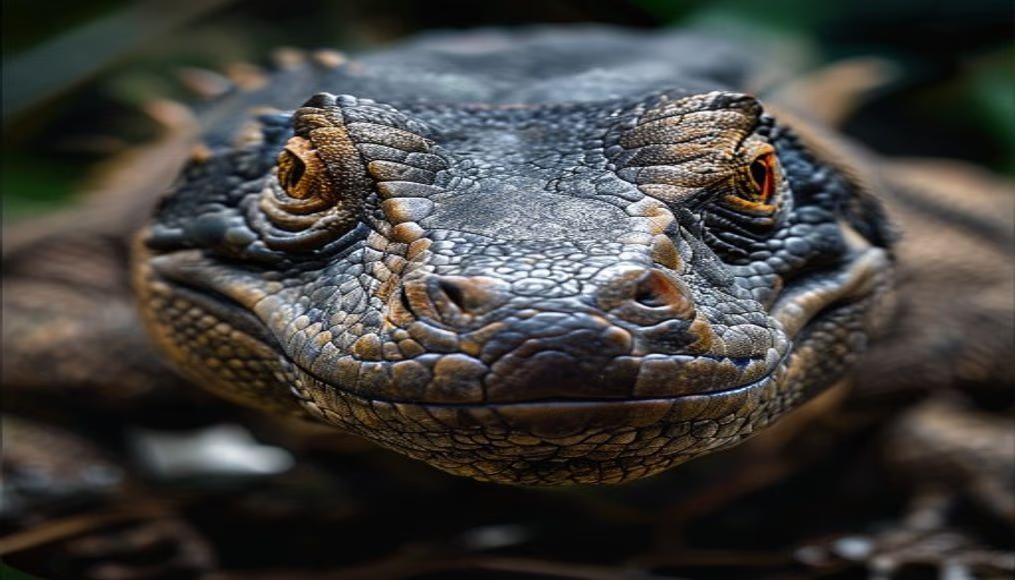
The Komodo dragon, the largest lizard on Earth, fascinates with its size, venomous bite, and predatory behavior in Indonesian islands.
About this subject
The Komodo dragon (Varanus komodoensis) is the largest living lizard, endemic to several Indonesian islands including Komodo, Rinca, Flores, Gili Motang, and Padar. Males can reach up to 3 meters in length and weigh over 70 kilograms, though captive specimens are typically smaller. These reptiles are apex predators in their ecosystem, feeding on large prey such as deer, water buffalo, wild boar, and occasionally humans.
Its bite is especially lethal: venom glands in the lower jaw secrete toxins that cause shock, inhibit blood clotting, and lead to rapid death from hemorrhage. Additionally, the dragon's mouth harbors pathogenic bacteria that can cause severe infections, though recent studies indicate venom is the primary incapacitating agent. Hunting relies on ambush: the dragon attacks suddenly, inflicts a deep bite, and then waits for the prey to weaken before devouring it.
Social behavior among Komodo dragons is complex. Juveniles live in trees to avoid cannibalism from adults, who also attack hatchlings. Reproduction occurs via eggs, which the female deposits in nests dug into the ground or in mounds. Remarkably, captive females can reproduce through parthenogenesis, producing offspring without fertilization. Lifespan in the wild is about 30 years.
Discovered by Western scientists in 1910 and formally described in 1912 by zoologist Peter Ouwens, Komodo dragons are listed as Vulnerable by the IUCN, with an estimated 3,000 to 5,000 individuals in the wild. Habitat loss, unregulated tourism, and illegal poaching are the main threats. They have keen eyesight and smell, detecting carrion from over 10 kilometers away, and can consume up to 80% of their own body weight in a single meal.
Frequently Asked Questions
What is the maximum size of a Komodo dragon?
Males can reach up to 3 meters in length and weigh over 70 kg, though average is 2.5 meters and 50 kg. Females are smaller.
Is the Komodo dragon venomous?
Yes, it has venom glands that secrete anticoagulant and hypotensive toxins, causing shock and hemorrhage in prey. The bite also carries bacteria, but venom is the primary lethal factor.
How many Komodo dragons are left in the wild?
An estimated 3,000 to 5,000 individuals remain across the islands of Komodo, Rinca, Flores, Gili Motang, and Padar. The species is listed as Vulnerable by the IUCN.
Direct URL
https://pub-c7d6a6ea828543ac903a74a341ccb2e1.r2.dev/imagens/komodo-dragon-close-macro-closeup-p2.avifHow to credit
Include a visible link back to UtilizAí. Copy one of the snippets below:
<a href="https://xn--utiliza-eza.com/en/midia/imagens/komodo-dragon-close-macro-closeup-p2">Komodo dragon close</a> by <a href="https://xn--utiliza-eza.com">UtilizAí</a>, licensed under <a href="https://creativecommons.org/licenses/by/4.0/">CC BY 4.0</a>.
[Komodo dragon close](https://xn--utiliza-eza.com/en/midia/imagens/komodo-dragon-close-macro-closeup-p2) by [UtilizAí](https://xn--utiliza-eza.com), CC BY 4.0
License: CC-BY-4.0