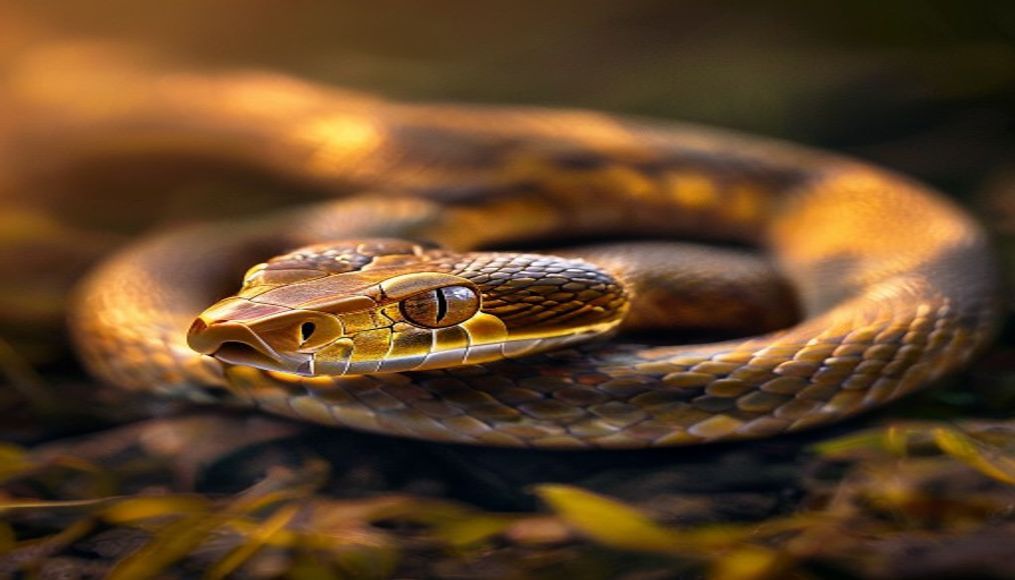
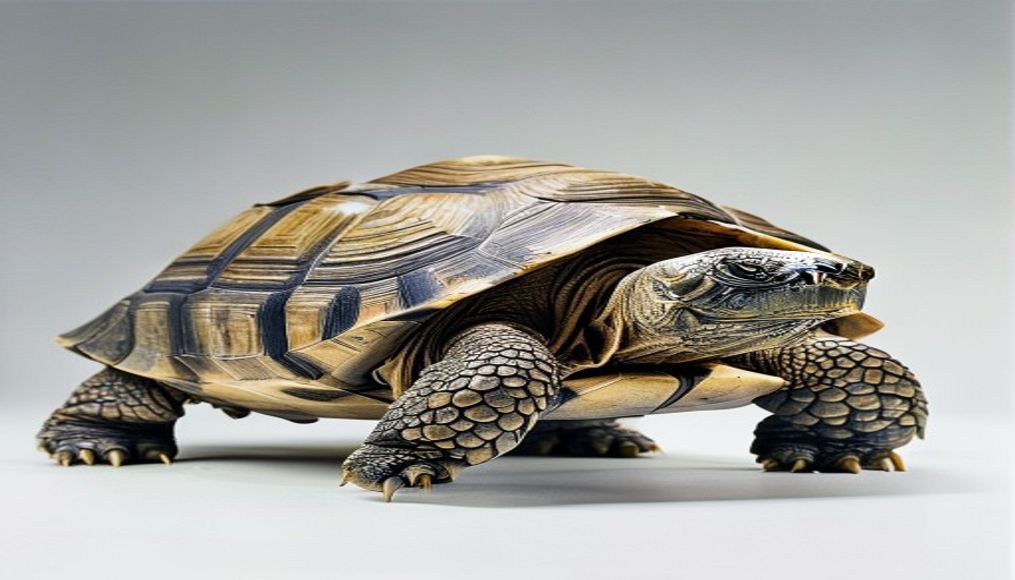
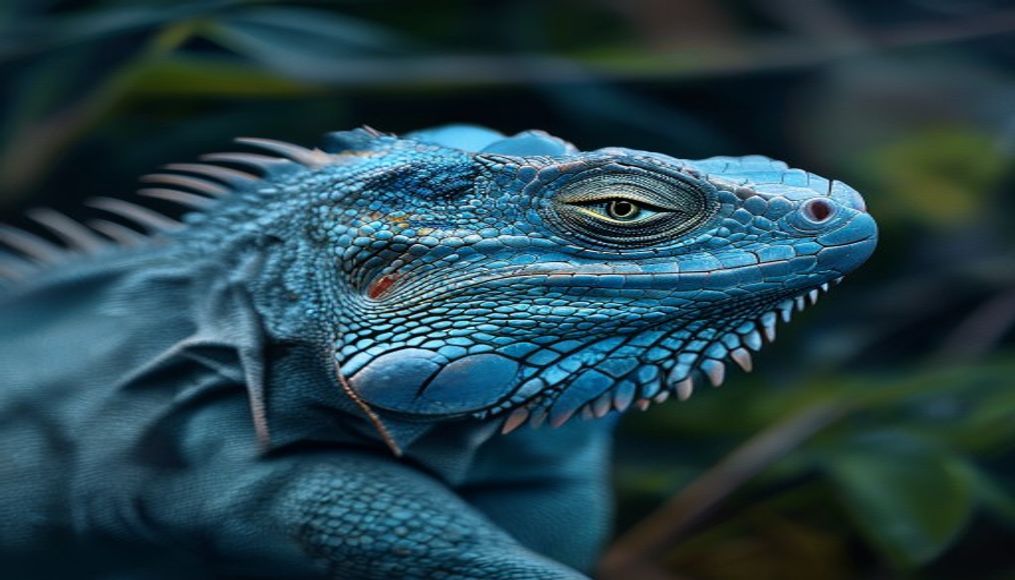
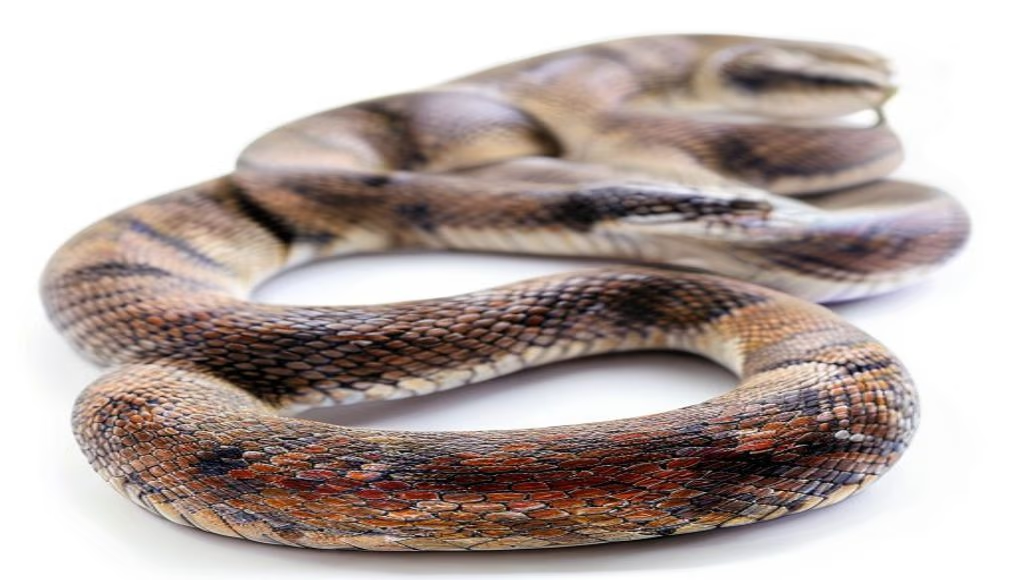
Komodo dragon close
1344×768 · JPG · CC BY 4.0
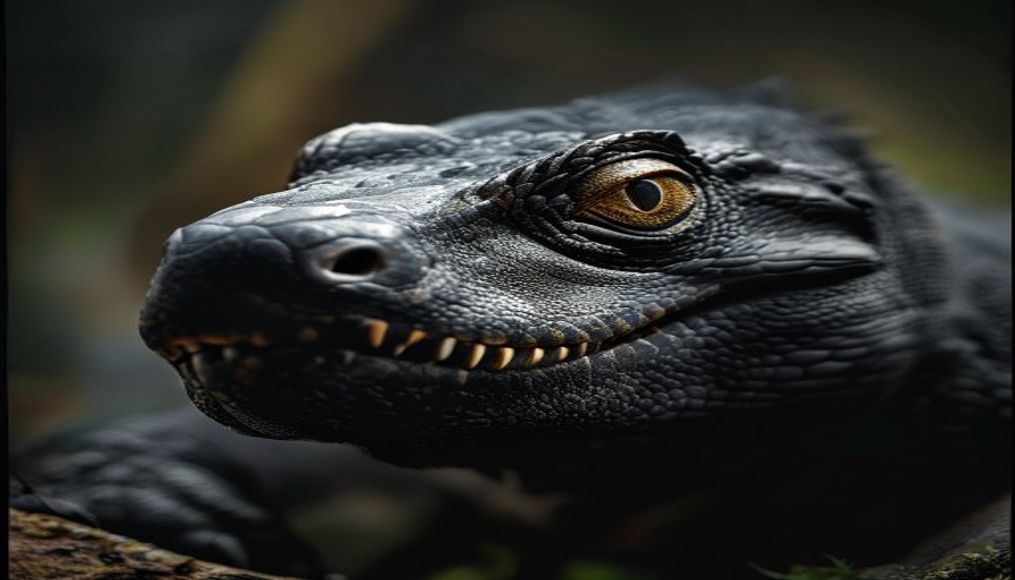
The Komodo dragon, the largest living lizard, inhabits Indonesian islands such as Komodo, Rinca, Flores, and Gili Motang, reaching up to 3 meters and 90 kg.
About this subject
The Komodo dragon (Varanus komodoensis) is the largest living lizard, endemic to a few Indonesian islands. Adult males average 2.6 meters in length and weigh 70, 90 kg, though specimens up to 3 meters and 150 kg have been recorded. Its muscular tail accounts for half of the total length and is used as a weapon. The Komodo dragon’s saliva contains a complex mix of bacteria and venom glands that induce shock and coagulopathy in prey, primarily deer, wild boar, and water buffalo.
These reptiles are ambush predators but also scavengers. They possess a forked tongue that picks up scent particles from the air, enabling them to detect carrion from up to 11 km away. Breeding occurs between May and August, with females laying 15, 30 eggs in excavated nests. Hatchlings are arboreal for the first months to avoid cannibalism from adults.
Currently, the Komodo dragon is listed as Vulnerable on the IUCN Red List, with fewer than 3,000 mature individuals in the wild. Major threats include habitat loss, unregulated tourism, and climate change, which raises sea levels and reduces the lowland areas they inhabit. Since 1980, Komodo National Park has protected the main populations, attracting visitors worldwide and contributing to the local economy.
Frequently Asked Questions
Does the Komodo dragon have any natural predators?
Healthy adults have no natural predators. Hatchlings and eggs may be preyed upon by wild boars, birds of prey, and even adult Komodo dragons (cannibalism).
How does the Komodo dragon kill its prey?
It delivers a bite with serrated teeth, injecting venom that causes a drop in blood pressure and prevents clotting. The weakened prey is pursued until it dies, usually within hours or days.
What is the conservation status of the Komodo dragon?
It is listed as Vulnerable on the IUCN Red List. The wild population is estimated at 2,000 to 3,000 individuals, concentrated in Komodo National Park.
Direct URL
https://pub-c7d6a6ea828543ac903a74a341ccb2e1.r2.dev/imagens/komodo-dragon-close-minimalist-composition-p3.jpgHow to credit
Include a visible link back to UtilizAí. Copy one of the snippets below:
<a href="https://xn--utiliza-eza.com/en/midia/imagens/komodo-dragon-close-minimalist-composition-p3">Komodo dragon close</a> by <a href="https://xn--utiliza-eza.com">UtilizAí</a>, licensed under <a href="https://creativecommons.org/licenses/by/4.0/">CC BY 4.0</a>.
[Komodo dragon close](https://xn--utiliza-eza.com/en/midia/imagens/komodo-dragon-close-minimalist-composition-p3) by [UtilizAí](https://xn--utiliza-eza.com), CC BY 4.0
License: CC-BY-4.0