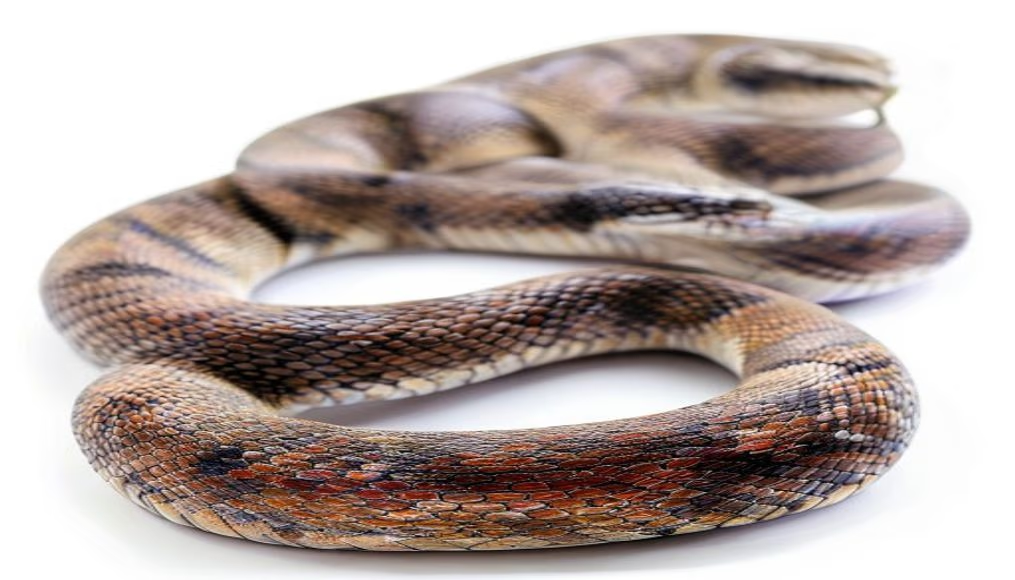
Snake python coiled
1344×768 · JPG · CC BY 4.0
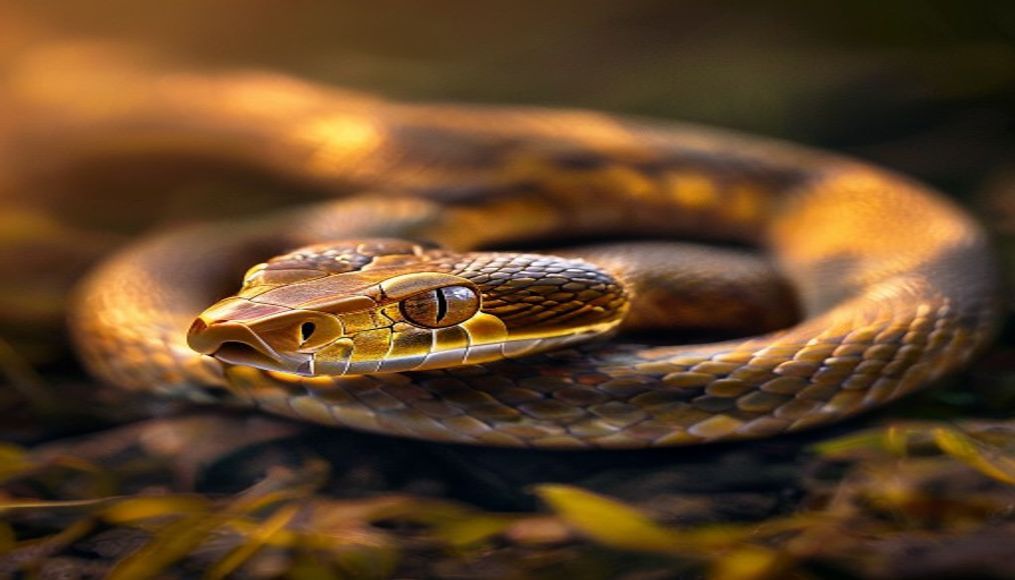
Pythons are among the world's largest snakes, known for their constriction behavior and ability to coil into a tight spiral.
About this subject
Pythons are non-venomous snakes belonging to the family Pythonidae, found across tropical regions of Africa, Asia, and Australia. They are renowned for their constriction hunting method: coiling around prey and tightening until suffocation occurs. The coiled posture, as seen in this travel photograph, is typical for resting or ambushing, allowing the snake to bask in sunlight or prepare to strike.
There are about 40 python species, ranging from small ones like the green tree python (Morelia viridis) to giants like the reticulated python (Malayopython reticulatus), which can exceed 7 meters in length and weigh over 100 kilograms. Another notable species is the Burmese python (Python bivittatus), frequently kept in captivity and also invasive in Florida, USA, where it threatens native wildlife.
In popular culture, pythons are often depicted as dangerous, but they play a crucial ecological role by controlling rodent and other prey populations. In parts of Southeast Asia, they are hunted for their skin and meat, and also kept as exotic pets. Conservation status varies: some species are abundant, while others like the Indian python (Python molurus) face threats from habitat loss and illegal trade.
Interestingly, pythons have heat-sensitive pits called labial pits on their upper lip scales, detecting infrared radiation from warm-blooded prey. This makes them efficient hunters even in darkness. The ability to coil tightly also aids thermoregulation by reducing heat loss through surface contact.
Frequently Asked Questions
What is the largest python species?
The reticulated python (Malayopython reticulatus) is the largest, reaching over 7 meters in length and weighing over 100 kg.
Are pythons venomous?
No, pythons are non-venomous. They kill by constriction, squeezing prey until it suffocates.
Where are pythons commonly found?
Pythons are native to Africa, Asia, and Australia, inhabiting tropical forests, savannas, and areas near water bodies.
Direct URL
https://pub-c7d6a6ea828543ac903a74a341ccb2e1.r2.dev/imagens/snake-python-coiled-travel-photography-p3.jpgHow to credit
Include a visible link back to UtilizAí. Copy one of the snippets below:
<a href="https://xn--utiliza-eza.com/en/midia/imagens/snake-python-coiled-travel-photography-p3">Snake python coiled</a> by <a href="https://xn--utiliza-eza.com">UtilizAí</a>, licensed under <a href="https://creativecommons.org/licenses/by/4.0/">CC BY 4.0</a>.
[Snake python coiled](https://xn--utiliza-eza.com/en/midia/imagens/snake-python-coiled-travel-photography-p3) by [UtilizAí](https://xn--utiliza-eza.com), CC BY 4.0
License: CC-BY-4.0