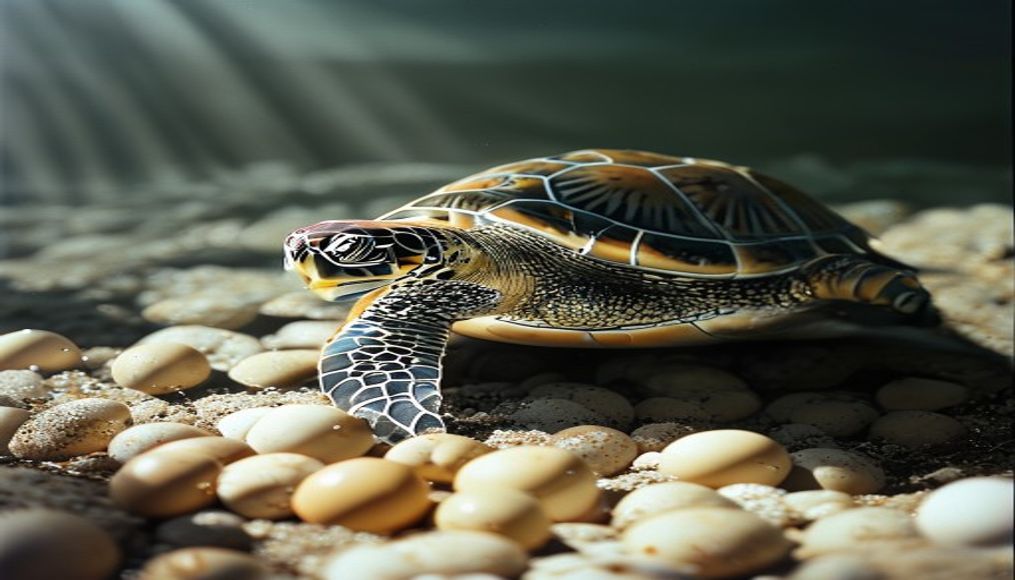
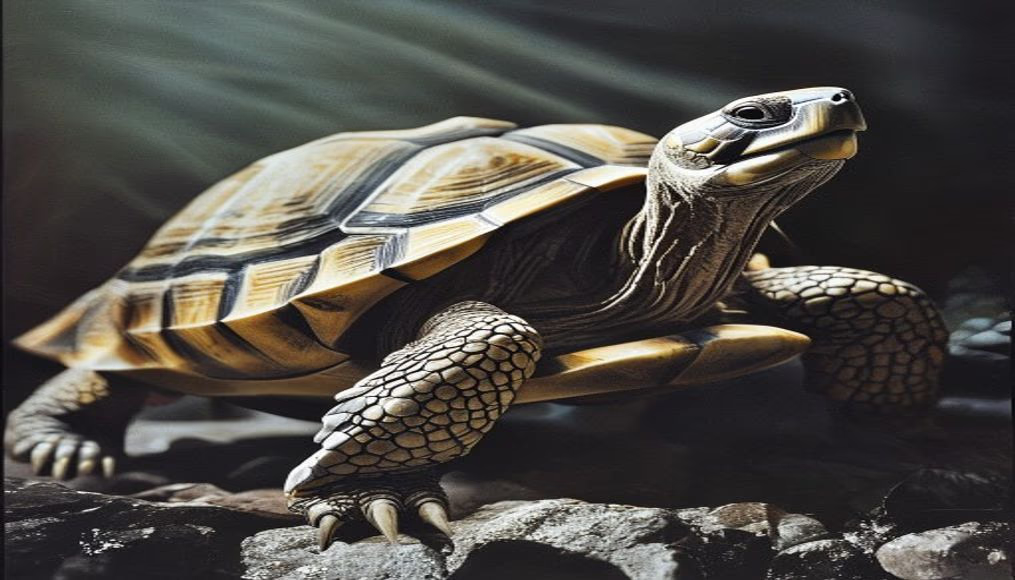
Tortoise galapagos giant
1344×768 · JPG · CC BY 4.0
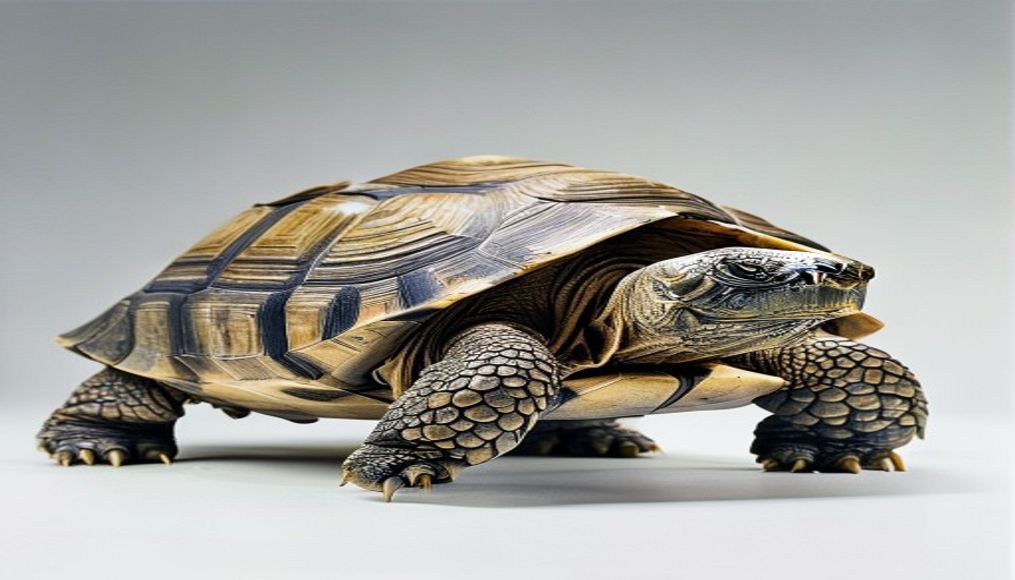
The Galapagos giant tortoise, native to the equatorial archipelago, amazes with its size and extreme longevity, a symbol of island evolution.
About this subject
The Galapagos giant tortoise (Chelonoidis niger) is the largest living tortoise on Earth, with males exceeding 400 kg and 1.8 m in length. Endemic to the Galapagos archipelago in the Pacific Ocean, the species inspired Charles Darwin during his 1835 visit, contributing to his theory of natural selection. Today, about 15 recognized subspecies exist, each adapted to specific islands, with notable differences in shell shape: those from humid islands have dome-shaped shells, while those from arid islands have saddleback shells that allow them to stretch their necks to reach higher vegetation.
These tortoises can live over 100 years; the oldest recorded individual, named Harriet, reached 175 years. Their diet is herbivorous, consisting of grasses, fruits, and cacti. One physiological curiosity is their ability to store large amounts of water and food, enabling them to withstand long dry periods. Their slow metabolism is directly linked to their exceptional longevity.
Historically, the tortoises were heavily exploited by sailors and whalers as a source of fresh meat. An estimated 200,000 individuals were killed between the 17th and 19th centuries. Additionally, introduced invasive species such as goats, rats, and pigs degraded their habitat and preyed on eggs and hatchlings. Conservation efforts begun in the 1960s, including captive breeding programs and invasive species eradication, have allowed several subspecies to recover. Today, the total population exceeds 20,000 individuals, but the species is still classified as Vulnerable by the IUCN.
Giant tortoises play a vital ecological role as seed dispersers and ecosystem engineers, maintaining clearings as they move. The Galapagos National Park and the Charles Darwin Foundation continue to monitor populations. Controlled tourism allows visitors to see these animals in their natural habitat on islands such as Santa Cruz, Isabela, and Española, always with restrictions to avoid disturbance.
Frequently Asked Questions
What is the difference between Galapagos giant tortoise subspecies?
Subspecies mainly differ in shell shape: those from humid islands (e.g., Santa Cruz) have dome-shaped shells, while those from arid islands (e.g., Española) have saddleback shells, allowing them to stretch their necks to reach higher vegetation. These adaptations reflect each island's ecological conditions.
How long does a Galapagos giant tortoise live?
Typical lifespan is 100 to 150 years, but individuals have been recorded living over 170 years. Their slow metabolism contributes to this extended longevity, along with the absence of natural adult predators.
What is the current conservation status of the species?
The species is listed as Vulnerable by the IUCN. After drastic historical decline due to hunting and invasive species, conservation programs including captive breeding and eradication of goats and rats have increased the population to over 20,000 individuals.
Direct URL
https://pub-c7d6a6ea828543ac903a74a341ccb2e1.r2.dev/imagens/tortoise-galapagos-giant-commercial-product-photography-p3.jpgHow to credit
Include a visible link back to UtilizAí. Copy one of the snippets below:
<a href="https://xn--utiliza-eza.com/en/midia/imagens/tortoise-galapagos-giant-commercial-product-photography-p3">Tortoise galapagos giant</a> by <a href="https://xn--utiliza-eza.com">UtilizAí</a>, licensed under <a href="https://creativecommons.org/licenses/by/4.0/">CC BY 4.0</a>.
[Tortoise galapagos giant](https://xn--utiliza-eza.com/en/midia/imagens/tortoise-galapagos-giant-commercial-product-photography-p3) by [UtilizAí](https://xn--utiliza-eza.com), CC BY 4.0
License: CC-BY-4.0