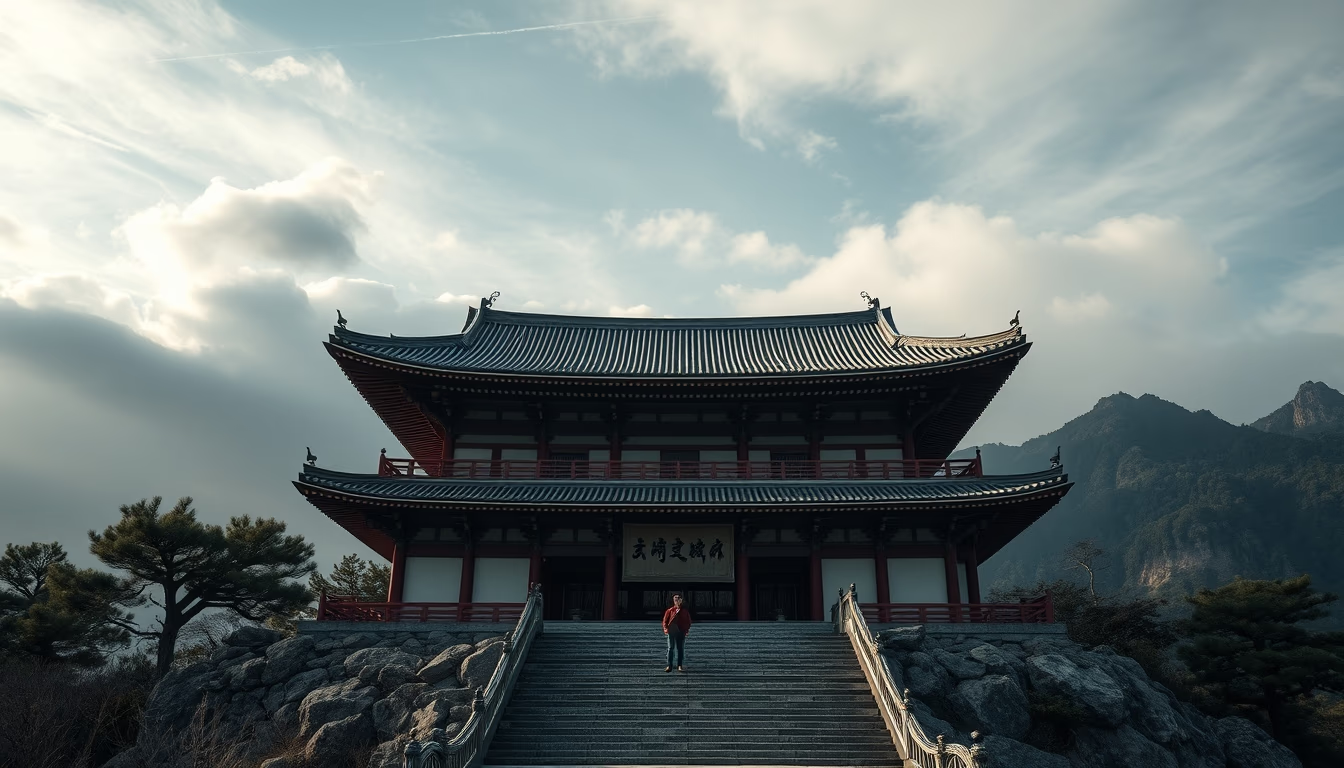
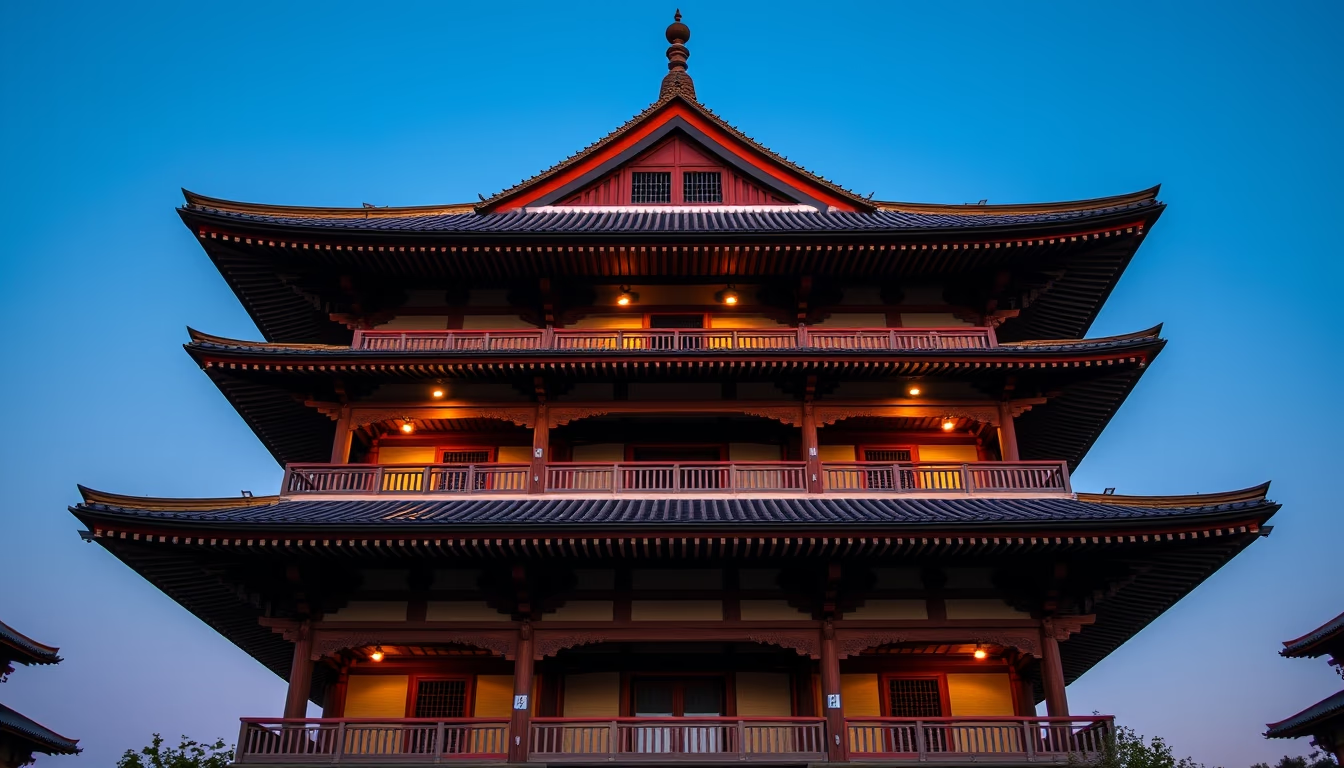
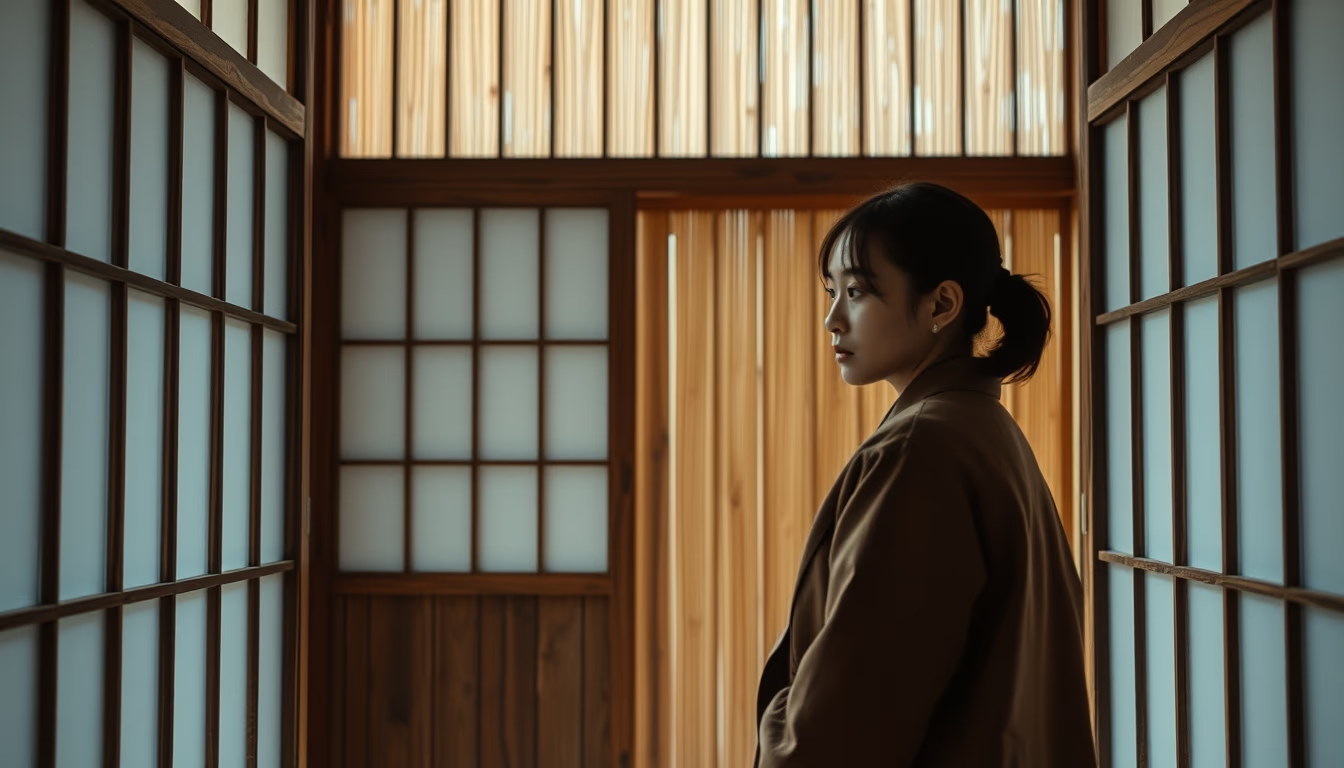
Koan mountain temple
1344×768 · AVIF · CC BY 4.0
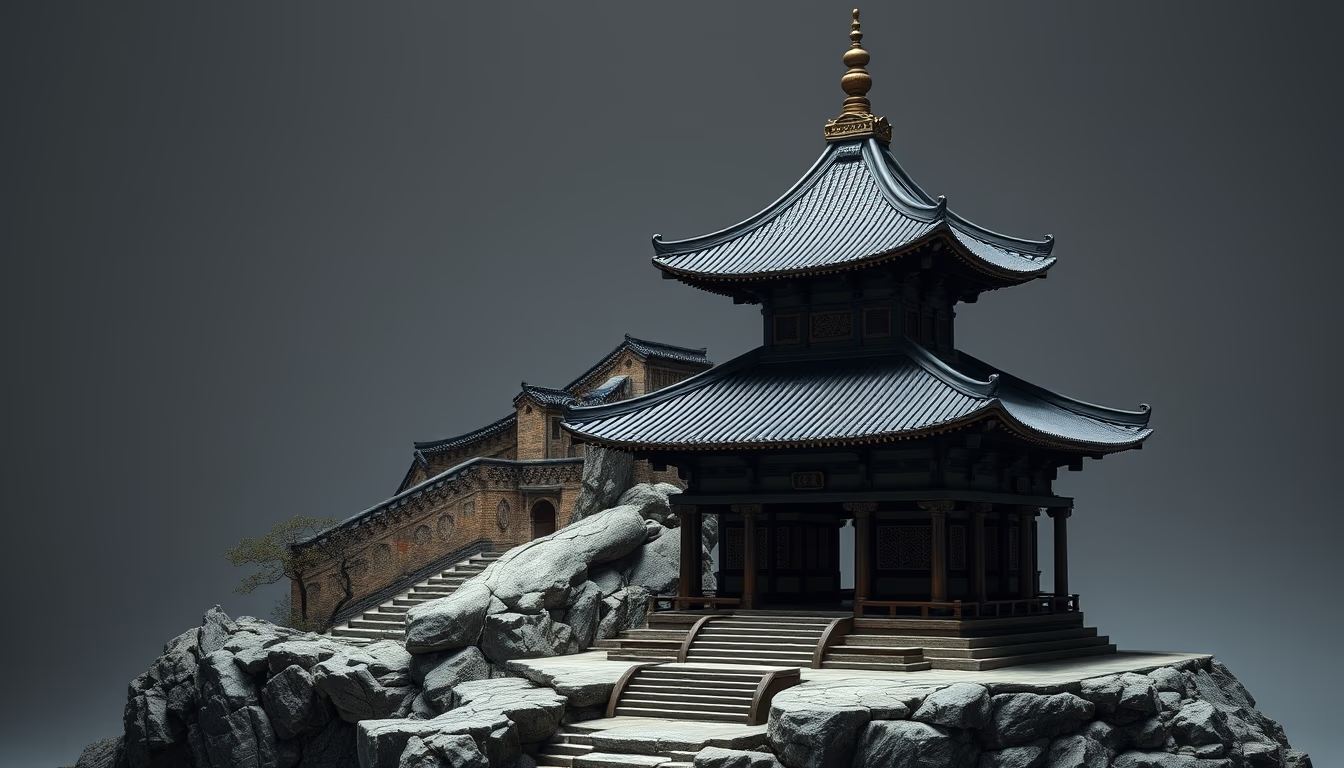
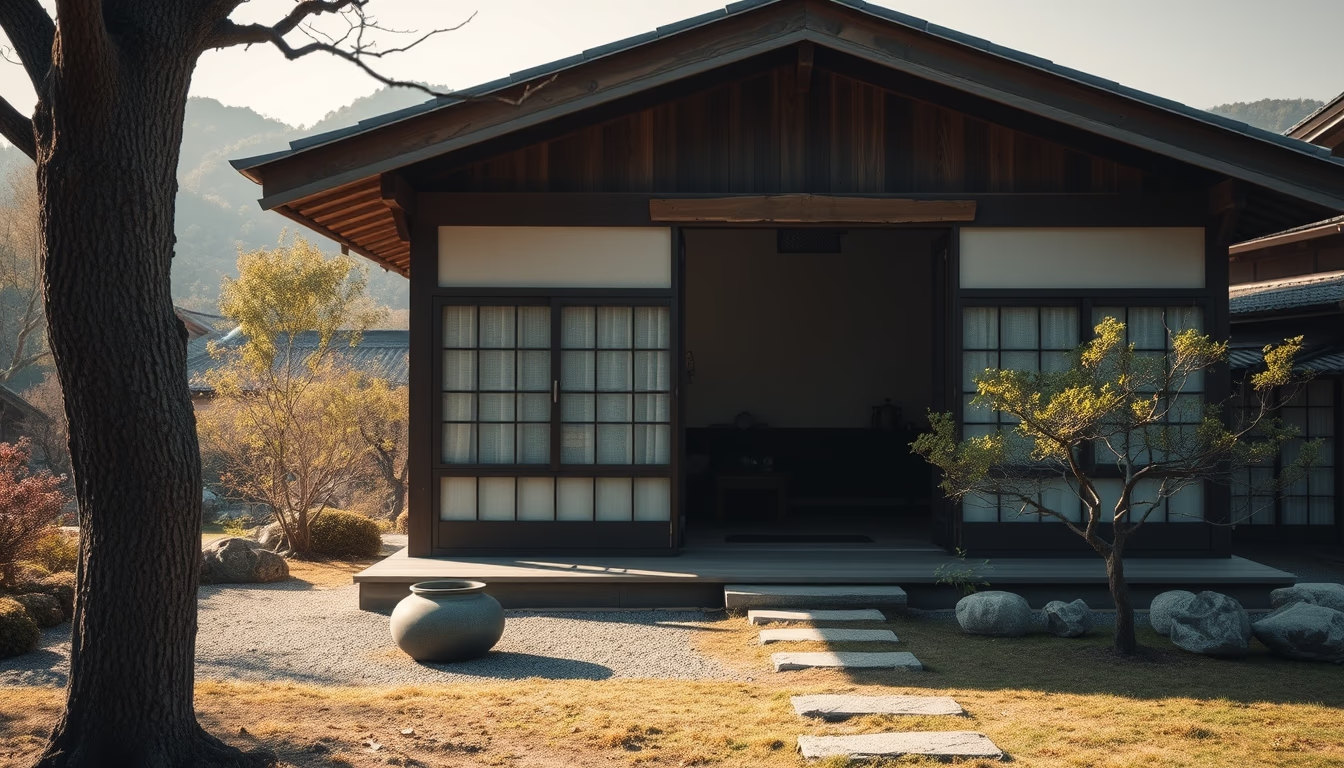
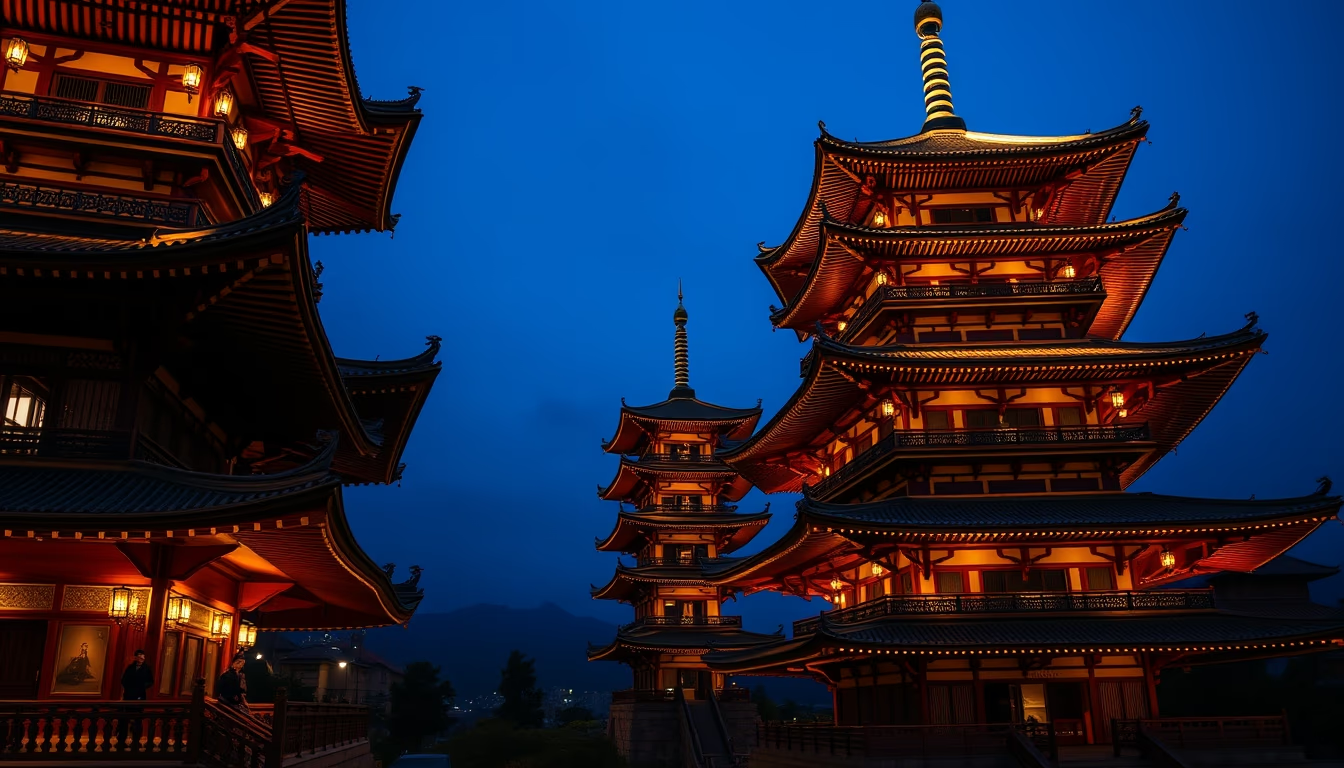
A koan is a paradoxical riddle used in Zen meditation. Mountain temples in Japan and China have been historic centers for Zen practice.
About this subject
The koan is a central element of Zen Buddhism, especially in the Rinzai school. Originating in Chinese Chan Buddhism, it consists of a statement or question that defies logic, such as the famous 'What is the sound of one hand clapping?'. The practitioner meditates on the koan until achieving an intuitive understanding that transcends rational thought, often leading to enlightenment (satori). Mountain temples, such as the Golden Temple (Kinkaku-ji) in Kyoto or temples on Mount Hiei, are traditional settings for this practice. Located at high altitudes, they offer isolation and contact with nature, conducive to deep introspection. Historically, monasteries like Eihei-ji, founded by Dogen, or Myoshin-ji are benchmarks in Zen training. The relationship between koan and mountain is not only geographical but symbolic: the mountain represents the challenge of spiritual ascent. Collections of koans, such as the Mumonkan (Gateless Gate), compiled in the 13th century, are still used today. Each koan functions as a key to open the mind, with the master guiding the student in overcoming the paradox. Unlike the Soto school, which prioritizes sitting meditation (shikantaza), Rinzai emphasizes direct confrontation with the koan during sesshin (intensive retreats). Thus, the koan mountain temple evokes a spiritual heritage where paradoxical wisdom meets the serenity of the heights.
Frequently Asked Questions
What is a koan in Zen Buddhism?
A koan is a paradoxical statement or question that challenges logical thinking, used as a meditation tool to lead the practitioner to enlightenment (satori). Famous examples include 'What is the sound of one hand clapping?'
What is the relationship between koans and mountain temples?
Mountain temples provide isolation and quiet, ideal for practicing meditation with koans. The remote location helps monks focus without distractions, and the mountain symbolizes the spiritual challenge.
Are koans still used today?
Yes, especially in the Rinzai school of Zen. Monks and laypeople practice koans during intensive retreats (sesshin) under the guidance of a master, keeping the tradition alive in Japan and the West.
Direct URL
https://pub-c7d6a6ea828543ac903a74a341ccb2e1.r2.dev/imagens/koan-mountain-temple-studio-still-life-fresh1.avifHow to credit
Include a visible link back to UtilizAí. Copy one of the snippets below:
<a href="https://xn--utiliza-eza.com/en/midia/imagens/koan-mountain-temple-studio-still-life-fresh1">Koan mountain temple</a> by <a href="https://xn--utiliza-eza.com">UtilizAí</a>, licensed under <a href="https://creativecommons.org/licenses/by/4.0/">CC BY 4.0</a>.
[Koan mountain temple](https://xn--utiliza-eza.com/en/midia/imagens/koan-mountain-temple-studio-still-life-fresh1) by [UtilizAí](https://xn--utiliza-eza.com), CC BY 4.0
License: CC-BY-4.0