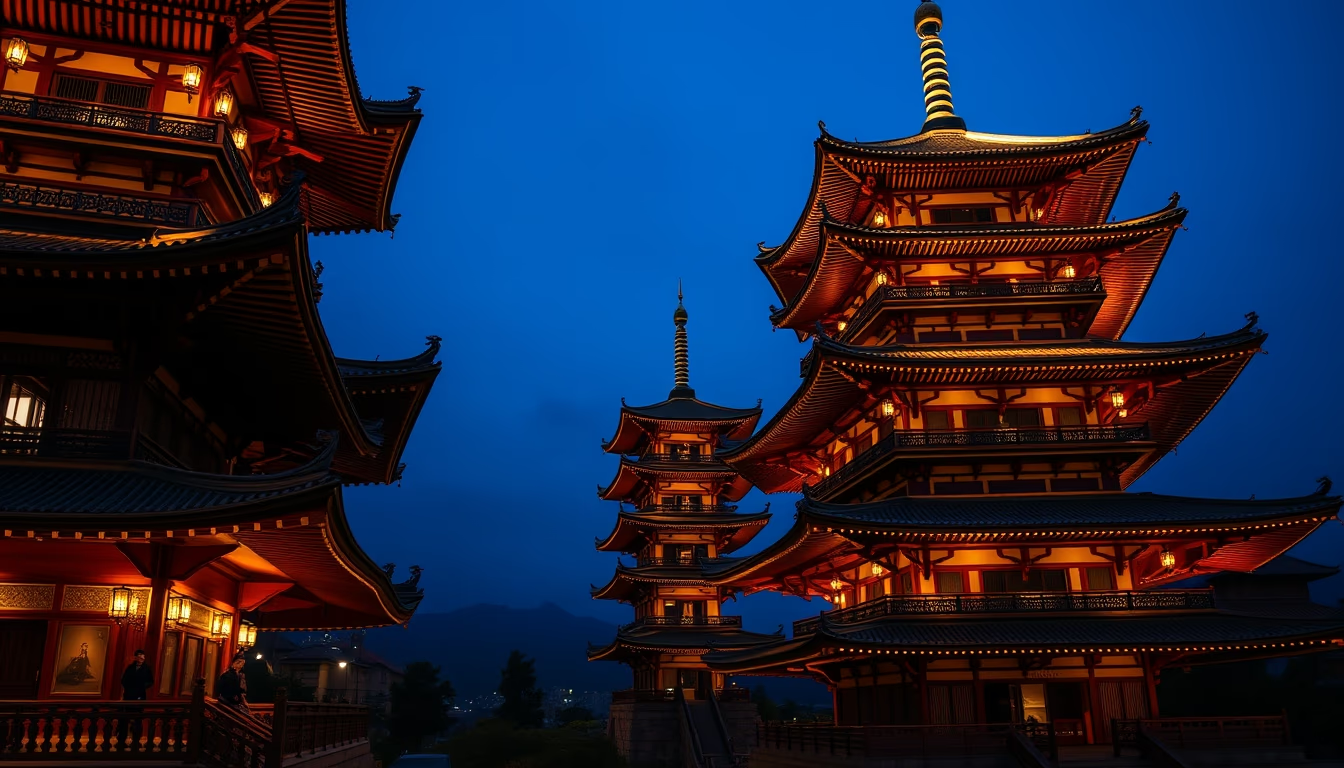
Koan mountain temple
1344×768 · AVIF · CC BY 4.0
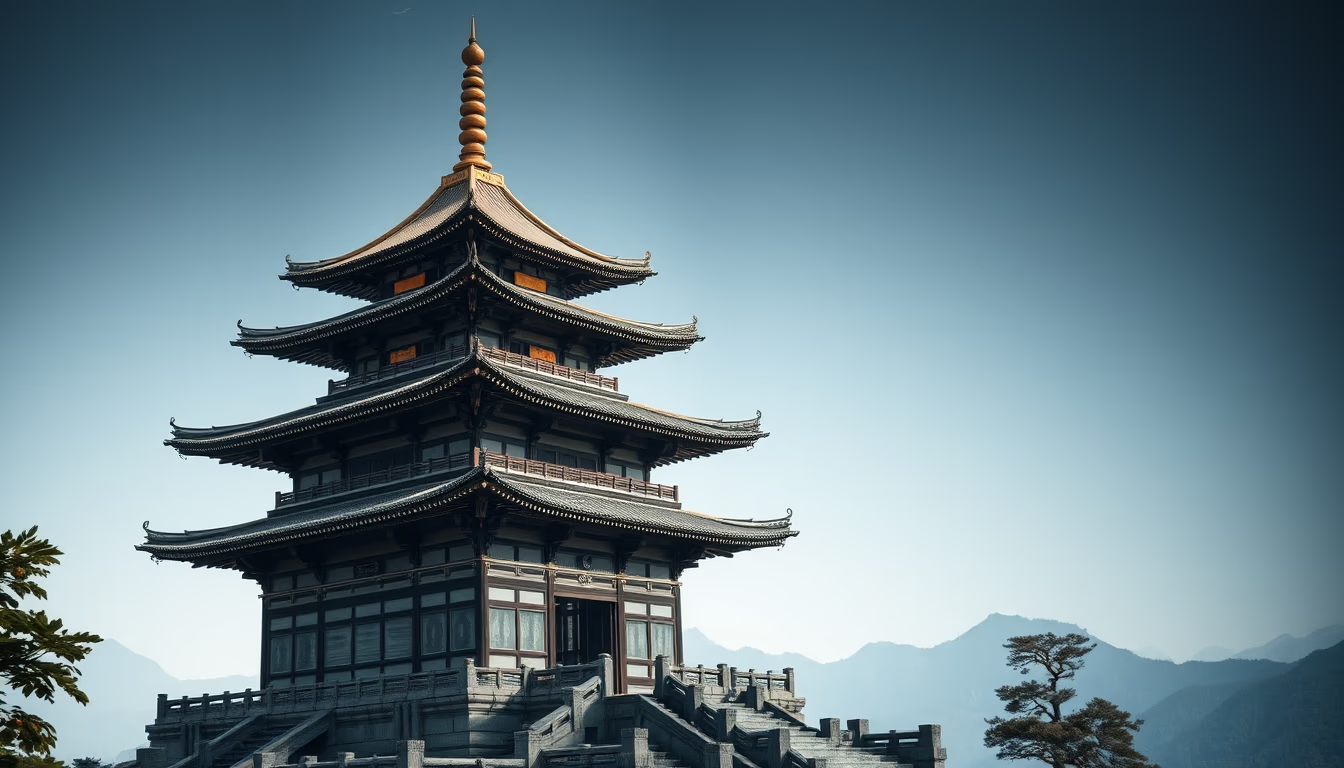
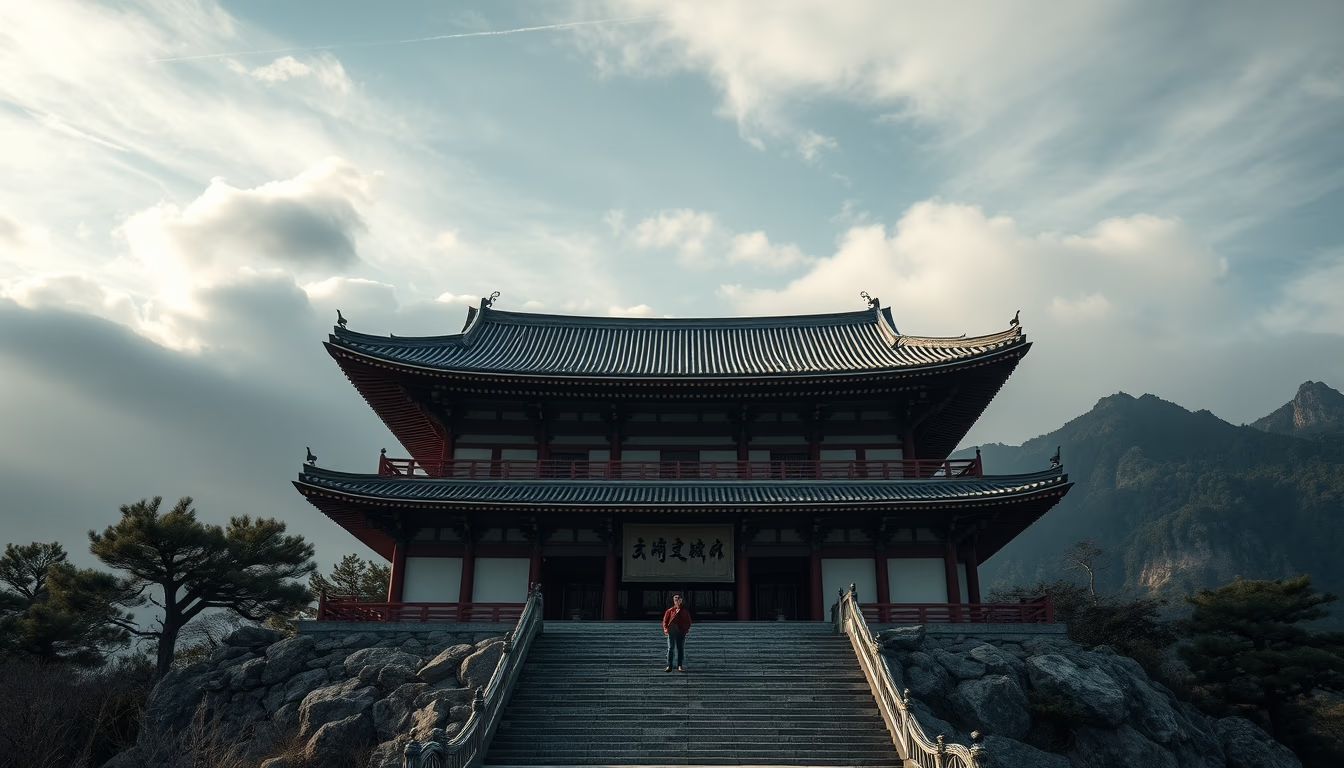
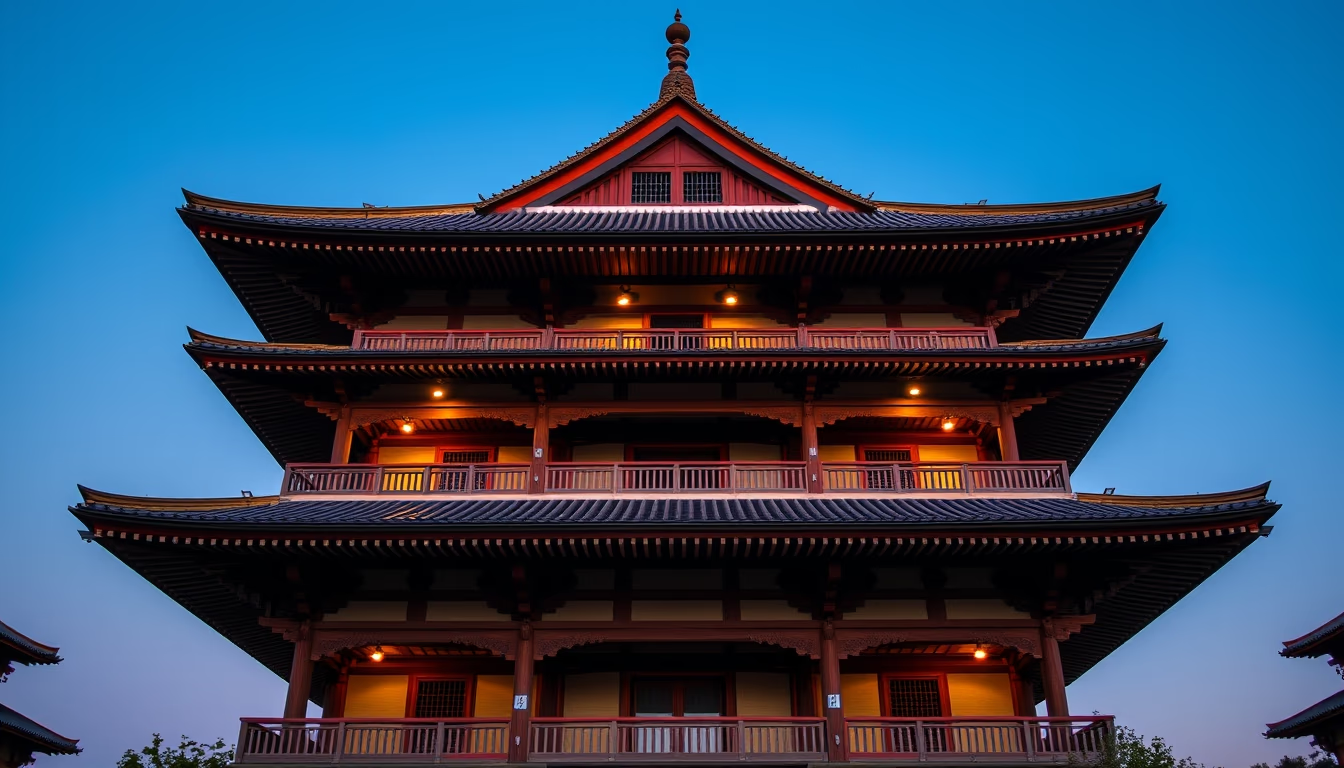
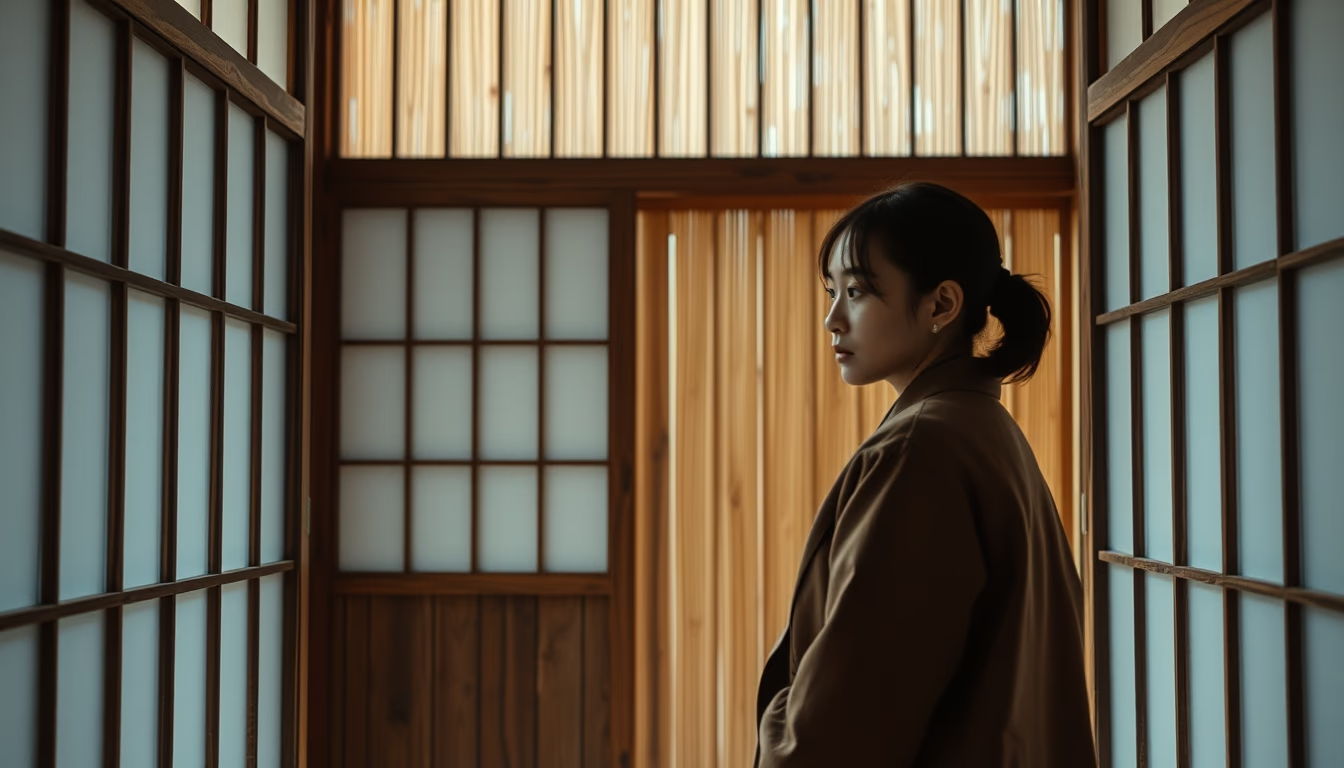
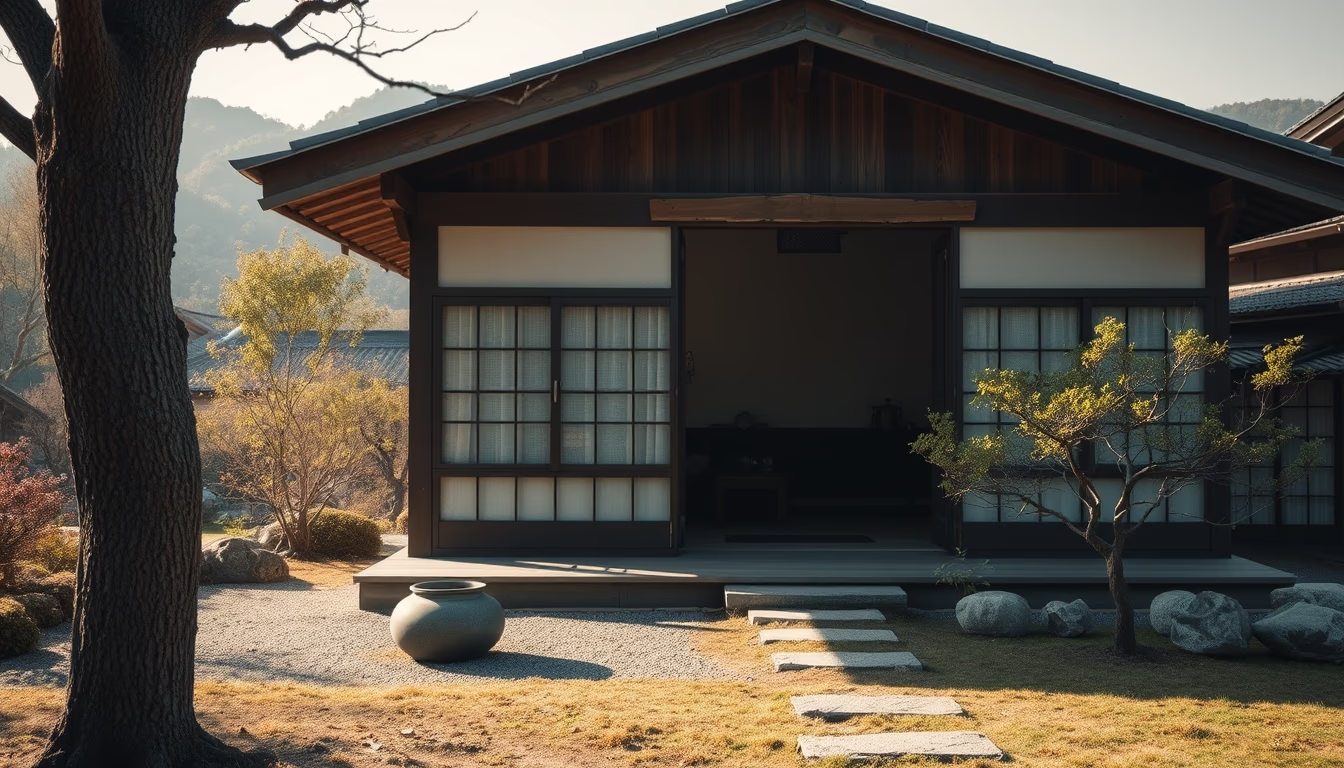
Koan mountain temple: explorando a tradição dos koans no Zen Budismo e a arquitetura de templos nas montanhas, símbolos de introspecção e iluminação.
Sobre o tema
Os koans são enigmas ou paradoxos utilizados no Zen Budismo para induzir o praticante a transcender o pensamento lógico e alcançar uma percepção direta da realidade. Originados na China durante a dinastia Tang, esses diálogos entre mestres e discípulos foram compilados em coleções como o "Mumonkan" (A Porta Sem Portão). Um koan famoso é "Qual o som de uma só mão batendo palmas?", que desafia a mente dualista. A prática com koans é central na escola Rinzai do Zen, enquanto a escola Soto enfatiza o shikantaza, a meditação sentada.
Templos zen nas montanhas, como o Eiheiji no Japão, foram construídos em locais remotos para favorecer o isolamento e a contemplação. A arquitetura desses templos reflete a estética wabi-sabi: simplicidade, assimetria e materiais naturais. O Eiheiji, fundado pelo mestre Dogen no século XIII, está situado em uma floresta densa na província de Fukui. Outro exemplo é o templo Koyasan, centro do budismo Shingon (não zen, mas também montanhoso), que abriga o famoso cemitério Okunoin. A localização no alto das montanhas simboliza a jornada espiritual em direção à iluminação.
A natureza desempenha um papel crucial na prática zen. Os jardins de pedras (karesansui) e os caminhos de musgo convidam à meditação. O som do vento nos pinheiros, o fluxo da água e o canto dos pássaros são considerados ensinamentos vivos. Mestres zen frequentemente usavam elementos naturais como koans improvisados, como apontar para um bambu e perguntar "Por que este bambu é tão reto?". A integração do templo com a paisagem cria um espaço onde o praticante pode experimentar o aqui e agora, livre das distrações urbanas.
Atualmente, muitos templos zen nas montanhas oferecem programas de meditação e retiros para visitantes leigos. A experiência de acordar com o som do sino, participar das sessões de zazen e das caminhadas meditativas (kinhin) proporciona um mergulho na tradição milenar. A globalização do Zen levou ao estabelecimento de centros em todo o mundo, mas os templos originais nas montanhas do Japão e da China permanecem como referências autênticas para os praticantes.
Perguntas frequentes
O que é um koan no Zen Budismo?
Um koan é uma pergunta ou afirmação paradoxal usada no Zen para romper o pensamento conceitual e levar a uma experiência direta da realidade. Exemplos incluem 'Qual o som de uma só mão batendo palmas?' Os koans são estudados com a ajuda de um mestre.
Quais são os templos zen mais famosos nas montanhas do Japão?
Eiheiji, na província de Fukui, é um dos mais importantes, fundado por Dogen. Outros incluem o Templo Kenchoji em Kamakura e o Templo Daitokuji em Kyoto, embora este não seja montanhoso. Na China, o Templo Shaolin está nas montanhas Song.
Qual a importância da natureza nos templos zen?
A natureza é vista como um mestre vivo. Jardins, florestas e montanhas são projetados para facilitar a meditação. Elementos como água, pedras e plantas representam princípios budistas e ajudam a cultivar a atenção plena.
URL direta
https://pub-c7d6a6ea828543ac903a74a341ccb2e1.r2.dev/imagens/koan-mountain-temple-studio-editorial-portrait-fresh9.avifComo creditar
Inclua um link visível de volta pro UtilizAí. Copie um dos snippets abaixo:
<a href="https://xn--utiliza-eza.com/midia/imagens/koan-mountain-temple-studio-editorial-portrait-fresh9">Koan mountain temple</a> by <a href="https://xn--utiliza-eza.com">UtilizAí</a>, licensed under <a href="https://creativecommons.org/licenses/by/4.0/">CC BY 4.0</a>.
[Koan mountain temple](https://xn--utiliza-eza.com/midia/imagens/koan-mountain-temple-studio-editorial-portrait-fresh9) by [UtilizAí](https://xn--utiliza-eza.com), CC BY 4.0
Licença: CC-BY-4.0