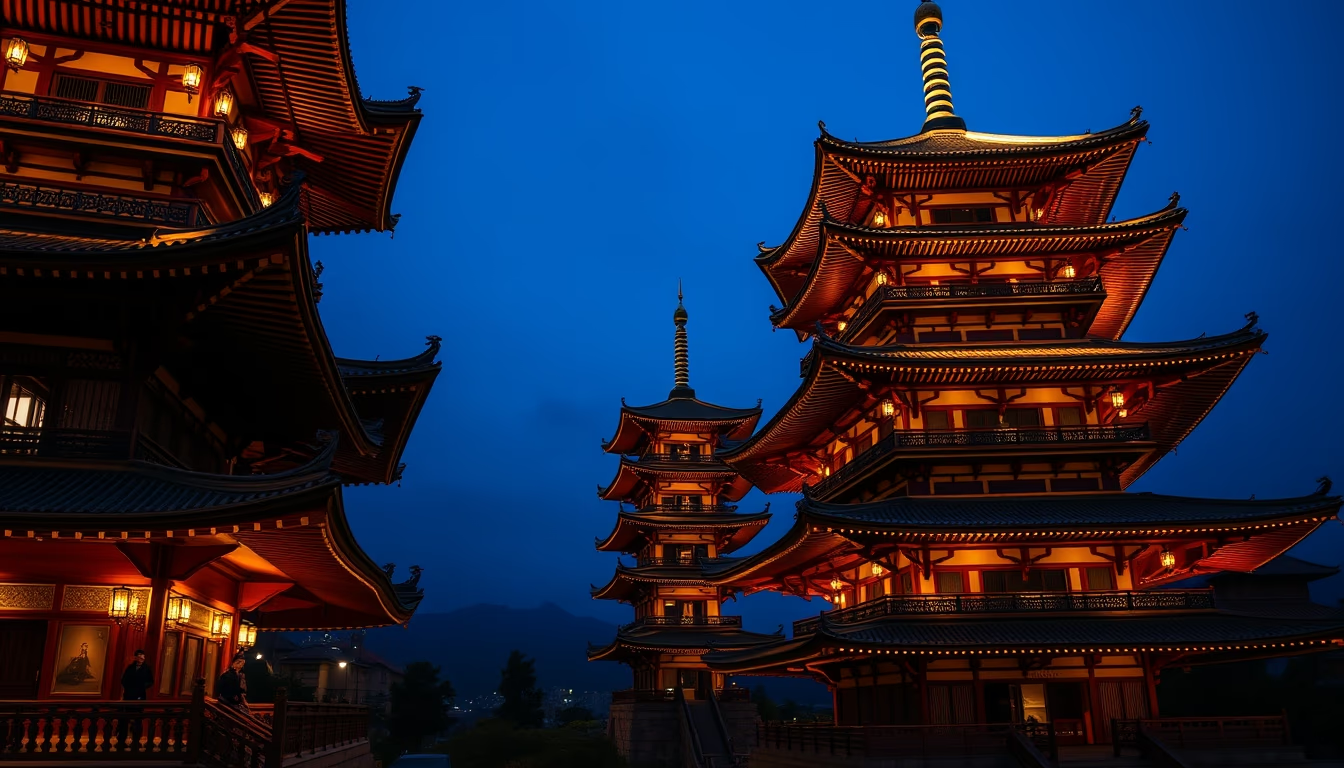
Koan mountain temple
1344×768 · AVIF · CC BY 4.0
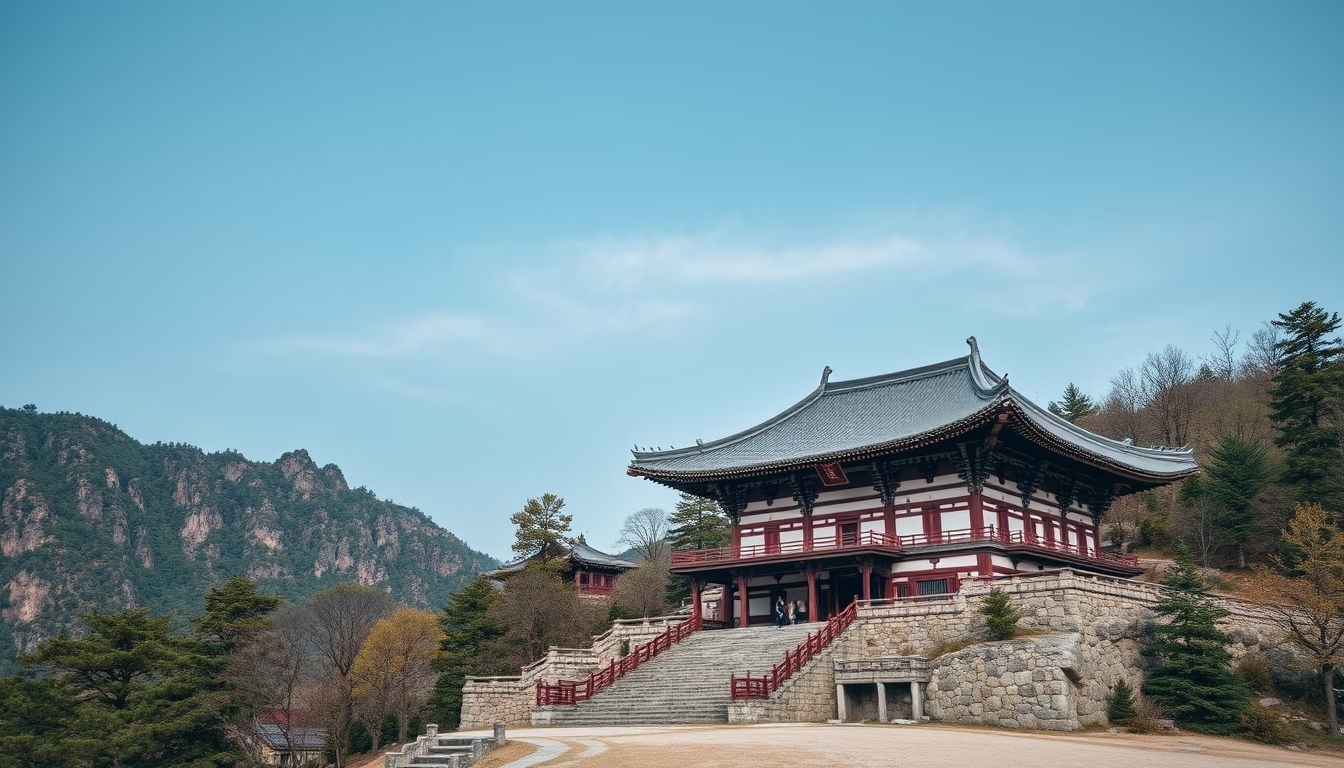
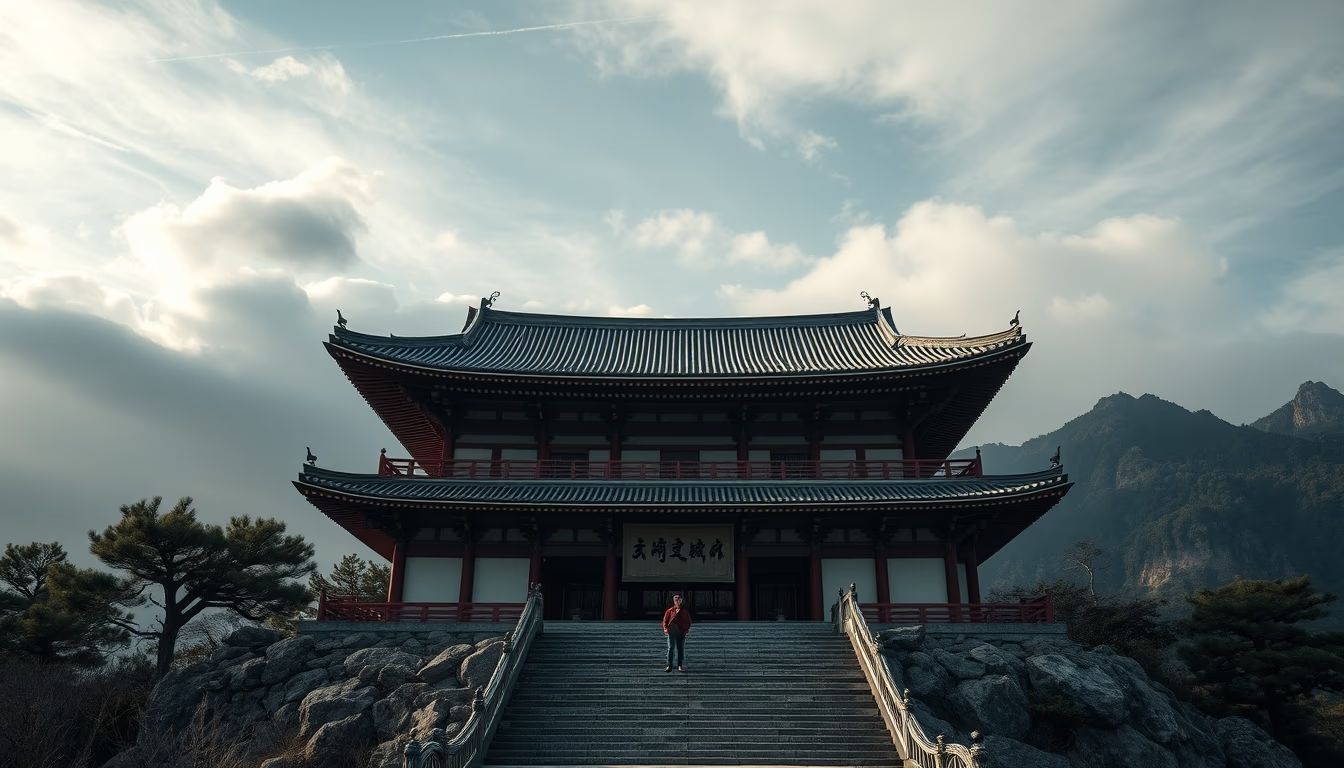
The Koan mountain temple, a serene retreat in the Chinese mountains, is a center for Zen meditation and koan study, blending nature with spiritual practice.
About this subject
The Koan mountain temple embodies the essence of Chinese Zen monasteries, known as Chan. These temples were built in remote locations to facilitate isolation and deep contemplation. The term 'Koan' refers to paradoxes or riddles used in Zen training to challenge rational thought and provoke sudden insight. Originally, koans were records of dialogues between masters and disciples, compiled in texts like the 'Gateless Gate' (Mumonkan) from the 13th century.
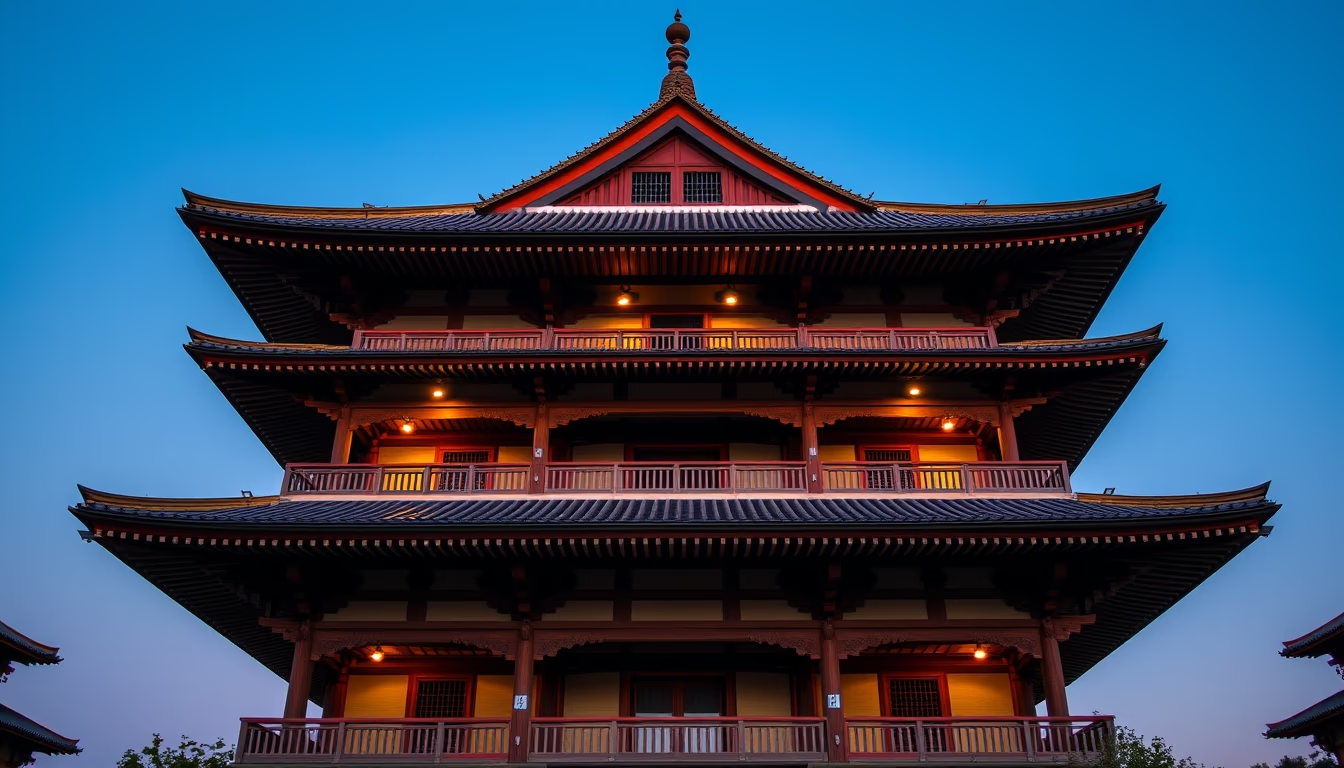
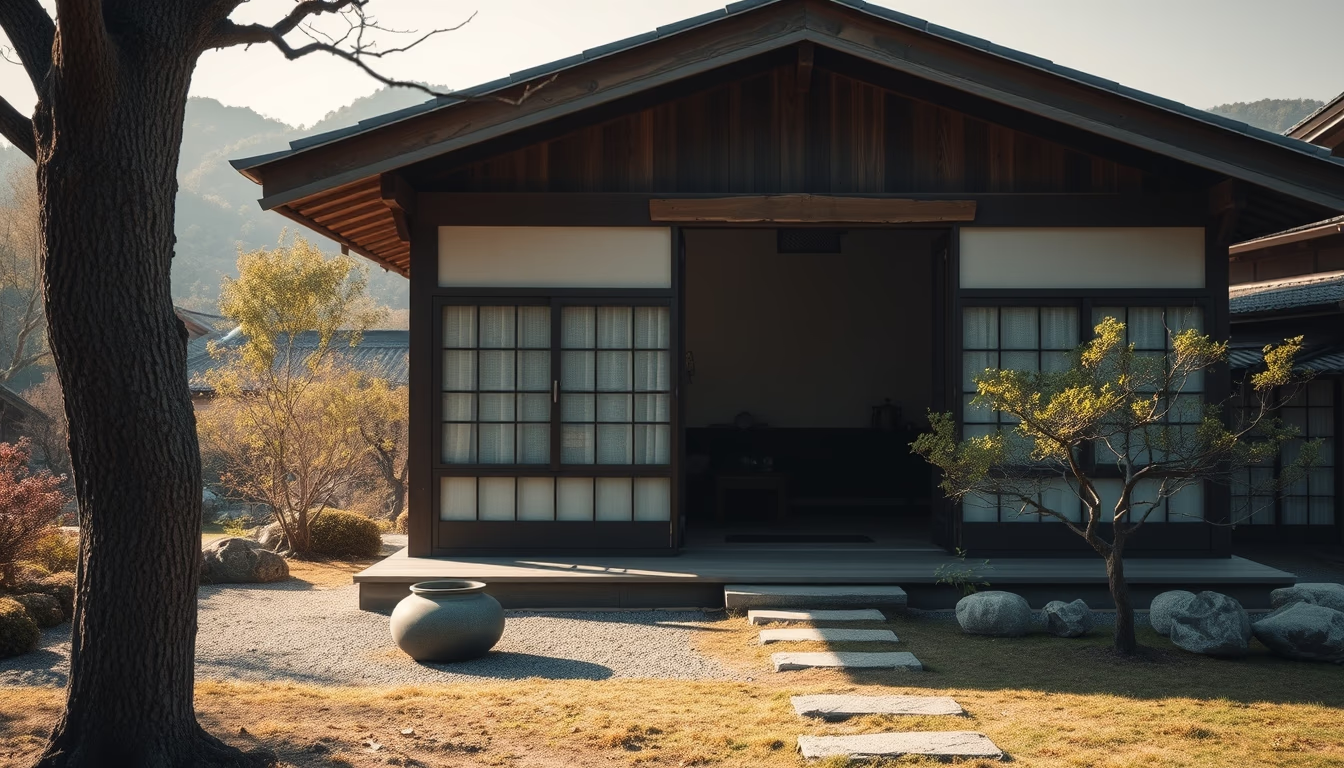
The temple architecture follows traditional Chinese principles, with courtyards, meditation halls, and gardens that mimic the natural landscape. The mountain location is not merely aesthetic but functional: clean air, silence, and inspiring vistas help practitioners achieve deeper meditative states. Many famous Zen temples, such as Shaolin Temple or Mount Wutai Temple, are situated on peaks or in mountain valleys.
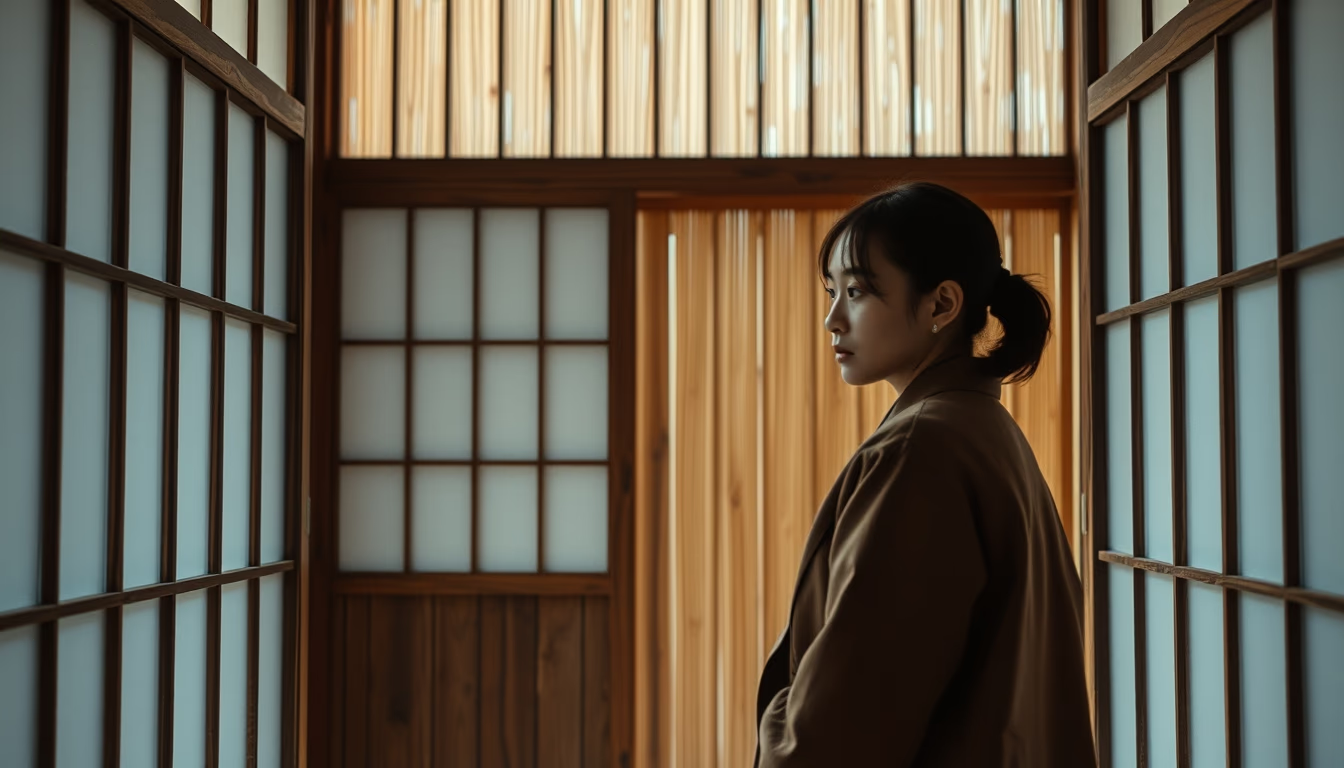
Koan practice involves a personal koan, often assigned by the master, which the student reflects on during seated meditation (zazen). For example, the famous koan 'What is the sound of one hand clapping?' has no logical answer but aims to break dualistic thinking. The Koan temple, though generic in name, symbolizes this intense training environment, where nature and spiritual discipline converge for awakening.
Frequently Asked Questions
What is a koan in Zen Buddhism?
A koan is a paradoxical story, question, or statement used in Zen training to challenge logical thinking and induce intuitive insight. Famous examples include 'What is the sound of one hand clapping?'.
Where are the most famous Zen temples located?
Historic Zen temples are found in China (like Shaolin Temple and Mount Wutai Temple) and Japan (like Ryoanji Temple in Kyoto). Many are situated in mountainous areas to aid meditation.
Why is nature important in Zen temples?
Nature is central: temples are designed to integrate with the landscape, with rock gardens, ponds, and views that inspire calm and support meditative practice, reflecting the Zen idea of oneness with the universe.
Direct URL
https://pub-c7d6a6ea828543ac903a74a341ccb2e1.r2.dev/imagens/koan-mountain-temple-documentary-nature-style-fresh16.avifHow to credit
Include a visible link back to UtilizAí. Copy one of the snippets below:
<a href="https://xn--utiliza-eza.com/en/midia/imagens/koan-mountain-temple-documentary-nature-style-fresh16">Koan mountain temple</a> by <a href="https://xn--utiliza-eza.com">UtilizAí</a>, licensed under <a href="https://creativecommons.org/licenses/by/4.0/">CC BY 4.0</a>.
[Koan mountain temple](https://xn--utiliza-eza.com/en/midia/imagens/koan-mountain-temple-documentary-nature-style-fresh16) by [UtilizAí](https://xn--utiliza-eza.com), CC BY 4.0
License: CC-BY-4.0