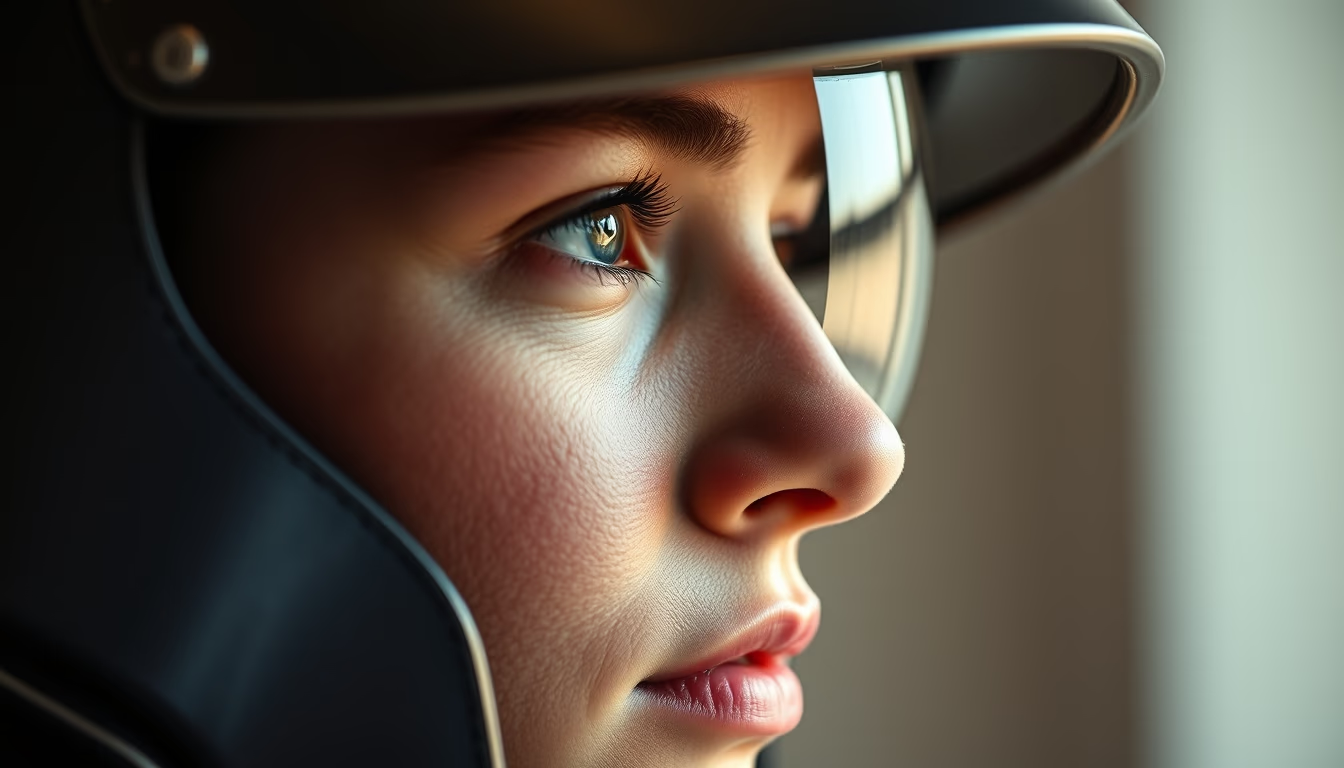
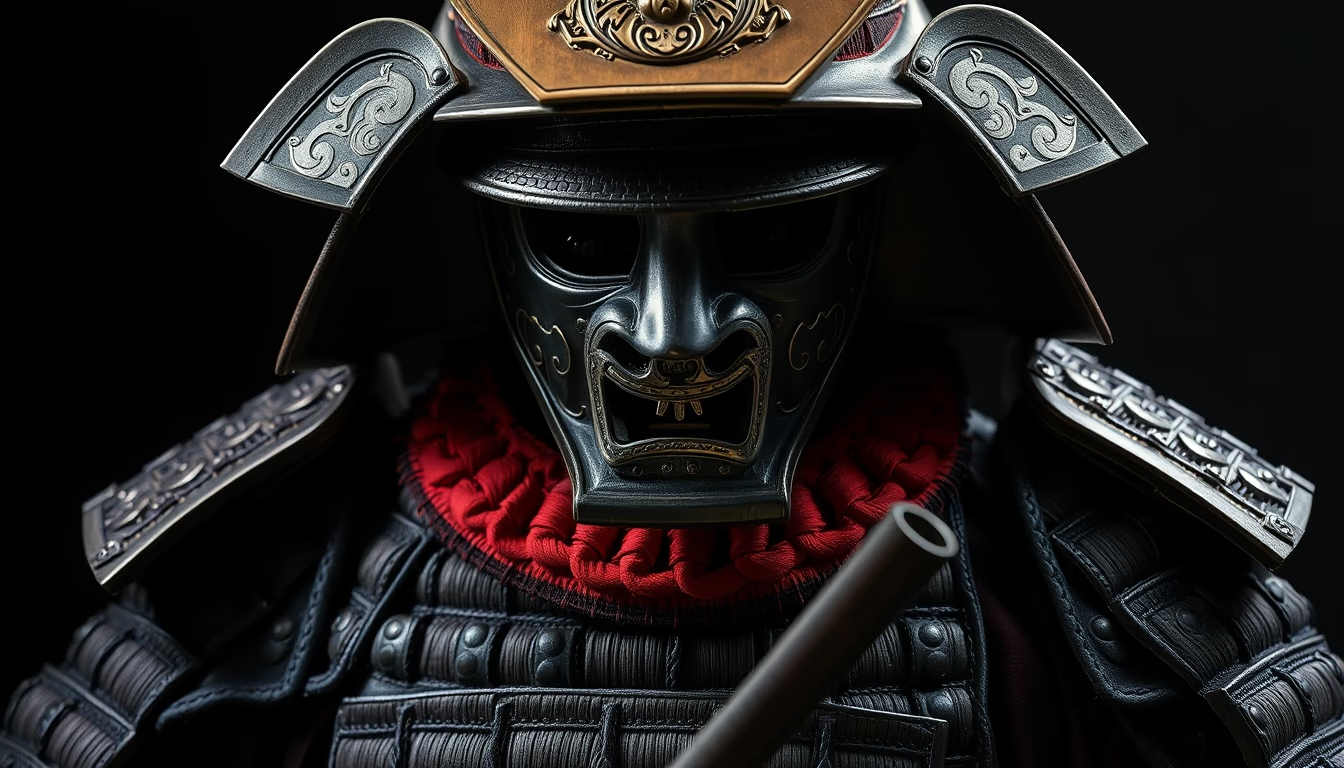
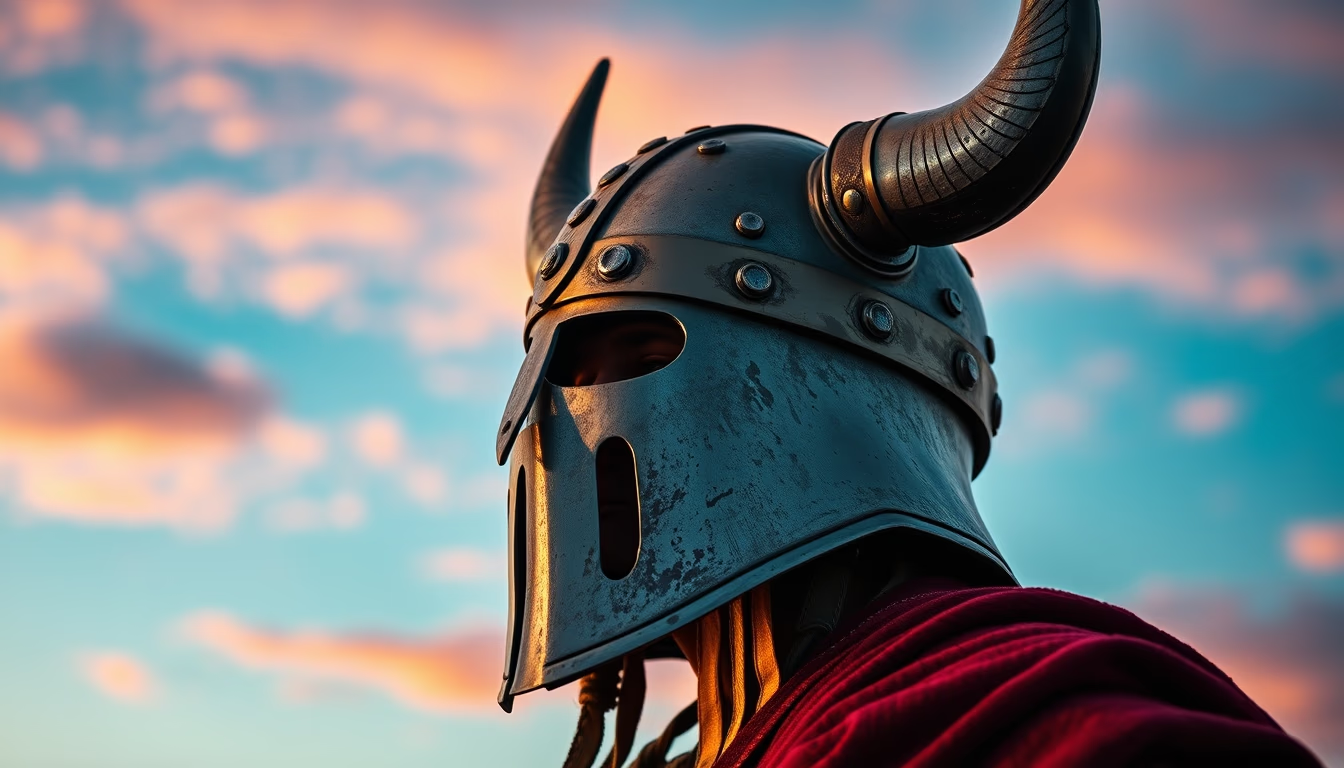
Knight visor closeup
1344×768 · AVIF · CC BY 4.0
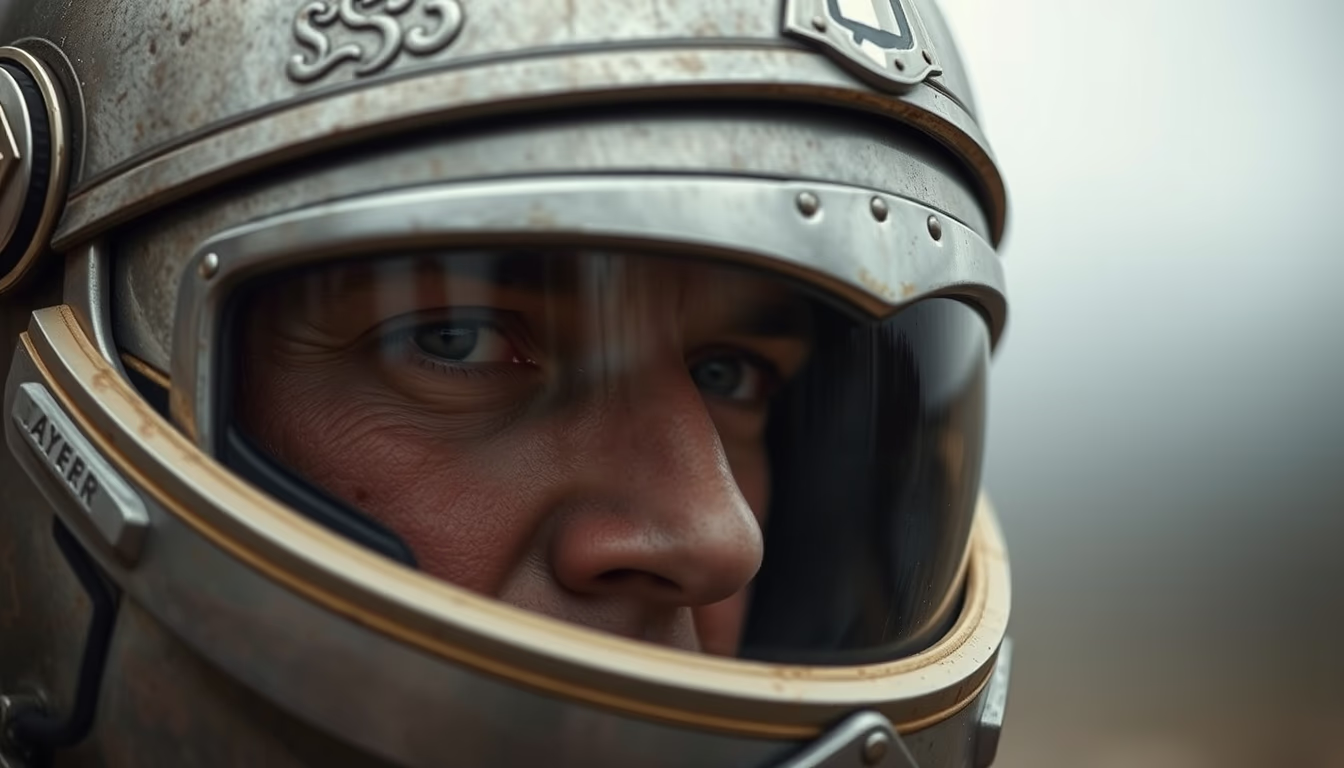
Closeup of a medieval knight visor: forged steel, rivets, and functional design reveal the engineering of facial protection for knights.
About this subject
The visor of a medieval armor is the movable piece that protects the knight's face, usually hinged to the helmet. During the 14th and 15th centuries, design evolved significantly: early helmets like the bascinet had pointed visors (klappvisier), while later models like the armet and sallet incorporated breathing and vision slits. Visors were forged from carbon steel, often hardened by quenching, and weighed between 1 and 2 kg. Mobility was crucial: a central pin allowed the visor to be raised for ventilation or lowered before combat. Tournaments and jousts often used more closed visors with small slits to prevent lances from penetrating. On the battlefield, visibility was limited, and knights trained to rely on touch and hearing. Notable preserved examples include the 'Helmet of Saint George' (c. 1450) at the Kunsthistorisches Museum in Vienna and the visor of the 'Froben Knight' (1525) at the Graz Armoury. Decoration ranged from simple rivets to brass inlays, indicating status. The craftsmanship required a specialized armorer who hammered hot steel over a concave anvil. The visor was not just protection but also an element of identity, with coats of arms or crests on the helmet.
Frequently Asked Questions
How was a medieval knight visor manufactured?
The visor was forged by an armorer from a heated steel plate. He hammered the metal over a concave anvil to shape the curve, then added slits for vision and breathing using chisels and files. The steel was quenched for hardness, and finally rivets and hinges were attached.
What is the difference between a fixed and a movable visor?
Fixed visors were single pieces that did not move, common in simpler helmets like the chapel-de-fer. Movable visors were hinged on a pivot or side pin, allowing the knight to lift them for air or communication. Models like the armet used a central pivot system.
Did armor visors provide good visibility?
No. The slits in visors were narrow to prevent lance tips from entering, severely limiting the field of view. A knight had very reduced peripheral vision and relied on head movements. In tournaments, some visors had more slits, but visibility was still poor.
Direct URL
https://pub-c7d6a6ea828543ac903a74a341ccb2e1.r2.dev/imagens/knight-visor-closeup-national-geographic-style-p1.avifHow to credit
Include a visible link back to UtilizAí. Copy one of the snippets below:
<a href="https://xn--utiliza-eza.com/en/midia/imagens/knight-visor-closeup-national-geographic-style-p1">Knight visor closeup</a> by <a href="https://xn--utiliza-eza.com">UtilizAí</a>, licensed under <a href="https://creativecommons.org/licenses/by/4.0/">CC BY 4.0</a>.
[Knight visor closeup](https://xn--utiliza-eza.com/en/midia/imagens/knight-visor-closeup-national-geographic-style-p1) by [UtilizAí](https://xn--utiliza-eza.com), CC BY 4.0
License: CC-BY-4.0