Knight visor closeup
1344×768 · AVIF · CC BY 4.0
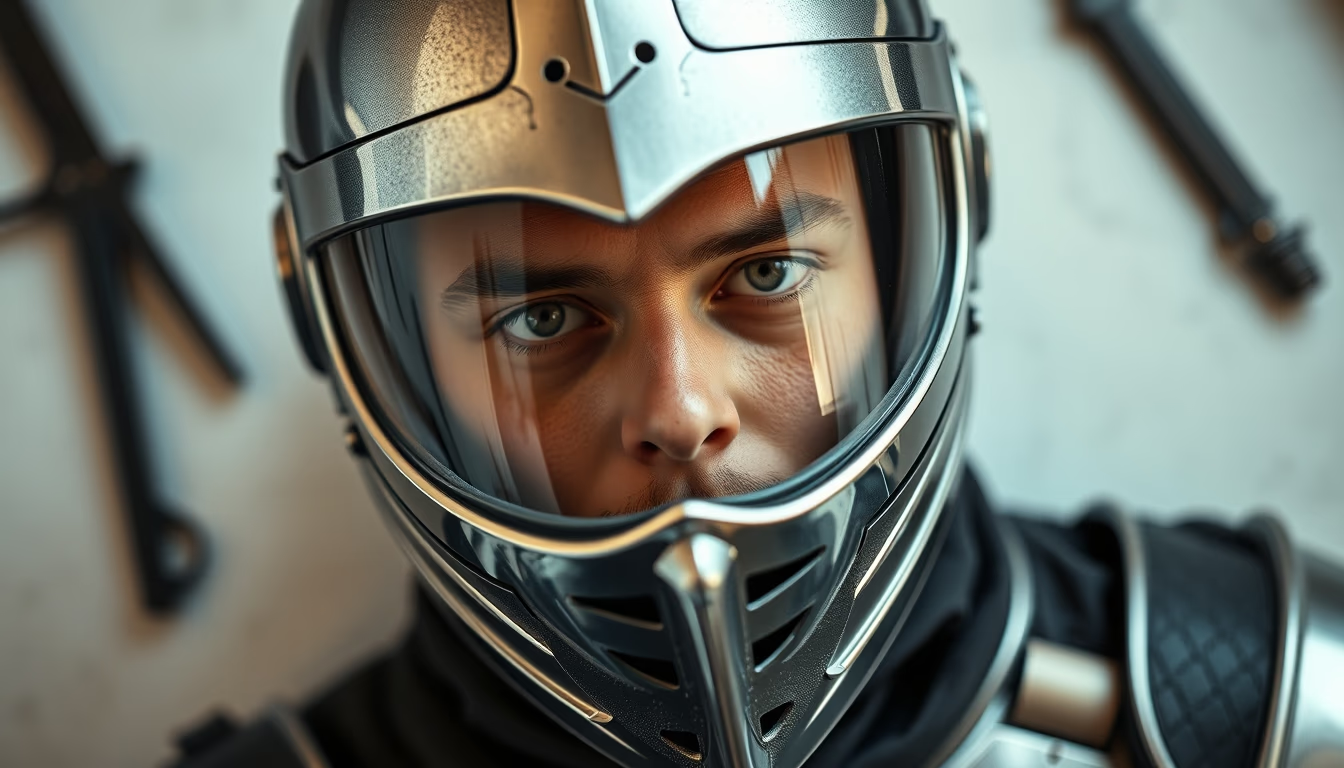
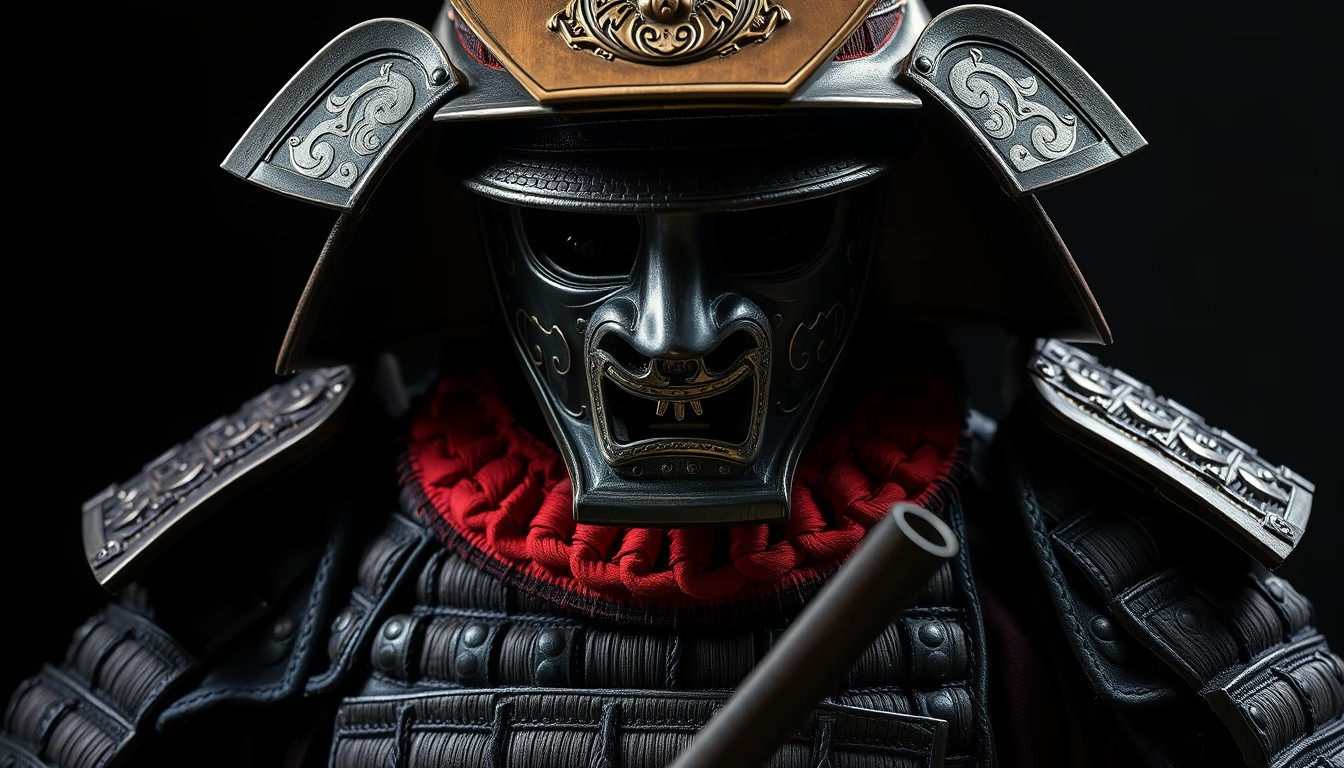
Close-up of a knight's helmet visor, featuring the eye slits and metal structure typical of 15th-century armor.
About this subject
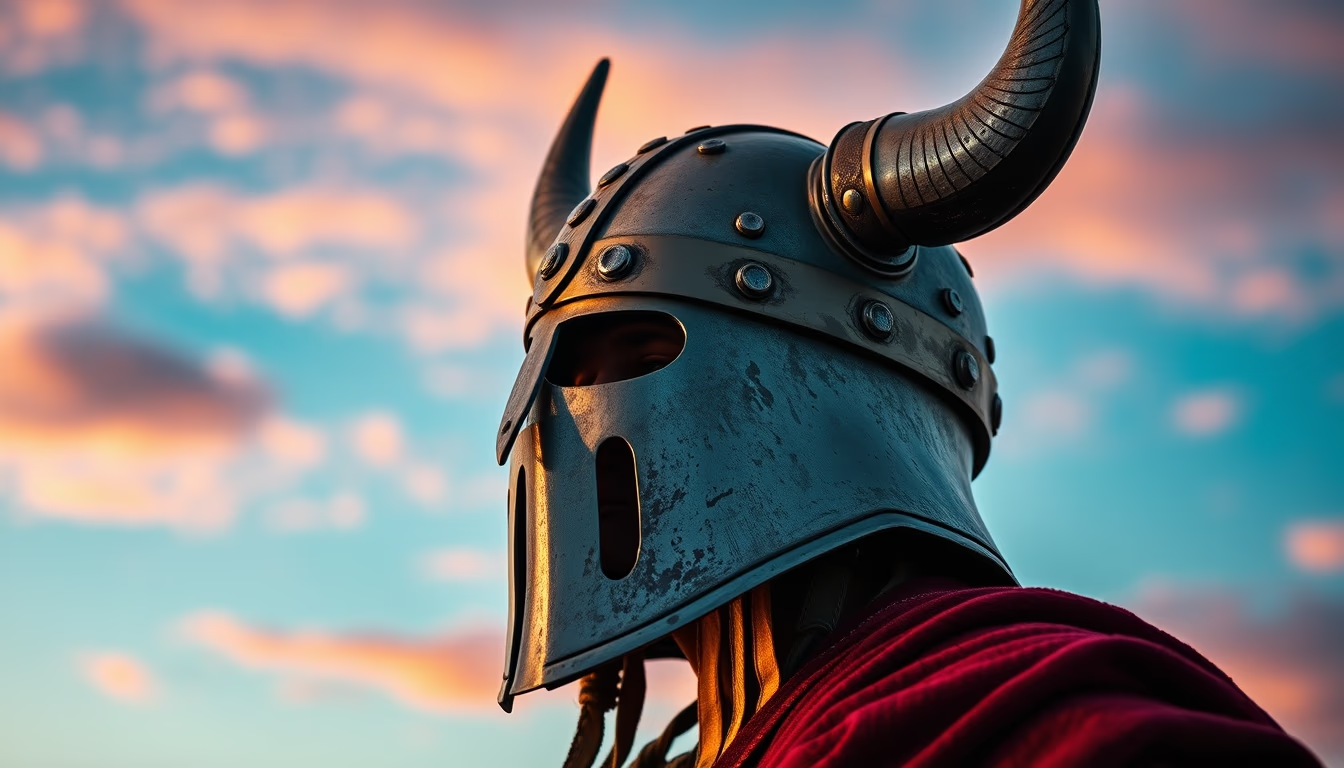
The visor of a knight's helmet is an iconic piece of medieval armor, designed to protect the face without completely obstructing vision. During the 14th and 15th centuries, visors evolved from simple fixed plates to articulated mechanisms, such as those found on armet and barbute helmets. The horizontal (or cross-shaped) slits allowed the knight to see the battlefield, while small breathing holes ensured minimal ventilation. The metal thickness ranged from 2 to 4 mm, capable of deflecting sword blows and arrows.
Visor design also reflected the fashion and heraldry of the era. Many helmets were adorned with crests, plumes, and family insignia, but the visor itself remained functional. The artisanal production of these pieces required specialized blacksmiths who used techniques of tempering and hot hammering. More elaborate visors, such as those on jousting helmets, had narrower slits for added protection but sacrificed field of view.
Interestingly, the visor has influenced modern visual language: its shape is often associated with knights, security, and secrecy, appearing in logos and fantasy films. In the 19th century, the Gothic Revival brought replicas of these helmets for decoration and ceremonies, solidifying the visor as a symbol of courage and nobility. Today, museums like the Metropolitan Museum of Art and Brazil's Army Museum preserve original pieces that allow for the study of medieval metallurgy.
Frequently Asked Questions
What was the main function of a medieval knight's visor?
To protect the knight's face in combat by deflecting sword blows, arrows, and projectiles while allowing minimal vision and breathing.
Were visors articulated or fixed?
Most visors were articulated, able to be raised or pivoted. Older or specific models, like the Norman helmet, used fixed pieces.
Why do some visors have cross-shaped slits?
The cruciform slit was common in jousting helmets, offering greater resistance to frontal impacts and also carrying a symbolic meaning.
Direct URL
https://pub-c7d6a6ea828543ac903a74a341ccb2e1.r2.dev/imagens/knight-visor-closeup-isometric-flat-lay-p8.avifHow to credit
Include a visible link back to UtilizAí. Copy one of the snippets below:
<a href="https://xn--utiliza-eza.com/en/midia/imagens/knight-visor-closeup-isometric-flat-lay-p8">Knight visor closeup</a> by <a href="https://xn--utiliza-eza.com">UtilizAí</a>, licensed under <a href="https://creativecommons.org/licenses/by/4.0/">CC BY 4.0</a>.
[Knight visor closeup](https://xn--utiliza-eza.com/en/midia/imagens/knight-visor-closeup-isometric-flat-lay-p8) by [UtilizAí](https://xn--utiliza-eza.com), CC BY 4.0
License: CC-BY-4.0