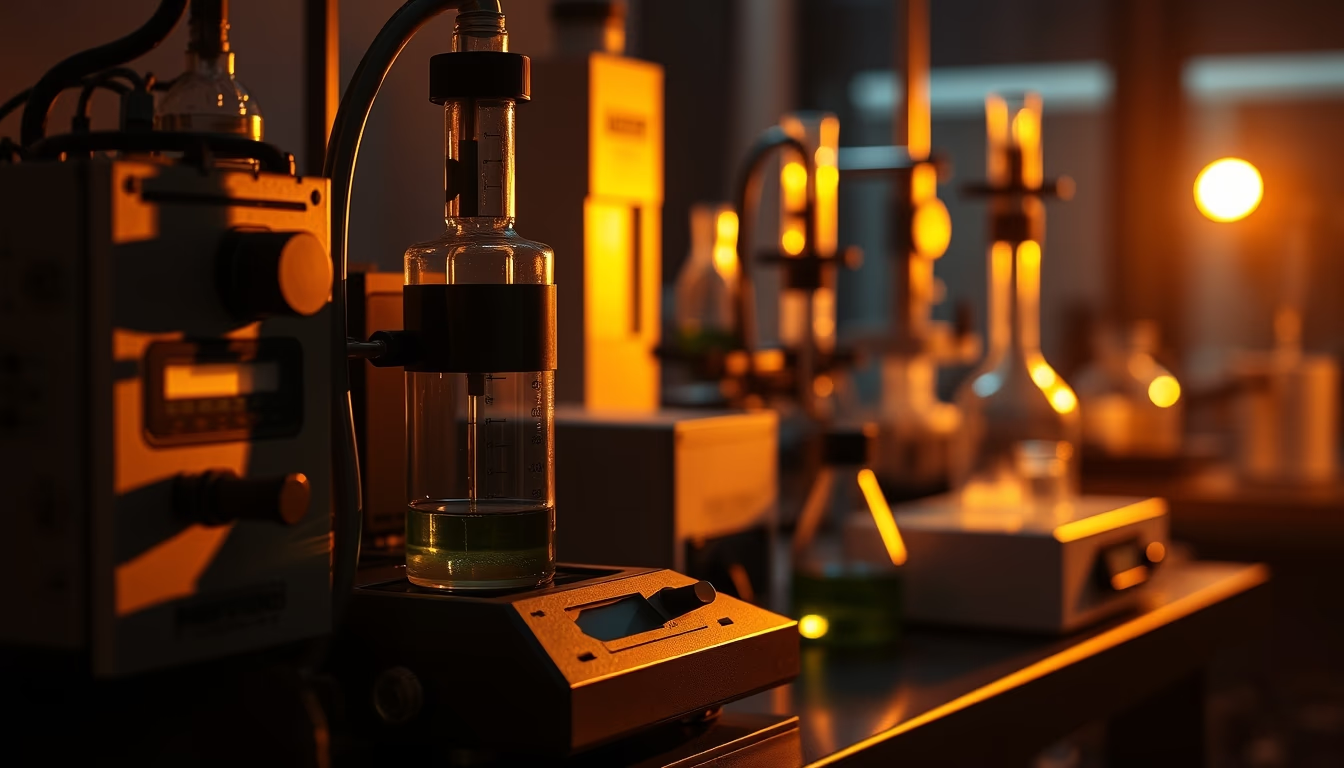
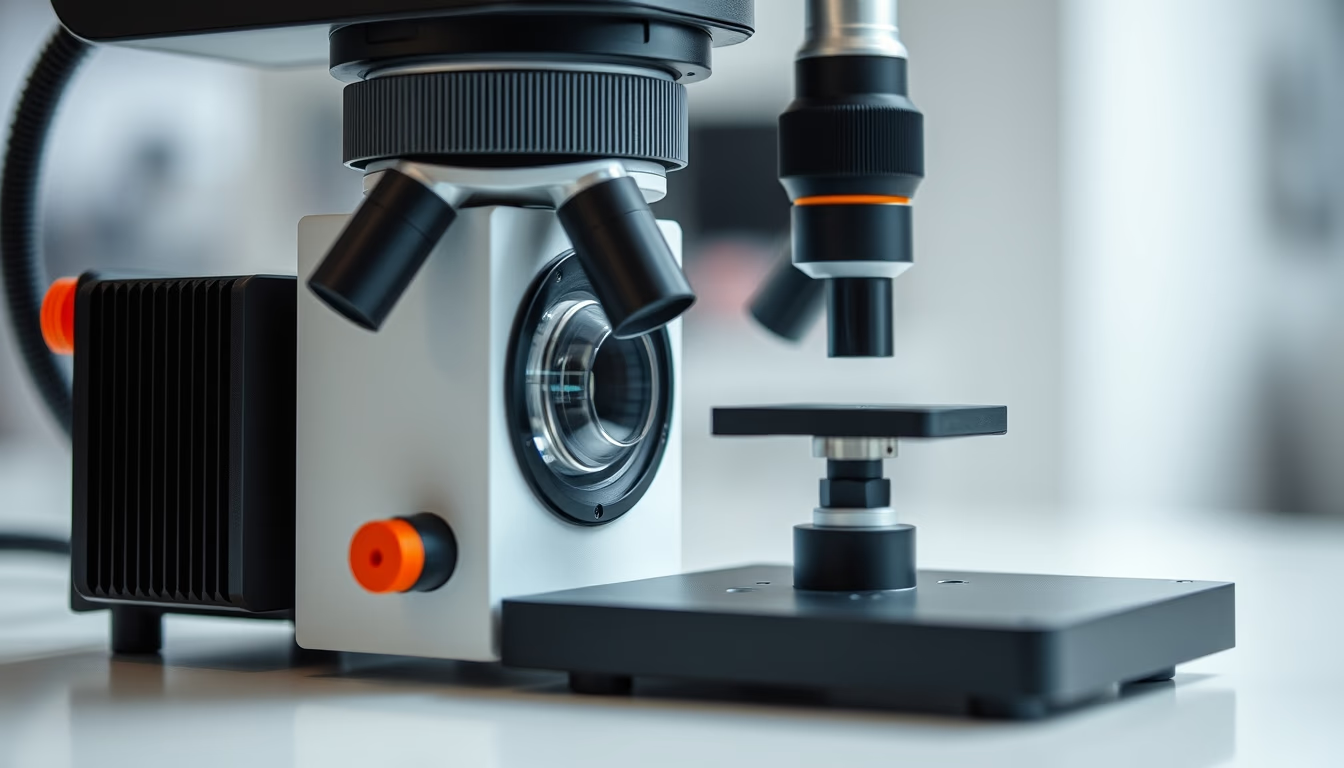
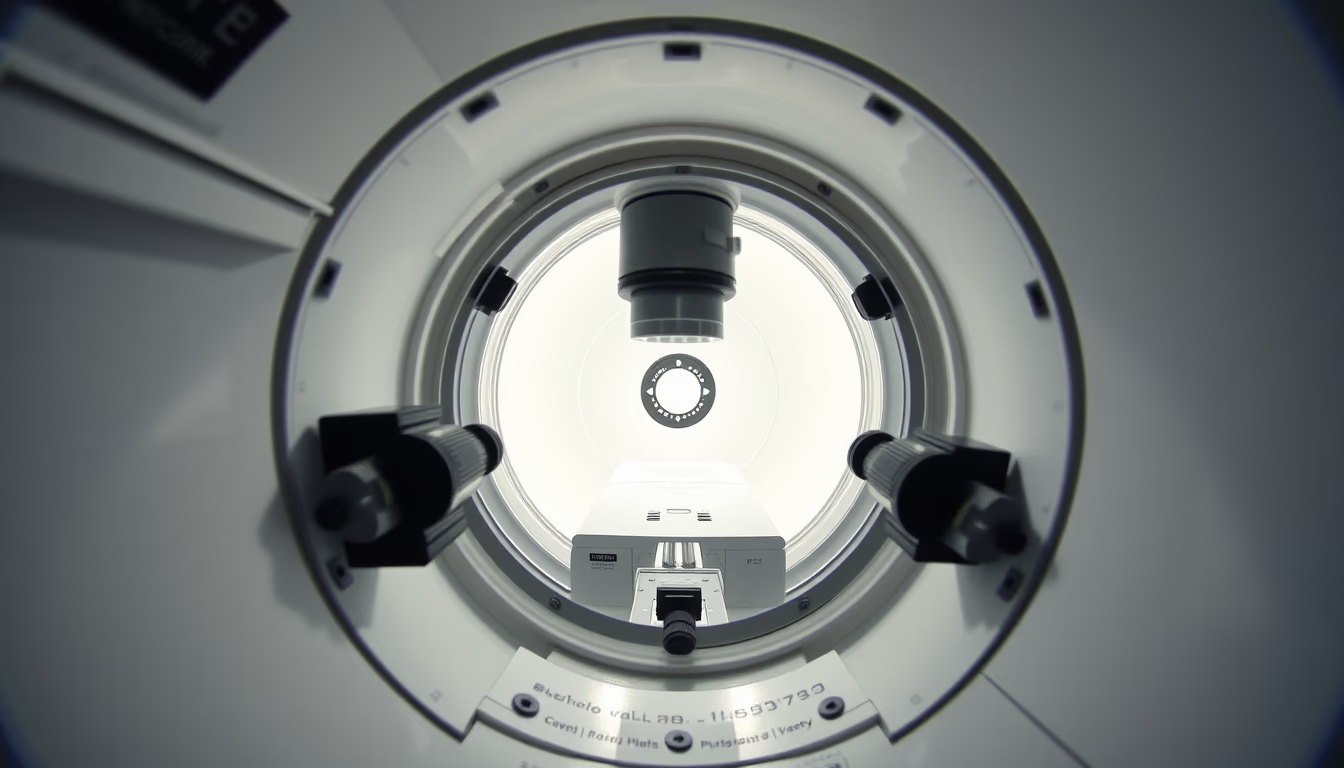
Gene sequencer machine
1344×768 · AVIF · CC BY 4.0
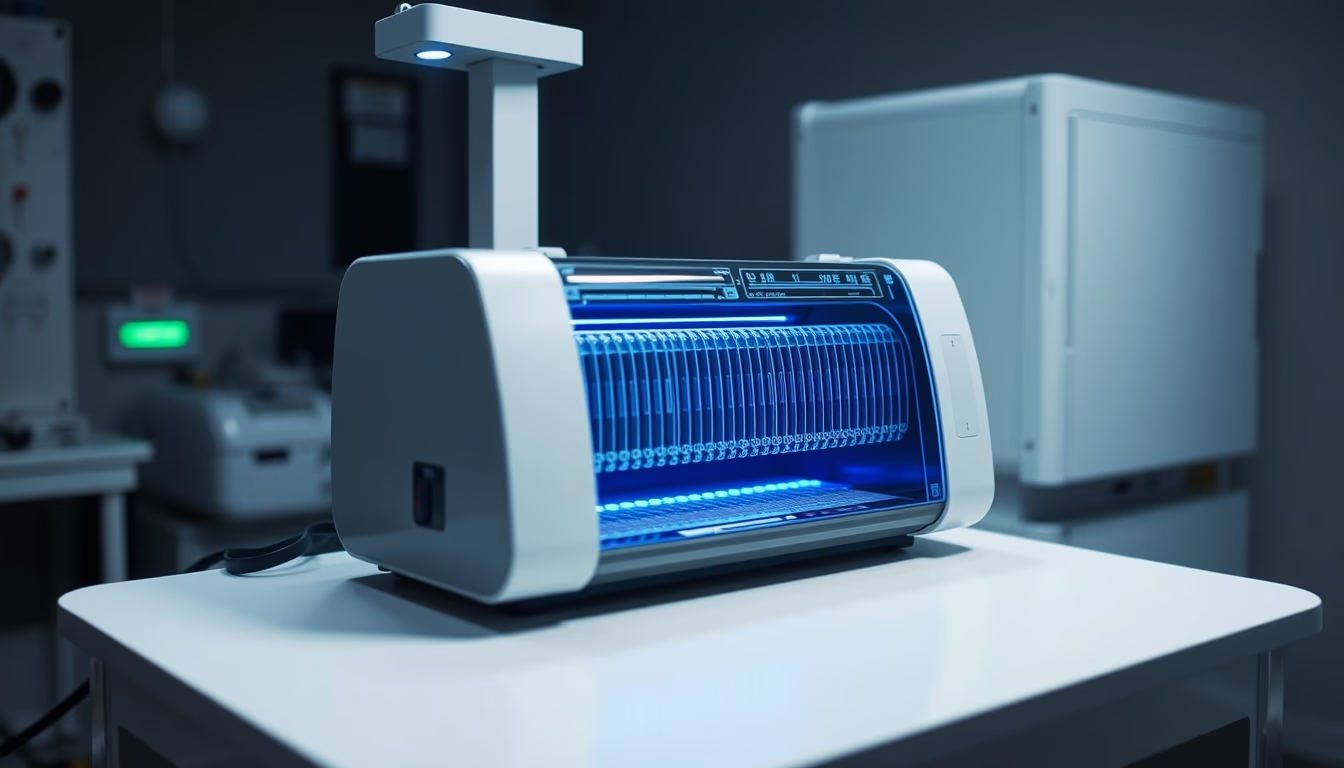
A gene sequencer, essential equipment for DNA decoding, revolutionized molecular biology and personalized medicine.
About this subject
A gene sequencer is a scientific instrument used to determine the exact order of nucleotides in a DNA molecule. This technology, which evolved from Sanger methods to next-generation sequencing, allows reading the complete genome of organisms quickly and accurately. The first automated sequencers emerged in the 1980s and were crucial for the Human Genome Project, completed in 2003, which mapped about 3 billion base pairs of human DNA. Today, machines like those from Illumina and Oxford Nanopore can sequence an entire human genome in hours.
The operation of a modern sequencer involves sample preparation, amplification, and detection of fluorescence or ionic current variations. High-throughput equipment generates terabytes of data per run, requiring sophisticated bioinformatic analysis. The drastic cost drop, from $100 million per genome in 2001 to about $1,000 today, democratized access to sequencing, boosting discoveries in oncology, rare diseases, and microbiology.
In Brazil, research centers such as Hospital Israelita Albert Einstein and the University of São Paulo use sequencers for population genomic studies and cancer diagnostics. Applications include mutation identification, pharmacogenomics, and pathogen surveillance, such as monitoring SARS-CoV-2 variants. The technology is also used in agriculture for crop genetic improvement and conservation of endangered species.
A notable curiosity is that next-generation sequencing allows analysis of ancient DNA, enabling evolutionary and archaeological studies. Moreover, the pace of innovation is so rapid that new techniques, such as single-molecule real-time sequencing, promise to further reduce costs and expand the frontiers of genomics.
Frequently Asked Questions
What is the difference between Sanger sequencing and next-generation sequencing?
Sanger sequencing, the classic method, reads fragments up to 1,000 bases at a time. Next-generation sequencing processes millions of fragments simultaneously, generating gigabytes of data faster and at a lower cost per base.
How much does it cost to sequence a human genome today?
The cost has dropped from about $100 million in 2001 to approximately $1,000 now, depending on technology and coverage. Companies like Illumina offer full sequencing for under $600.
What is a gene sequencer used for in medicine?
It is used for diagnosing genetic diseases, oncology (identifying tumor mutations), pharmacogenomics (personalizing medications), and monitoring infectious pathogens, such as identifying viral variants.
Direct URL
https://pub-c7d6a6ea828543ac903a74a341ccb2e1.r2.dev/imagens/gene-sequencer-machine-fine-art-photography-fresh2.avifHow to credit
Include a visible link back to UtilizAí. Copy one of the snippets below:
<a href="https://xn--utiliza-eza.com/en/midia/imagens/gene-sequencer-machine-fine-art-photography-fresh2">Gene sequencer machine</a> by <a href="https://xn--utiliza-eza.com">UtilizAí</a>, licensed under <a href="https://creativecommons.org/licenses/by/4.0/">CC BY 4.0</a>.
[Gene sequencer machine](https://xn--utiliza-eza.com/en/midia/imagens/gene-sequencer-machine-fine-art-photography-fresh2) by [UtilizAí](https://xn--utiliza-eza.com), CC BY 4.0
License: CC-BY-4.0