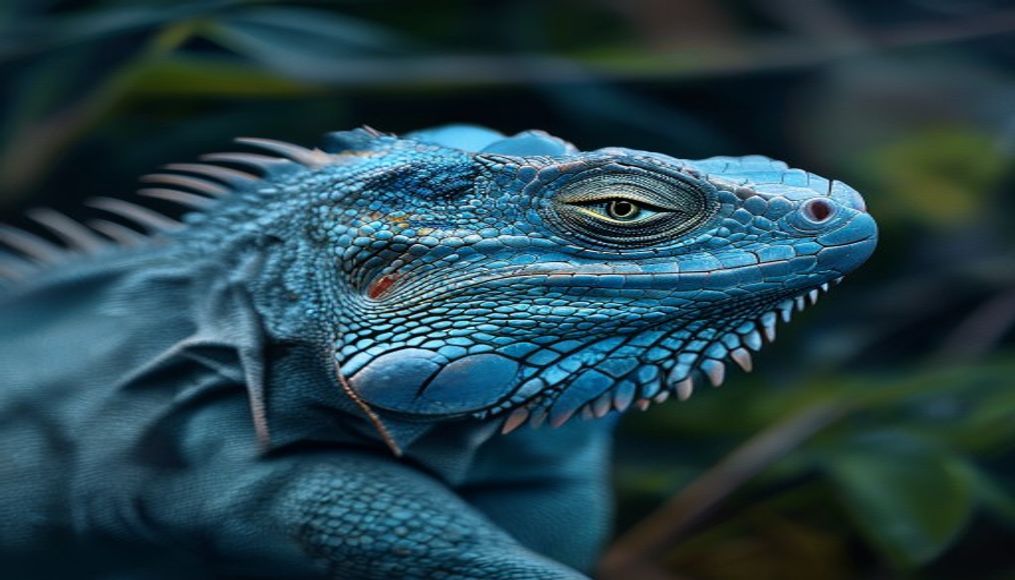
Gecko climbing glass
1344×768 · AVIF · CC BY 4.0
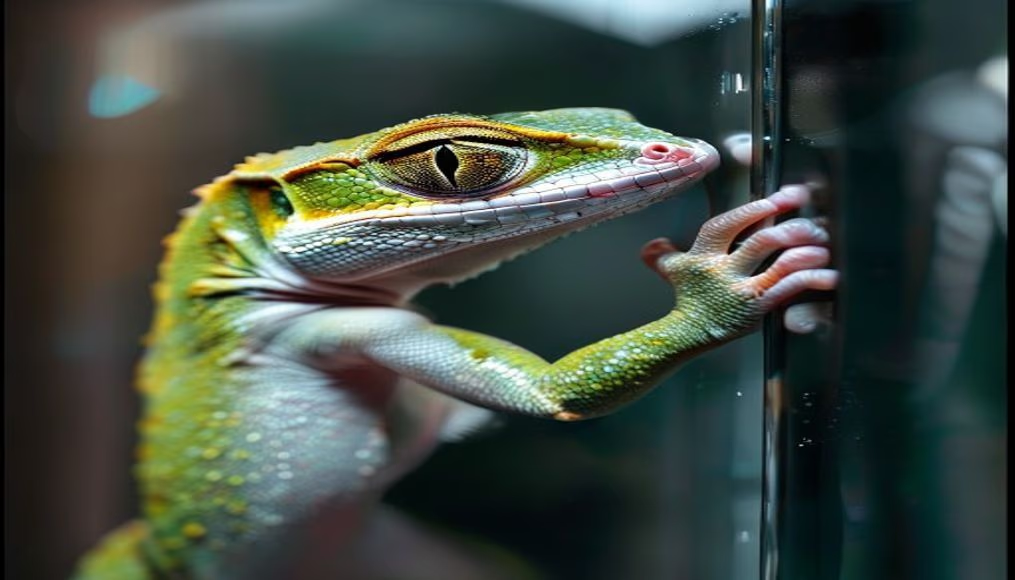
Geckos são lagartos conhecidos por sua incrível habilidade de escalar superfícies lisas como vidro, graças às lamelas adhesivas em suas patas.
Sobre o tema
Os geckos formam uma das linhagens mais diversas de lagartos, com mais de 1.500 espécies distribuídas em todos os continentes, exceto a Antártida. Predominantemente noturnos e arborícolas, esses répteis são especialmente abundantes em regiões tropicais e subtropicais. Muitas espécies, como a lagartixa-doméstica (Hemidactylus mabouia), adaptaram-se a ambientes urbanos e são vistas com frequência em paredes e tetos.
A capacidade de escalar vidro e outras superfícies lisas reside em estruturas microscópicas nas patas chamadas lamelas, cobertas por milhões de pelos ainda menores, as setae. Essas setae criam forças de van der Waals, uma atração intermolecular que permite ao gecko aderir firmemente sem usar fluidos ou ventosas. Estima-se que um único gecko possa suportar até 200 vezes o próprio peso com essa adesão.
Ecologicamente, os geckos são importantes controladores de populações de insetos, como mosquitos e baratas. Algumas espécies são mantidas como animais de estimação de baixa manutenção, como o gecko-leopardo (Eublepharis macularius). A engenharia inspirada na adesão dos geckos já levou ao desenvolvimento de fitas adesivas reutilizáveis e robôs escaladores.
Curiosamente, muitos geckos possuem a capacidade de autotomia, soltando a cauda quando ameaçados por predadores. Algumas espécies emitem vocalizações, como o "tchak-tchak" típico da lagartixa. Sua visão noturna é excepcional, com pupilas verticais que regulam a entrada de luz. Esses lagartos evoluíram para tirar o máximo proveito de nichos verticais e iluminados pela lua.
Perguntas frequentes
Como os geckos conseguem andar no vidro?
Os geckos usam milhões de pelos microscópicos chamados setae em suas patas. Essas setas geram forças de van der Waals, uma atração entre moléculas, que permite a adesão ao vidro sem precisar de ventosas ou substâncias pegajosas.
Todos os geckos escalam vidro?
A maioria das espécies de gecko possui essa capacidade, mas pode variar conforme a espécie e a superfície. Geckos com lamelas bem desenvolvidas, como os da subfamília Gekkoninae, são especialmente adeptos. Alguns, como o gecko-leopardo, têm garras em vez de adesivos.
Os geckos são perigosos para os humanos?
Não. A grande maioria dos geckos é inofensiva e benéfica, pois se alimenta de insetos. Eles não são venenosos e raramente mordem. Em ambientes domésticos, ajudam a controlar pragas como mosquitos e baratas.
URL direta
https://pub-c7d6a6ea828543ac903a74a341ccb2e1.r2.dev/imagens/gecko-climbing-glass-studio-editorial-portrait-p1.avifComo creditar
Inclua um link visível de volta pro UtilizAí. Copie um dos snippets abaixo:
<a href="https://xn--utiliza-eza.com/midia/imagens/gecko-climbing-glass-studio-editorial-portrait-p1">Gecko climbing glass</a> by <a href="https://xn--utiliza-eza.com">UtilizAí</a>, licensed under <a href="https://creativecommons.org/licenses/by/4.0/">CC BY 4.0</a>.
[Gecko climbing glass](https://xn--utiliza-eza.com/midia/imagens/gecko-climbing-glass-studio-editorial-portrait-p1) by [UtilizAí](https://xn--utiliza-eza.com), CC BY 4.0
Licença: CC-BY-4.0