Gas chromatograph
1344×768 · AVIF · CC BY 4.0
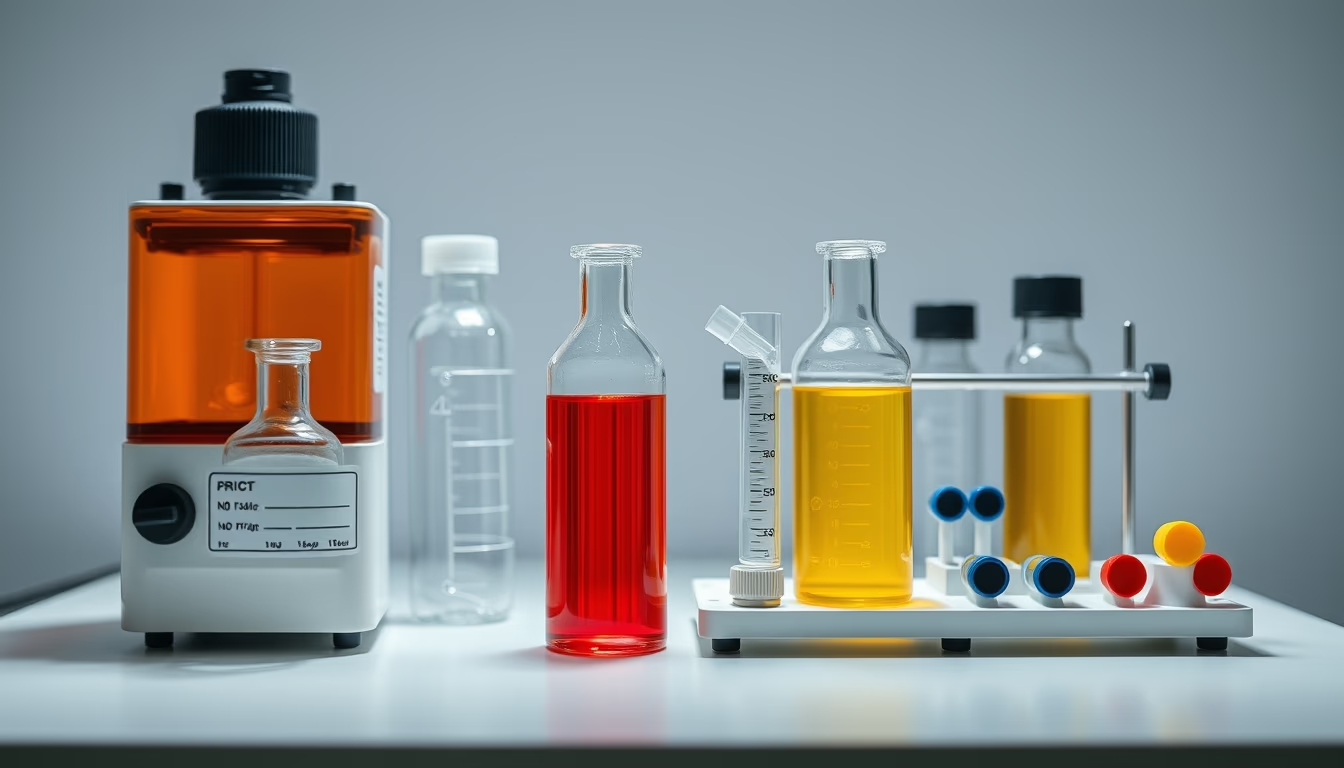
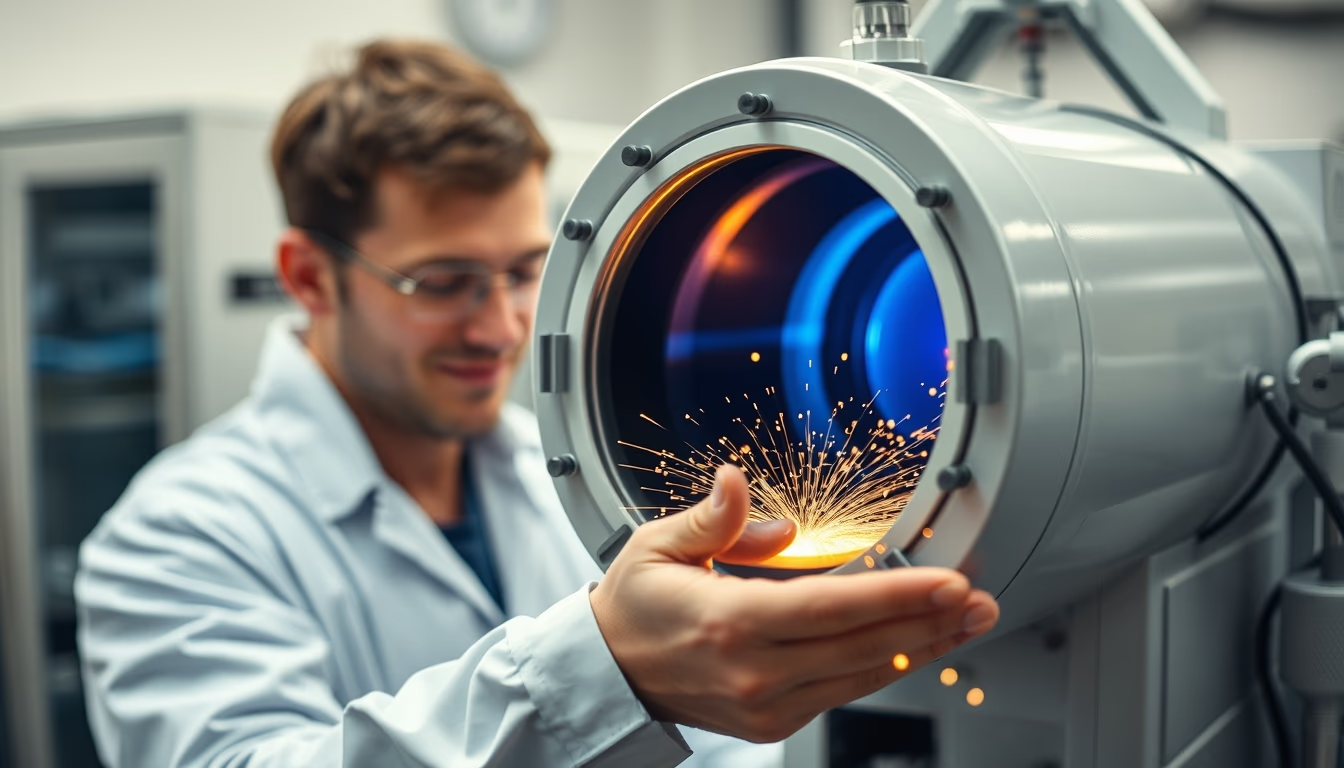
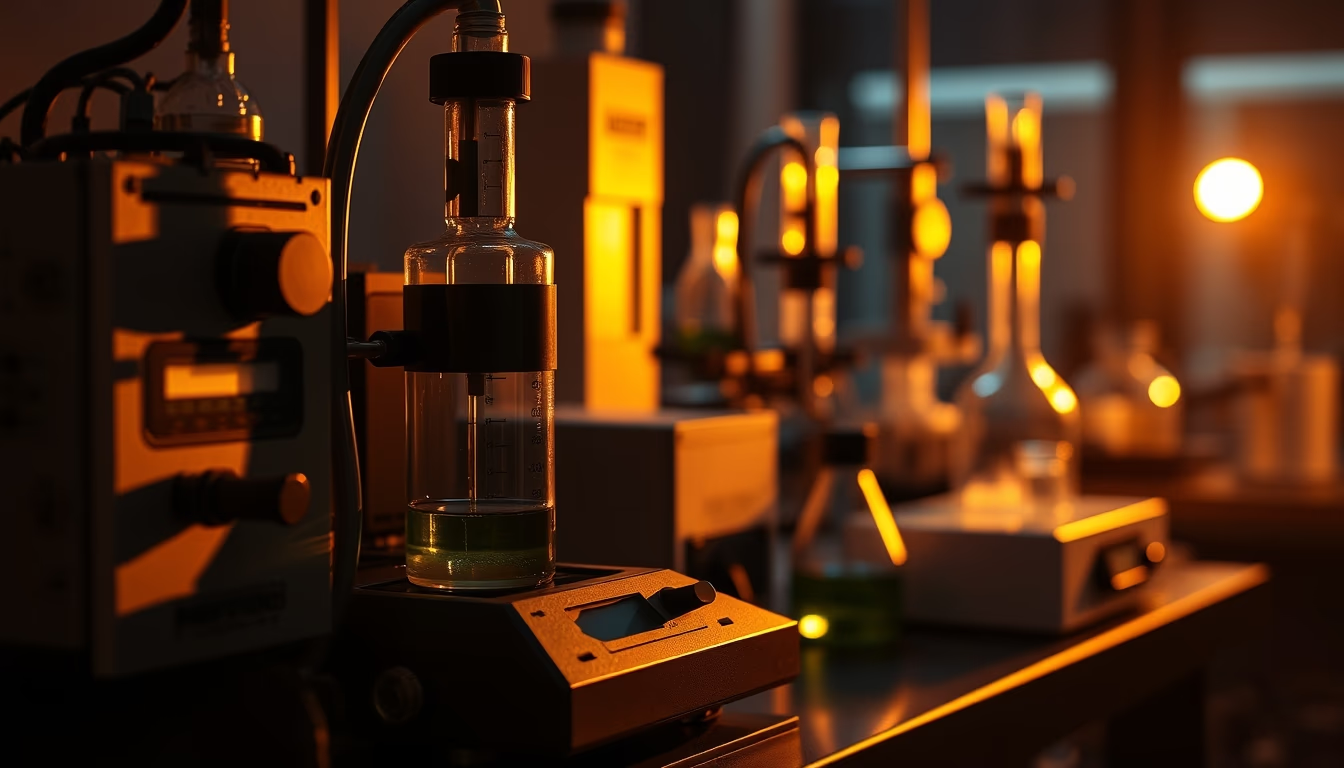
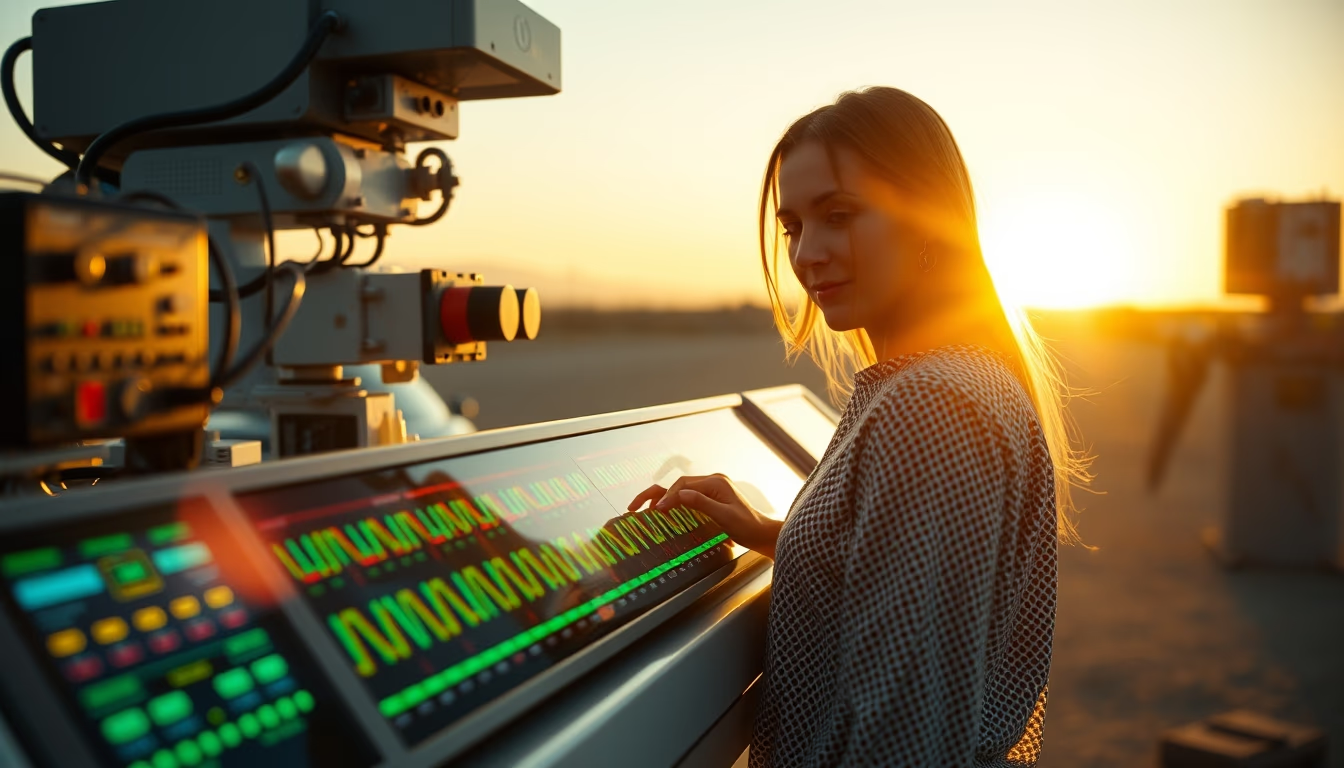
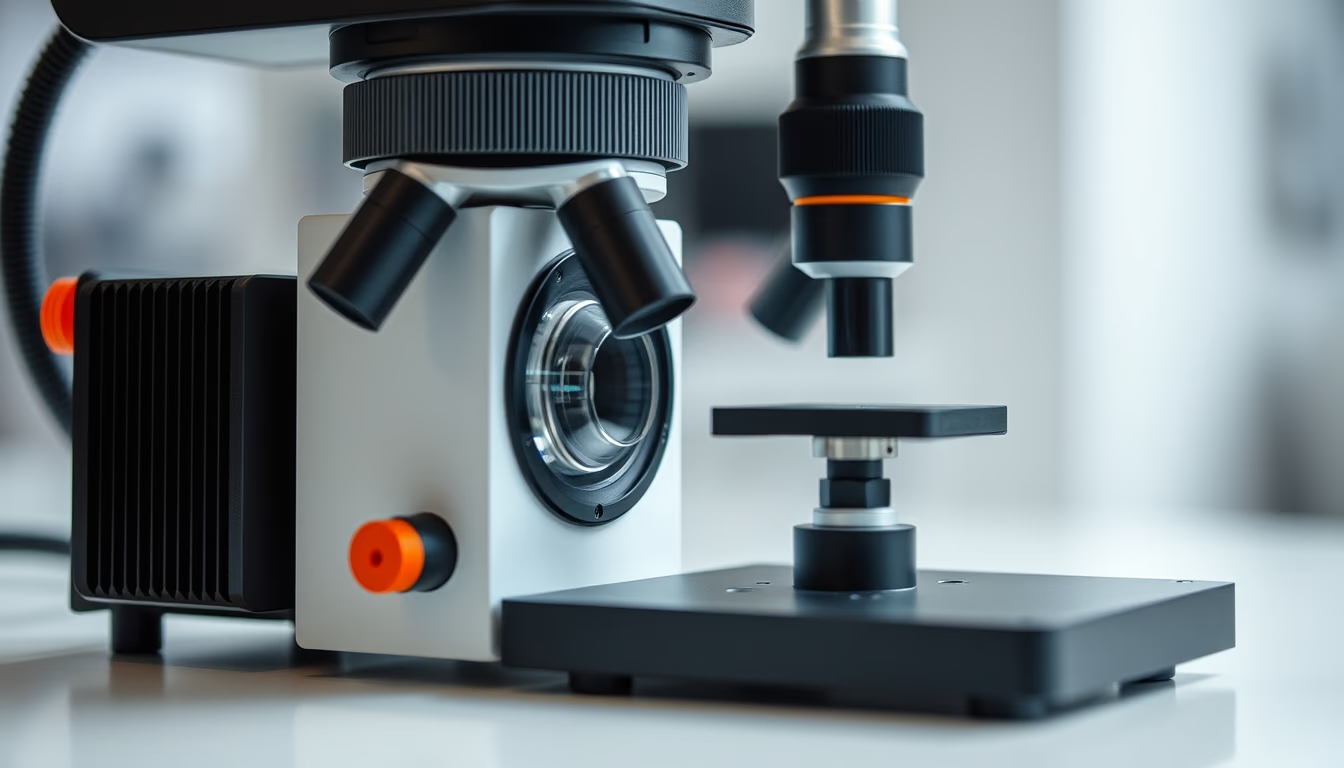
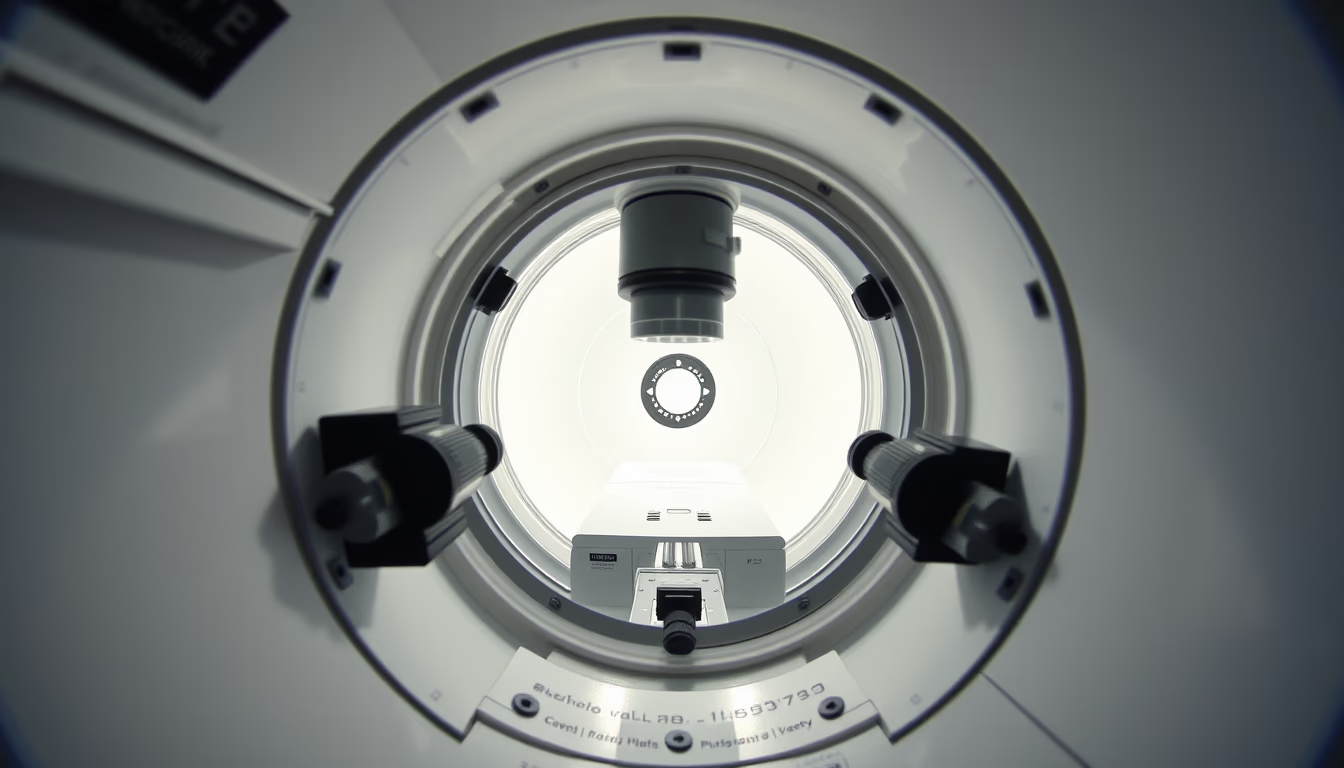
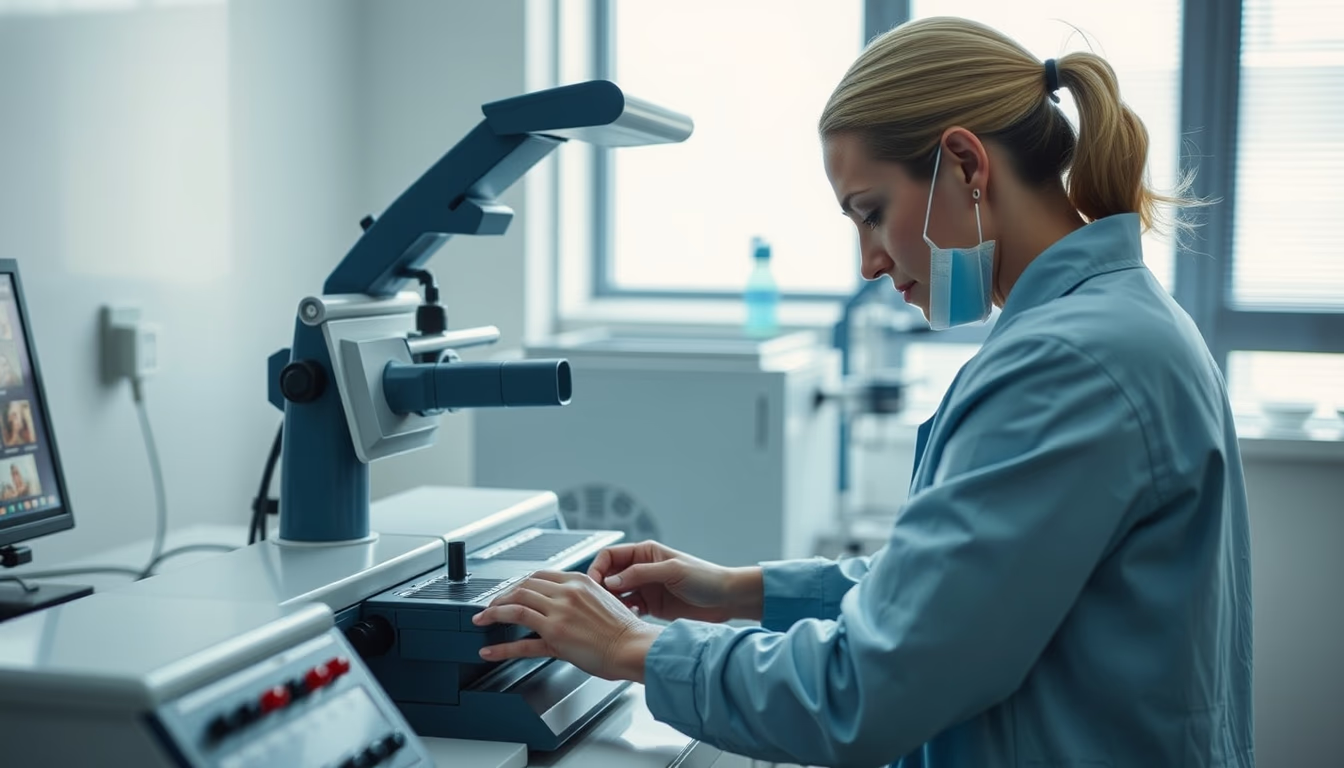
The gas chromatograph is an essential analytical instrument in laboratories for separating and identifying volatile compounds.
About this subject
The gas chromatograph is an analytical instrument that separates and identifies components of complex mixtures based on their volatility and interaction with a stationary phase. The sample is vaporized and carried by an inert gas (mobile phase) through a capillary or packed column. Components elute at different retention times, detected by devices such as the flame ionization detector (FID) or mass spectrometer (MS). This technique is fundamental for quantitative and qualitative analyses.
Its applications are vast: in the pharmaceutical industry, it monitors drug purity; in environmental sectors, it detects pollutants like pesticides and volatile organic compounds (VOCs). In forensic medicine, it identifies drugs and toxins. Food laboratories use it to verify levels of fats, alcohols, and flavors. The precision and sensitivity of the instrument allow detection at concentrations down to parts per billion.
Gas chromatography was developed in the 1950s as an evolution of liquid chromatography. Since then, advances such as capillary columns and mass detectors have expanded its separation power. Today, hyphenated systems (GC-MS) are gold standards in many analyses. The technique requires careful calibration and routine maintenance but delivers reliable results for a wide range of volatile and semivolatile organic compounds.
Frequently Asked Questions
How does a gas chromatograph work?
The sample is injected and vaporized, then carried by a carrier gas (helium, nitrogen, or hydrogen) through a column. Components separate based on their affinity for the stationary phase and are detected as they exit.
What are the main detectors used?
The most common are the flame ionization detector (FID), effective for organic compounds, and the mass spectrometer (MS), which identifies by mass-to-charge ratio. Others include the thermal conductivity detector (TCD) and electron capture detector (ECD).
How is it used in the food industry?
In food analysis, it is used to quantify fatty acids, alcohols, esters, and contaminants like residual solvents and pesticides. It also aids in quality control of alcoholic beverages and determination of aroma profiles.
Direct URL
https://pub-c7d6a6ea828543ac903a74a341ccb2e1.r2.dev/imagens/gas-chromatograph-studio-still-life-fresh12.avifHow to credit
Include a visible link back to UtilizAí. Copy one of the snippets below:
<a href="https://xn--utiliza-eza.com/en/midia/imagens/gas-chromatograph-studio-still-life-fresh12">Gas chromatograph</a> by <a href="https://xn--utiliza-eza.com">UtilizAí</a>, licensed under <a href="https://creativecommons.org/licenses/by/4.0/">CC BY 4.0</a>.
[Gas chromatograph](https://xn--utiliza-eza.com/en/midia/imagens/gas-chromatograph-studio-still-life-fresh12) by [UtilizAí](https://xn--utiliza-eza.com), CC BY 4.0
License: CC-BY-4.0