Gas chromatograph
1344×768 · AVIF · CC BY 4.0
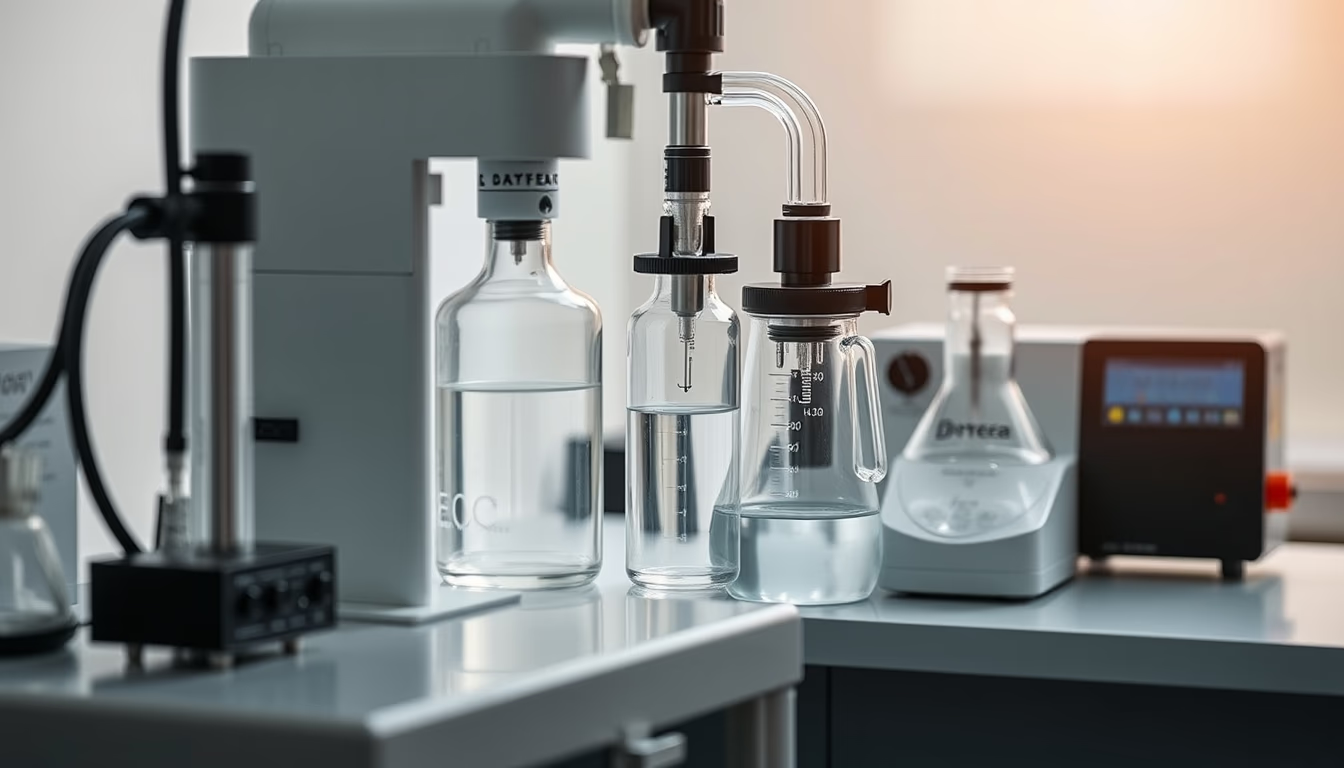
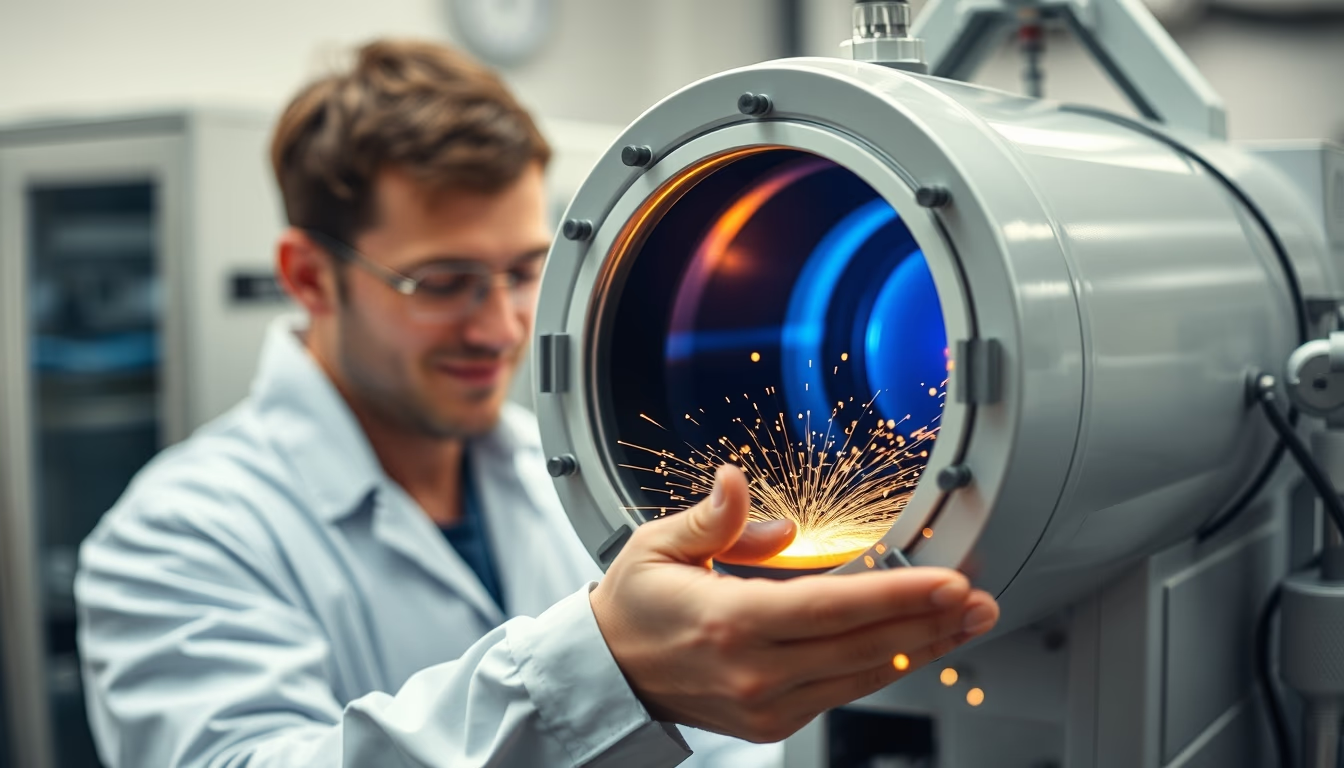
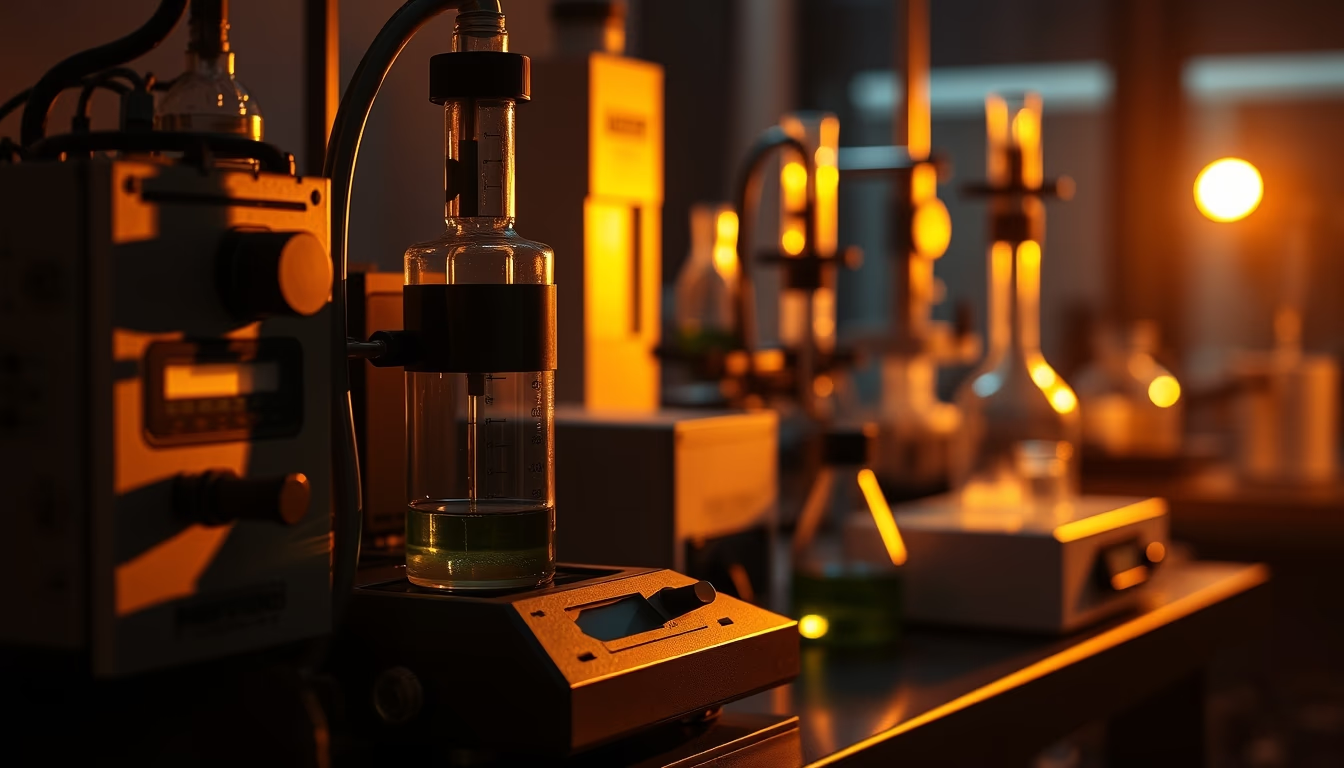
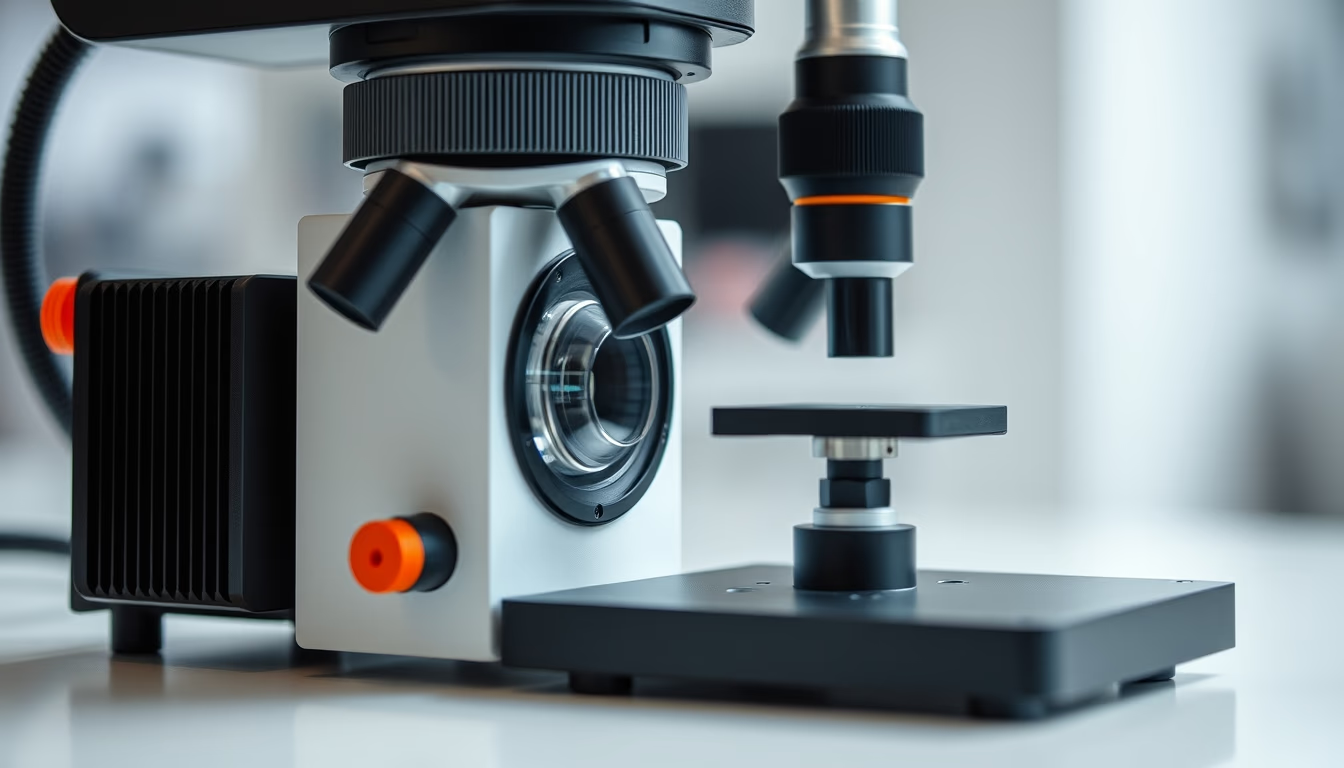
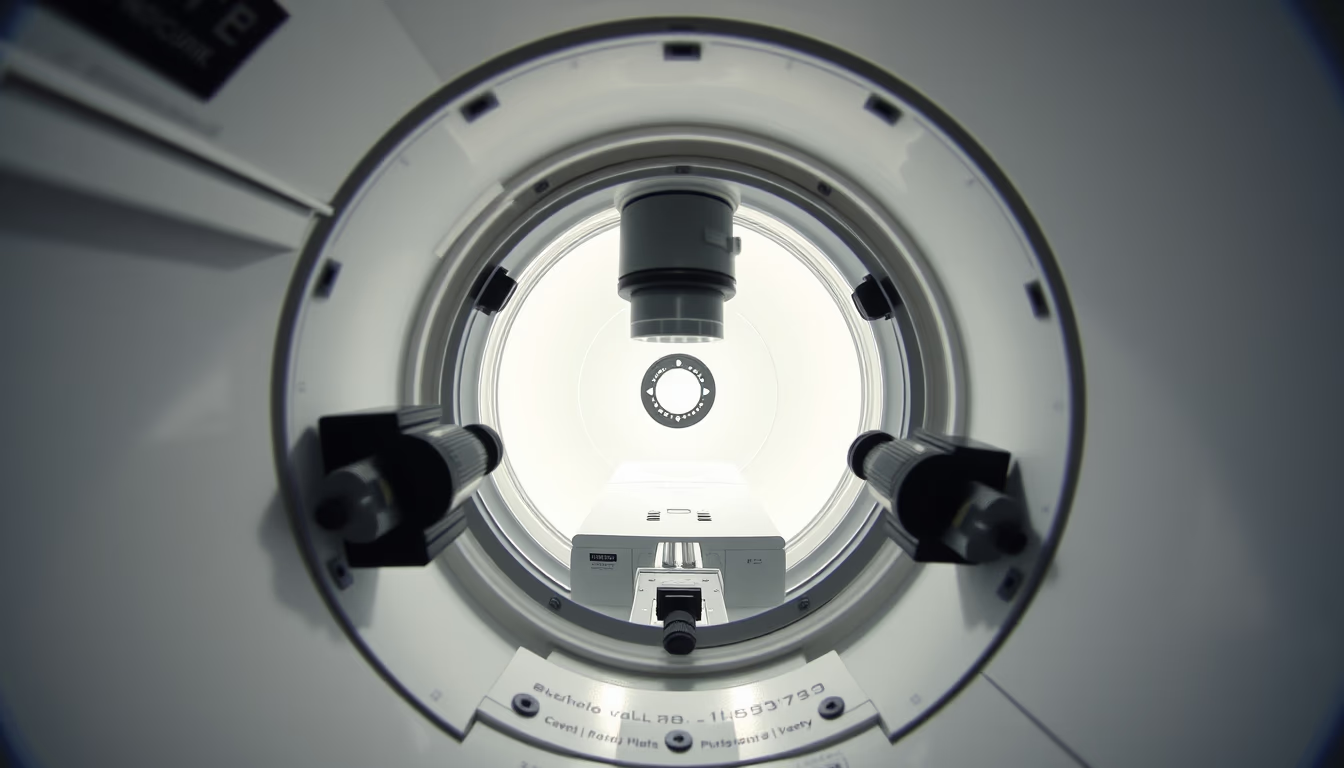
A gas chromatograph is an analytical instrument that separates and identifies volatile compounds in complex mixtures, essential in chemistry, pharmaceutical, and quality control laboratories.
About this subject
A gas chromatograph (GC) is a fundamental tool in analytical chemistry, capable of separating, identifying, and quantifying volatile or semi-volatile components in a sample. The operating principle relies on the differential partitioning of analytes between a mobile gas phase (carrier gas, such as helium or nitrogen) and a stationary liquid or solid phase inside a capillary column. The sample is injected at the column head, vaporized, and carried by the carrier gas. Compounds interact differently with the stationary phase, eluting at distinct retention times. A detector, such as a flame ionization detector or mass spectrometer, converts each compound's presence into an electrical signal, generating a chromatogram.
The technique was initially developed by Martin and Synge in the 1940s, but the first practical gas chromatograph was built by James and Martin in 1952. It has evolved significantly since then. Fused silica capillary columns with polymeric coatings enable high resolution and fast separations. Modern instruments feature autosamplers, programmable temperature ovens, and highly sensitive detectors. GC is widely used in petrochemistry for oil derivatives analysis, in food science for aroma and contaminant determination, in environmental monitoring of organic pollutants, and in forensics for drug and explosive identification.
Interestingly, the gas chromatograph is one of the most versatile and sensitive instruments. It can detect concentrations in the parts-per-billion (ppb) range. Column and detector selection depends on the application: nonpolar columns separate hydrocarbons, while polar columns are better for alcohols or acids. Detectors such as mass spectrometers (GC-MS) provide structural information for unambiguous identification. Advances in instrumentation and chemometrics make GC indispensable for quality control, safety, and innovation across industrial and academic sectors.
Frequently Asked Questions
What is a gas chromatograph used for?
It is used to separate, identify, and quantify volatile compounds in complex mixtures. Applications include petroleum analysis, food testing, environmental monitoring, and pharmaceutical quality control.
What is the difference between gas and liquid chromatography?
Gas chromatography uses a gaseous mobile phase and is suitable for volatile, thermally stable compounds. Liquid chromatography uses liquid solvents and analyzes non-volatile or polar compounds.
How does detection work in GC-MS?
In GC-MS, after separation on the column, compounds are ionized and fragmented. The mass spectrometer measures the mass-to-charge ratio of ions, generating spectra that allow identification of each substance.
Direct URL
https://pub-c7d6a6ea828543ac903a74a341ccb2e1.r2.dev/imagens/gas-chromatograph-magazine-editorial-fresh5.avifHow to credit
Include a visible link back to UtilizAí. Copy one of the snippets below:
<a href="https://xn--utiliza-eza.com/en/midia/imagens/gas-chromatograph-magazine-editorial-fresh5">Gas chromatograph</a> by <a href="https://xn--utiliza-eza.com">UtilizAí</a>, licensed under <a href="https://creativecommons.org/licenses/by/4.0/">CC BY 4.0</a>.
[Gas chromatograph](https://xn--utiliza-eza.com/en/midia/imagens/gas-chromatograph-magazine-editorial-fresh5) by [UtilizAí](https://xn--utiliza-eza.com), CC BY 4.0
License: CC-BY-4.0