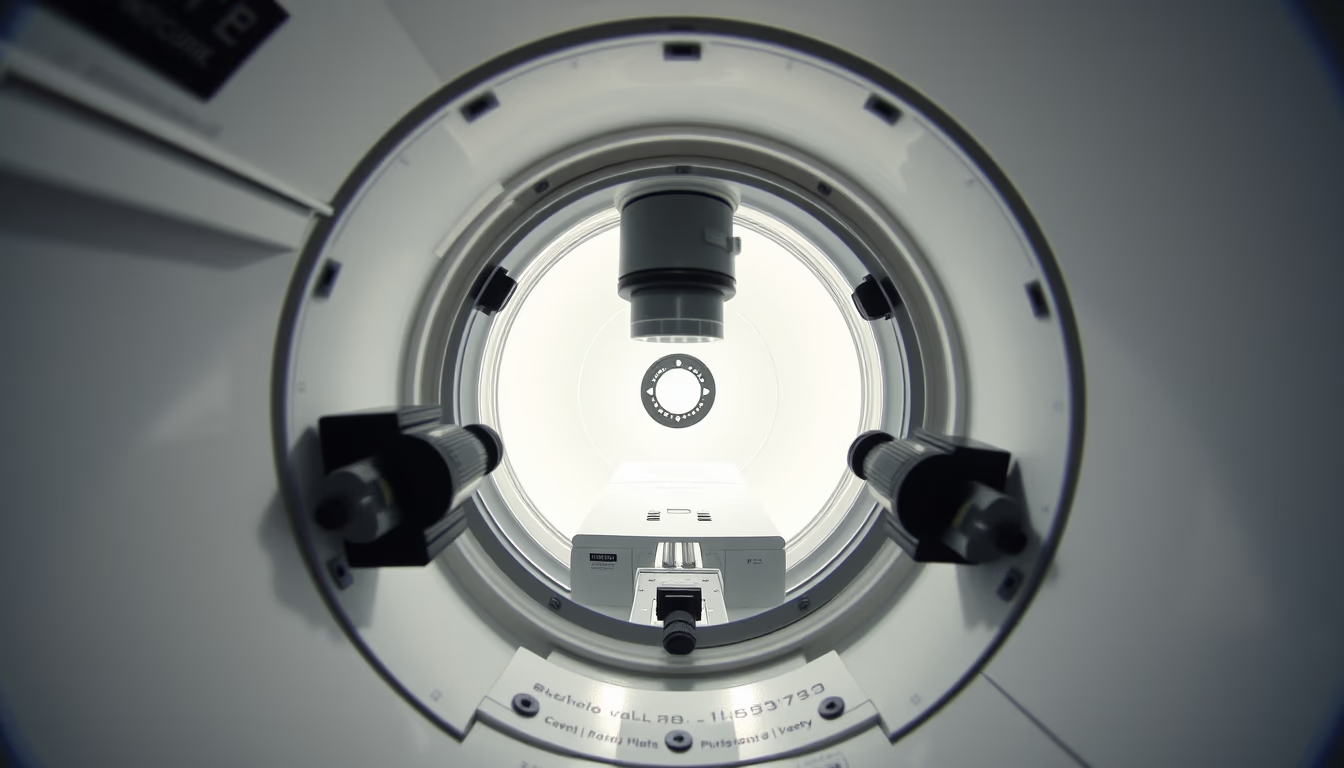
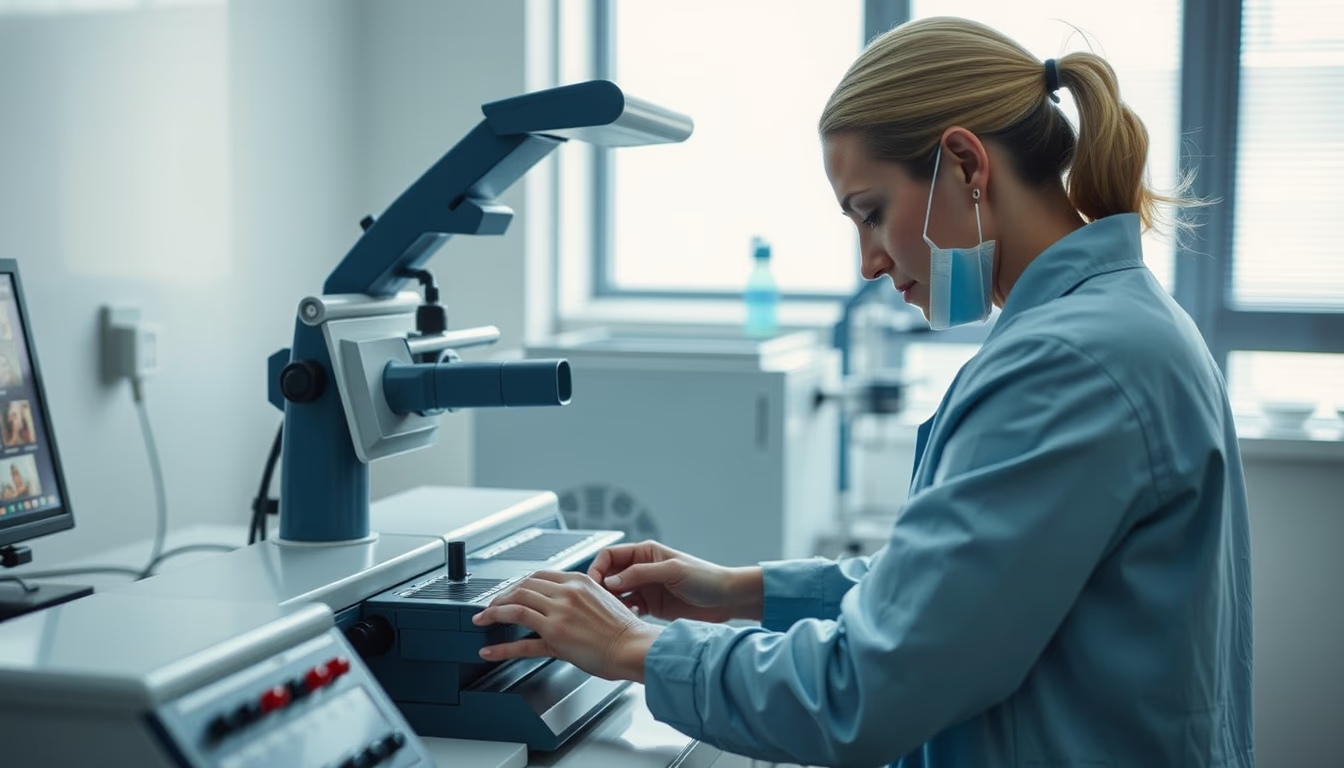
Gas chromatograph
1344×768 · AVIF · CC BY 4.0
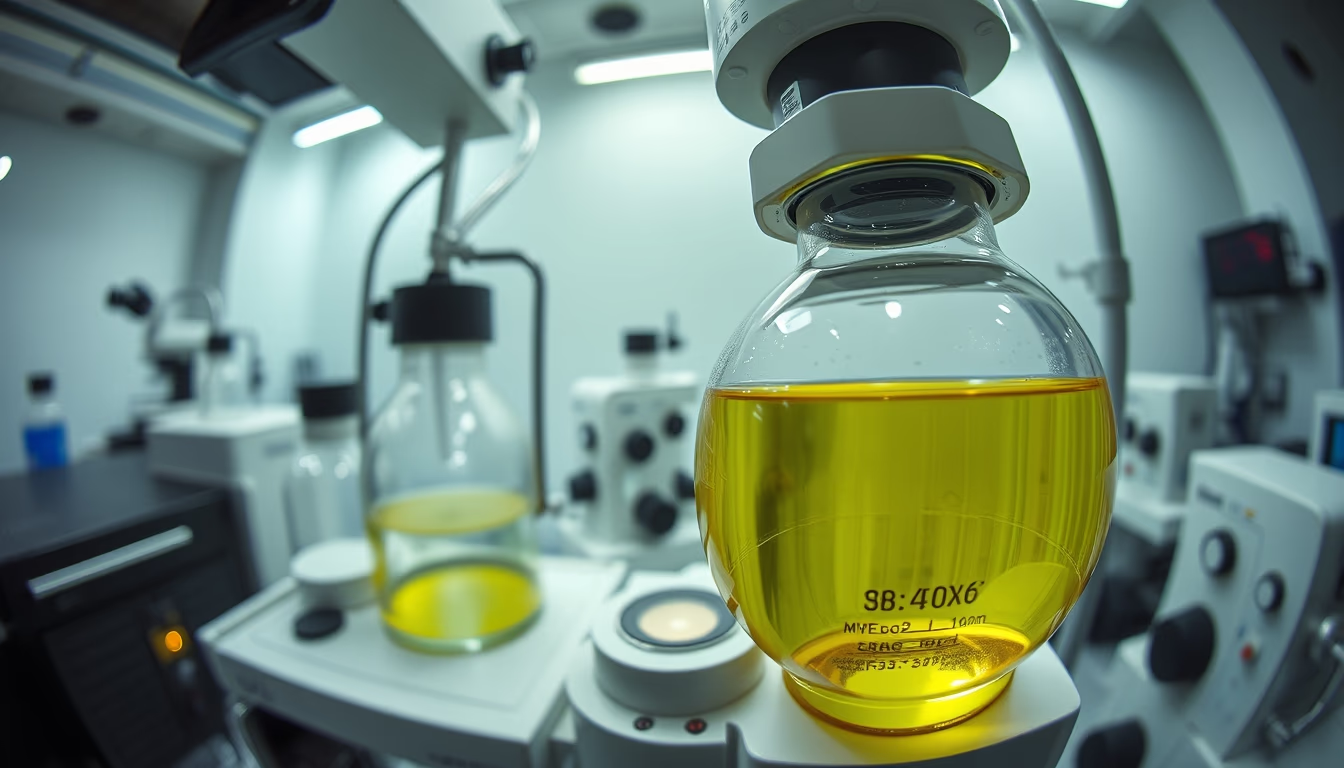
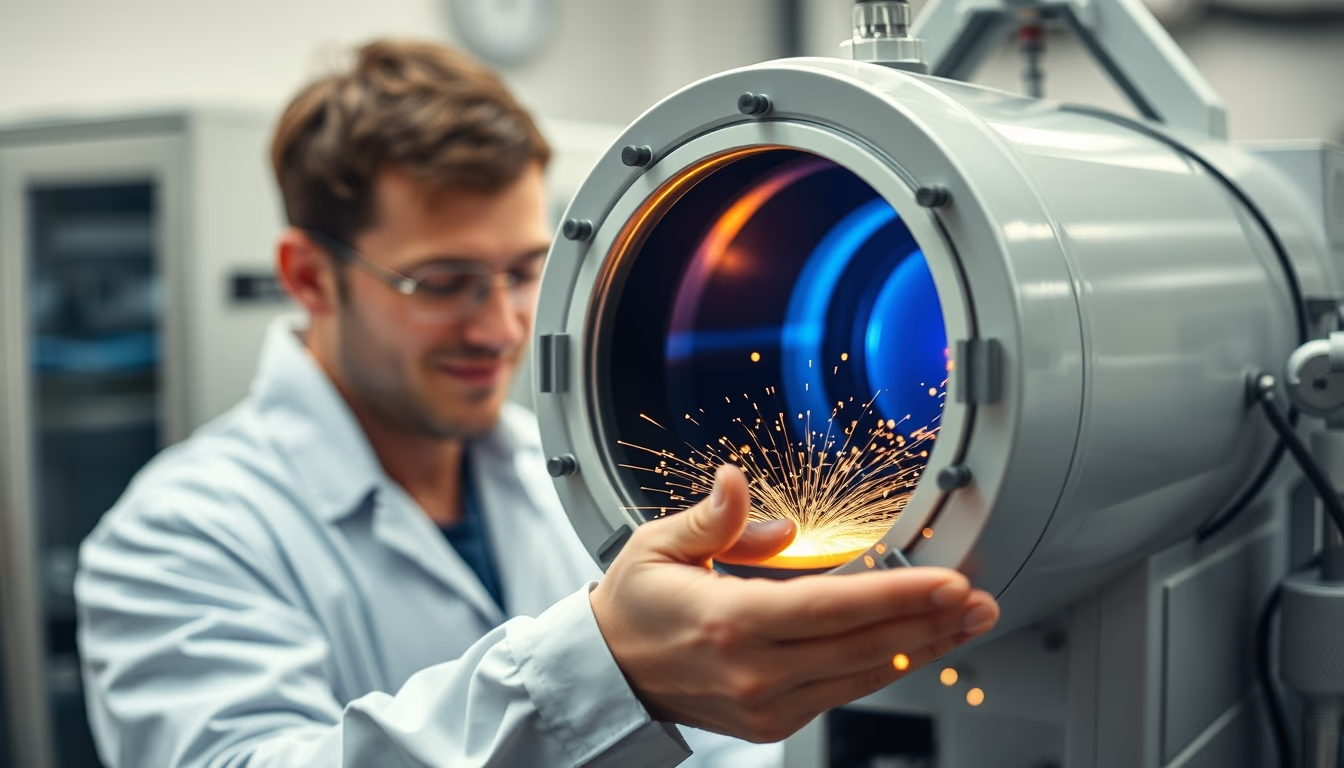
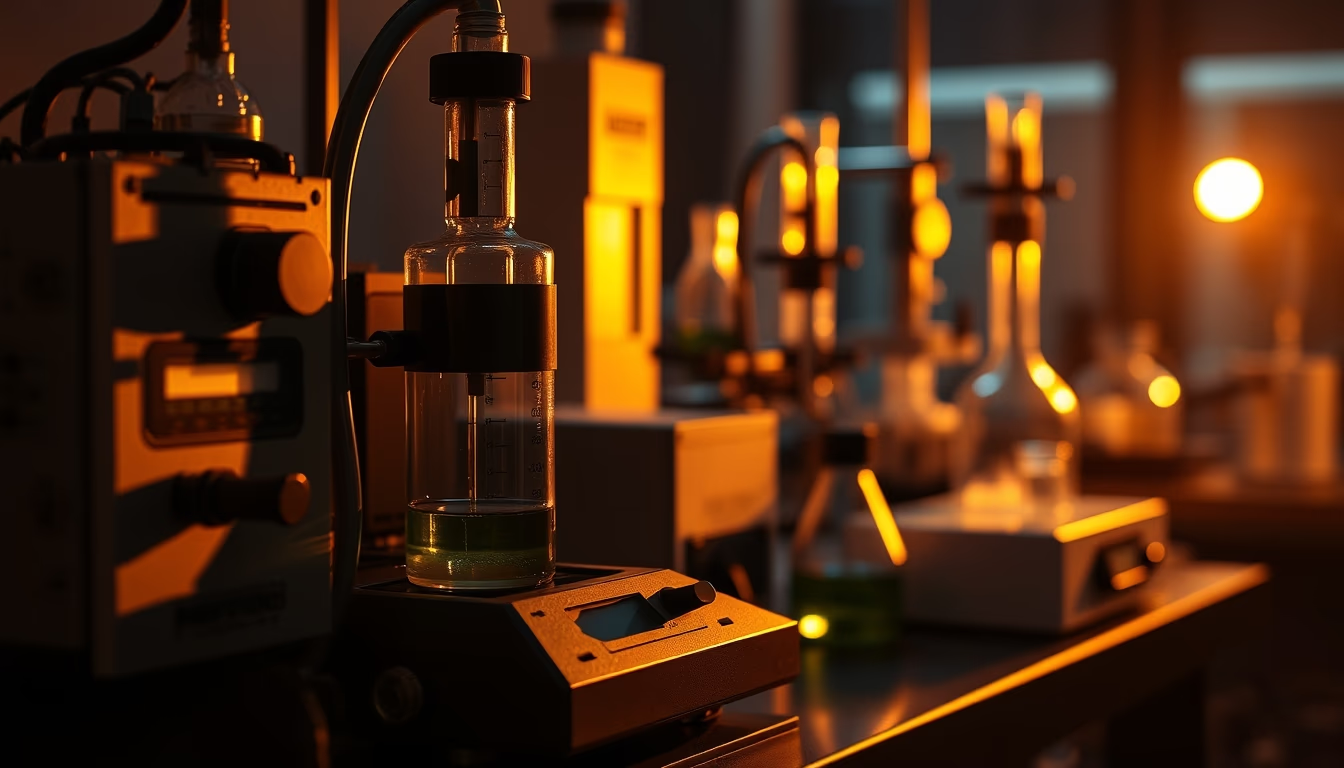
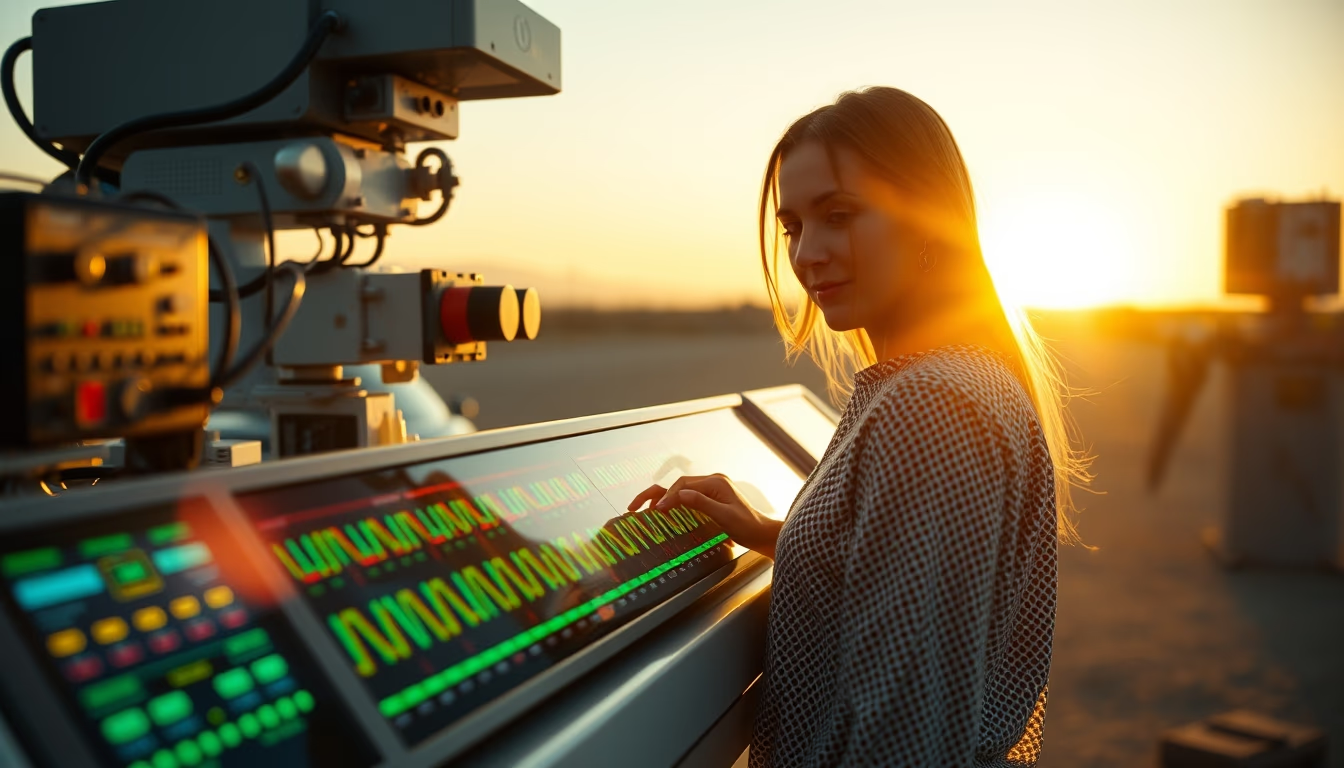
A gas chromatograph is an analytical instrument that separates and quantifies volatile components in a sample, essential in chemistry, forensics, and quality control.
About this subject
A gas chromatograph is a fundamental tool in analytical chemistry laboratories. Its operating principle is based on the partition of compounds between a gaseous mobile phase (usually helium, nitrogen, or hydrogen) and a liquid or solid stationary phase inside a capillary column. The sample is vaporized and injected, and components migrate at different speeds according to their affinity for the stationary phase, being detected at the column outlet. Retention time and peak area allow identification and quantification of each substance.
Initially developed by James and Martin in the 1950s, the gas chromatograph revolutionized the analysis of complex mixtures. Today it is widely used in petrochemical, pharmaceutical, food and beverage industries, as well as environmental and forensic laboratories. For example, in forensics it is used to detect alcohol in blood or explosive residues. In food, it monitors flavors and contaminants.
Several types of detectors can be coupled to the chromatograph, such as the flame ionization detector (FID), thermal conductivity detector (TCD), and mass spectrometer (GC-MS). Each offers specific sensitivity and selectivity. Maintenance includes regular replacement of septa, cleaning of the injector, and conditioning of the column to avoid contamination.
The gas chromatograph is so precise that it can separate enantiomers (mirror-image isomers) using chiral columns, essential in the pharmaceutical industry to ensure the purity of active ingredients. Its versatility and reliability make it indispensable in any laboratory requiring quantitative analysis of volatile compounds.
Frequently Asked Questions
How does a gas chromatograph work?
A liquid or gas sample is vaporized and injected into a heated column. Components separate based on volatility and affinity for the stationary phase, and a detector records peaks as they exit the column.
What are common applications of gas chromatography?
It is used in pollution monitoring, food analysis (flavors, contaminants), pharmaceutical purity testing, petrochemical analysis, and forensic toxicology.
What is the difference between gas and liquid chromatography?
Gas chromatography analyzes volatile compounds with a gaseous mobile phase, while liquid chromatography (HPLC) uses a liquid solvent for non-volatile or thermolabile compounds.
Direct URL
https://pub-c7d6a6ea828543ac903a74a341ccb2e1.r2.dev/imagens/gas-chromatograph-fish-eye-wide-angle-fresh15.avifHow to credit
Include a visible link back to UtilizAí. Copy one of the snippets below:
<a href="https://xn--utiliza-eza.com/en/midia/imagens/gas-chromatograph-fish-eye-wide-angle-fresh15">Gas chromatograph</a> by <a href="https://xn--utiliza-eza.com">UtilizAí</a>, licensed under <a href="https://creativecommons.org/licenses/by/4.0/">CC BY 4.0</a>.
[Gas chromatograph](https://xn--utiliza-eza.com/en/midia/imagens/gas-chromatograph-fish-eye-wide-angle-fresh15) by [UtilizAí](https://xn--utiliza-eza.com), CC BY 4.0
License: CC-BY-4.0