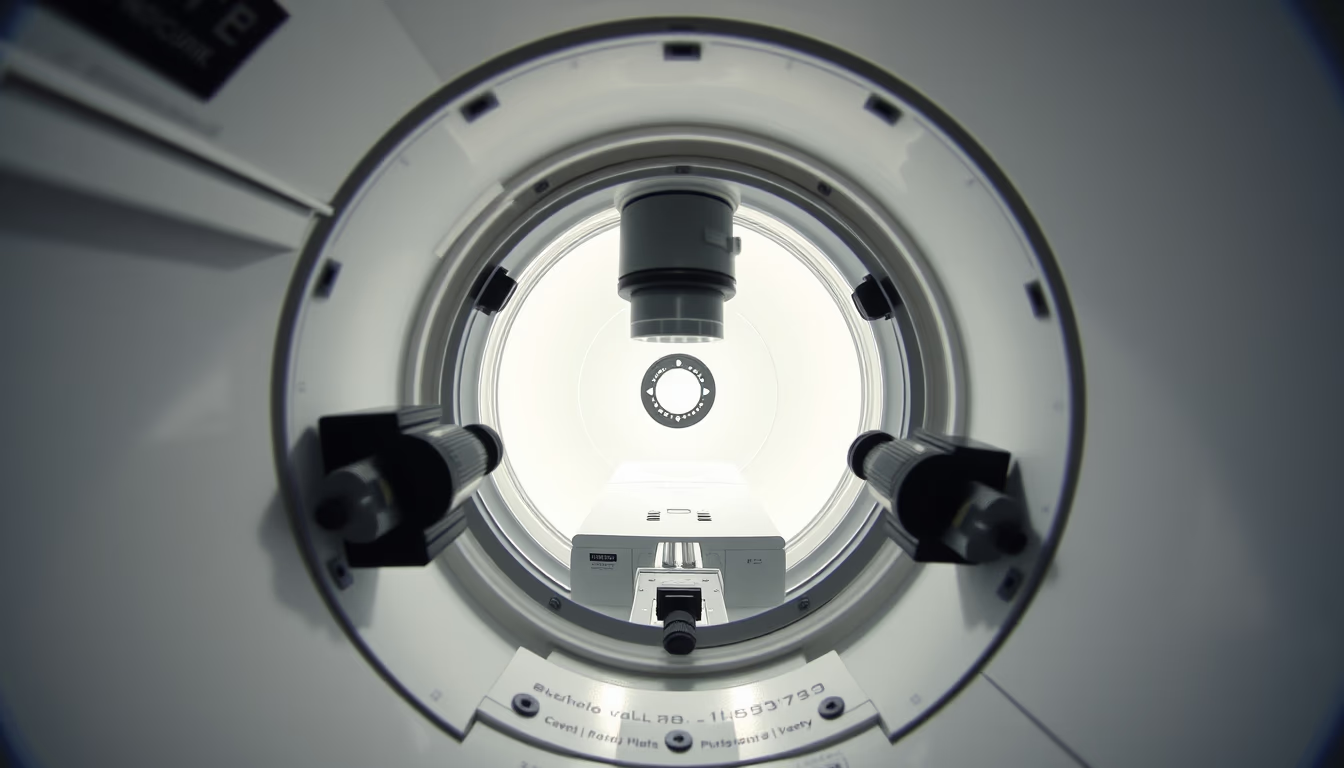
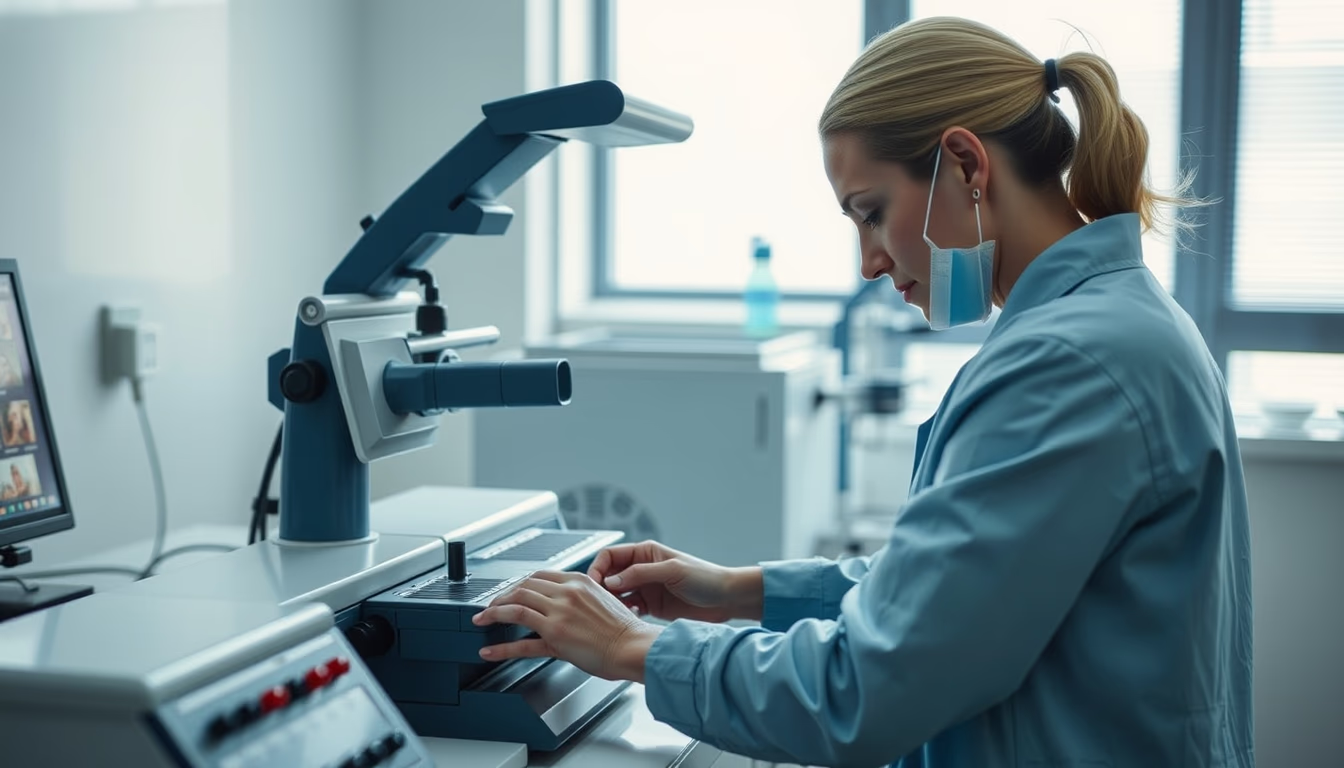
Gas chromatograph
1344×768 · AVIF · CC BY 4.0
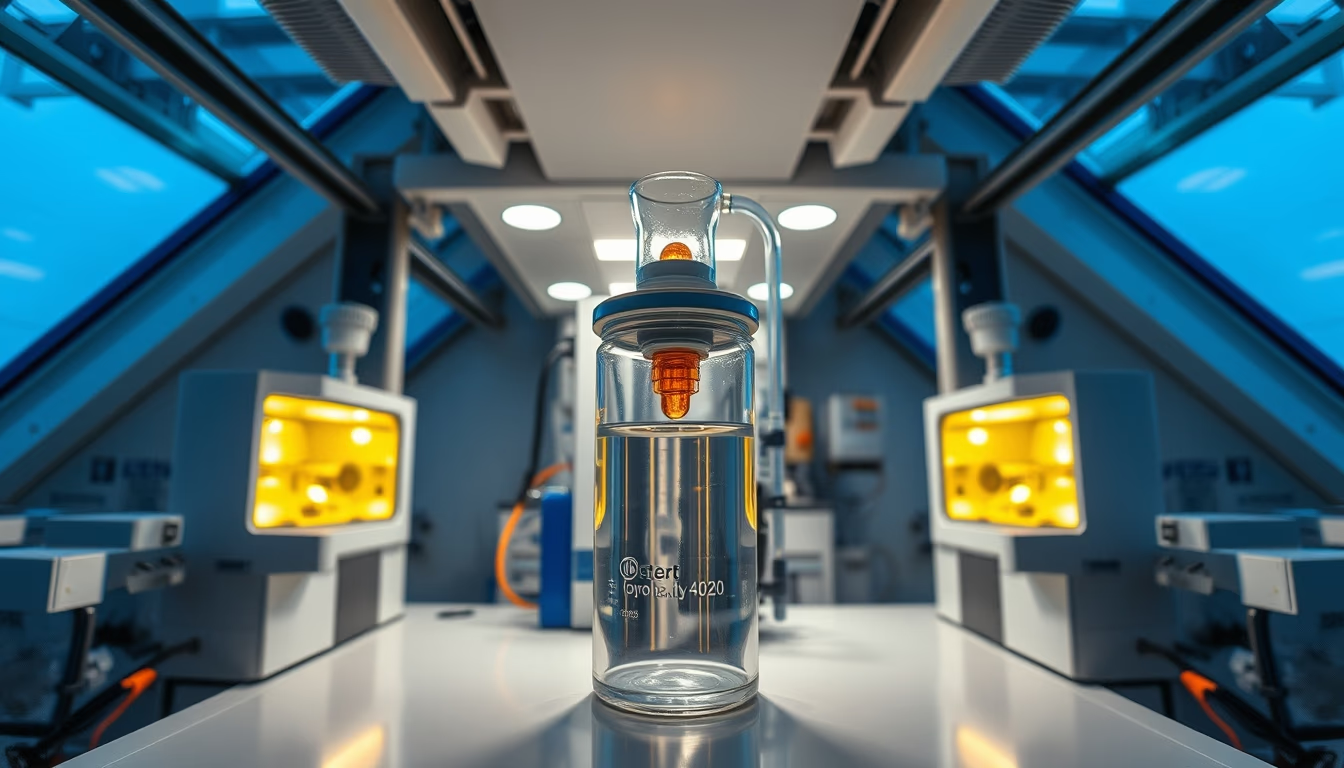
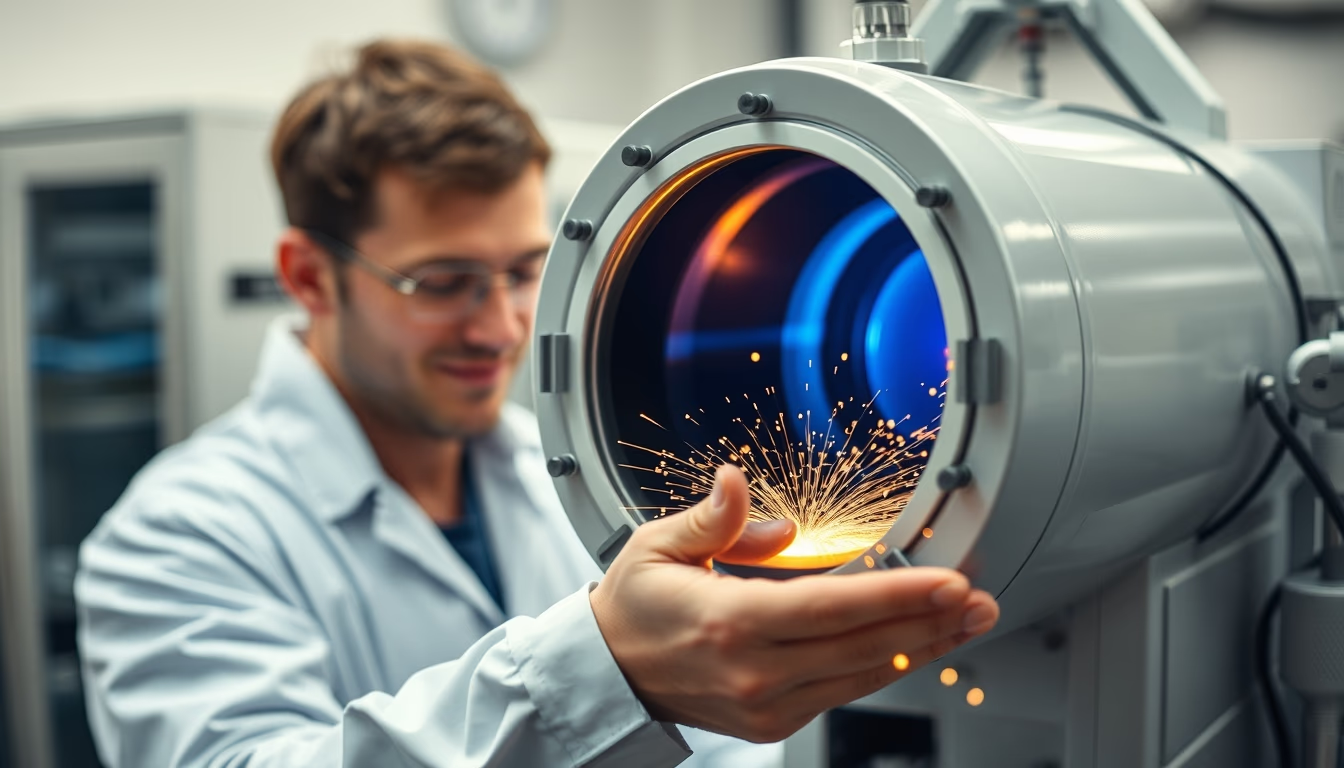
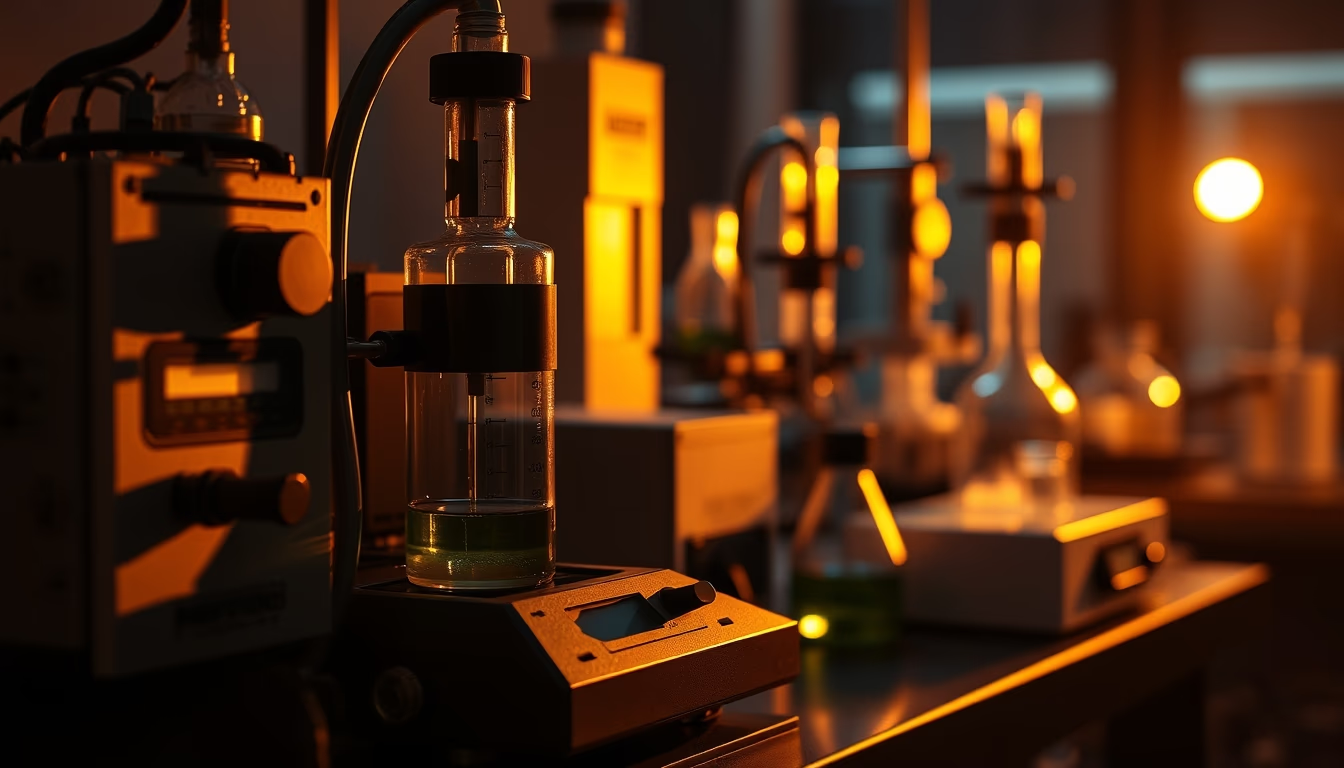
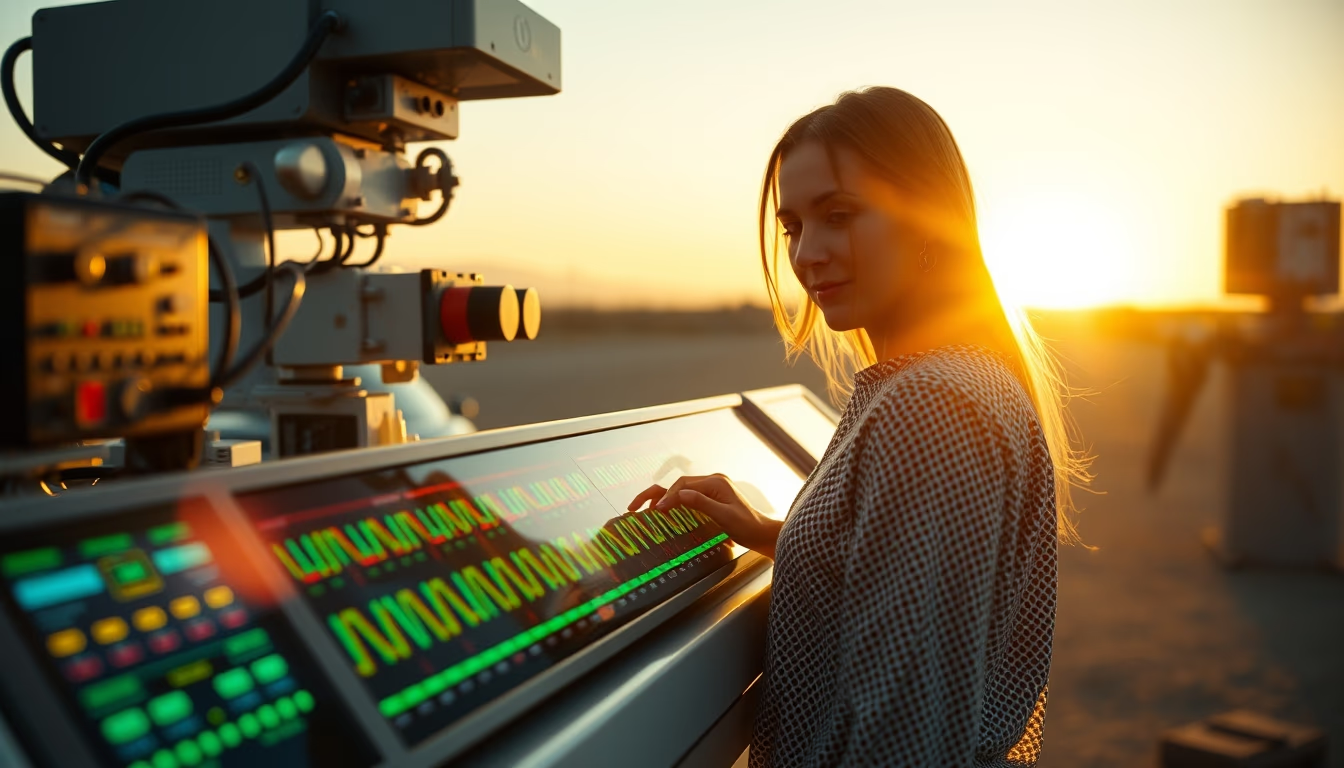
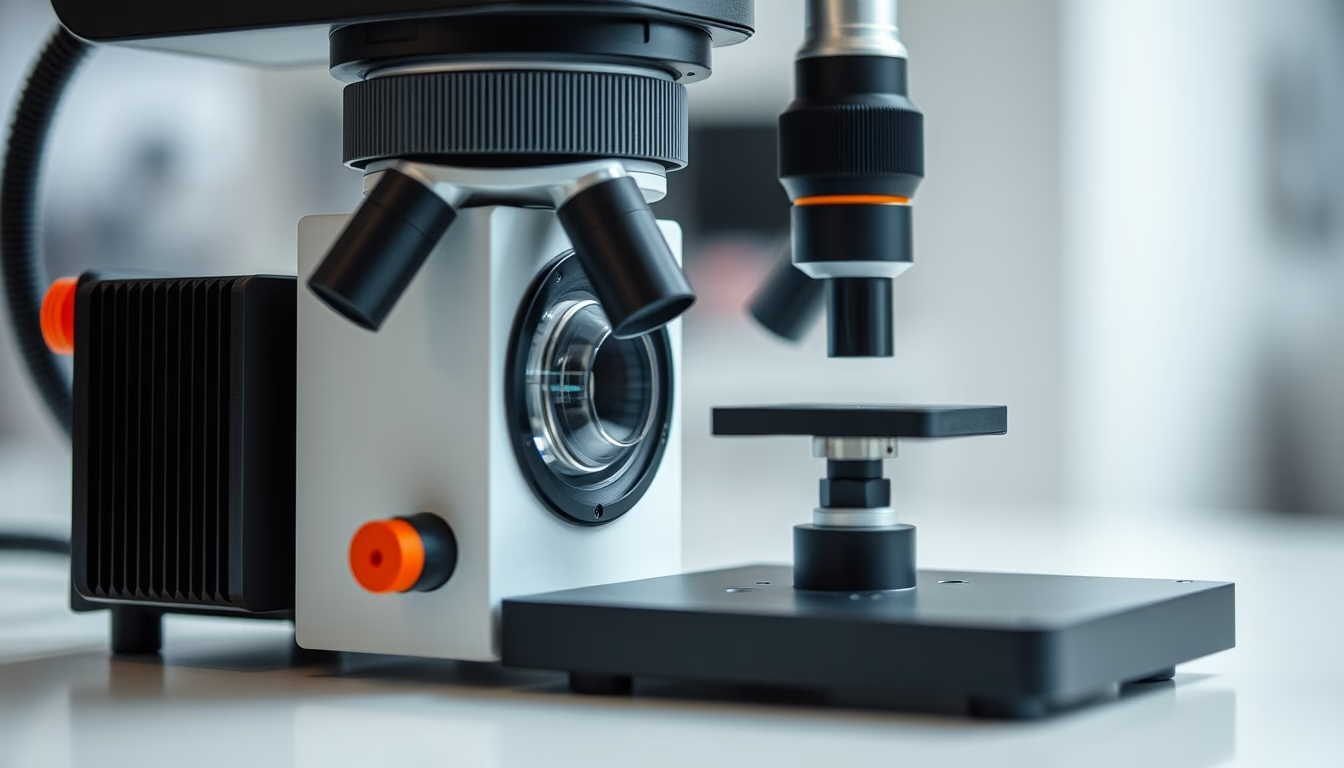
A gas chromatograph is an analytical instrument that separates and quantifies chemical compounds in complex mixtures, essential in chemistry labs and industries.
About this subject
A gas chromatograph is a fundamental analytical instrument in modern chemistry. It operates by separating components of a vaporized sample carried by an inert gas (mobile phase) through a column containing an adsorbent material (stationary phase). Each compound interacts differently with the stationary phase, resulting in distinct retention times recorded by a detector. This technique is widely used for analyzing petroleum, food, beverages, pharmaceuticals, and environmental monitoring.
Developed in the 1950s by Martin and James, the gas chromatograph revolutionized chemical analysis by enabling high-precision separation of complex mixtures. The flame ionization detector (FID) is one of the most common, but others like mass spectrometry (GC-MS) allow identification of each substance. The technique can detect concentrations as low as parts per billion (ppb), making it essential for quality control and research.
In Brazil, gas chromatography is applied in the petrochemical industry to characterize petroleum derivatives, analyze fuels like gasoline and diesel, and determine volatile compounds in foods such as aromas and contaminants. Forensic labs use GC-MS to identify drugs and poisons. The technique is also crucial for monitoring atmospheric pollutants.
Interestingly, gas chromatography can be coupled with other detectors, such as the electron capture detector (ECD), sensitive to halogens and ideal for pesticides. The capillary column, made of fused silica, enables extremely fine separations. Despite its efficiency, the technique requires volatile and thermally stable samples, being complemented by liquid chromatography for non-volatile compounds.
Frequently Asked Questions
What is gas chromatography?
It is an analytical technique that separates and quantifies chemical compounds in a mixture using a carrier gas and a chromatographic column.
What are the main applications?
Analysis of food, pharmaceuticals, petrochemicals, environmental monitoring, and forensic toxicology.
How does an FID detector work?
The flame ionization detector burns organic compounds in a hydrogen flame, generating ions that produce an electrical current proportional to the amount.
Direct URL
https://pub-c7d6a6ea828543ac903a74a341ccb2e1.r2.dev/imagens/gas-chromatograph-architectural-photography-fresh9.avifHow to credit
Include a visible link back to UtilizAí. Copy one of the snippets below:
<a href="https://xn--utiliza-eza.com/en/midia/imagens/gas-chromatograph-architectural-photography-fresh9">Gas chromatograph</a> by <a href="https://xn--utiliza-eza.com">UtilizAí</a>, licensed under <a href="https://creativecommons.org/licenses/by/4.0/">CC BY 4.0</a>.
[Gas chromatograph](https://xn--utiliza-eza.com/en/midia/imagens/gas-chromatograph-architectural-photography-fresh9) by [UtilizAí](https://xn--utiliza-eza.com), CC BY 4.0
License: CC-BY-4.0