Fountain pen calligraphy
1344×768 · AVIF · CC BY 4.0
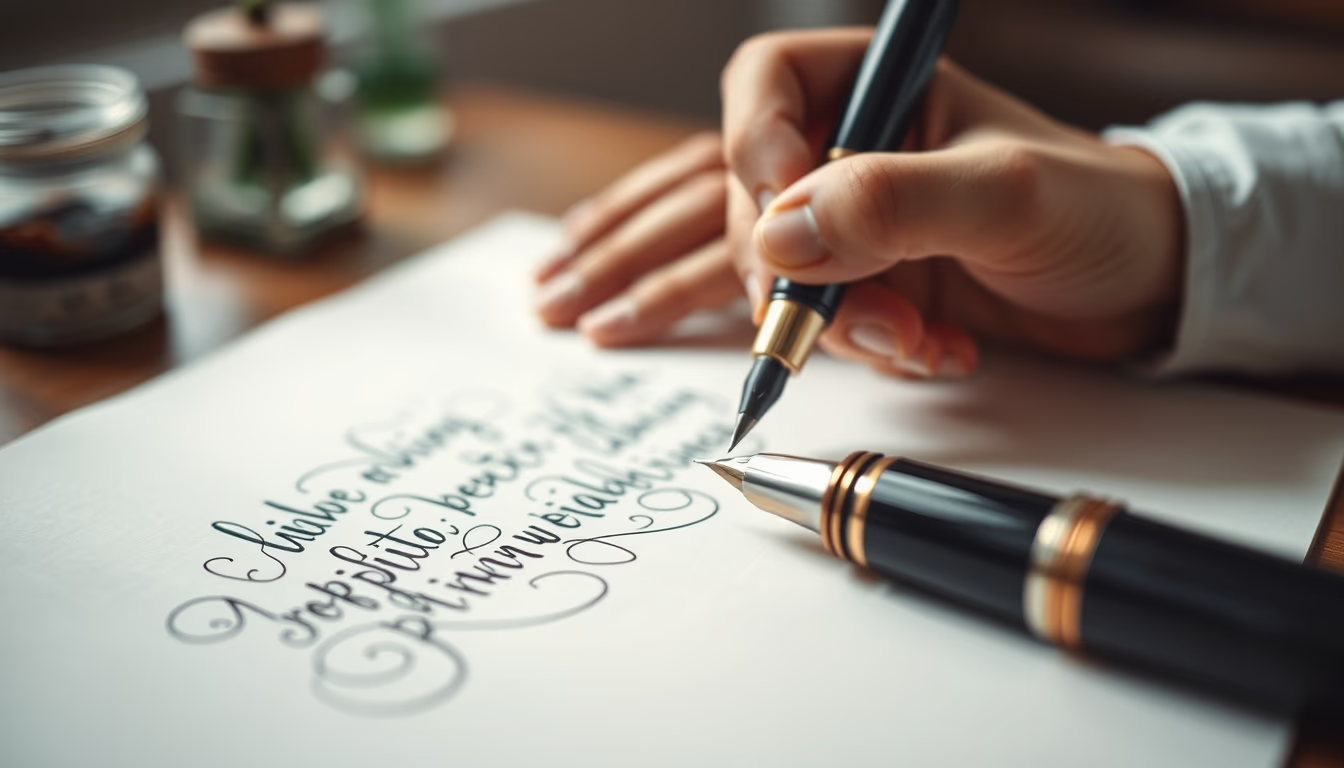
Explore the art of fountain pen calligraphy, a practice combining technique, history, and personal expression, from medieval manuscripts to contemporary design.
About this subject
Fountain pen calligraphy is an art form that dates back to the 19th century, when the invention of the fountain pen by Petrache Poenaru (1827) and the patent by Lewis Waterman (1884) allowed a continuous ink flow, facilitating elegant and varied strokes. However, the roots of calligraphy are much older, with origins in Ancient Rome and China, where handwriting was considered an essential skill and an artistic expression.
In Brazil, fountain pen calligraphy gained prominence in the 20th century, especially in schools and offices, before the popularization of ballpoint pens. Today, there is a resurgence of interest in this technique, with communities of enthusiasts practicing and teaching styles such as copperplate, spencerian, and italic. The choice of pen, nib, and ink directly influences the result: flexible nibs allow line width variation, while water-based or pigmented inks offer vibrant colors and special effects.
Fountain pen calligraphy is not only a technical skill but also a meditative and therapeutic practice. Studies show that handwriting activates brain areas related to memory and creativity. Furthermore, personalizing letters, invitations, and artworks with hand-done calligraphy adds a human touch in a digital world. Many Brazilian calligraphers, such as artist Ricardo Rocha, combine traditional techniques with modern design, creating unique pieces that celebrate national culture.
Frequently Asked Questions
What is the best fountain pen for beginners in calligraphy?
For beginners, pens with medium or fine nibs like the Lamy Safari or Pilot Metropolitan are recommended, as they are durable and allow nib replacement. Fast-drying ink is also important to avoid smudging.
Which calligraphy styles are most popular with fountain pens?
The most common styles are copperplate (elegant and cursive), spencerian (more fluid), and italic (with angular strokes). Each requires specific pressure and pen angle techniques.
Is fountain pen calligraphy still relevant in the digital age?
Yes, it is valued for wedding invitations, certificates, logos, and personalized art. Additionally, the practice improves motor coordination and offers a creative counterpoint to typing.
Direct URL
https://pub-c7d6a6ea828543ac903a74a341ccb2e1.r2.dev/imagens/fountain-pen-calligraphy-documentary-photography-p6.avifHow to credit
Include a visible link back to UtilizAí. Copy one of the snippets below:
<a href="https://xn--utiliza-eza.com/en/midia/imagens/fountain-pen-calligraphy-documentary-photography-p6">Fountain pen calligraphy</a> by <a href="https://xn--utiliza-eza.com">UtilizAí</a>, licensed under <a href="https://creativecommons.org/licenses/by/4.0/">CC BY 4.0</a>.
[Fountain pen calligraphy](https://xn--utiliza-eza.com/en/midia/imagens/fountain-pen-calligraphy-documentary-photography-p6) by [UtilizAí](https://xn--utiliza-eza.com), CC BY 4.0
License: CC-BY-4.0