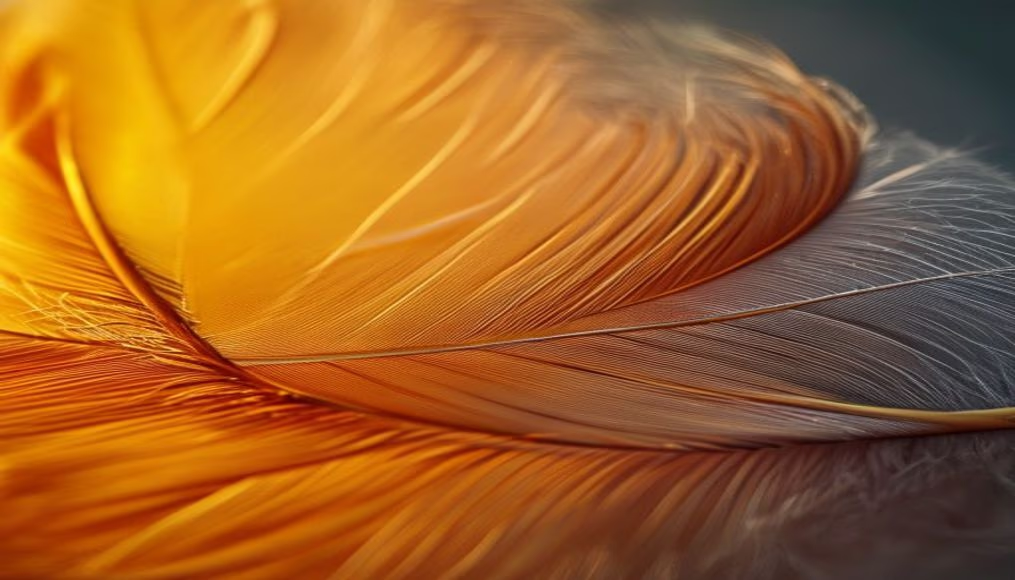
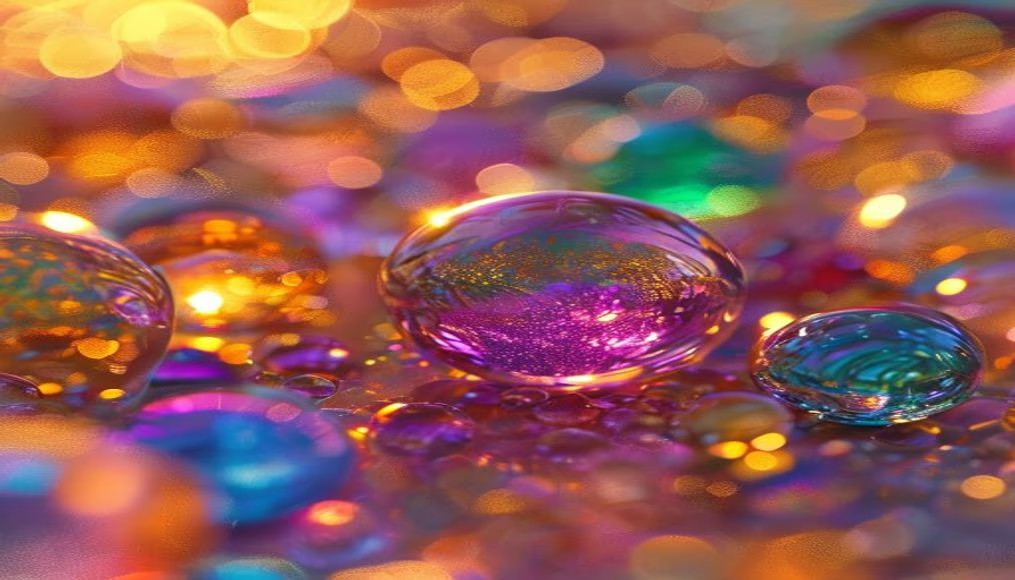
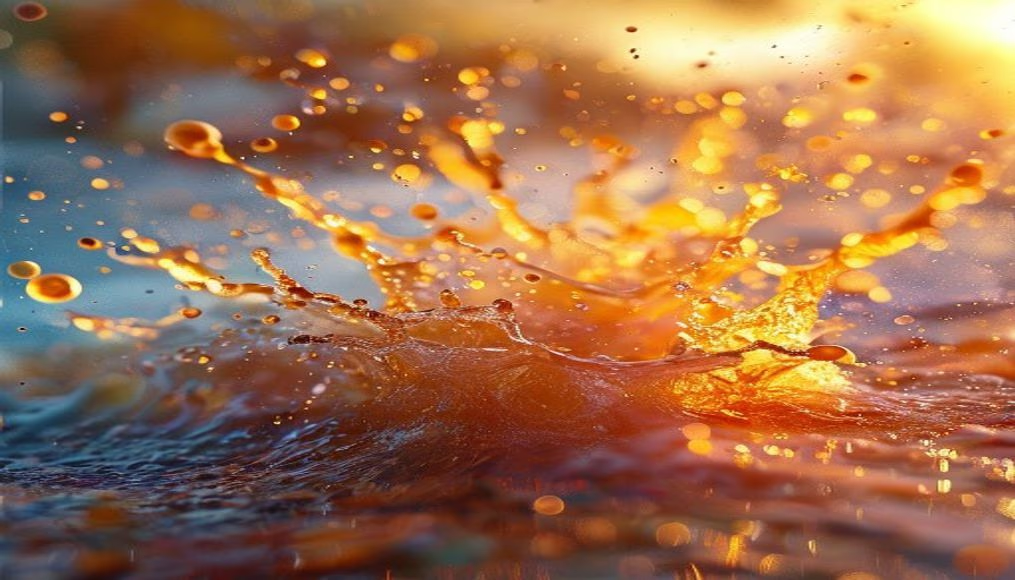
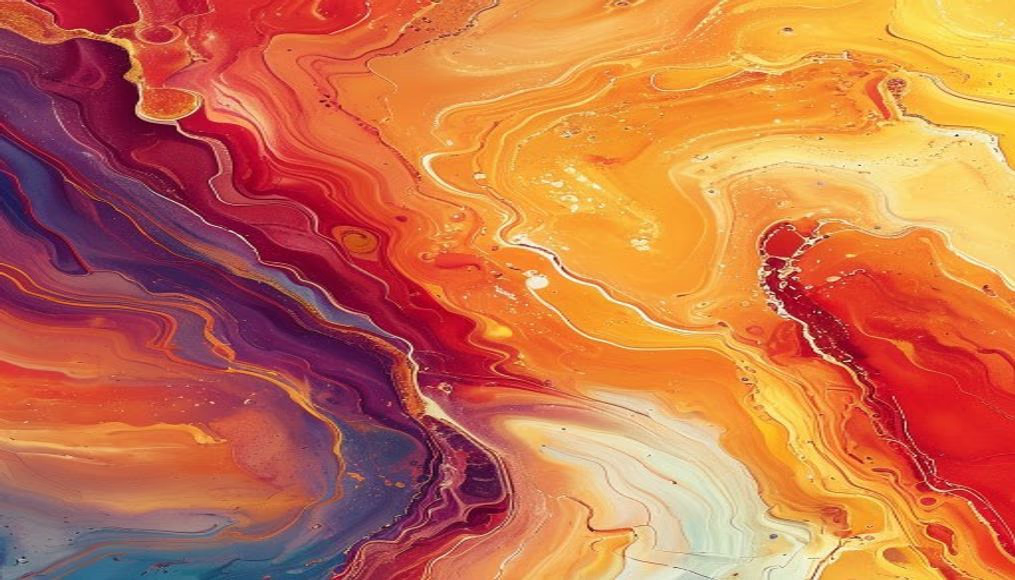
Fluid art swirling colors
1344×768 · AVIF · CC BY 4.0
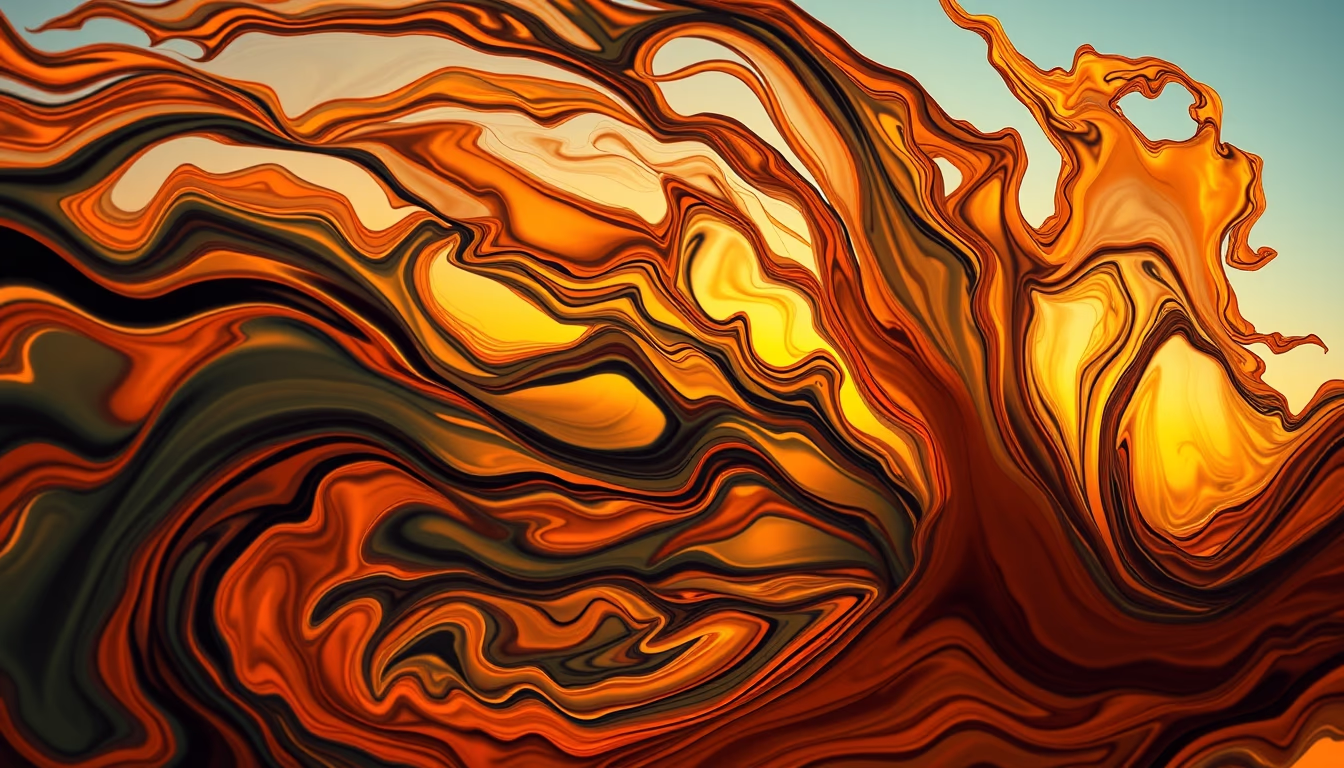
Fluid art is a contemporary technique that creates hypnotic, organic patterns through the controlled mixing of acrylic paints on canvas.
About this subject
Fluid art, also known as acrylic pouring, is a form of abstract painting that gained worldwide popularity in the 2010s. The technique involves pouring acrylic paints of different viscosities onto a surface, usually a stretched canvas, and then tilting or moving the canvas so that the colors mix and flow freely. The result is unpredictable and unique patterns that resemble geological formations, nebulae, or watercolor washes.
Unlike traditional brush painting, fluid art relies on the correct dilution of paints with a specific medium, such as pouring medium, which alters density and surface tension. Artists often use techniques like the 'flip cup' (turning a cup of paint over onto the canvas) or the 'dirty pour' (stacking several colors in a container before pouring). The chemical interaction between paints and medium can create cell effects, where air bubbles or oil form circular shapes.
Although it is a modern technique, fluid art dialogues with historical movements such as abstract expressionism and Jackson Pollock's action painting, which also valued chance and gesture. In Brazil, the technique is widely taught in workshops and shared on social media, being accessible to both beginners and experienced artists. The unpredictability of the final result is one of its main attractions, as each piece is literally unrepeatable.
Frequently Asked Questions
What materials do I need to start making fluid art?
You will need acrylic paints, pouring medium (to thin the paint), canvases or smooth surfaces, disposable cups, wooden sticks for mixing, gloves, and a cloth to protect your work area.
How can I prevent colors from mixing too much and turning into a muddy brown?
Use complementary colors carefully and avoid overloading the canvas with many layers. Apply thin layers of paint and tilt the canvas gently. Adding silicone or oil can help create cells without blurring everything.
Can fluid art pieces be sold?
Yes, many people sell their work at art fairs, online stores, or social media. The price depends on the canvas size, pattern complexity, and the artist's reputation. Pieces with well-defined cell effects usually have higher commercial appeal.
Direct URL
https://pub-c7d6a6ea828543ac903a74a341ccb2e1.r2.dev/imagens/fluid-art-swirling-colors-cinematic-wide-shot-v2.avifHow to credit
Include a visible link back to UtilizAí. Copy one of the snippets below:
<a href="https://xn--utiliza-eza.com/en/midia/imagens/fluid-art-swirling-colors-cinematic-wide-shot-v2">Fluid art swirling colors</a> by <a href="https://xn--utiliza-eza.com">UtilizAí</a>, licensed under <a href="https://creativecommons.org/licenses/by/4.0/">CC BY 4.0</a>.
[Fluid art swirling colors](https://xn--utiliza-eza.com/en/midia/imagens/fluid-art-swirling-colors-cinematic-wide-shot-v2) by [UtilizAí](https://xn--utiliza-eza.com), CC BY 4.0
License: CC-BY-4.0