Fabric weave closeup
1344×768 · AVIF · CC BY 4.0
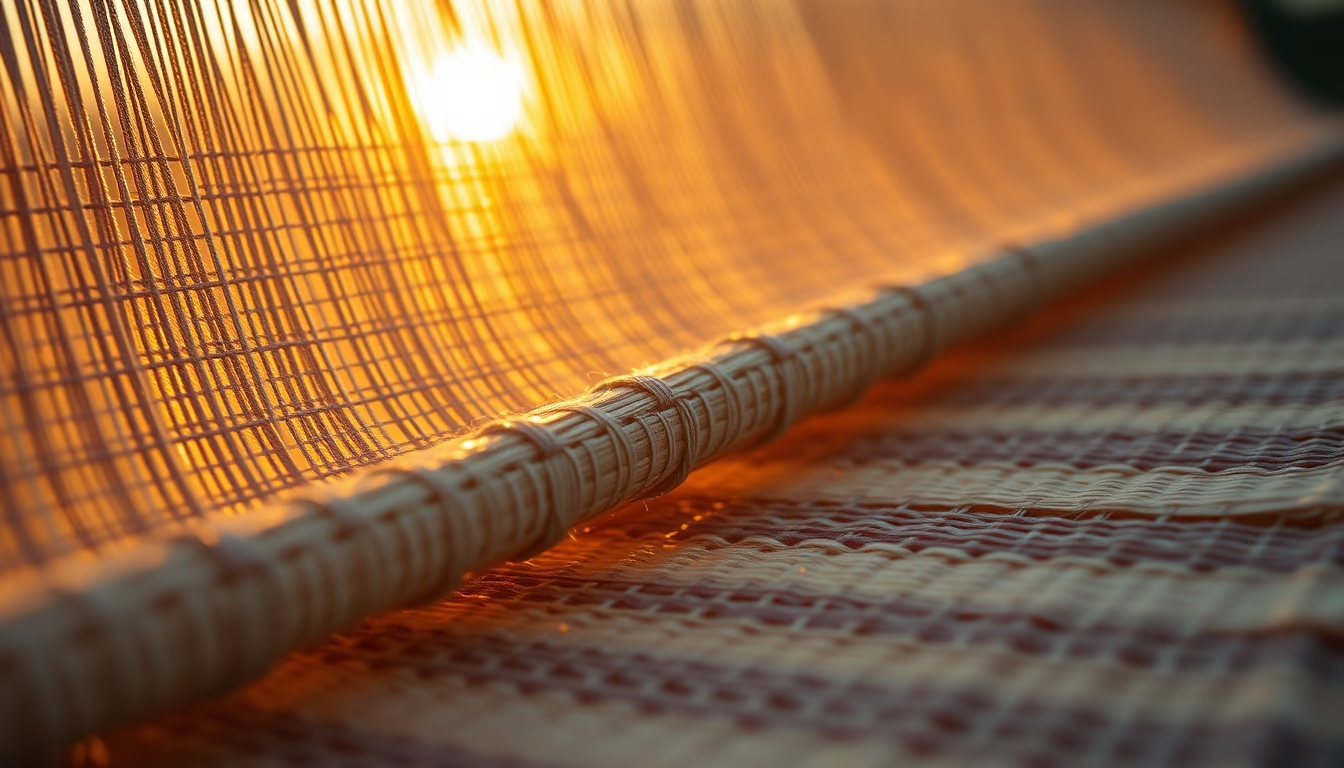
Close-up details of a fabric weave, revealing interlaced patterns that define texture, strength, and drape of different textile materials.
About this subject
The structure of a fabric is determined by interlacing warp (longitudinal) and weft (transverse) threads. Common weave types include plain, twill, and satin. The plain weave, the simplest, alternates one warp thread over one weft, creating a balanced and durable pattern used in shirts and sheets. Twill produces diagonal lines, offering greater strength and a soft touch, popular in jeans and khaki pants. Satin, with long floats, creates a smooth and shiny surface, common in evening dresses and bed linens.
Historically, weaving techniques date back to the Neolithic period, with early hand looms. The Industrial Revolution brought mechanical looms, such as the Jacquard loom (1804), which allowed complex patterns using punched cards, a precursor to computing. Today, computerized looms produce three-dimensional weaves for technical applications, like carbon composites in aerospace.
Beyond aesthetics, weave type influences functional properties: high thread density fabrics are more waterproof; open weaves, like gauze, promote breathability. Thread count per inch is a common quality measure. Egyptian cotton, for example, has long fibers that allow fine weaves and a luxurious feel. Linen, with irregular weaves, is valued for its absorbency and coolness.
A fun fact: the term "taffeta" comes from the Persian "taftah," meaning "woven." In fashion, the direction of the weave affects drape: garments cut on the bias (45 degrees to the threads) gain elasticity and fluidity. Denim uses twill with a visible diagonal thread, while pure silk satin can have up to 600 threads per inch.
Frequently Asked Questions
What is the difference between warp and weft?
Warp are the longitudinal threads fixed on the loom; weft are the crosswise threads woven between them. Their interlacing defines the fabric type.
How can I identify the weave type of a fabric?
Observe the surface: plain weave has a symmetrical checkerboard pattern; twill shows diagonal lines; satin is smooth and shiny. A magnifying glass helps see the threads.
What is thread count and why does it matter?
Thread count is the number of threads per square inch. Higher counts usually mean softer and more durable fabrics, but fiber type also matters.
Direct URL
https://pub-c7d6a6ea828543ac903a74a341ccb2e1.r2.dev/imagens/fabric-weave-closeup-cinematic-wide-shot-p0.avifHow to credit
Include a visible link back to UtilizAí. Copy one of the snippets below:
<a href="https://xn--utiliza-eza.com/en/midia/imagens/fabric-weave-closeup-cinematic-wide-shot-p0">Fabric weave closeup</a> by <a href="https://xn--utiliza-eza.com">UtilizAí</a>, licensed under <a href="https://creativecommons.org/licenses/by/4.0/">CC BY 4.0</a>.
[Fabric weave closeup](https://xn--utiliza-eza.com/en/midia/imagens/fabric-weave-closeup-cinematic-wide-shot-p0) by [UtilizAí](https://xn--utiliza-eza.com), CC BY 4.0
License: CC-BY-4.0