Bible old leather
1344×768 · AVIF · CC BY 4.0
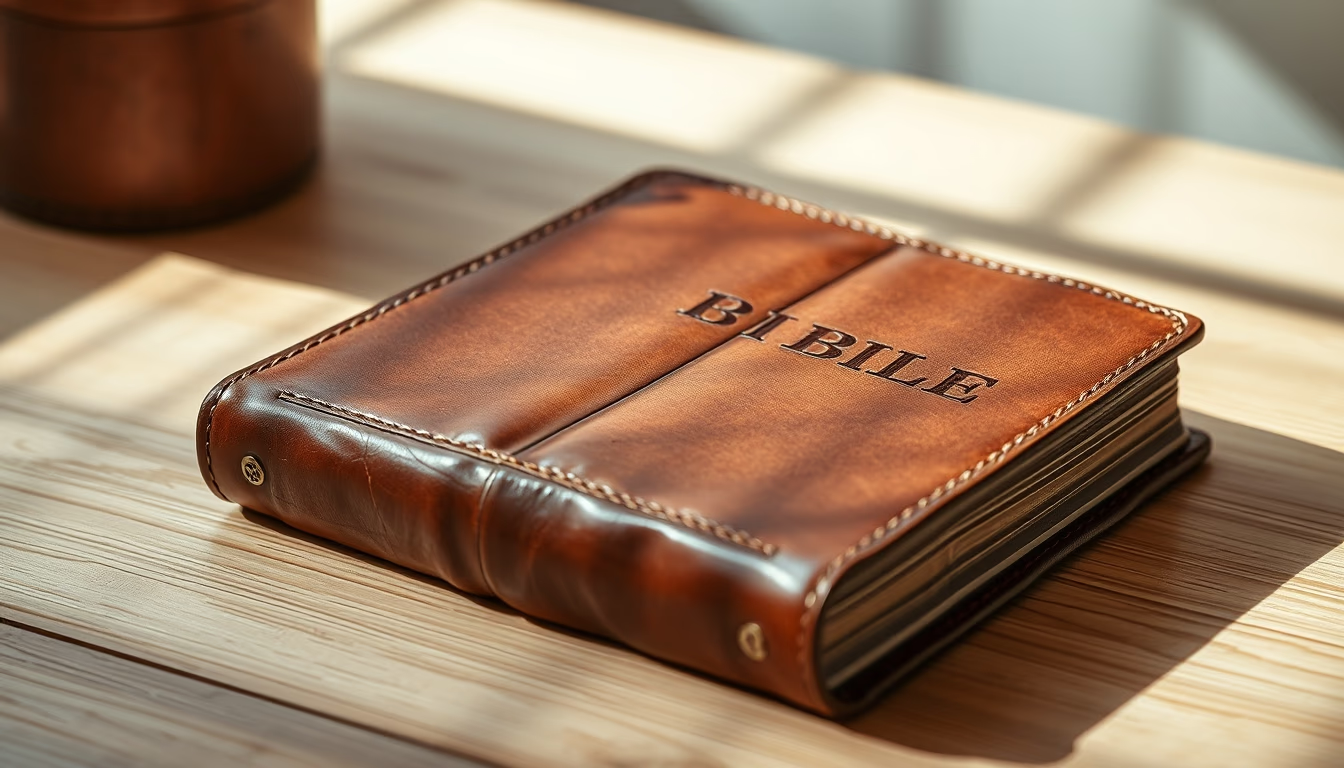
An antique Bible with aged leather cover, symbolizing religious tradition and the art of manual bookbinding over the centuries.
About this subject
Leather-bound Bibles represent a centuries-old tradition blending faith, art, and functionality. From the early centuries of Christianity, sacred texts were copied onto parchment or paper and protected by durable covers. Leather, especially from calf, goat, or sheep, was the preferred material for its durability and flexibility, allowing books to withstand constant handling and adverse conditions over time.
The handcrafted binding of these Bibles involved complex techniques such as manual sewing of the gatherings, edge gilding, and cover decoration using heated tools. Often, the covers featured embossed geometric patterns, crosses, or religious symbols, along with metal clasps to protect the book. The natural aging of leather, with darkening and the appearance of craquelure, gives these pieces an unmatched historical and aesthetic value.
Such copies were frequently preserved in monasteries, churches, and private libraries, serving as objects of devotion and study. Some of the oldest, like the Gutenberg Bible (1455), were bound in leather by their early owners. Today, antique leather Bibles are coveted by collectors and institutions, not only for their spiritual content but also as testimonies to the evolution of typography and book arts.
Preserving these works requires special care, such as humidity and temperature control, to prevent drying out or fungal attacks. Every mark of use, crack, or stain tells part of the object's history, making each aged leather Bible a unique and irreplaceable piece.
Frequently Asked Questions
What is the origin of leather-bound Bibles?
The practice of binding books in leather dates back to antiquity, but became common in medieval Europe with the increased production of manuscripts. Bibles, being of great religious value and frequent use, were often covered in leather for protection.
How to identify an antique Bible made of real leather?
Real leather has an irregular texture, natural pores, and a characteristic smell. Over time, it develops patina and surface cracks. Synthetic leather tends to peel and does not age the same way. The presence of hand-sewing and metal clasps also indicates antiquity.
Why does leather darken and age over time?
The darkening of leather is caused by natural oxidation of oils and tannins present in the material, along with exposure to light, humidity, and handling. This process, called patination, is valued by collectors as a sign of authenticity and history.
Direct URL
https://pub-c7d6a6ea828543ac903a74a341ccb2e1.r2.dev/imagens/bible-old-leather-minimalist-composition-p5.avifHow to credit
Include a visible link back to UtilizAí. Copy one of the snippets below:
<a href="https://xn--utiliza-eza.com/en/midia/imagens/bible-old-leather-minimalist-composition-p5">Bible old leather</a> by <a href="https://xn--utiliza-eza.com">UtilizAí</a>, licensed under <a href="https://creativecommons.org/licenses/by/4.0/">CC BY 4.0</a>.
[Bible old leather](https://xn--utiliza-eza.com/en/midia/imagens/bible-old-leather-minimalist-composition-p5) by [UtilizAí](https://xn--utiliza-eza.com), CC BY 4.0
License: CC-BY-4.0